








Introduction:Honduras has become one of the world’s key producers of Arabica coffee, but its development journey has been full of challenges. This article provides a detailed introduction to the six core coffee-growing regions of Honduras, covering their geographical characteristics, grading systems, and representative specialty coffee varieties. It also offers an in-depth analysis of varietals, processing methods, and pour over brewing parameters, helping readers fully grasp the essence of Honduran coffee—from flavor profiles to practical brewing techniques.
For a long time, Honduras’ coffee industry was overshadowed by that of neighboring countries such as Guatemala and El Salvador. However, it has now risen to become a globally significant producer of Arabica coffee. This transformation not only highlights the advantages of its geography and climate but also underscores the continuous advancements made in varietal selection, processing techniques, and market positioning. From high-grown to strictly high-grown, and from washed to natural, the coffee world of Honduras is rich and diverse, deserving of deeper exploration.

Honduras is located in the northern part of Central America, bordering the Caribbean Sea to the north and the Gulf of Fonseca of the Pacific Ocean to the south. It shares land borders with Nicaragua, El Salvador, and Guatemala. The country is predominantly mountainous and plateau-like, with a tropical climate characterized by moderate temperatures and abundant rainfall—offering ideal growing conditions for coffee trees. Coffees produced here generally exhibit a soft juiciness, delicate floral and fruity aromas, and unique spicy and nutty undertones. While sharing some similarities with neighboring countries, Honduran coffees also possess their own distinctive flavor traits.
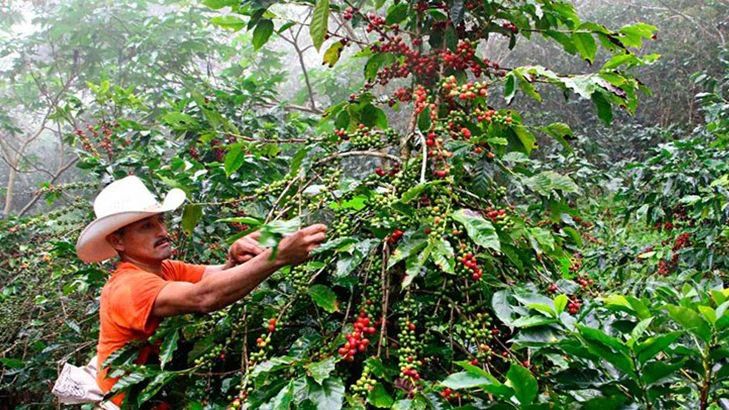
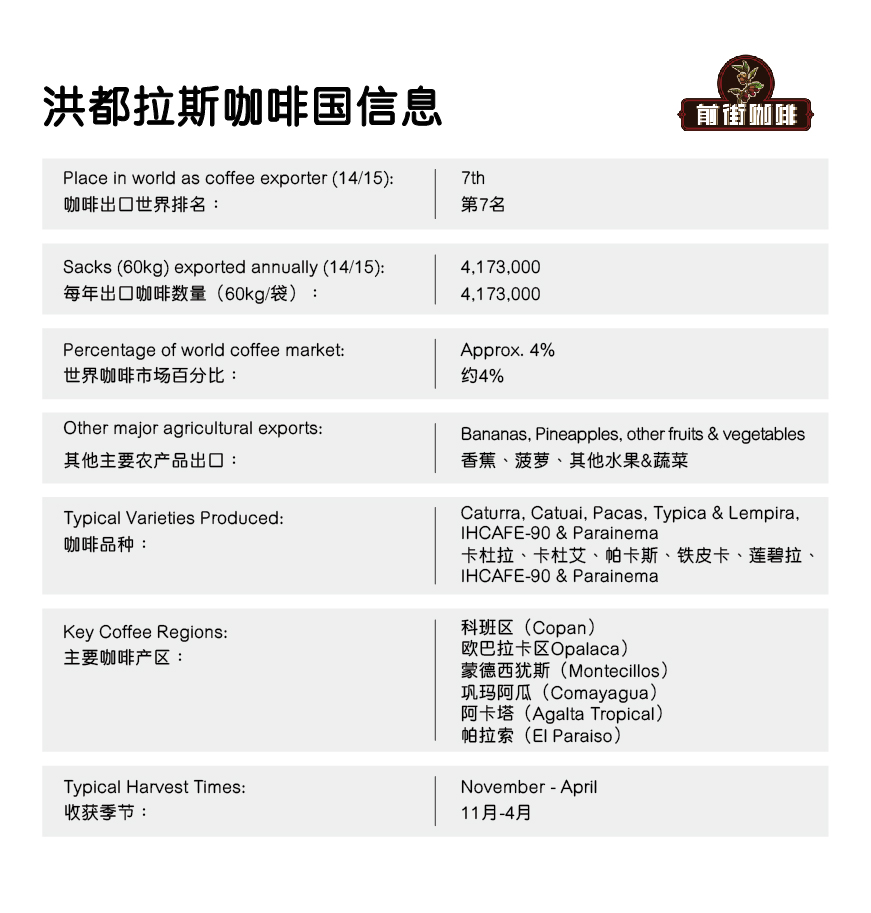
As the largest coffee producer in Central America, and when considering washed Arabica beans alone, Honduras ranks as the world’s second-largest producer. Since the early 21st century, coffee has replaced bananas as the country’s most economically valuable crop. The industry is primarily driven by numerous smallholder farmers who harvest manually, with the main production season concentrated between November and March each year. Honduran coffee can be divided into two major categories: “high-grown coffee” cultivated at elevations between 1,000 and 1,500 meters, and “strictly high-grown coffee” grown above 1,500 meters, which is the country’s highest-grade classification and is mainly exported to the United States and Germany.
The history of coffee cultivation in Honduras dates back to the late 18th century, when it was introduced by Spanish merchants. However, it wasn’t until 1804 that small-scale cultivation began. Due to a long-standing lack of transportation infrastructure connecting coffee-growing regions with ports, development was once hindered. It wasn’t until the 1970s, when the government established the official institution IHCAFE to focus on quality improvement, and the 1975 Brazilian frost that led to a global supply shortage, that Honduras experienced a production boom. Output rapidly increased from 500,000 bags to 1.8 million bags, and the country successfully entered the international market. Starting in 2004, the Cup of Excellence competition was held to further promote specialty coffee development, and by 2011, Honduras had become the largest Arabica coffee producer in Central America and the second-largest in the world.
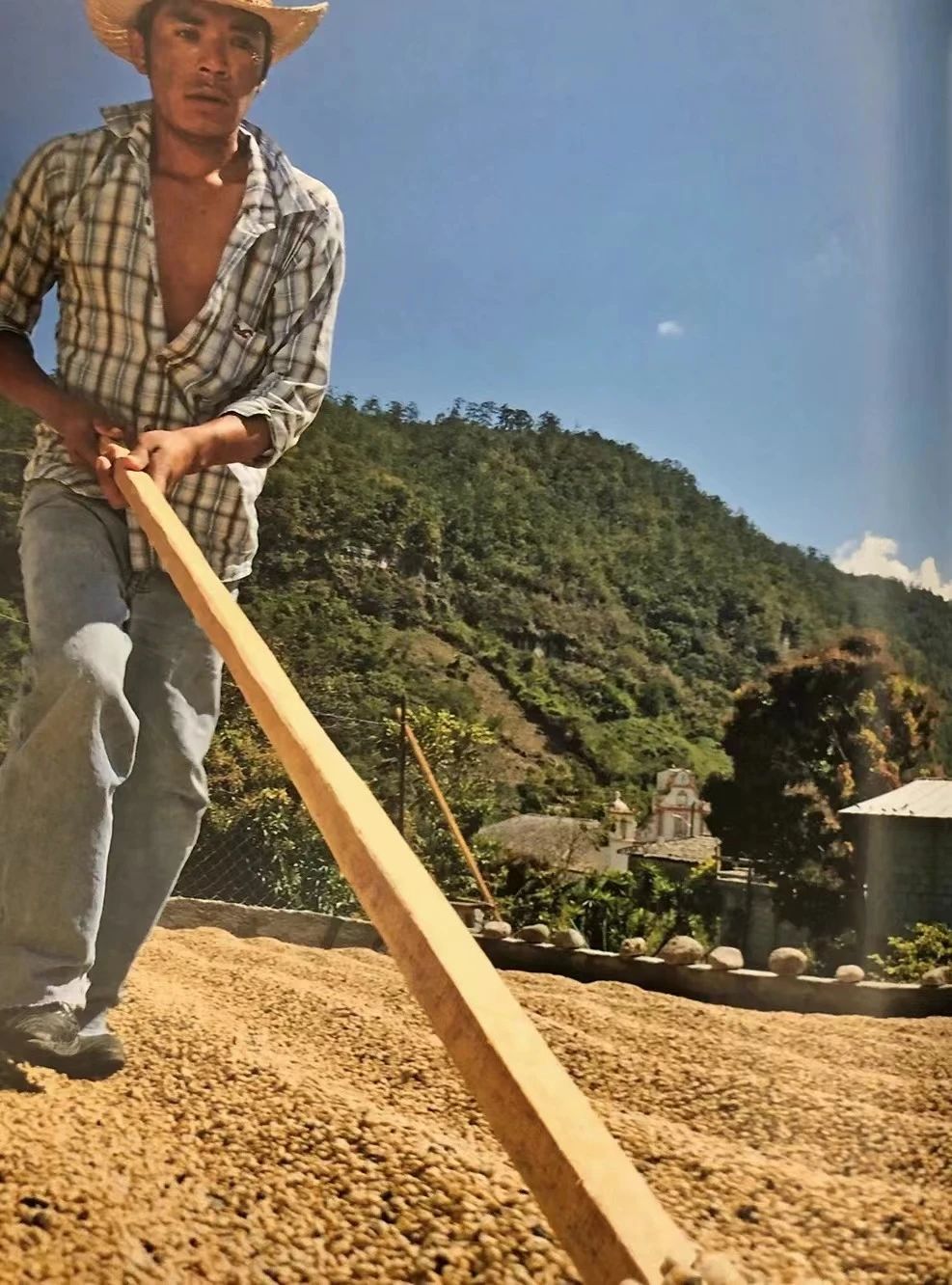
Currently, the country’s total coffee-growing area spans 280,000 hectares, dominated by small farms, with over 60% of production coming from farms smaller than 3.5 hectares. Honduran coffee is generally grown at elevations above 1,100 meters, with main varieties including Caturra, Catuaí, Pacas, and Typica. The dominant processing method is washed. The flavor profile is diverse, and high-quality lots often feature complex fruitiness, vibrant acidity, notable sweetness, and layers of flavor, occasionally with notes of nuts and toffee.
Honduras has a clear coffee grading system, categorized by growing altitude into: Strictly High Grown (SHG, above 1,200 meters), High Grown (HG, above 1,000 meters), and Central Standard (CS, above 600 meters). The six major producing regions are located in the western and southern parts of the country, including Copan, Opalaca, Montecillos, Comayagua, Agalta Tropical, and El Paraiso. Specialty coffees from these regions mostly fall under the HG and SHG grades.
1. Copan Region
Located in western Honduras, bordering Guatemala, this region sits at elevations between 1,000 and 1,500 meters, featuring a mild climate and abundant annual rainfall. Coffees from this area are known for their intense chocolatey tones, honey, and caramel sweetness, with relatively understated fruitiness.
2. Opalaca Region
Covering the provinces of Santa Bárbara, Intibucá, and Lempira, this region lies between 1,100 and 1,500 meters above sea level. The coffee produced here features delicate acidity with flavors reminiscent of tropical fruits like passionfruit and mulberry. Its finish offers a balanced sweet-and-sour profile, along with pronounced citrus and honey aromas.
3. Montecillos
Situated at the junction of La Paz, Comayagua, Santa Bárbara, and Intibucá, this region ranges from 1,200 to 1,600 meters in elevation. It is noted for its vibrant citrus and peach-like fruit aromas, bright acidity, silky-smooth mouthfeel, and a long-lasting finish.
4. Comayagua
Located in the regions of Comayagua and Francisco Morazán, at elevations between 1,000 and 1,500 meters, the coffee here is characterized by a refreshing citrus note as its main axis, blended with sweet fruitiness and a creamy, rich mouthfeel. The finish carries hints of chocolate and citrus.
5. Agalta Tropical
Spanning the provinces of Olancho, El Paraíso, and Francisco Morazán, this is a geographically dispersed yet highly biodiverse producing region. Coffees from here exhibit honey-like sweetness, distinct citrus acidity, and a pleasant aftertaste, also offering ecological tourism value.
6. El Paraiso
Located in southern Honduras, bordering Nicaragua, at elevations between 1,100 and 1,500 meters, the coffee here features a mild flavor profile with soft fruit acidity and prominent caramel aromas. The overall taste is well-balanced, making it suitable for those who prefer smoother, more mellow flavor notes.
Additionally, in the southwestern region of Honduras, in the Marcala area, there is a noteworthy micro-region—the Sweet Orange Estate. Situated at an elevation of 1,425 meters, it is renowned for its washed Catuaí variety, showcasing spicy and roasted peanut dry aromas, as well as layered notes of berries, oranges, nuts, and dark chocolate. The finish has a tea-like quality, making it a delicately nuanced specialty coffee.
Whether you’re a beginner or a seasoned coffee enthusiast, understanding the regional characteristics, processing differences, and pour over recommendations of Honduran coffee can help you better appreciate its unique charm and gain a richer sensory experience during bean selection and brewing.
The above content is compiled by CoffeeHunters, a coffee news website.


