







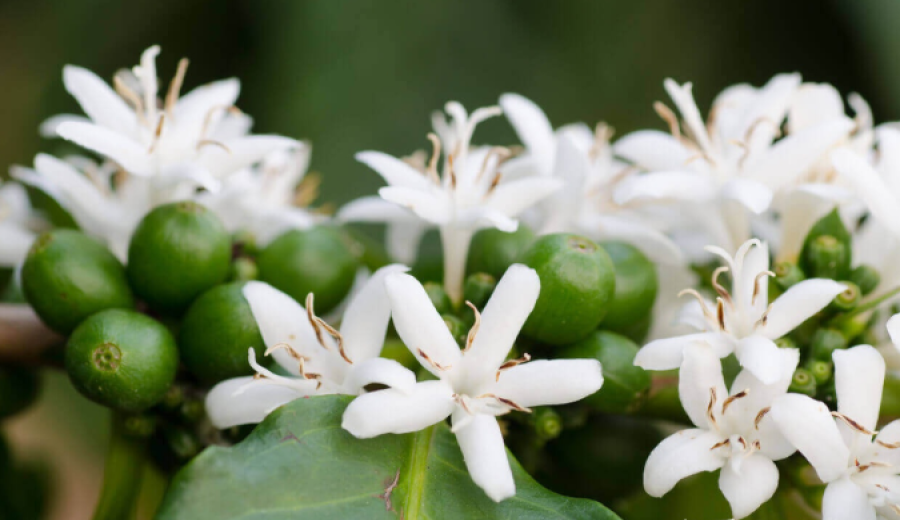
Introduction:Ethiopia is hailed as the birthplace of coffee, and its unique geographical environment has nurtured numerous renowned coffee-growing regions and distinctive flavor profiles. This article delves into the full story behind the trademark dispute between Starbucks and the Ethiopian government, and carefully selects five highly representative premium Ethiopian coffee beans from industry players—from Yirgacheffe to Gesha Village. It details each region’s altitude, processing method, and flavor profile, and provides pour over brewing parameter suggestions to help you find your perfect match.
Ethiopia is not only the origin of coffee but also a major global supplier of specialty coffee. Its high-altitude terrain and diverse microclimates produce richly layered Arabica bean flavors. Although Starbucks once promoted its “commitment to origin” to support coffee-producing regions, it became embroiled in a years-long legal and commercial battle when the Ethiopian government attempted to trademark iconic regions such as Sidamo and Yirgacheffe.
Starting in 2006, the Ethiopian government applied to the United States Patent and Trademark Office to register the regional names “Sidamo,” “Harar,” and “Yirgacheffe” as trademarks, aiming to enhance coffee farmers’ bargaining power through branding. However, major brands like Starbucks argued that this would affect the operation of their global supply chains, and the two sides remained at an impasse. In fact, Ethiopian coffee farmers were selling their beans to Starbucks for only about $0.75 per pound, while Starbucks’ retail price could reach up to $13 per pound—a markup of 34 times—which drew international public attention.
After multiple rounds of negotiation, on May 9, 2007, Starbucks finally reached a consensus with the Ethiopian government, agreeing to correctly label and respect the names of the country’s distinctive coffee-growing regions and related intellectual property rights on its product packaging. This trademark battle not only secured more rights for Ethiopian coffee farmers but also raised global consumer awareness of sustainable and fair trade issues related to coffee origins.
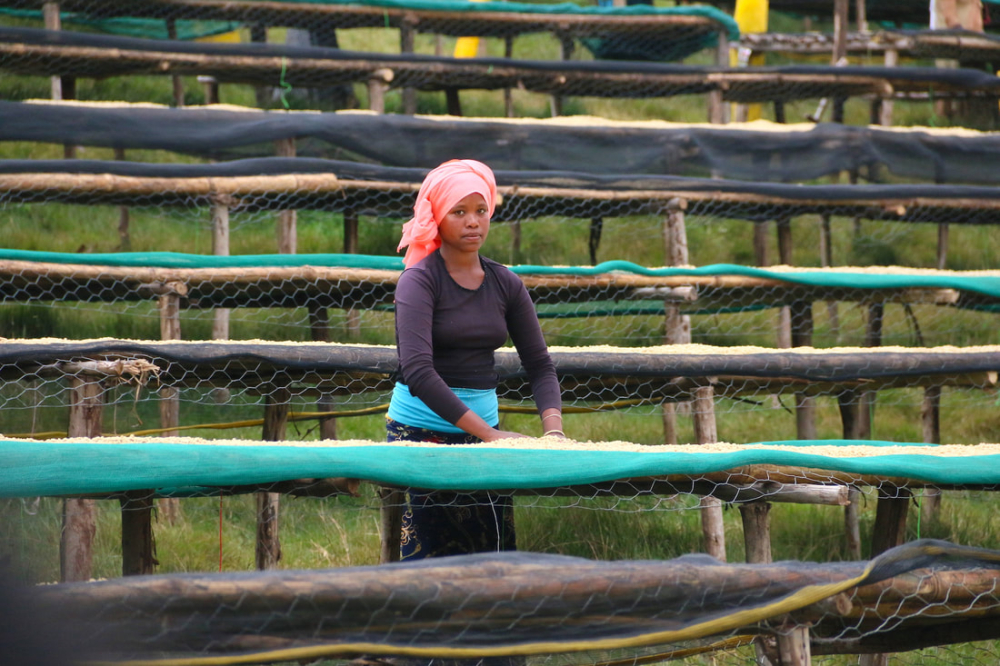
For coffee enthusiasts, understanding the unique processing methods and roasting styles of each region is key to exploring flavor profiles. The company, with its long-term commitment to the specialty coffee market, offers a selection of five Ethiopian beans—ranging from bright fruity notes to rich berry tones—each with distinct characteristics, making them perfect for trying out or diving deep into the world of pour over coffee.
First up is the “Fruity Dingding Coffee Beans,” sourced from the Gedeo Zone in Yirgacheffe, grown at altitudes between 1,900 and 2,300 meters, using Ethiopian heirloom varieties and the washed processing method. This bean features a flavor profile dominated by citrus, black tea, and caramel, with a finish of almond and green tea. It boasts bright acidity and clear layers, ideal for those who enjoy tea-like qualities and fresh fruit notes. Recommended for medium-light roasting, use a water temperature of 90–92°C when pour over brewing, with a grind size similar to fine sugar and a brew ratio of 1:15. Multi-pour extraction can better highlight its citrus and floral characteristics.
Next is the “Red Cherry Coffee Beans,” also from the Yirgacheffe region, specifically from the Aletaran washing station, grown at an even higher altitude of 2,300 meters. This bean is processed using the natural (sun-dried) method, enhancing berry, fruity fermentation aromas, and honey sweetness. It has a round mouthfeel and a buttery texture. Whether hot-brewed or cold-brewed, it showcases intense tropical fruit flavors, making it an ideal choice for coffee lovers who enjoy bold fruitiness and pronounced sweetness.
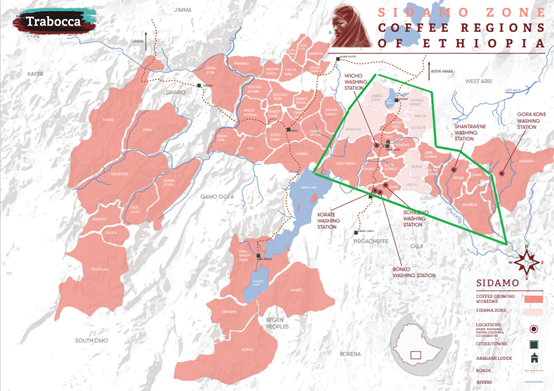
The third offering, “Huakui Coffee Beans,” comes from the Buku Able washing station in the Guji-Hambela region, grown at an altitude of approximately 2,250 to 2,350 meters. The natural processing gives it a rich creamy berry character, with a flavor profile that includes citrus, strawberry, passionfruit, and fermentation notes, paired with a hint of black tea base. It has a full body and distinct layers. Dubbed a “versatile bean,” it suits various brewing methods and is easy for both beginners and advanced users to explore its flavor potential.
The fourth bean, “Kafa Forest Coffee Beans,” hails from the Kafa Forest region, grown at altitudes between 2,000 and 2,300 meters, also using Ethiopian heirloom varieties and washed processing. This bean features main aromas of bergamot, white floral notes, orange, and apricot, paired with a creamy body and a balanced flavor with a long-lasting finish. It is recommended to slightly extend the blooming time during pour over brewing to better express its flavors, especially suitable for those who enjoy a combination of floral-fruity and nutty notes.
Finally, the “Gesha Village Chaka Coffee Beans” come from the renowned Gesha Village estate in the Banko Gotiti region, grown at altitudes between 1,500 and 2,000 meters. The varieties include Gesha 1931, Gori Gesha, and Illubabor. This bean offers a flavor profile centered around berries, oolong tea, and lemon, representing a classic high-altitude Gesha expression. It is ideal for advanced coffee enthusiasts seeking unique exotic characteristics. For pour over brewing, a finer grind is recommended, with water temperature slightly reduced to 88–90°C to preserve its delicate tea-like quality and balanced fruit acidity.
The above content is compiled by CoffeeHunters, a coffee news website.


