








Introduction:For beginners who are just getting into coffee, the French press is one of the most beginner-friendly and easy-to-use brewing tools. This article provides a detailed breakdown of the immersion brewing principle of the French press, introduces its unique flavor characteristics, and offers practical guidelines on coffee-to-water ratio, water temperature control, grind size, and a complete brewing process. Using the classic Costa Rican Mozart coffee beans as an example, it will guide you through how to brew a cup of rich and full-bodied coffee with a simple tool.
For coffee beginners who have not yet mastered pour over techniques, if you're looking for a simple and easy-to-use brewing device, the French press is definitely one of the top choices. This coffee tool, which originated in the mid-19th century, is not only intuitive to operate but also fully showcases the original flavors of the coffee beans, making it especially suitable for users who want to easily brew a cup with a rich mouthfeel.
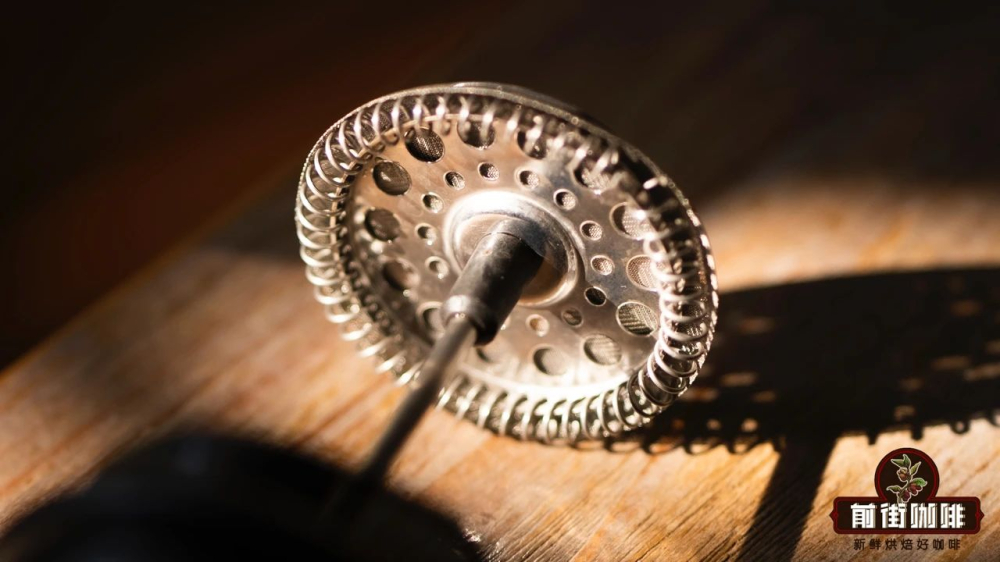
The brewing principle of the French press is relatively simple, mainly relying on the "immersion" method where hot water fully contacts the coffee grounds, slowly releasing the flavor compounds within. Its structure typically consists of a heat-resistant glass carafe and a plunger with a metal filter at the bottom. This design was originally intended for brewing tea, but after it was unexpectedly discovered that it could also produce rich coffee, it gradually became popular among coffee enthusiasts.
During the French press brewing process,water temperature, grind size, and steeping timeare the three key factors that affect the extraction results. The generally recommended water temperature range is 88°C to 91°C, and the grind size tends to bemedium-coarse, similar in texture to sea salt. This helps avoid over-extraction while also allowing the coffee's flavors to be more balanced. The most classic steeping time is 4 minutes, and should not exceed 6 minutes, in order to prevent extracting too many impurities and undesirable flavors.

Some readers may worry that long steeping times might make the coffee bitter or bring out unpleasant tastes. In fact, as long as you control the water temperature and time properly, and use the appropriate grind size, the French press can actually steadily extract the sweetness and richness of the coffee. Due to the larger pore size of the metal filter, it not only retains more coffee oils but also makes the mouthfeel more rounded and full.
Compared to drip-style pour over coffee, coffee brewed with a French press is usually morerich and full-bodied. This is because the metal filter does not filter out as much coffee oil and fine suspended particles as paper filters do, resulting in a smoother taste and making it easier to perceive the layers of the coffee itself. However, due to this characteristic, you may occasionally notice a bit of coffee sediment at the bottom, which is normal.
In addition, the brewing method of the French press is quite similar to professional cupping, as both rely primarily on immersion and involve relatively few human interventions. This means it can more directly reflect the unique characteristics of the coffee beans, including the terroir of the origin, the flavors brought by the processing methods, and the depth of the roast. The main influencing factors in the French press aregrind size, water temperature, and steeping time, making it easier to use with a lower barrier to entry—perfect for everyday brewing.
Next, we’ll use a coffee bean from Costa Rica’s Musician Series, the “Mozart,” as an example to demonstrate how to brew a cup of coffee with distinct flavors using a French press. This bean has prominent dried fruit fermentation notes, white floral aromas, and a balanced sweet-and-sour berry profile, making it highly suitable for showcasing the extraction charm of the French press.
The recommended brewing parameters are as follows: coffee grounds 15 grams, coffee-to-water ratio of 1:15, using a total of 225 millilitersof water, with water temperature controlled at 90°C, grind size at medium, approximately 20-mesh standard sieve with 82% passing rate in coarseness, and a steeping time set to 4 minutes.
In terms of steps, first you can preheat the French press with warm water, which helps maintain temperature stability during extraction. Then, add the ground coffee into the pot, and quickly pour in hot water. It’s recommended to pour with a relatively fast flow rate and finish within about 3 seconds, which helps agitate the coffee grounds adequately and improve overall extraction evenness. After pouring, gently lift the filter, put the lid on, and let it steep for 4 minutes.
When the time is up, gently press down the plunger. It’s advised to only press it down to about 1/4 of the way into the pot to avoid the fine grounds at the bottom being forced back into the coffee liquid due to pressure. Finally, pour the coffee into your cup and enjoy.
Under the French press brewing method, these Costa Rican Mozart coffee beans exhibit a rich raisin fermentation aroma, with a bright berry juice-like entry on the palate, accompanied by the fresh scent of orange blossom. The acidity is soft, with a sweet-and-sour balance reminiscent of pineapple. The overall flavor profile is well-layered, making it a classic combination perfect for experiencing the charm of the French press.
The above content is compiled by CoffeeHunters, a coffee news website.


