







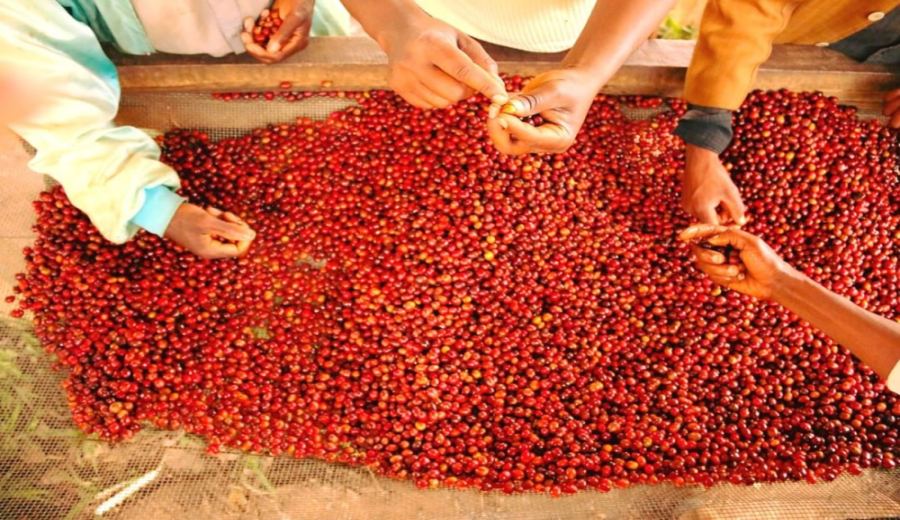
Introduction:Yirgacheffe is one of Ethiopia’s most iconic specialty coffee regions, beloved for its distinctive citrus notes and floral-fruity aromas. This article delves into the evolution of the Yirgacheffe region, the distribution of its micro-regions, and the ECX grading system, while also providing a detailed comparison between washed and natural processing methods in terms of appearance, flavor, and extraction. It further offers light roast recommendations and practical V60 pour over parameters, along with complete brewing procedures and flavor profiles for both processing styles—making it an essential guide for beginners and enthusiasts alike seeking to deepen their understanding of Yirgacheffe coffee.
As the birthplace of Arabica coffee, Ethiopia holds a pivotal position in the global specialty coffee market. Among its regions, Yirgacheffe is not just a place name but has become synonymous with a classic flavor profile. Once a sub-region of Sidamo, it gained independent recognition as a prominent coffee-growing area, thanks to its outstanding citrus acidity and delicate floral notes. The high-altitude plateau, approximately 2,000 meters above sea level, combined with family-based farming practices, contributes to the unique flavor characteristics of Yirgacheffe coffee.
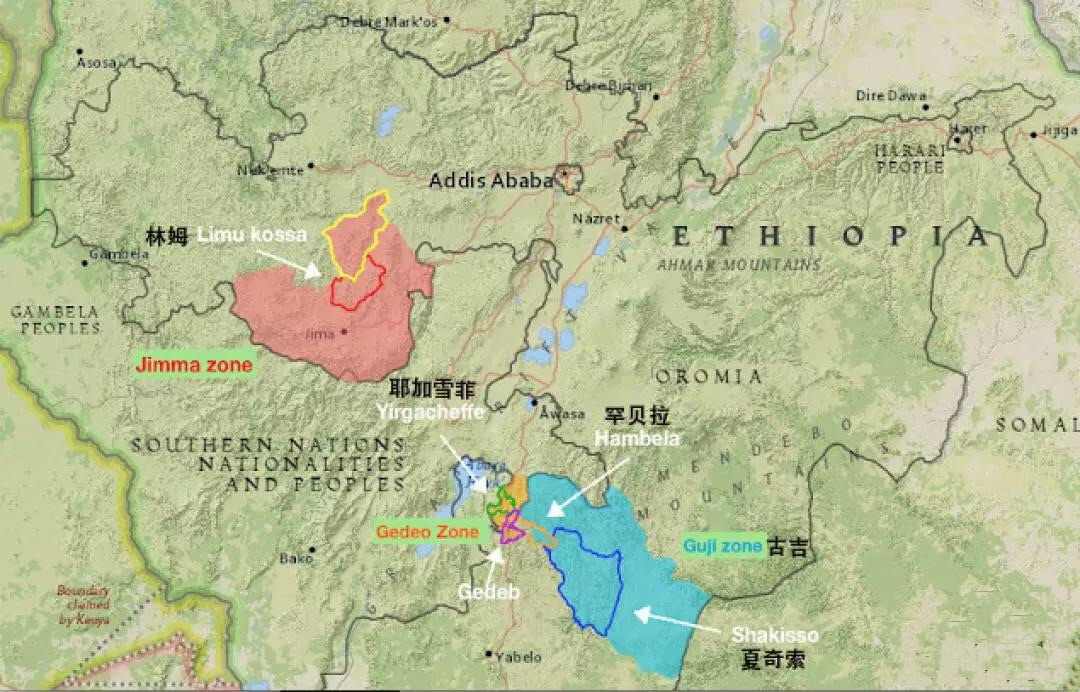
Within Yirgacheffe, there are several well-known micro-regions, such as Kochere, Guji, and Gedeb, each imparting distinct personality traits to the beans due to variations in microclimate and processing methods. The coffees produced by cooperatives in these micro-regions often become sought-after lots in auction markets and are a top choice for coffee enthusiasts eager to explore new flavors.
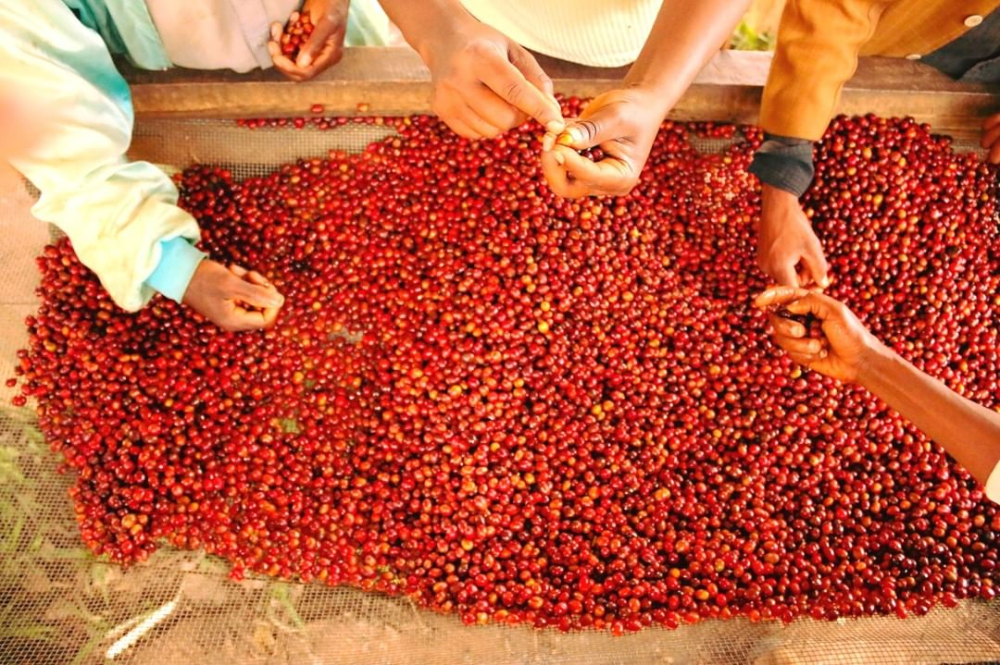
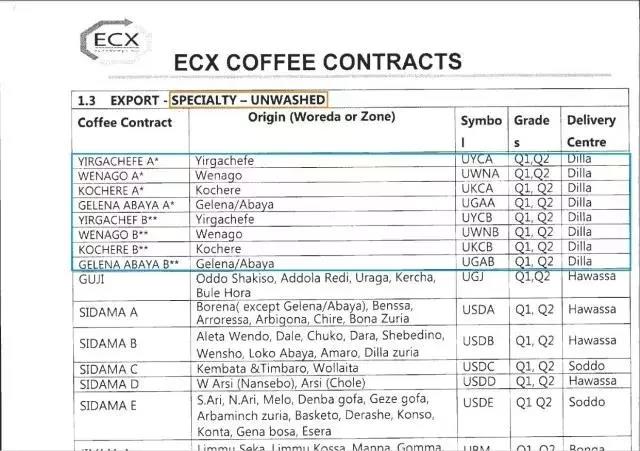
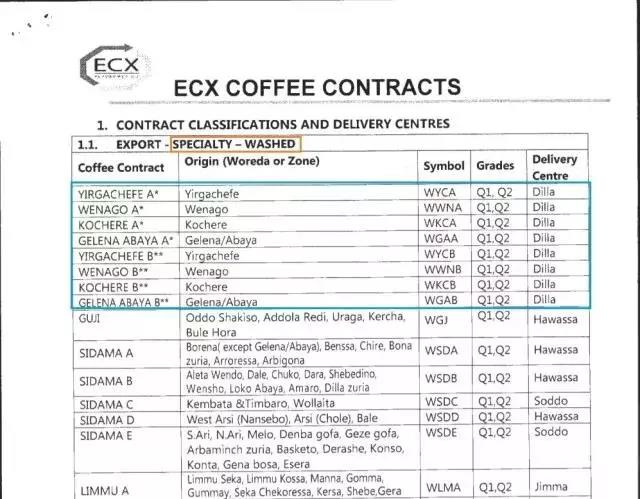
Yirgacheffe coffee beans are predominantly local landrace varieties, typically small and round in shape, usually falling between 14 and 15 screens. According to the grading system established by the Ethiopian Commodity Exchange (ECX), beans are first categorized into five grades based on defect rates. For example, samples with no more than 3 defects per 300 grams are classified as Grade 1 (G1), the highest grade; those with 4 to 12 defects fall under Grade 2 (G2).
Beyond defect rate, the ECX also evaluates G1 and G2 beans using SCA (Specialty Coffee Association) cupping standards. Beans scoring 85 points or higher are designated as Q1 grade, representing top-tier specialty coffee; those scoring between 80 and 84.75 are classified as Q2 grade, still of considerable quality. This dual grading mechanism ensures the quality and consistency of exported coffee beans.
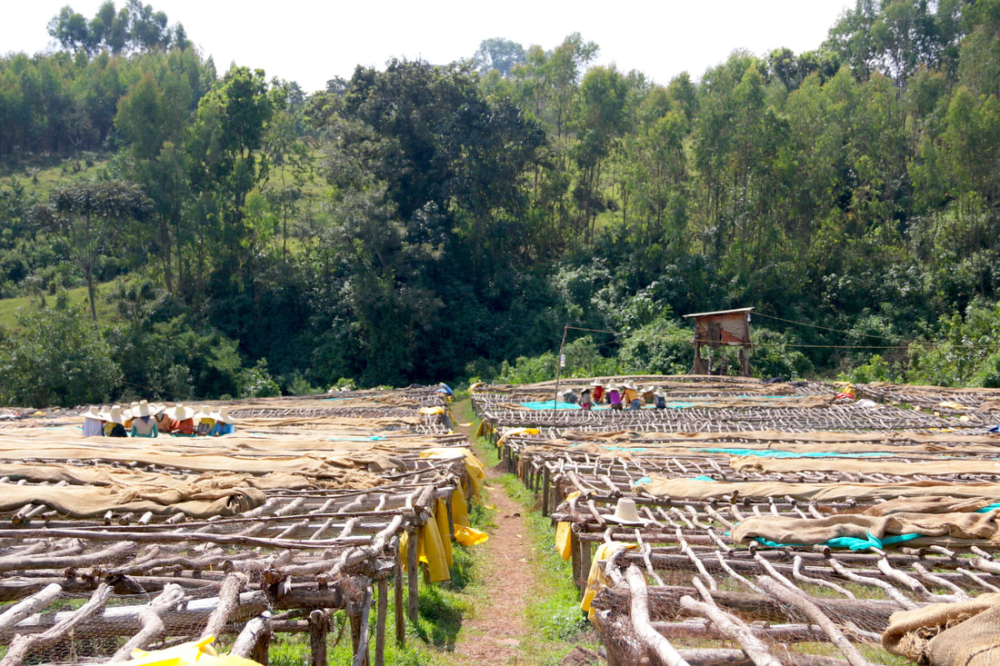
In terms of processing methods, Yirgacheffe coffee is primarily divided into two categories: natural (sun-dried) and washed. Traditionally, Ethiopia favored sun-dried processing, but since the introduction of washed techniques in 1972, the proportion of washed beans has gradually increased. Washed processing effectively removes pulp impurities, resulting in a cleaner, brighter cup with more pronounced acidity, whereas natural processing retains the influence of fruit fermentation, lending the coffee richer sweetness and greater complexity.
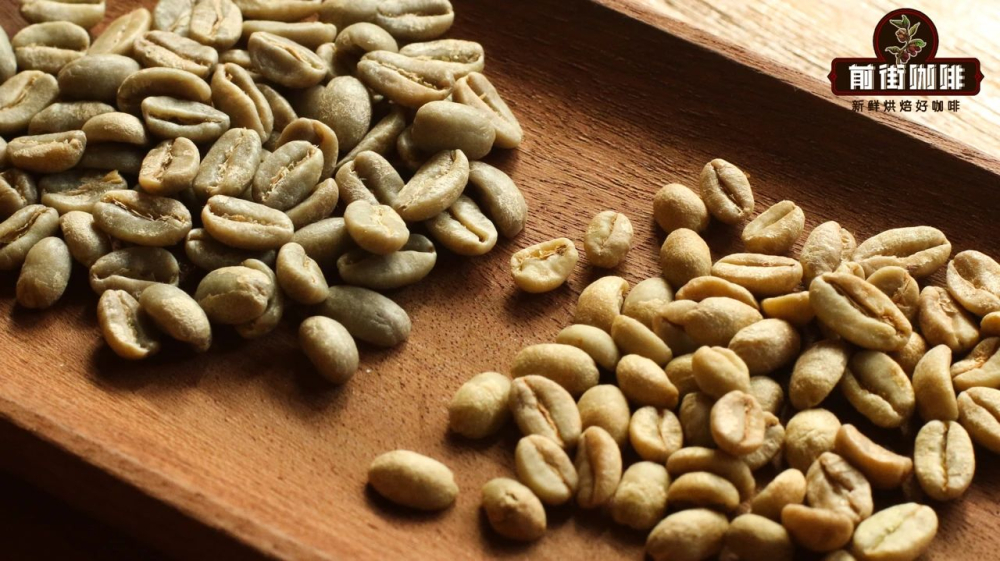
Visually, washed green beans typically exhibit a vivid green color with clearly visible silver skins, while natural beans tend to be more yellowish-green with minimal or no visible silver skin. After roasting, washed beans shed their silver skin easily, resulting in a smoother surface, whereas natural beans, due to the drying process with attached pulp, have a rougher surface and almost no silver skin remaining. These differences not only affect appearance but also directly influence the flavor profile of the brewed coffee.
Regarding roast recommendations for Yirgacheffe coffee, most professional roasters advocate for a light roast to fully showcase its delicate acidity and vibrant fruity-floral notes. Light roasting preserves the bean’s inherent regional characteristics, allowing both washed and natural beans to express their purest flavor profiles at this roast level. While medium-dark roasts can bring out a fuller body, they often mute acidity and alter the original flavor balance, which is why the light roast remains the mainstream preference.
For brewing suggestions, light-roasted Yirgacheffe is well-suited for the V60 dripper, with a recommended water temperature of around 90°C, a brew ratio of 1:15, using approximately 15 grams of coffee. The grind size is recommended as BG#5F (approximately 80% through a Chinese 20-mesh sieve). It’s particularly important to note that grind size significantly impacts extraction efficiency and flavor expression—pre-sieving is advised to ensure particle uniformity. Without a sieve, you can observe the flow rate during pouring: if the water flows too quickly, the grind may be too coarse; if too slow, it may be too fine.
A staged extraction method is recommended: start with a 30-gram bloom for 30 seconds, then pour in a circular motion to reach 125 grams, wait for the water level to drop, and continue pouring to 225 grams. The total brew time should be controlled around 2 minutes. This approach helps achieve even extraction, avoiding over- or under-extraction, while highlighting the coffee’s layers and nuances.
[Washed Yirgacheffe Coffee] features a bright, crisp acidity with prominent lemon and citrus notes, offering a clean and refreshing mouthfeel, with a tea-like softness in the aftertaste—ideal for those who enjoy clean acidity and a comfortable drinking experience.
[Natural Yirgacheffe Coffee], on the other hand, presents more intense fermented aromas, with a rich flavor profile that blends citrus, honey, and cocoa sweetness. It delivers a full-bodied cup with a long-lasting finish, perfect for coffee lovers who prefer sweet, complex flavors.
In summary, whether washed or natural, Yirgacheffe coffee boasts standout fruit acidity and juicy characteristics, reminiscent of the refreshing qualities of citrus fruits like lemon and orange. By understanding the regional background, processing differences, and appropriate brewing parameters, one can more precisely appreciate the unique charm of this classic origin.
The above content is compiled by CoffeeHunters, a coffee news website.


