







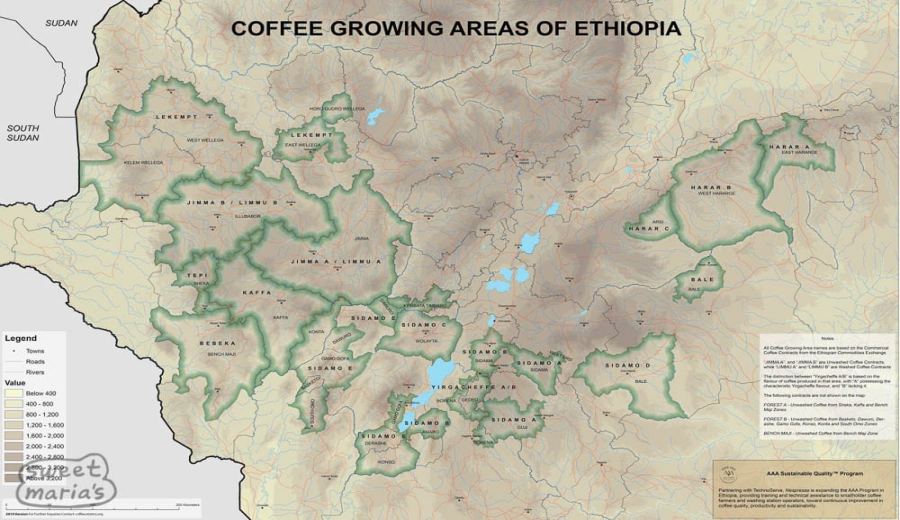
Introduction:Yirgacheffe and Sidamo in Ethiopia are two of the most frequently compared classic coffee regions among specialty coffee enthusiasts worldwide. Though both belong to the same country, their differences in altitude, climate, variety, and processing methods give rise to distinctly unique coffee profiles. This article delves into the regional characteristics, representative flavor notes, processing techniques, and offers practical pour over recommendations and popular bean selections to help you find your perfect match.
When it comes to top-tier Ethiopian specialty coffee, Yirgacheffe and Sidamo are undoubtedly two regions that cannot be overlooked. These areas not only enjoy global renown in the coffee market but also serve as popular single-origin choices for many coffee beginners due to their distinctive flavor profiles. However, where Yirgacheffe is famed for its bright citrus notes and delicate floral aromas, Sidamo showcases a rich medley of berries, fermentation scents, and diverse terroirs—the contrast between the two is striking and well worth exploring.
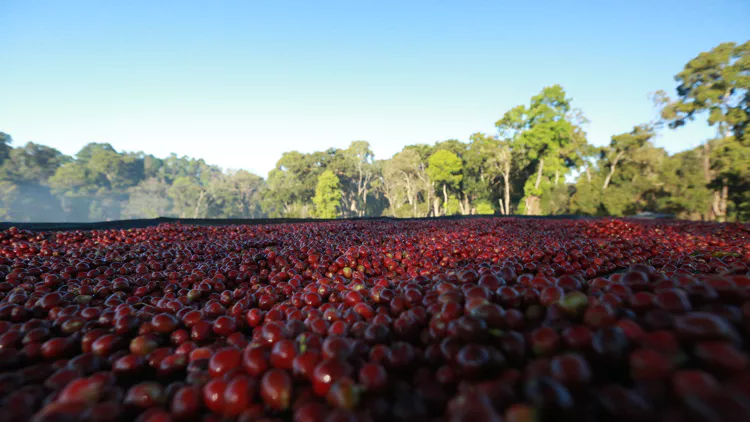
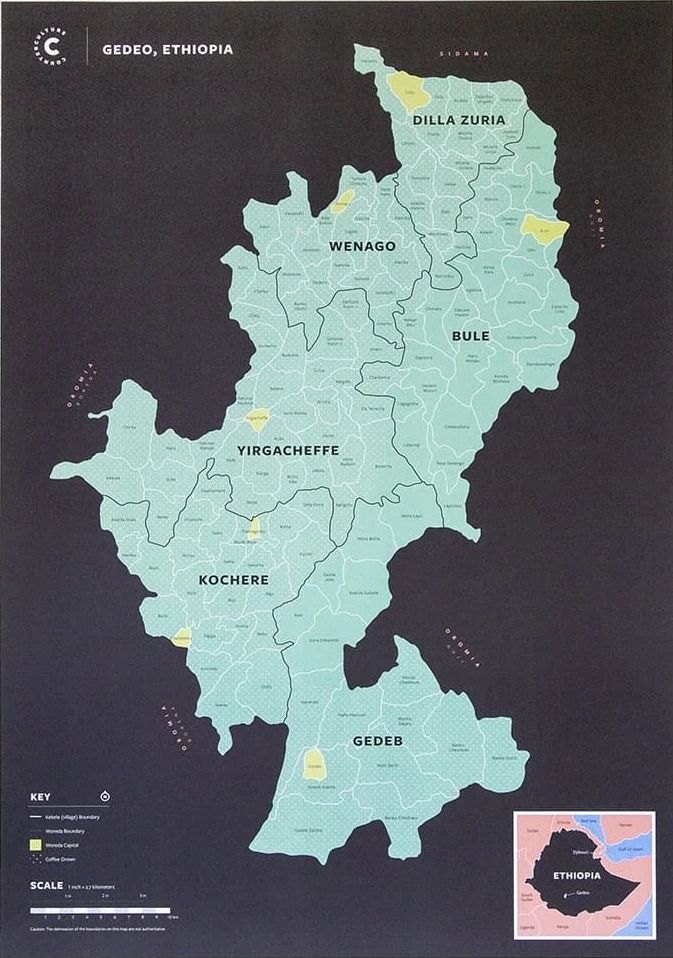
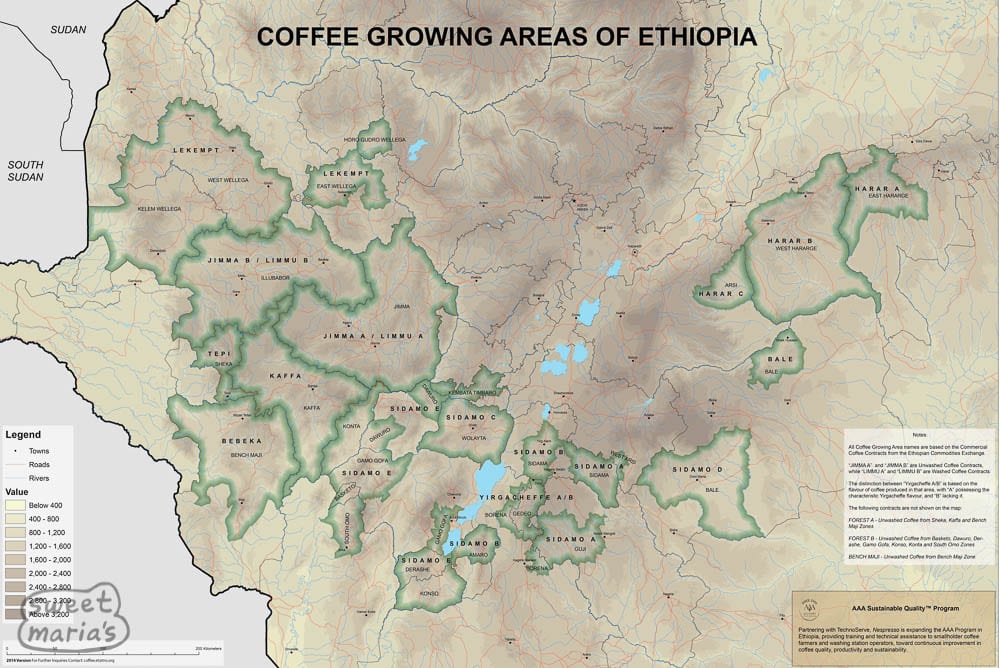 Although administratively just a small town in southern Ethiopia, Yirgacheffe’s influence as a coffee region extends far beyond its geographical boundaries. Originally part of the larger Sidamo region, it was later designated as an independent coffee-producing zone due to its exceptionally outstanding cup quality. Yirgacheffe encompasses several legally defined regions including Wenago, Kochere, and Gelana Abaya, with elevations generally around 2000 meters, placing it within a typical high-altitude growing belt. The significant diurnal temperature variation, ample rainfall, and fertile soils at high altitudes contribute to the region’s uniquely delicate coffee flavors. Among these, the local Kurume variety has evolved under unique soil and climatic conditions, making it an indigenous cultivar and a key genetic contributor to Yirgacheffe’s signature flavor profile.
Yirgacheffe GuDingDing is one of the region’s most representative examples of both washed and natural processing styles. Produced by the GuDingDing Cooperative in the Gedeo zone of Yirgacheffe, established in 2012 by a group of smallholder farmers formerly part of the Wolkite Cooperative, it now has around 300 members and places strong emphasis on traceability and mature processing techniques. This coffee is grown at 1900 to 2300 meters above sea levelusing native varieties, and processed via the natural method to deliver intense citrus and black tea dominant notes. As it cools, subtle undertones of cream, caramel, and almond emerge, resulting in a clean and layered cup profile. If you enjoy Ethiopian coffees with tropical fruit characteristics, you might also want to try their Red Cherry Coffee Beans, which are naturally processed at the Aletaran washing station at elevations up to 2300 meters. These beans exhibit bright citrus, berry, and fermentation aromas, coupled with honey-like and creamy mouthfeel, performing excellently whether brewed hot or cold.
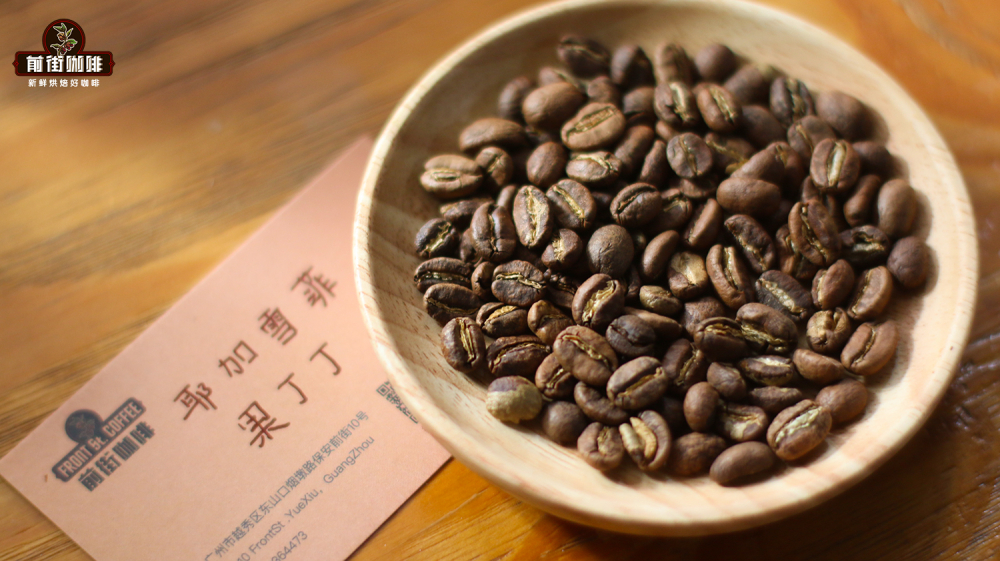
 In contrast to the bright and vibrant profile of Yirgacheffe,the Sidamo region offers a more diverse, layered flavor with a touch of wild charm. Located in southern Ethiopia near the Kenyan border, Sidamo’s elevation ranges approximately between 1400 to 2200 meters . The terrain is complex, spanning from high mountains to valleys, and the area features deep volcanic soils rich in organic matter—ideal conditions for coffee cultivation. Sidamo coffee beans are typically small, oval-shaped, and appear light green after washing. They not only have a solid appearance and rich aroma but also leave a particularly long-lasting aftertaste.
When mentioning classic Sidamo flavors,HuaKui Coffee Beans are a top choice for many coffee enthusiasts. Produced at the Buku Able washing station in the Guji-Hambela region, these natural beans are grown at 2250 to 2350 metersand processed using Ethiopian native varieties. They present enticing aromas of strawberry, passionfruit, and citrus, paired with a smooth black tea-like base note. The cup is mellow and suitable for various brewing methods, making it a versatile “all-rounder” option. For those wishing to explore more localized Sidamo profiles,Hamashu Coffee Beans are also not to be missed. Sourced from Hamashu Village in the northern part of Bensa Town, these 74158 variety beans are naturally processed and grown at high altitudes in fertile, organic soils. They deliver a sweet cup with notes of strawberry, guava, sweet orange, honey, and green grapes, showcasing the rich terroir expression of Sidamo.
 How can these distinctly flavored Ethiopian beans be brewed to fully express their characteristics? It is recommended to use freshly roasted coffee beans within 4 to 7 daysof roasting, as this period represents the peak window for optimal flavor activity. Additionally, since both Yirgacheffe and Sidamo are high-altitude hard beans, it is advisable to use slightly higher water temperature (around 90 to 91°C) and a slightly finer grind size (close to caster sugar, roughly 80% through a #20 mesh sieve), both of which aid in fully extracting the layers of flavor.
Here are some practical V60 pour over parameters: Use a V60 #01 filter cone, with a 15-gram coffee dose. The suggested brew ratio is 1:15[ratio not specified] Begin with a 30-second bloom using30 grams of water , followed by pouring95 grams of water (total around 125 grams) , then add the remaining100 grams of water (totaling approximately 225 grams) around the 1-minute mark. Aim for a total brew time of about 2 minutes and 10 seconds
. This setup helps highlight the bright citrus acidity and berry sweetness of Yirgacheffe, while also accentuating the fruity and fermented notes of Sidamo.
The above content is compiled by CoffeeHunters, a coffee news website.


