







Introduction:Mastering the grind size setting for espresso is a key step in brewing great coffee. This article explains in detail how to find the optimal flavor balance by adjusting grind fineness, extraction time, and coffee-to-water ratio. From basic parameter settings to practical tuning techniques, it guides you step-by-step in optimizing espresso extraction while avoiding common pitfalls.
Many coffee enthusiasts notice that different brewing methods have vastly different requirements for coffee grind size. Methods like pour over, French press, siphon, or cold brew typically use a coarseness similar to sugar granules. However, making espresso requires an extremely fine powder, with a texture between flour and fine sand. Because this ultra-fine grind is difficult to define by a single fixed standard, in practice, it often requires adjusting the grind setting based on extraction parameters. This article will delve into the principles of espresso grind size settings, analyze the relationship between extraction time and particle fineness, and explain how to determine the correct grind direction using preset coffee-to-water ratios, pressure, and water temperature. It also shares the actual calibration logic used by professional coffee shops when dealing with new espresso beans or changing grinders, helping you fully master the adjustment process from parameter settings to final flavor evaluation.
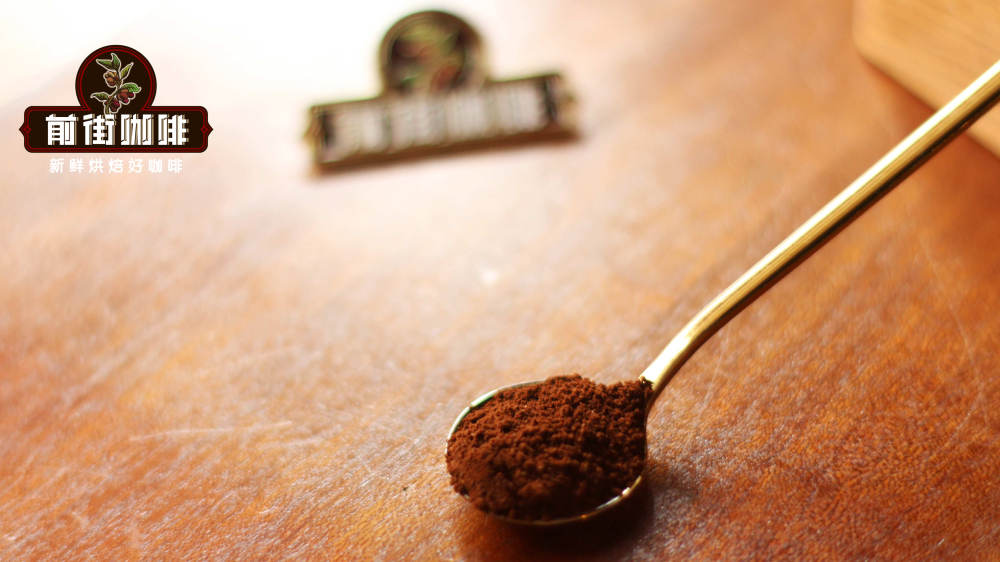
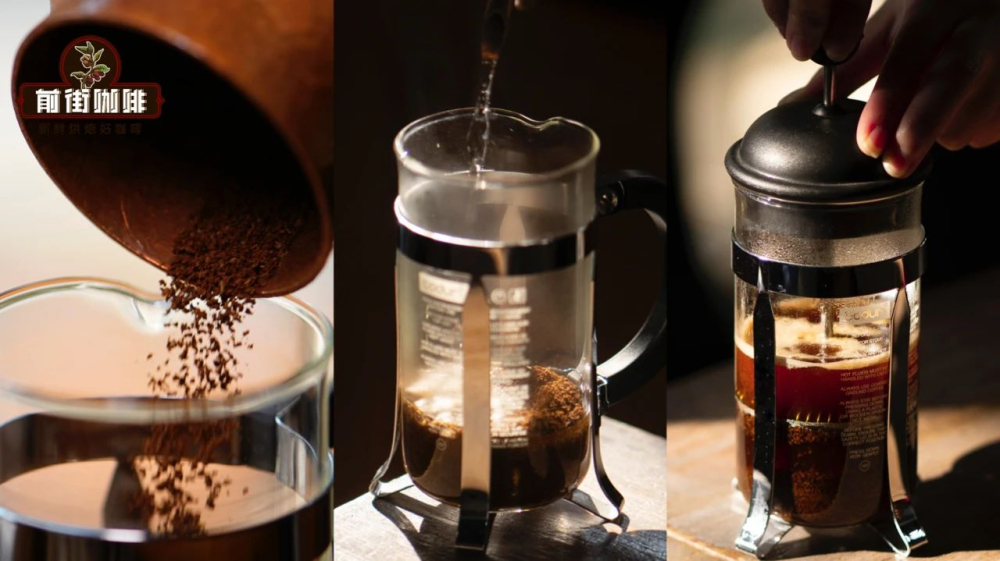
By carefully observing the brewing process in coffee shops, you’ll notice that although brewing methods vary widely, if categorized by coffee grind fineness, they can generally be divided into two main types. The first type has a grind similar to sugar granules, suitable for pour over coffee, French press, siphon, and cold brew. The second type is an extremely fine grind between flour and fine sand—this is the grind size used for making espresso. Due to the extremely fine particles, it’s hard to rely on a single device to provide a unified standard, so it’s usually necessary to make a comprehensive judgment by combining multiple extraction parameters.
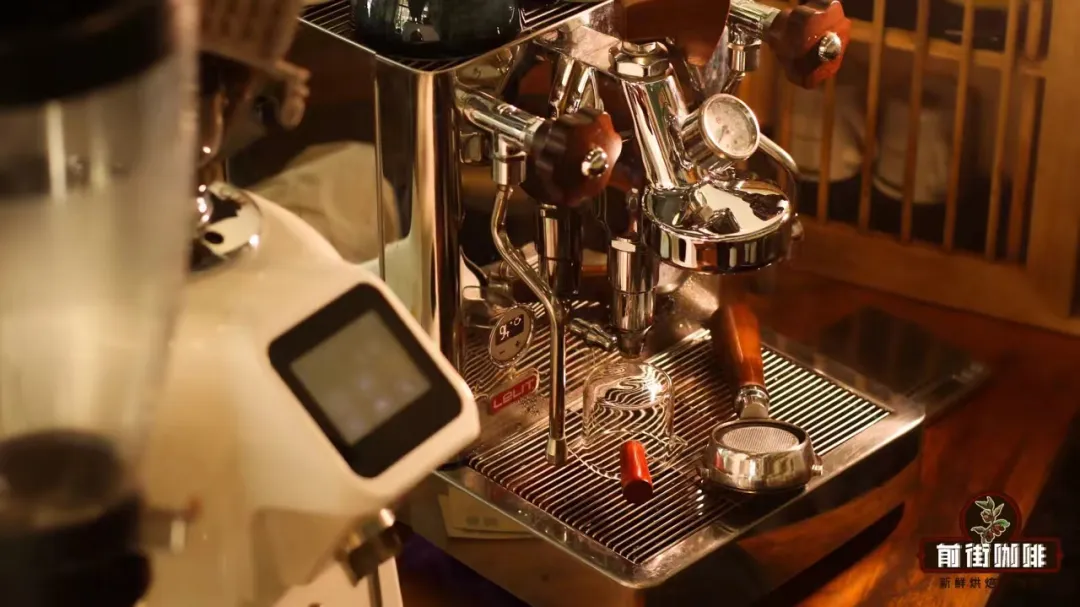
So, how do you accurately set the grind size for espresso? According to the definitions of the Italian Espresso National Institute and the World Barista Championship (WBC), a qualified espresso should be brewed at 9 atmospheres of pressure, with water at 90.5–96°C, extracting about 30 milliliters (1 ounce) of coffee liquid with golden crema in 20–30 seconds.
Although this definition does not directly specify how fine the grind should be, as long as you understand the relationship between time and grind size, determining the appropriate grind is not actually difficult. Assuming even distribution and moderate tamping, the finer the coffee is ground, the slower the water will pass through, thus lengthening the extraction time. If not adjusted in time, the flavor can easily become overly bitter and over-extracted. Conversely, if the grind is too coarse, the water flows faster, shortening the extraction time, and the coffee may turn out sour due to under-extraction.
Therefore, many professional shops use a systematic method to set the grind size when trying an unfamiliar espresso bean for the first time or after changing to a new grinder. First, they establish a basic brewing plan. For example, a common preset might use 20 grams of coffee grounds (the exact amount depends on the portafilter basket capacity), with a 1:2 coffee-to-water ratio, yielding 40 grams of coffee liquid (weight is used instead of volume because it’s more accurate, and the volume of crema is not proportional to its weight). At the same time, the pressure is fixed at 9 bar, and the water temperature is set to 93°C. Under these conditions, you only need to gradually adjust the grind size to bring the extraction time within the desired range. It’s worth noting that some grinders have a dosing chamber, and after each fine adjustment, it’s essential to thoroughly clean any residual coffee grounds to avoid affecting the accuracy of subsequent tests.
Once you’ve adjusted to your ideal time range, don’t rush to conclusions. The ultimate goal is to pull a shot of espresso with balanced and enjoyable flavors. At this point, you should conduct an actual tasting, carefully assessing whether any undesirable flavors such as bitterness, excessive acidity, or watery notes appear, and check whether the unique characteristics of the coffee bean are fully expressed. If the flavor profile is not as expected, besides re-adjusting the grind size, you may also need to revisit other extraction parameters. After all, the initial parameter settings are often based on past experience, and when facing a completely new bean variety, these presets may not be entirely suitable.
For example, when testing a Colombian Gesha SOE (single origin espresso bean), if the grind size and flow rate are well controlled, the coffee will showcase rich flavors of grape, passion fruit, and citrus. But let’s say the grind size is correctly adjusted, and using 20 grams of coffee to produce 40 grams of liquid takes 30 seconds, yet you detect a slight burnt bitterness during tasting. In this case, you could try reducing the coffee dose by 0.2–0.5 grams to slightly speed up the water flow, thereby making the desirable flavors more prominently shine through.
In summary, to determine whether the espresso grind size is appropriate, the first step is to confirm that the extraction parameters—including time, pressure, and temperature—are within reasonable ranges. The second step is to evaluate through actual tasting whether the coffee’s flavor performance meets expectations. If the flavor is unsatisfactory, further fine-tuning of the various parameters is needed to ultimately brew the ideal shot of espresso.
The above content is compiled by CoffeeHunters, a coffee news website.


