







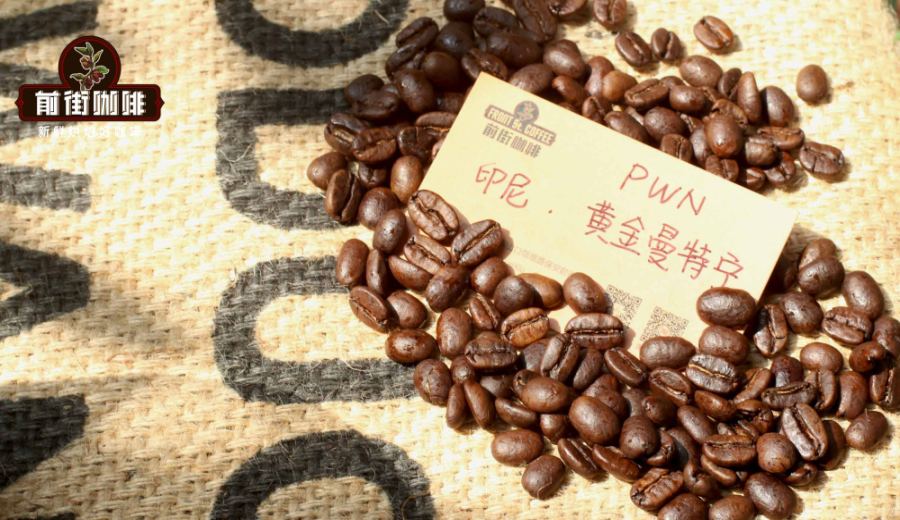
Introduction:As one of the representative coffees from Sumatra, Indonesia, Golden Mandheling has secured its place in the global specialty coffee market with its unique flavor profile that is rich, full-bodied, yet not without a natural sweetness. Many people mistakenly equate full-bodied with bitterness, but in fact, high-quality Mandheling can leave a caramel-like aftertaste on the palate. This article will delve into the growing region, variety characteristics, wet-hulled processing method of PWN Golden Mandheling, and provide practical pour over parameters and real cupping flavor notes to help you fully grasp the charm of this classic bean.
Coffee from Sumatra, Indonesia, is renowned for its bold and rich taste, among which Mandheling stands out the most. However, many beginners often misunderstand, believing that bold coffee must come with noticeable bitterness and off-flavors. In reality, when coffee reaches a certain level of body, it can actually bring out natural sweetness akin to cane or brown sugar, making the overall flavor more rounded. The launched PWN Golden Mandheling is such a classic that breaks these prejudices, with its layered aroma and balanced taste even redefining the notion of "full-bodied" for many newcomers. Below, we will provide a comprehensive analysis of this highly acclaimed coffee, covering its growing environment, variety features, processing methods, and brewing suggestions.
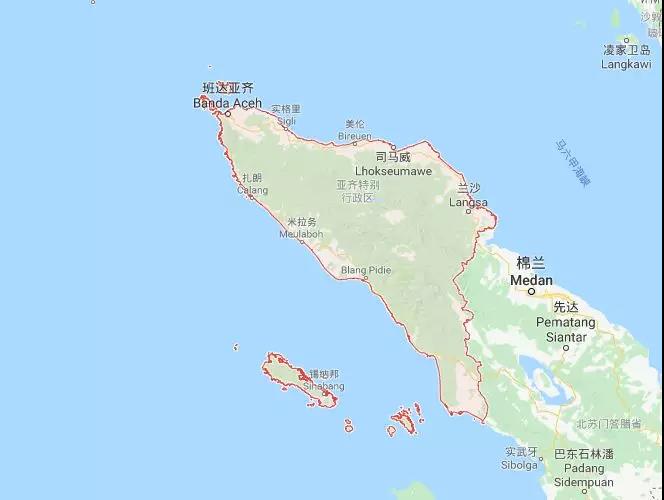
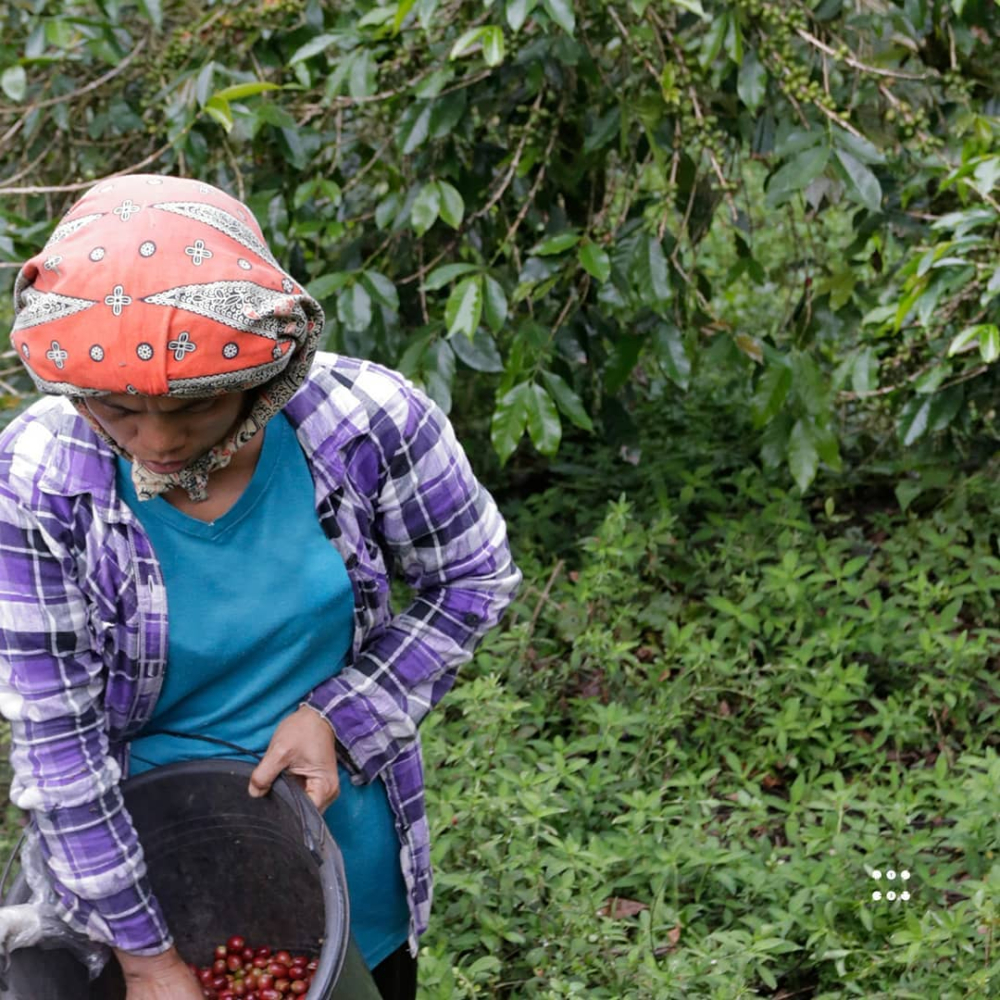
The beans of PWN Golden Mandheling come from the Gayo region in Aceh Province, northern Sumatra, Indonesia, which is one of the highest-altitude coffee-growing areas in Sumatra. The Gayo Mountains are located within Aceh Province, with main planting areas concentrated on the slopes around Takegon Town and Tawar Lake, typically at altitudes ranging from 1110 to 1600 meters. Due to the unique geographical environment, the area is mostly cultivated by small-scale farmers using shaded cultivation methods, along with traditional wet-hulling processing, resulting in this coffee’s distinctive deep-toned texture and vibrant, bold flavor. It’s worth mentioning that the Aceh region has long been politically sensitive, leading to relatively inconvenient external transportation and trade, which also adds to the rarity and mystique of the coffee from this origin.
The so-called "Golden Mandheling" does not refer to all high-quality Mandheling from Indonesia, but rather to a brand exclusively produced and certified by the well-known Indonesian coffee company, Pawani Coffee Company (abbreviated as PWN). PWN is not only the legal holder of the Golden Mandheling trademark but is also renowned for its strict selection process. They collect Mandheling green beans from various partner origins and conduct at least three rounds of manual sorting and one round of mechanical sorting to ensure each bean meets high standards — including uniform size, extremely low defect rates, and superior cleanliness after roasting. Although many Indonesian beans on the market claim to be "Golden Mandheling," most are merely large-bean imitations that have not gone through PWN’s official certification process, so consumers should pay special attention when purchasing.
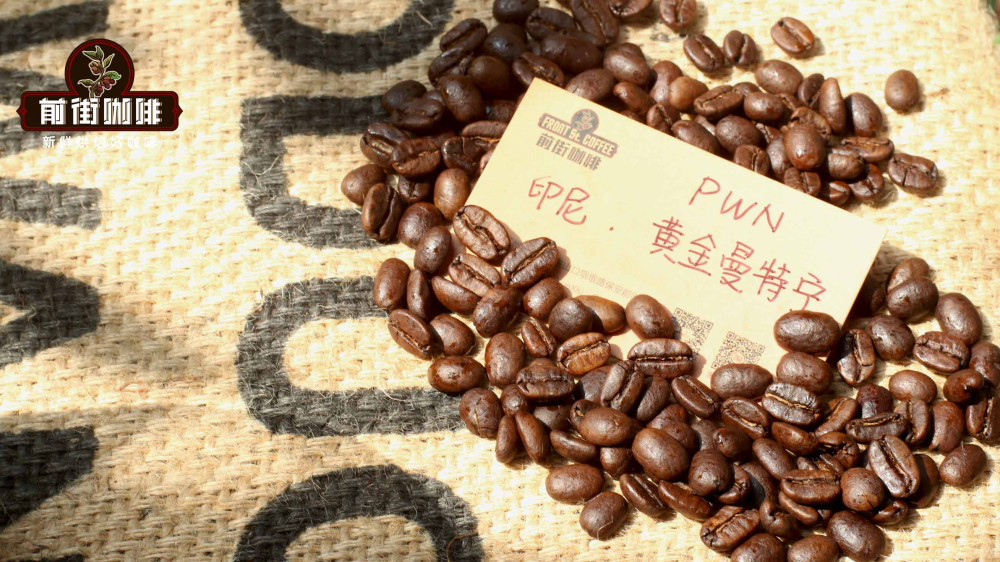
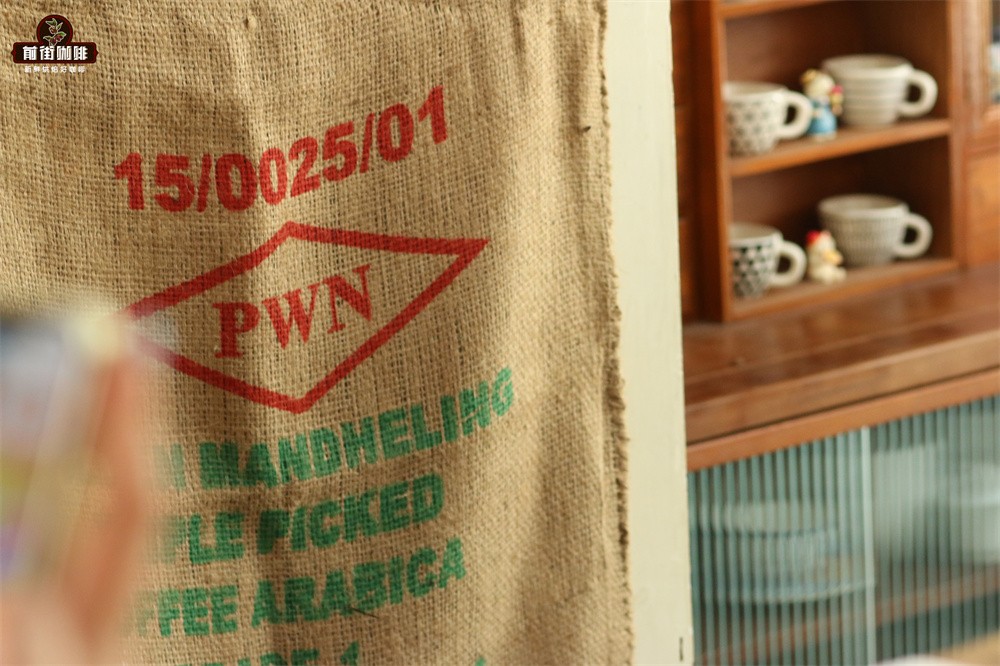
The provided PWN Golden Mandheling not only has the official PWN logo and certification number printed on the packaging, but the beans inside also meet the specification requirement of 18 mesh or above. Through cupping observations, this batch of coffee beans is dark green in color, featuring typical flat bean shapes, and after strict sorting, almost entirely free of the earthy or impurity notes commonly found in regular Mandheling, instead exhibiting a clearer, brighter aroma with a natural sweetness. This high level of purity is the key factor that distinguishes PWN Golden Mandheling from ordinary Mandheling on the market.
It’s important to note that the name "Golden Mandheling" has been officially registered as a trademark by PWN. In other words, only Mandheling produced by PWN and that has undergone its rigorous selection process qualifies to be called "Golden Mandheling." The version being sold is derived from this authentic lineage, and in a sense, it can be seen as a premium grade among Mandhelings — one of the key reasons it is recommended to coffee enthusiasts.
In terms of variety, PWN Golden Mandheling uses the Ateng variety of coffee beans. Ateng is actually a local generic term for a specific group of Arabica-Robusta hybrids, belonging to the Catimor branch, and is widely grown in Sumatra and other Indonesian islands. Although Ateng is considered a relatively common variety in some markets, under the right processing method and strict selection mechanism, it can still show considerable potential. This is also the foundation for PWN to elevate it to a high-end golden grade through multiple layers of quality control.
The processing method used for PWN Golden Mandheling is the classic Sumatran wet-hulled process (Giling Basah). This method originated from local economic conditions and technical limitations that prevented large-scale adoption of washed processing, thus leading to the development of this unique procedure: after initial fermentation and pulp removal, the coffee beans still retain their parchment layer during short sun drying, usually for 2 to 3 days, until the moisture content drops to 20–24%. At this point, the parchment layer is removed early (i.e., the outer skin is hulled), and drying continues until the target moisture level is reached. This technique enhances the coffee’s bold body and unique earthy character, but can also lead to higher defect rates due to variations in operational environment and technique. However, the PWN Golden Mandheling achieves a defect rate below 3 (per 300g sample) through high-standard sorting, reaching the top G1 grade, with beans being dark green in color and neatly shaped, fully showcasing the essence of this processing method.
For this dark-roast-oriented Golden Mandheling, the recommended roasting curve is as follows: first, preheat the roaster to 200°C and drop in the green beans with the air vent set to 3; about 1 minute later, reduce the heat to 160°C while keeping the air vent unchanged until the 5-minute 40-second mark, when the bean temperature drops to 148°C. At this point, the beans turn yellow and the grassy aroma has completely dissipated, signifying the end of the drying phase; then adjust the heat to 140°C and increase the air vent to 4; by the 9-minute 40-second mark, the bean surface begins to show obvious wrinkles and dark spots, along with a transitional aroma shifting from toasted bread to coffee. At this time, closely monitor the start of the first crack; around 9 minutes 54 seconds, when the first crack begins, immediately reduce the heat to 60°C and fully open the air vent (adjust carefully to avoid the flame dropping too low and causing the cracking sound to disappear), and finally complete the roast and drop the beans at 204.5°C.
For brewing recommendations, it is suggested to use the Kono filter cone with the following parameters: water temperature controlled at 88°C, coffee dose of 15 grams, a coffee-to-water ratio of 1:15, and a grind size recommended to be medium-fine (about 70–75% extraction through a 20-mesh sieve according to Chinese standards). Since this coffee is roasted to a darker level, choosing the immersion-style Kono filter cone can effectively extend the contact time between water and coffee grounds, extracting a richer, fuller body. Meanwhile, the cone’s low ridge design and tightly fitting filter paper help control the flow rate, creating a more stable brewing environment.
In actual operation, a three-stage pouring method is used: first, pour 30 grams of water for a 30-second bloom, then pour in a small circular motion up to 125 grams for the first pour. When the water level gradually drops and is about to expose the coffee bed, pour again up to a total of 225 grams, then stop. Finally, wait for the water level to naturally drop and just before exposing the coffee layer, remove the filter cone. The total brew time is controlled between 2 minutes 05 seconds and 2 minutes 15 seconds, which can fully showcase the coffee’s layers and bold base.
In the final cupping flavor profile, this PWN Golden Mandheling exhibits a rich blend of spice and herbal notes, with a full-bodied yet clean taste and excellent overall balance. The aroma carries a strong presence of nuts and brown sugar, accompanied by a soft chocolatey finish. The aftertaste is long-lasting and memorable, making it a classic choice highly suitable for coffee lovers who enjoy a substantial mouthfeel while seeking a balance of layers and sweetness.
The above content is compiled by CoffeeHunters, a coffee news website.


