








Introduction:Both cappuccino and latte are made with espresso as the base and combined with milk, but they differ significantly in milk foam ratio, latte art techniques, and overall flavor. This article explores the preparation process, taste differences, and cultural backgrounds of these two classic coffees from a practical perspective, and provides recommended coffee beans to help you brew professional-level cappuccino and latte at home using an espresso machine.
Cappuccino and latte, these two widely loved Italian-style coffees, although both primarily consist of espresso and milk, each have their own unique characteristics in brewing methods, milk foam handling, latte art presentation, and final taste. Whether you are a beginner coffee enthusiast or a coffee lover looking to challenge yourself with professional-level coffee at home, understanding the differences and brewing tips between the two can deepen your appreciation for the charm of Italian coffee.

Latte, in fact, is the classic combination of "coffee and milk." In Italian, "Latte" simply means milk. In Italy, latte is a common sight on breakfast tables, where many families heat coffee and milk together in the morning to enjoy a simple yet satisfying start to the day. The focus of this coffee lies in the smooth texture and aroma of the milk, paired with a moderate amount of espresso to create a more gentle overall flavor. For those who prefer the taste of milk over the intense aroma of coffee, latte is undoubtedly a more approachable choice. However, it is precisely because of the high-quality espresso that even ordinary milk can showcase a layered and rich flavor.
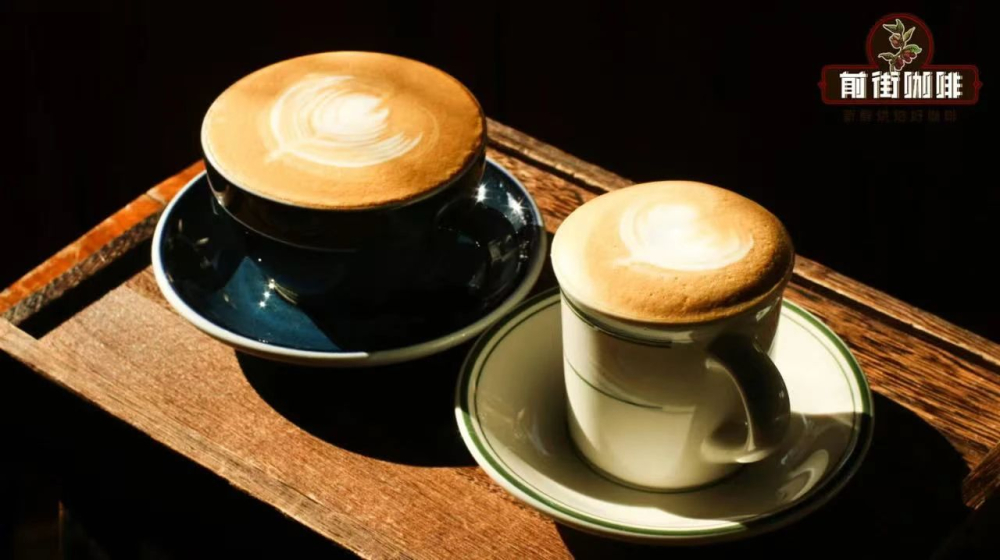
In contrast, cappuccino is based on espresso, with finely frothed milk foam added, and the thick foam is often shaped with a spoon to resemble a hat. Since the proportion of milk in cappuccino is relatively lower, the overall drink has a richer and more substantial mouthfeel. When sipped, you can feel the perfect fusion of velvety foam and coffee aroma, reminiscent of biting into a soft marshmallow. Additionally, cappuccino has thicker foam, making it unsuitable for detailed latte art. It is usually decorated with simple etchings or left unadorned.

If you want to try making latte or cappuccino at home, it is recommended to use freshly roasted Italian-style blends. For example, some commonly available and well-rated blends with prominent nutty aromas and medium-dark roast profiles can bring out chocolate, cookie, and creamy notes, which pair excellently with milk. Such beans can produce rich crema when extracting espresso, laying a solid foundation for the entire cup.
Next, let’s take a closer look at the main differences between these two coffees in actual preparation and tasting.
1. Latte Art: Intricate Designs vs. Simple Decorations
Observing the latte art is one of the quickest ways to distinguish between latte and cappuccino. The milk foam used in latte is finer and thinner, giving the coffee surface more fluidity, allowing for the creation of delicate and smoothly flowing patterns. This is why "latte art" has become an essential skill for professional baristas. On the other hand, cappuccino uses thicker foam, resulting in a less fluid surface that makes it difficult to draw intricate designs. Therefore, it is often decorated with simple etchings or left without any adornment, preserving its original rustic charm.
2. Taste Differences: Milk-Forward vs. Bold Coffee
Using the same bean blend (such as a medium-dark roasted Brazilian and Colombian blend) for testing, the differences in proportions between latte and cappuccino directly affect the final flavor. Generally, the composition of latte is about 70% milk, 20% foam, and 10% espresso. With a high proportion of milk, the overall taste is smoother, with a rich milk aroma, and the bitterness of the coffee is greatly softened, making it suitable for those who prefer a milder taste. In contrast, cappuccino consists of roughly equal parts milk, foam, and espresso (each about one-third). With a lower ratio of milk and foam, the aroma and flavor of the coffee are fully presented, resulting in a denser and more substantial mouthfeel, with a texture similar to marshmallow, which is more appealing to those who enjoy a robust coffee experience.
3. Origin & Background: Evolution of Italian Breakfast & Naming Trivia
The word "latte" comes from the Italian word for milk. Early lattes were simply a combination of hot coffee and hot milk. With the invention of the steam-powered espresso machine, espresso became more widely available, and latte gradually evolved into its current form. The birth of cappuccino roughly coincided with the steam coffee machine, and its name is said to be inspired by the brown habits and distinctive pointed hats worn by Catholic Capuchin monks, adding a touch of cultural intrigue to this coffee.
In summary, latte and cappuccino are not just two different coffee drinks, but also represent the Italian coffee culture’s pursuit of different ratios, textures, and flavors. Whether you prefer the smooth taste with rich milk aroma or the bold and substantial coffee experience, understanding their brewing principles and differences will give you the confidence to use an espresso machine at home to craft your perfect cup tailored to your taste.
The above content is compiled by CoffeeHunters, a coffee news website.


