








Introduction:Espresso is the cornerstone of modern coffee beverages and the heart of Italian coffee culture. This article delves into the unique flavor characteristics of Espresso, introduces three classic extraction types—Ristretto, Normale, and Lungo—and explores the roasting features and extraction essentials of traditional Italian blends. Through practical parameters such as dose, grind size, and extraction time, it guides you to master the techniques for crafting a rich and bold shot of Espresso, offering valuable insights for both beginners and coffee enthusiasts.
Espresso is not only the essence of Italian coffee culture but also the soul of coffee shops worldwide. From the birth of the world’s first Espresso machine in 1884 to the Crema revolution brought by the lever-operated machine in 1948, the evolution of Espresso has been marked by continuous breakthroughs in technology and flavor. This article will detail the unique flavors of Espresso, its three classic extraction types, and the roasting preferences of traditional Italian blends, while also guiding you step-by-step through practical extraction parameters such as dose, grind size, and time to master the art of making a rich Espresso.
 The term "Espresso" comes from the Italian word meaning "fast," as it typically takes just a few dozen seconds from preparation to serving. This type of coffee relies on high-pressure steam to force extremely hot water through finely ground coffee beans, quickly extracting a small yet highly concentrated shot of coffee, topped with a layer of golden, fine foam—commonly known as Crema. Although Espresso may not always be explicitly listed on café menus, it serves as the base for drinks like Americano, Latte, and Cappuccino, making it the soul of every coffee shop.
As early as the late 19th century, Italian Angelo Moriondo created the first coffee machine with pressurized extraction capabilities, using 1.5 bar of pressure and steam to produce a richer coffee liquid. With technological advancements, water temperature and pressure control became increasingly precise. By 1948, Milanese barista Achille Gaggia invented the lever-operated machine, which extracted rich Crema through high pressure. This golden layer of foam has since become an important indicator of Espresso quality.
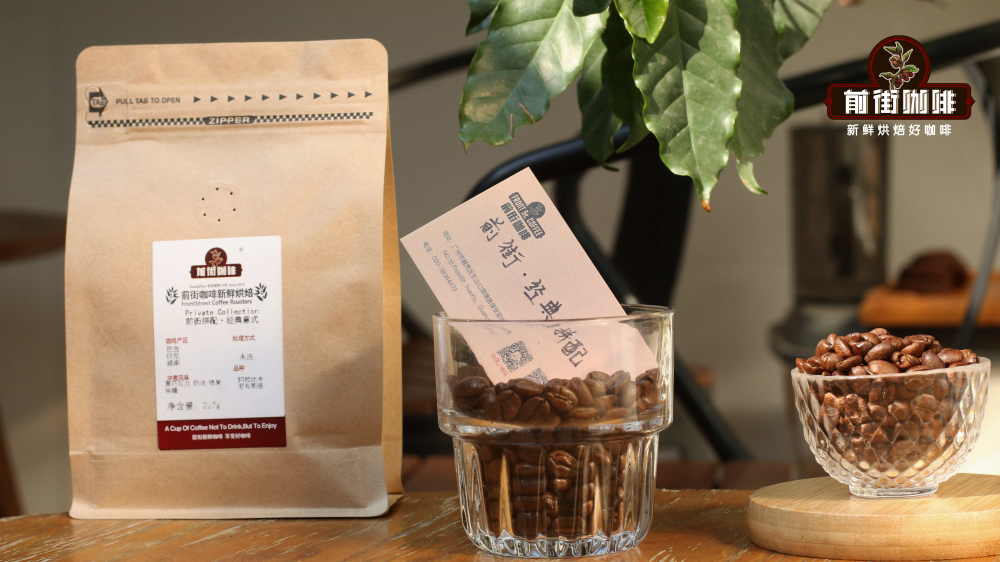
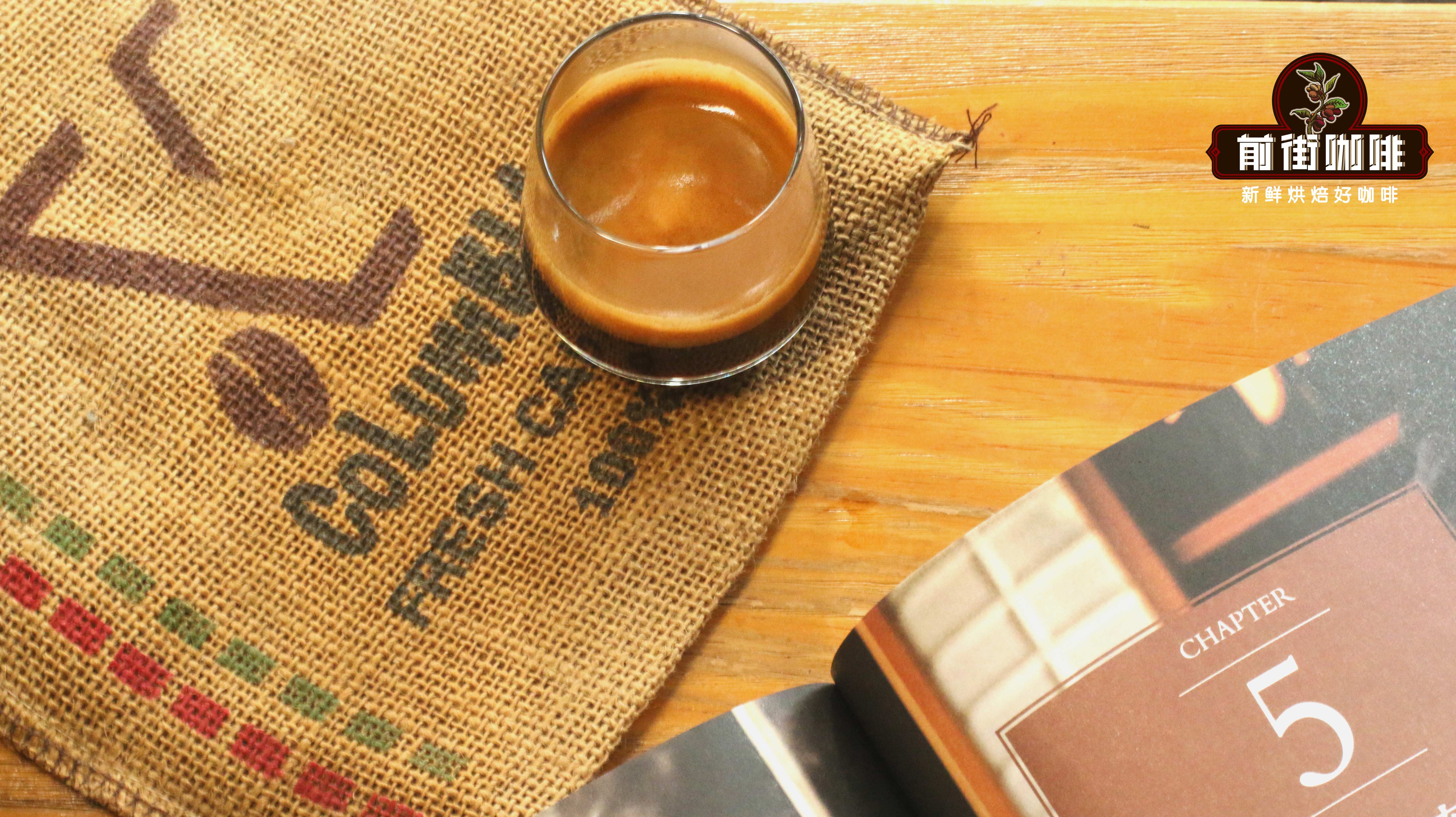 Generally speaking, the fresher the coffee beans and the darker the roast—combined with stable machine pressure—the more likely you are to achieve fine and persistent Crema. Italians prefer a bold, aromatic Espresso, often roasting the beans to a dark level and sometimes blending in Robusta beans to enhance the richness of the crema and overall flavor. To experience this traditional taste, you can opt for classic blends that focus on dark roasting, with some recipes even incorporating Robusta to boost the intensity of the crema and aroma.
Early coffee was often brewed through immersion methods, which were not only time-consuming, often taking over ten minutes, but also required extremely fine grinds. The birth of Espresso completely changed this, enabling the quick extraction of rich coffee through high-pressure methods. Although Espresso rarely appears as a standalone item on menus, it forms the foundation of many classic coffee drinks and cannot be overlooked.
Today, in addition to traditional dark roast profiles, more and more consumers are seeking diverse and brighter Italian blend options. For instance, some blends are designed for those who enjoy floral and fruity notes, combining beans from different regions to deliver rich aromas like rose, citrus, and berries, resulting in a refreshing taste that suits those who prefer less bitterness.
When a customer orders an Espresso, the barista usually serves this essence promptly. In addition to the Espresso itself, pairing it with a glass of water helps cleanse the palate, allowing for a better appreciation of the coffee’s layers and aftertaste. When drinking, gently stir the Crema and coffee liquid on the surface with a spoon. The first sip reveals the roasted aromas brought by the dense crema, followed by the flavors of nuts, chocolate, berries, and a hint of wine in the warm coffee liquid—offering a rich and varied tasting experience.
 Depending on extraction methods and coffee-to-water ratios, Espresso can be categorized into three main types: Ristretto (short shot), Normale (standard), and Lungo (long shot). All three are extracted quickly using an Espresso machine but each offers distinct flavor profiles and suitable scenarios.
Ristretto, also known as "concentrated short shot," is a smaller-volume Espresso, typically extracted only from the initial phase, resulting in a more intense and focused flavor. Taking the common example of 20g of coffee grounds yielding 40g of liquid, a Ristretto might extract only about 28g of coffee, with a ratio of approximately 1:1.4, and a shorter extraction time, yielding a higher concentration. It’s ideal for those who enjoy strong flavors without excessive heaviness. Additionally, drinks like Flat White often use Ristretto as their base to create a more refined texture.
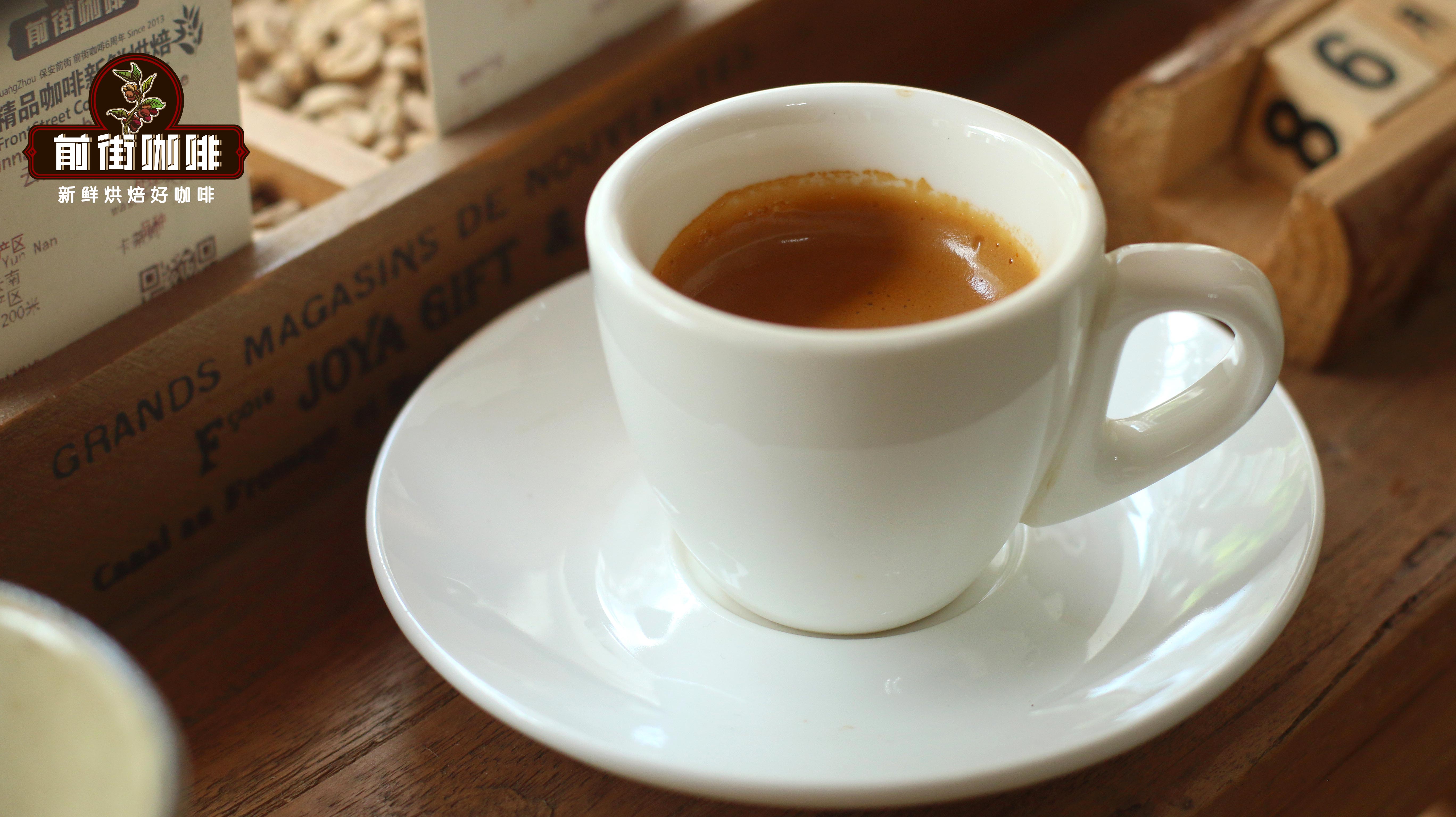
Normale is the most common and popular type of Espresso, often referred to as the standard shot. Its coffee-to-water ratio is typically 1:2, with an extraction time of around 25 to 30 seconds. Its concentration and extraction rate fall within the Golden Cup standard range (concentration 8%-12%, extraction rate 18%-22%), offering balanced flavor that suits most palates.
Lungo means "long extraction," using the same dose of coffee grounds but extracting more liquid, typically with a ratio of 1:5 and an extraction time extending beyond 40 seconds. The resulting coffee is more diluted, with a milder taste, suitable for those who prefer a lighter brew. However, improper control of time and parameters may lead to a thin or unpleasantly off-flavored cup.
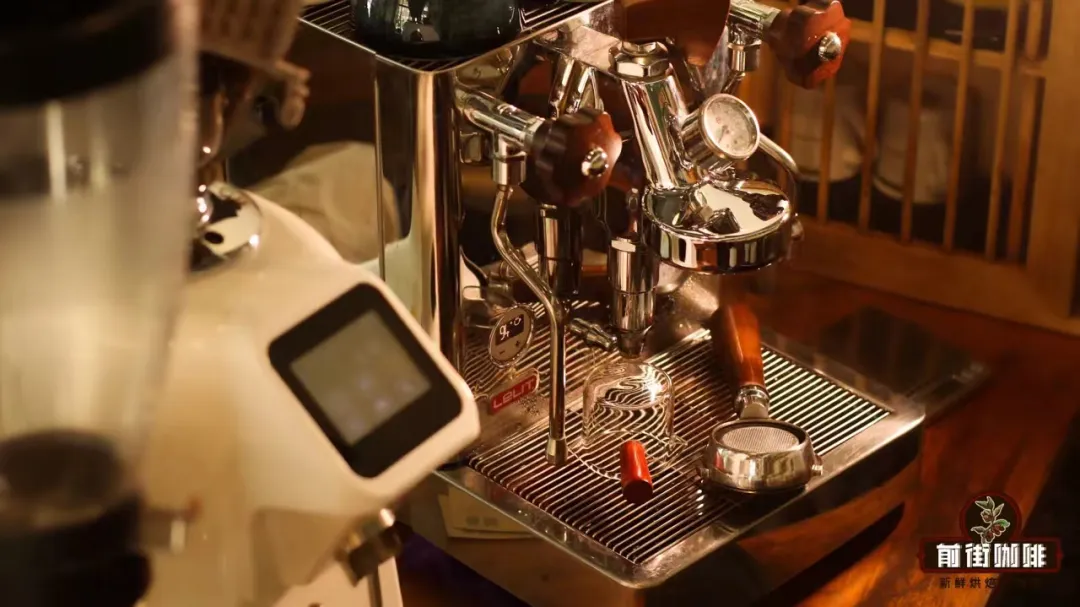
 To craft a rich and authentic Italian Espresso, mastering several key parameters is essential: dose, grind size, extraction time, and coffee-to-water ratio. For a standard double basket, a dose of 18 to 20g is recommended, with a ratio of 1:2—meaning 20g of coffee grounds yield 40g of liquid. The ideal extraction time is between 28 to 30 seconds. Too short may result in under-extraction, while too long can lead to over-extraction and a burnt, bitter taste.
In practice, ensure the portafilter is dry, use a grinder to evenly grind the appropriate amount of coffee, and measure the dose precisely with a scale. Then, use a distribution tool to evenly spread the coffee grounds, followed by tamping with a tamper to compress the puck firmly, ensuring stable water flow during extraction. Before extraction, run water for 1 to 2 seconds to flush the group head and remove any leftover coffee grounds. Place the cup under the spout and reset the scale. During extraction, monitor the flow rate and changes in the coffee liquid, adjusting grind size or dose slightly based on the day’s beans and environmental humidity.
 In summary, the charm of Espresso lies in its bold flavors, rich layers, and versatile extraction styles. Whether you’re a beginner or a dedicated coffee enthusiast, understanding Espresso’s flavor profile, mastering the differences between Ristretto, Normale, and Lungo, and becoming proficient with key extraction parameters will allow you to deeply appreciate the essence of this classic coffee.
The above content is compiled by CoffeeHunters, a coffee news website.


