








Introduction:As one of the important cradles of coffee in Asia, Indonesia boasts a profound coffee culture, particularly renowned for Mandheling from the island of Sumatra. This article offers a comprehensive exploration of the unique charm of Indonesian coffee — from its historical evolution, regional environments, varietal shifts, to its distinctive wet-hulling process and beginner-friendly pour over parameters. Whether you’re seeking distinctive flavor profiles or aiming to deepen your understanding of processing methods and brewing techniques, you’ll find practical insights here.
Indonesia is not only one of the earliest regions in Asia to encounter coffee, but also an indispensable and significant player on the global coffee map. As early as the beginning of the 17th century, the first batch of Arabica coffee seedlings were introduced to Java, marking the start of Indonesia’s coffee cultivation history. Over time, from Typica and Robusta to today’s landscape dominated by hybrid varieties, Indonesian coffee has demonstrated a diverse and resilient developmental trajectory.
When it comes to Indonesian coffee, Mandheling from Sumatra is undoubtedly the most iconic offering. Grown in high-altitude mountainous regions and processed using the unique wet-hulling method, this coffee is gifted with intense herbal, spicy, and full-bodied flavors, winning the hearts of coffee enthusiasts worldwide. All of this is closely tied to Indonesia’s geographical environment, climatic conditions, and historical evolution.
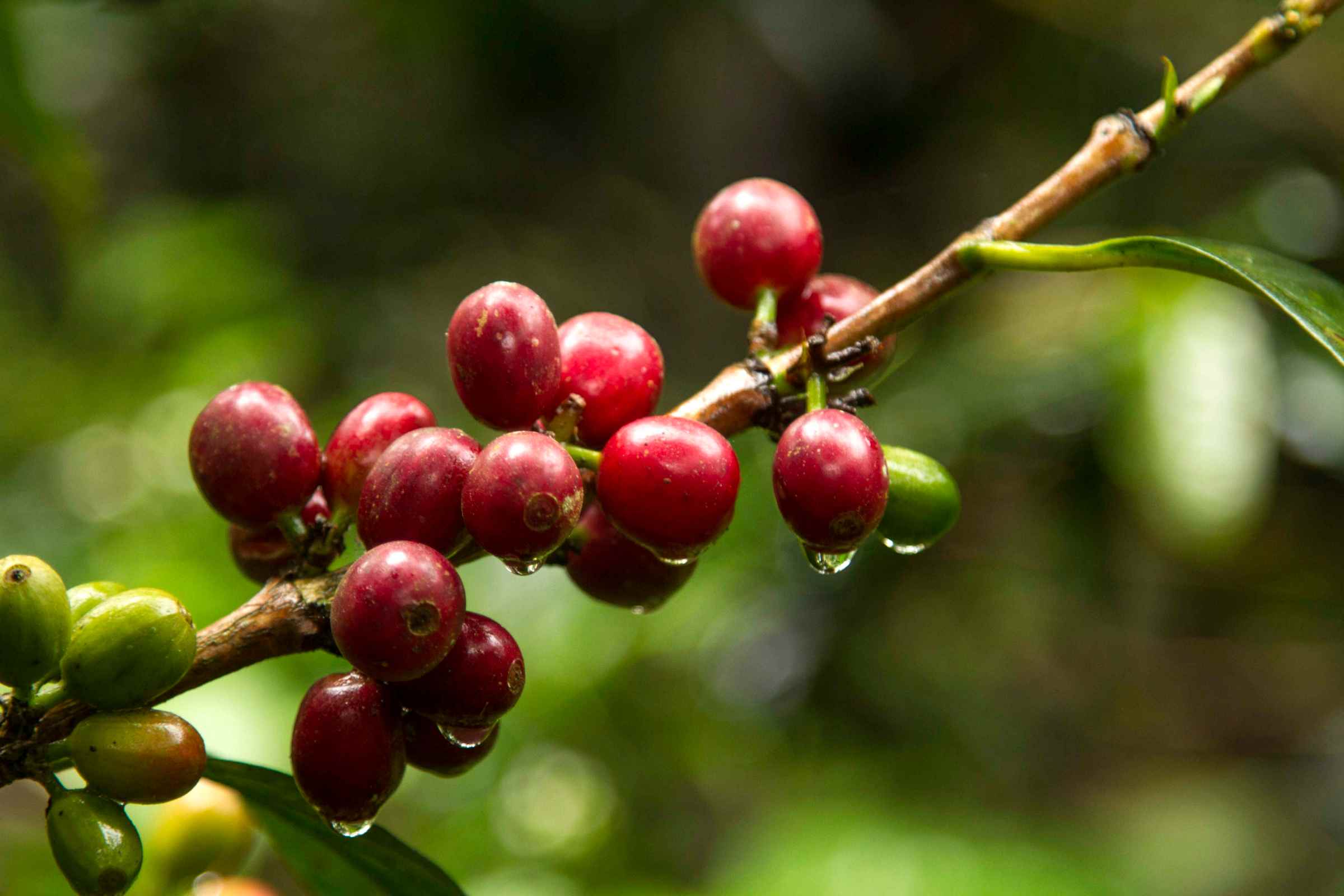
The history of coffee cultivation in Indonesia dates back to the late 17th century, when the Dutch occupied Java and established Batavia as the base for the Dutch East India Company, importing two batches of Typica seedlings from India. Subsequently, coffee cultivation gradually expanded to islands such as Sumatra, Bali, Sulawesi, and Timor. However, the coffee leaf rust epidemic in 1869 severely damaged the local Typica plantations, causing widespread withering of coffee trees and forcing growers to seek alternatives.
To revive the coffee industry, Indonesia introduced the disease-resistant Robusta variety from Africa, which remains the country’s predominant coffee type to this day. Additionally, to improve yield and disease resistance, hybrid varieties such as Tim Tim, Bor Bor, and the Catimor series Ateng were introduced. Due to their high adaptability to Sumatra’s environment, these hybrids gradually replaced traditional Typica and became the mainstream, accounting for approximately 70% of Sumatra’s total coffee production.
Sumatra’s geography and climate play a crucial role in coffee cultivation. The island predominantly features a tropical rainforest climate, with high temperatures, humidity, and persistent cloud cover throughout the year. Especially in the high-altitude regions of Aceh and North Sumatra, the conditions are ideal for growing Arabica. Coffee is mainly cultivated around Lake Tawar and Lake Toba, with the Gayo Highlands standing out due to its organic farming practices and long-standing cultivation history, producing coffee beans with high-quality potential.
In these regions, coffee is primarily grown and managed by local ethnic groups such as the Mandailing, Batak, and Gayonese. Among them, Mandheling from Lake Tawar is an emerging origin that has gradually gained market attention. PWN (Perusahaan Dagang & Industri Kopi Nusantara), a well-known and reputable green bean selector and supplier in the area, rigorously implements multiple hand-sorting processes to ensure each bean meets specialty-grade standards. Its flagship product, “Golden Mandheling,” is a representative top-tier offering.
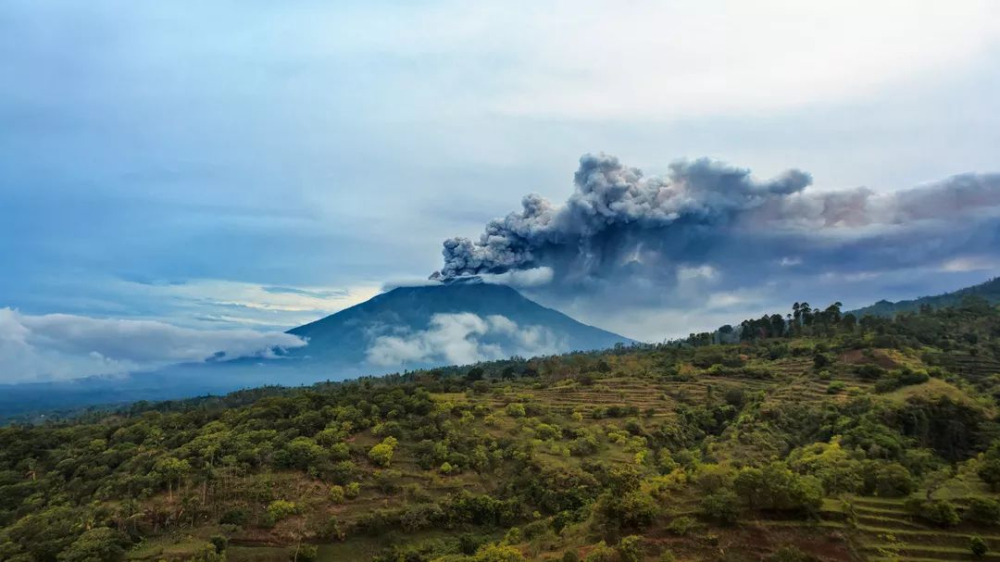
One of the most distinctive features of Indonesian coffee is its unique wet-hulling process. With year-round humidity levels between 70% and 90% and frequent rainfall — annual precipitation exceeding 2000 mm — traditional sun-drying or washed processing methods are difficult to implement. As a result, a wet-hulling technique that blends elements of both washed and natural processes was developed locally. This method significantly shortens processing time while imparting a unique flavor profile to the coffee.
In the specific process, after the coffee fruit is depulped, it undergoes a brief fermentation to remove some of the mucilage, followed by initial drying to reduce moisture content to 30–40%. The parchment-covered beans are then sent to processing facilities for hulling. Due to the high friction during mechanical removal, the surface of the green beans is often damaged, resulting in the characteristic “elephant ear” defect. This process also releases unique woody, spicy, and herbal aromas — the very essence of Indonesian coffee’s regional character.
For beginners looking to try pour over with Indonesian Mandheling, mastering the right extraction parameters is essential. Dark-roasted Mandheling, due to its looser structure, can easily release excessive bitter compounds. Therefore, it is recommended to use lower water temperature and medium-coarse grind to balance the flavor profile.
It is recommended to use a KONO filter cone, with water temperature controlled at87°C, coffee dosage around15 grams, and a coffee-to-water ratio of1:15. The grind size can be referenced to a 20-mesh sieve passing rate according to Chinese standards70%(or EK43s setting11, close to the texture of coarse sugar). Use a three-stage pouring method: first, performa 30-second bloom with 30 grams of waterto observe the coffee bed expansion; then steadily pour up to125 grams, wait for the water level to drop, and then pour the final100 grams. Maintain a fine and even water flow throughout to minimize channeling and over-extraction risks.
The brewed Mandheling coffee will exhibit intense spice notes, accompanied by aromas of roasted nuts, chocolate, and caramel, with a finish that offers a pleasant lingering sweetness. It is worth noting that for the best flavor experience, it is recommended to use freshly roasted beans withinfive daysof roasting to fully appreciate their complete flavor expression.
The above content is compiled by CoffeeHunters, a coffee news website.


