







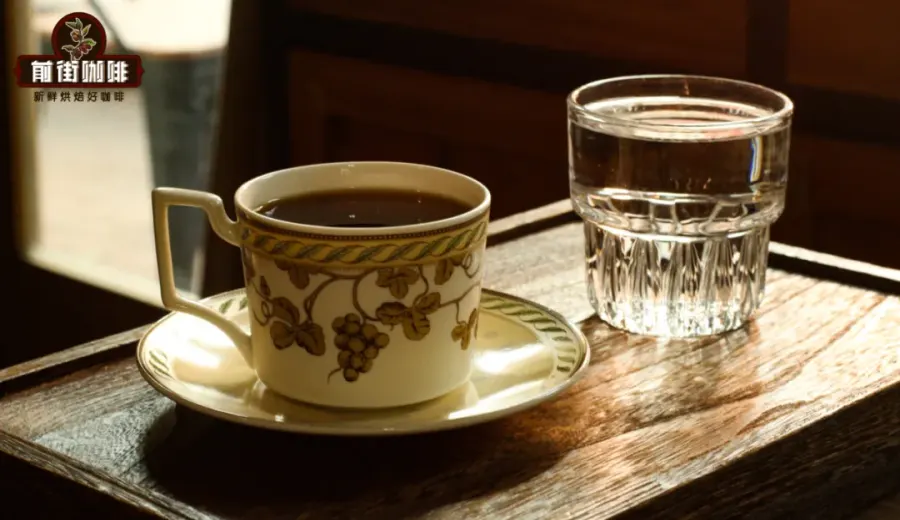
Introduction:Have you ever noticed that after drinking a strong cup of coffee, when you take a sip of water, the water suddenly tastes unusually sweet? This phenomenon of “coffee aftertaste sweetness” is actually rooted in scientific principles such as the taste contrast effect, saliva secretion, and the distribution of taste buds. This article will delve into why the bitterness of coffee can enhance the perception of sweetness in subsequent sips of water, and through real-life examples, explain how our taste buds influence our flavor perception—helping you better understand the interaction between coffee and your sense of taste.
Many coffee enthusiasts have been pleasantly surprised to find that after drinking a shot of espresso or a single-origin coffee, the next sip of water tastes distinctly sweet. This phenomenon, known as “coffee aftertaste sweetness,” doesn’t mean the water’s flavor has actually changed—it’s closely related to our taste system, saliva production, and the distribution and function of our taste buds.
Many customers at coffee shops have shared similar experiences: after tasting high-concentration coffees with distinct flavors—such as strawberry candy or blackberry—they take a sip of the water they used to rinse their mouths beforehand, only to be met with an unexpectedly sweet taste. This raises an intriguing question: why does the same glass of water taste especially sweet after coffee?
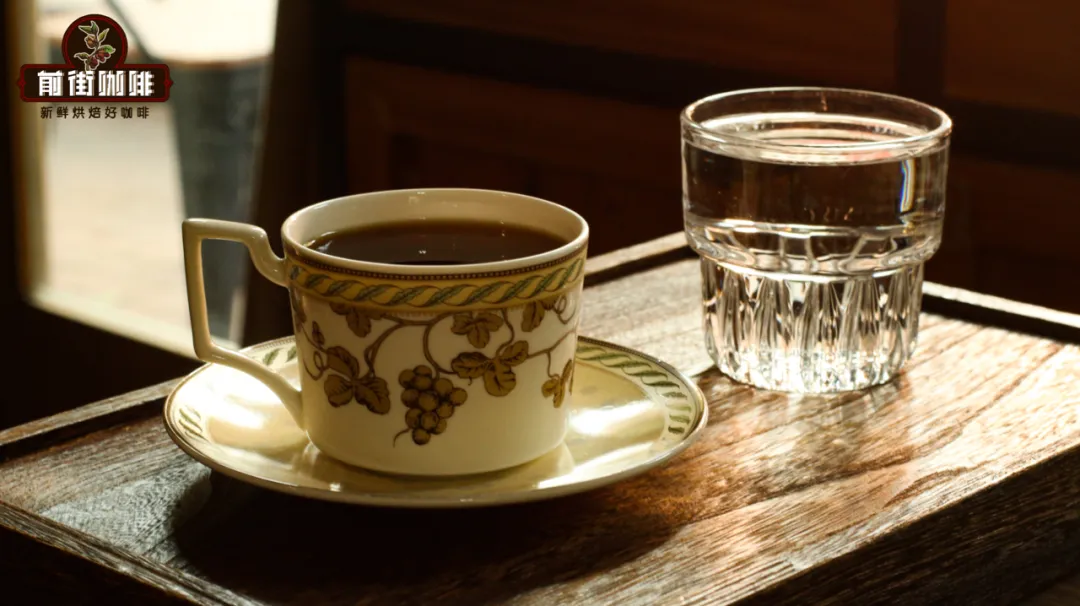
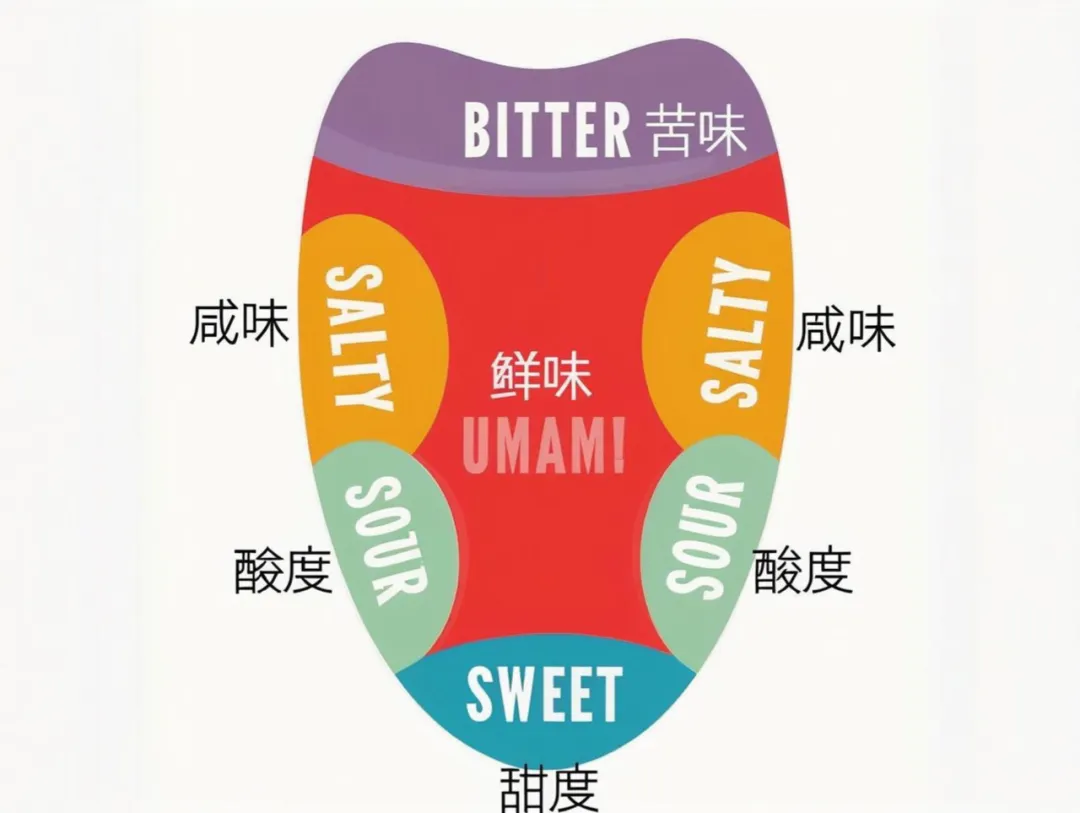
To understand this phenomenon, we first need to look at the human taste system. Our tongues are covered with numerous tiny taste buds, which are sensory organs made up of taste receptor cells capable of detecting the five basic tastes: sour, sweet, bitter, salty, and umami. When we drink coffee, the various chemicals in it stimulate these taste buds, sending signals to the brain that form the flavors we perceive.
When you drink a coffee with a noticeably sweet profile—such as Mozart or Sidamo—the taste buds send signals that are relatively less bitter and more sweet. However, once that cup of coffee is finished and you take a sip of water, you may find that the water tastes sweeter than before. This involves two main mechanisms: the “taste contrast effect” and “oral physiological response.”
The so-called “taste contrast effect” refers to how the perception of one taste is influenced by the taste experienced just before it. For example, if you eat something extremely sweet and then try something that is inherently bland, the temporary adjustment of your sweet taste receptors might make that bland item seem slightly bitter. Similarly, the bitterness of coffee stimulates the taste buds, amplifying the perception of subsequent sweetness.
On the other hand, the “oral physiological response” is related to saliva secretion. When you drink coffee, especially a strong or high-acidity brew, the salivary glands in your mouth are stimulated, increasing saliva production. Enzymes in saliva, such as amylase, may react with certain components in the coffee, further generating substances with a sweet taste—making the water you drink afterward seem noticeably sweeter.
Combined, these two effects mean that after consuming a coffee with intense flavor, your taste buds become more sensitive to sweetness, and the chemical reactions brought on by saliva amplify the effect—resulting in an unexpected sense of sweetness when you drink plain water. This explains why many people, after tasting a coffee with a rich profile like the 2013 Yunnan Peaberry, are surprised to find that water tastes unusually sweet.
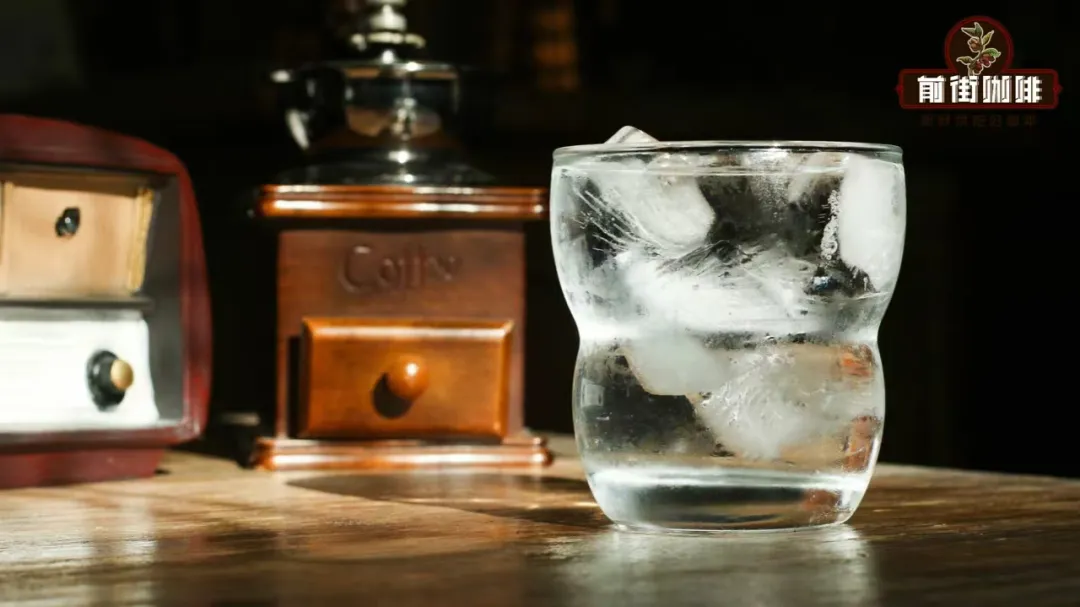
Additionally, it’s worth noting that this phenomenon also explains why many people drink a sip of ice water before cupping coffee—to reset their taste buds and more accurately capture the inherent flavor characteristics of the coffee. Drinking water after coffee has a similar but opposite effect, heightening the taste system’s sensitivity to sweetness.
In summary, the coffee aftertaste sweetness phenomenon results from the combined effects of taste bud distribution and function, the taste contrast effect, and oral physiological responses. By understanding these scientific principles, you can not only better appreciate the complex flavors of coffee but also discover more subtle taste variations in your everyday coffee drinking experience.
The above content is compiled by CoffeeHunters, a coffee news website.


