







Introduction:Mastering the key extraction parameters of espresso is the first step toward crafting an ideal coffee base. This article delves into the standard coffee dosage, extraction time, liquid yield, and brew ratio for both single and double espressos, while also guiding you on how to improve extraction stability by adjusting grind size and basket baseline levels. Additionally, we’ve selected four blends perfect for office or home use—ranging from classic to dark cocoa profiles—to cater to various flavor preferences. We also provide milk ratios and blending techniques for lattes, helping you easily recreate professional-quality coffee at home.
Espresso is not only the soul of Italian-style coffee beverages but also the foundation for classics like cappuccino, latte, and mocha. To brew an espresso that is rich, full-bodied, and well-balanced, it’s essential to precisely control core parameters such as coffee dosage, extraction time, liquid yield, and brew ratio. Fine-tuning based on the characteristics of your portafilter basket is equally important to fully unlock the coffee’s potential.
With a long history, espresso has become an important symbol of global coffee culture. Whether it’s from a street-side bar in Italy or a home semi-automatic espresso machine, a well-extracted shot is key to showcasing coffee flavors. Next, we’ll detail the standard extraction ratios for single and double espressos to help you establish a solid foundation.
A single espresso (Solo Shot) traditionally uses about 8 to 9 grams of coffee grounds, extracted over 25 to 35 seconds to yield 25 to 35 milliliters of espresso, with a brew ratio roughly between 1:1 and 1:2, adjusted according to extraction conditions. It’s recommended to zero the portafilter before dosing to ensure accuracy and observe whether the flow rate and liquid yield meet expectations. Single espressos are typically used for making cappuccinos, where their intense character needs to be balanced with an appropriate amount of milk foam.
A double espresso (Doppio) is simply a doubled version of the single, using about 18 to 20 grams of coffee grounds, extracted over the same 25 to 35 seconds to produce 55 to 65 milliliters of coffee, maintaining a similar brew ratio. This ratio serves as the base for most lattes and Americanos, offering a richer concentration and flavor that can handle more milk without being diluted. The basket’s baseline level is an important reference—exceeding the recessed fill line may lead to uneven tamping or over-extraction. Always adjust the coffee dosage according to your basket’s design.
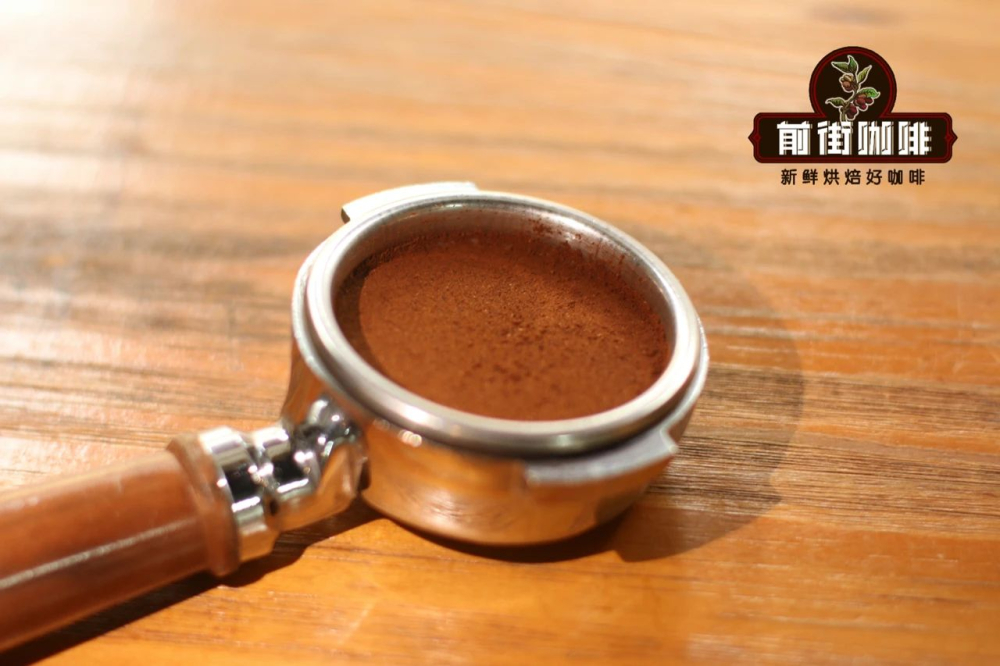
Grind size has a significant impact on espresso extraction. The ideal consistency should be close to that of flour, with grind settings typically at the finest level on an espresso machine (around 1 to 1.5), though actual values need fine-tuning based on bean origin, roast level, and extraction time. It’s recommended to weigh both the coffee grounds and liquid yield to ensure the brew ratio falls within a reasonable range, thereby achieving optimal flavor expression.
Different coffee beans greatly influence the outcome of espresso, particularly in terms of roast level and bean blend. Dark roasted beans often bring out rich caramel, chocolate, and nutty notes, harmonizing better with milk. Lighter roasts, on the other hand, tend to have pronounced acidity, which can appear harsh in espresso if not properly adjusted. Therefore, selecting blends suitable for espresso extraction is the first step toward ensuring stable flavor.
Below are four recommended blends tailored for different scenarios, covering flavors from classic to dark cocoa to meet the needs of both home and office use:
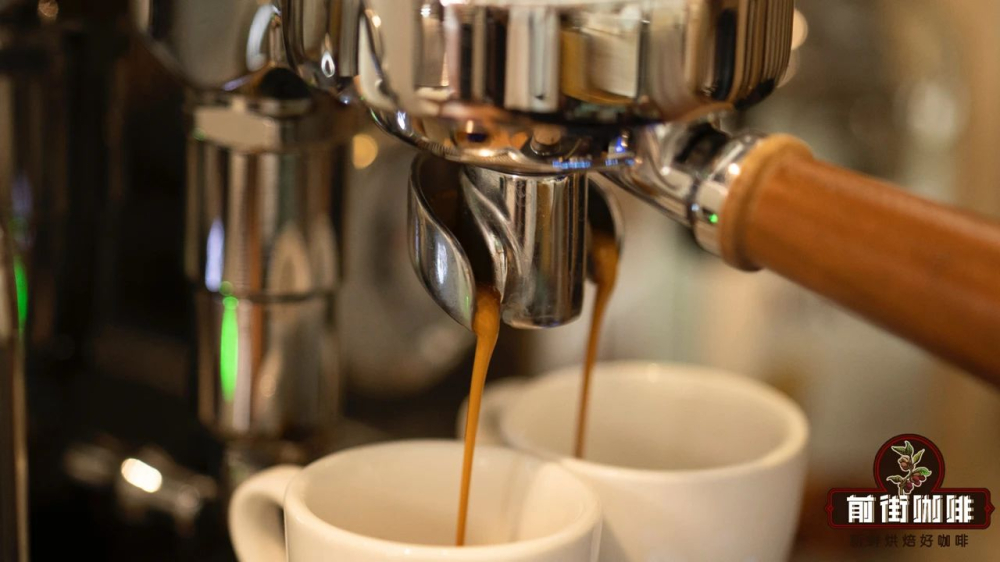
The first is a classic blend made up of Brazilian, Indonesian Mandheling, and Vietnamese Robusta beans. Medium-dark roasted, it delivers rich notes of butter, dark chocolate, and cream, with excellent crema performance. Ideal for beginners and home use, it consistently produces a bold and flavorful shot.
The second is a premium blend using Colombian and Brazilian beans. With a medium roast level, it offers a smooth profile with subtle acidity and nutty aftertaste, suitable for users seeking balanced flavor. It works well in both office settings and community coffee shops.
The third is a commercial blend with 10% Robusta added to enhance the body and caramel sweetness of the espresso. It achieves a well-balanced acidity and sweetness with a lingering finish, making it suitable for chain coffee shops or high-frequency use.
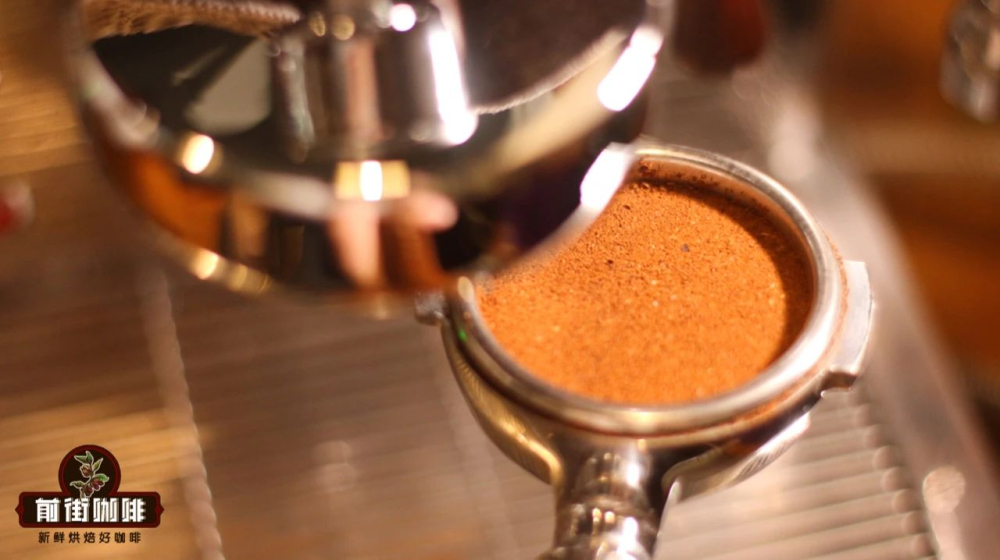
Finally, we recommend a dark cocoa blend combining beans from Yunnan and Brazil. It features gentle fruity acidity, caramel sweetness, and nutty tones, resulting in a relatively refreshing taste. Offering great value, it’s suitable for beginners and small coffee shops, and works especially well when brewed with a moka pot.
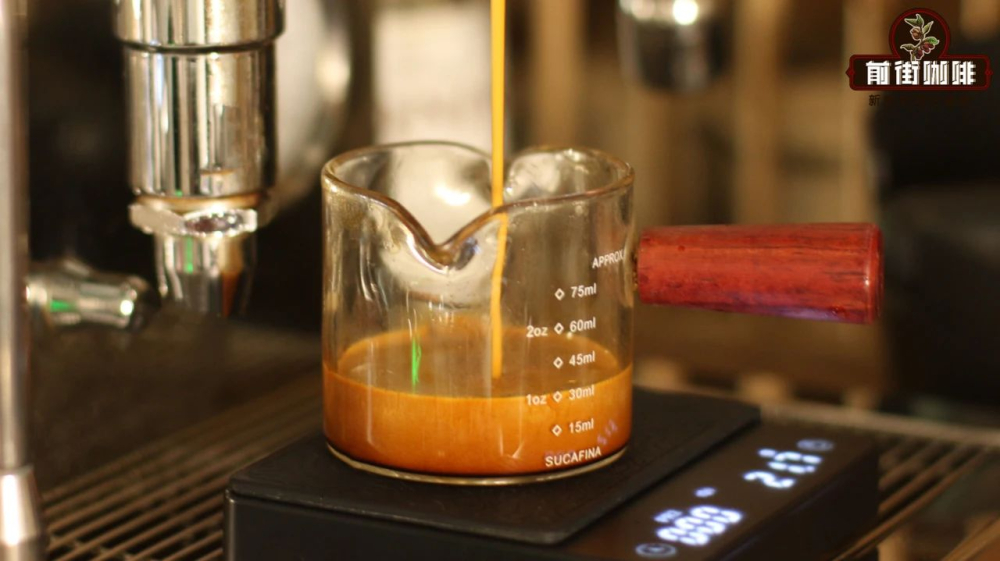
When making milk-based coffee drinks, the ratio of espresso to milk is crucial. For a classic latte, a 1:6 ratio is recommended—for example, 40 grams of espresso paired with 240 grams of steamed milk. For extraction, you can use 20 grams of coffee grounds to yield 40 grams of espresso in 27 seconds, ensuring concentrated flavor and strength.
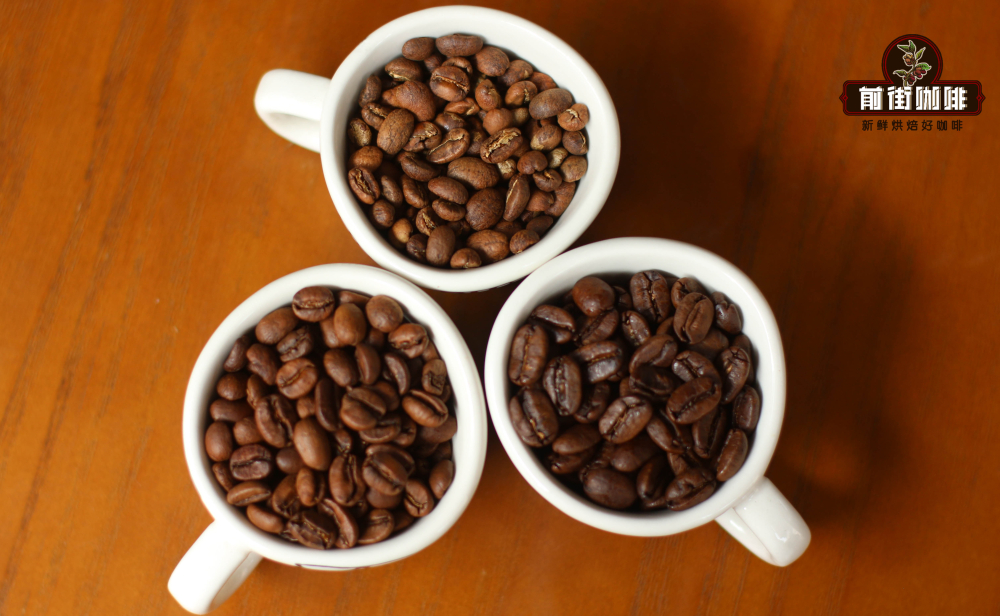
It’s best to use whole milk chilled to a low temperature, as it produces a fine and stable microfoam, enhancing texture and integration. During the milk integration process, pour the espresso evenly first, then slowly add the milk foam to maintain balanced flavor and distinct layers. The result is a smooth and well-rounded latte.
By mastering these key parameters and techniques, whether you’re brewing casually in the office or refining your coffee skills at home, you can effortlessly produce satisfying espresso bases and milk-based coffee creations.
The above content is compiled by CoffeeHunters, a coffee news website.


