







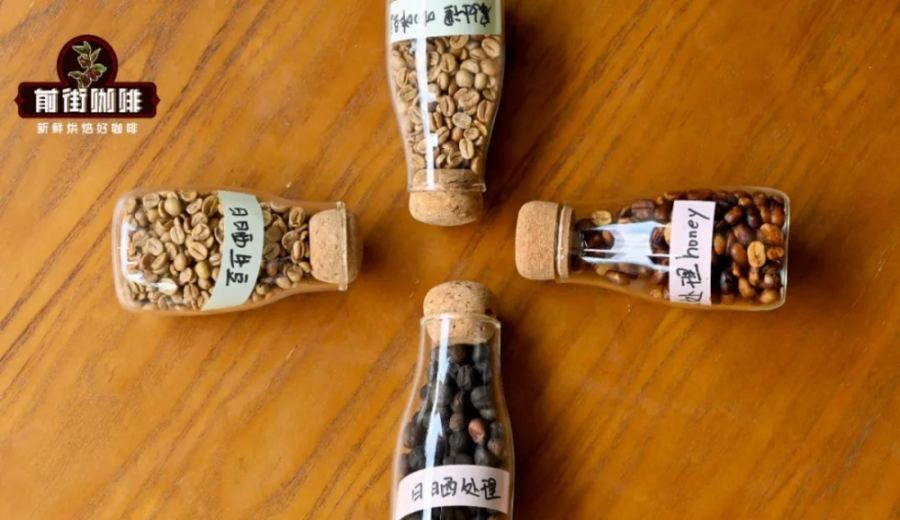
Introduction:Sun-dried and honey-processed coffees are often regarded as the "sweetness representatives," but in reality, the two have distinct differences in flavor profiles and sources of sweetness. This article delves into the craftsmanship, historical background, and flavor characteristics of these two processing methods, explains the classification criteria for black honey, red honey, and yellow honey, and explores which factors truly influence the sweetness of coffee. Finally, it also provides bean variety recommendations based on different taste preferences.
When it comes to coffees with sweet and fruity profiles, many people immediately think of sun-dried and honey processing. Although both techniques are often touted as "excellent in sweetness," they actually differ significantly in aroma expression, sources of sweetness, and overall flavor profiles. This article will start from the principles of processing methods, compare the fermentation characteristics and sweetness performance of sun-dried and honey-processed coffees, trace the evolution of honey processing technology in Costa Rica, and analyze the origins of common classifications such as black honey, red honey, and yellow honey. In addition, it will discuss how variety, altitude, ripeness, and processing method jointly shape the sweetness of coffee, and offer practical bean suggestions based on different taste needs.
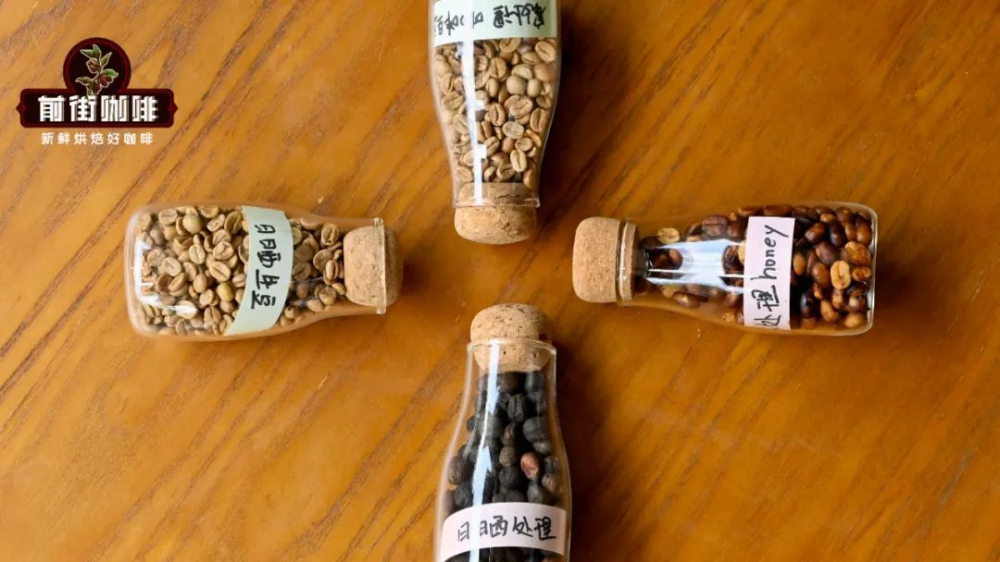
When mentioning coffees with noticeable sweetness, many coffee enthusiasts first think of sun-dried and honey-processed beans. Sun-dried coffee is often known for its intense fruity fermentation aromas, while honey-processed coffee emphasizes a thicker and more direct sense of sweetness. Most coffees in these two categories on the market, whether from Central and South America or Africa, almost always use "sweetness" as one of their main selling points.
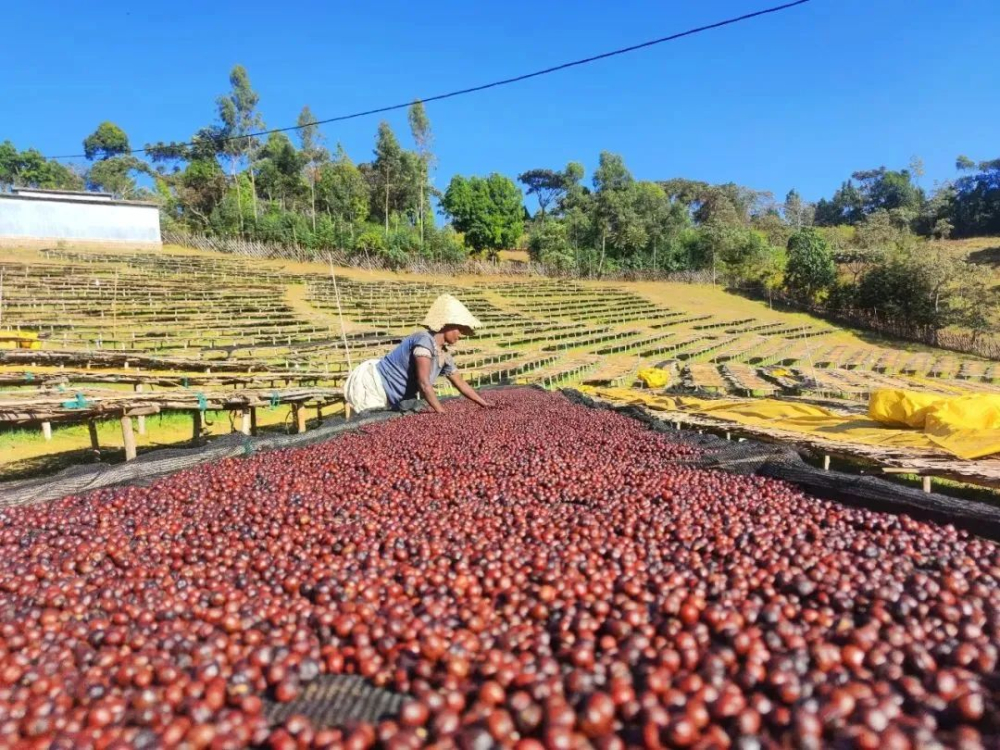
The sun-dried processing method, commonly referred to in English as Dry Process, Natural, or Sun Dried, involves drying the entire coffee cherry directly under the sun without removing the pulp or mucilage. This processing method is relatively simple—provided the weather is good and the sunlight is sufficient, whether it’s the elevated drying racks commonly seen in Africa or flat concrete surfaces, either can serve as a drying area.
Because during the sun-drying process, the coffee cherry’s skin, pulp, and mucilage are all fully involved in the drying, the rate of moisture evaporation is slower, usually requiring about twice as long as washed beans to complete. For example, in sunny Ethiopia, it typically takes around three weeks; whereas in some Central and South American farms, to achieve a richer fermentation profile, the drying period may even be extended to four to five weeks, using shade nets or wooden racks to control the drying rate.
This lengthy drying and fermentation process promotes the production of various volatile compounds by microorganisms within the fruit, especially esters, resulting in intense tropical fruit aromas and a round, layered sweetness. This is one of the reasons why sun-dried coffee has such captivating flavors.

As for honey processing, its name comes from the Spanish word "Miel," meaning honey. This technique can be traced back to Brazil’s Pulped Natural (semi-washed) method, which was primarily developed to save water. It was later popularized and refined in Costa Rica, gradually forming a unique style.
In the late 20th century, Costa Rica mainly used washed processing and had leading pulping and wet processing technologies. However, between 1997 and 2000, due to low international coffee prices, many farmers began processing coffee cherries themselves, giving rise to more diverse processing methods. Honey processing was born in this context and first gained international attention in 2006 when a farmer won accolades in the SC AA competition with honey-processed beans. Subsequently, after the 2008 earthquake, due to water shortages, this water-saving method became even more widely adopted.
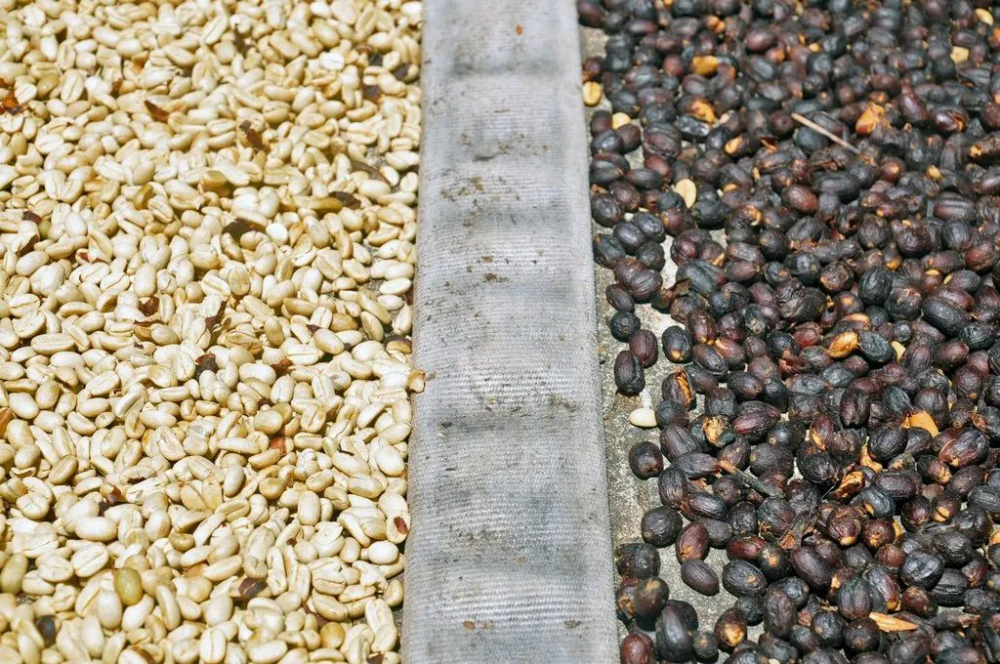
The classification of honey processing into black honey, red honey, and yellow honey is mainly determined by how much mucilage is retained before drying. Mucilage contains a high amount of sugar, which gradually oxidizes during the drying process, causing the beans’ appearance to change from yellow-white to golden, and even deep red or purplish-black. Generally speaking, the more mucilage retained—such as in black honey—the higher the fermentation level, resulting in flavors closer to sun-dried coffee, yet still maintaining a brighter acidity and rich sweetness.
The drying time for honey processing typically ranges between two to four weeks, shorter than sun-dried but longer than washed. Its flavor profile lies between the two, though leaning more toward the aromatic characteristics of sun-dried. For example, black honey-processed coffee often features the sweetness of ripe fruit or dried fruit, paired with a solid acidity—this is a combination rarely seen in traditional sun-dried coffee.
As for the common question, "Which is sweeter, honey processing or sun-dried?" there is no definitive answer. The level of sweetness in coffee mainly depends on innate factors such as variety, altitude, ripeness, and harvest timing. While processing methods influence sugar retention and transformation, they are not the sole decisive factors. The perception of sweetness is also closely related to the acidity, bitterness, and aroma profile of the coffee, requiring overall balance to stand out.
If you prefer coffee with a full body, rich mouthfeel, and rounded sweetness, you might want to prioritize sun-dried beans. If you lean more toward bright, sweet-yet-acidic flavors with delicate aftertastes, then honey-processed coffee may better suit your palate.
The above content is compiled by CoffeeHunters, a coffee news website.


