







Introduction:Honey processing is one of the most representative methods in Costa Rican coffee production. By adjusting the proportion of mucilage retention, it offers a diverse range of flavor profiles. This article delves into the processing procedures, drying differences, and flavor characteristics of yellow honey, red honey, black honey, and raisin honey, along with practical advice to help you better understand how to select and brew these bold, sweet specialty coffee beans.
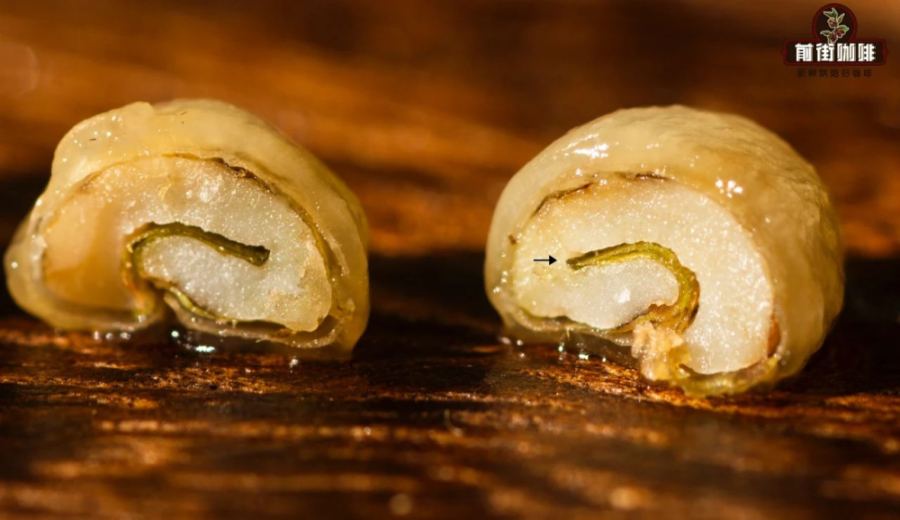
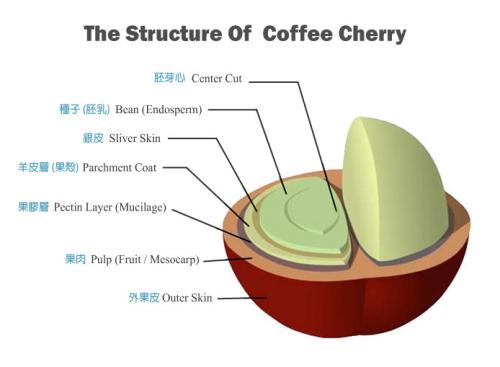
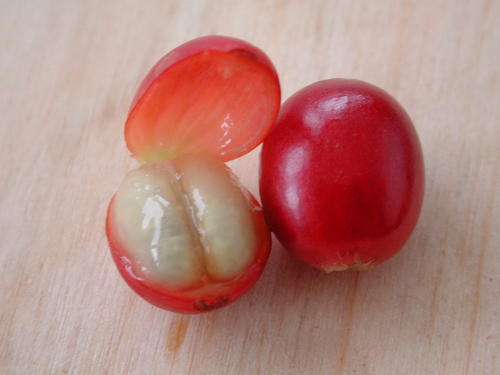
Fresh coffee cherries are composed from the outside in of skin, pulp, mucilage layer, parchment layer, silver skin, and at the very center is the familiar coffee bean. The essence of various processing methods is to gradually remove these outer layers, leaving only the innermost coffee bean, which is then properly dried to stabilize its flavor and quality. Honey processing falls between washed and natural sun-dried methods and is widely used in Costa Rica. Its key lies in retaining varying degrees of the mucilage layer, thereby influencing the final flavor direction of the coffee.
Honey processing can be subdivided into grades such as yellow honey, red honey, and black honey, and even more refined and challenging raisin honey processing. Each method differs in mucilage retention ratio, drying methods, and duration, resulting in unique flavor profiles. This article will detail the craftsmanship, drying strategies, and analyze the distinct flavor characteristics of these processing methods, giving you a more comprehensive understanding of honey processing.
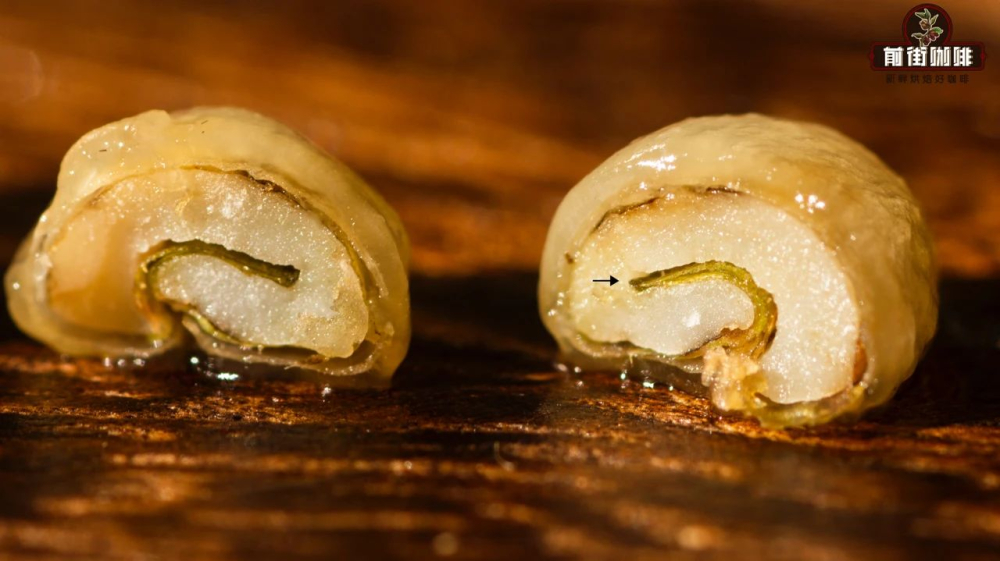
The composition of a coffee cherry from the outside in is: skin, pulp, mucilage layer, parchment layer (also called the husk), silver skin, and at the very center is the coffee bean. The processing involves peeling away these layers one by one, leaving only the silver skin-wrapped coffee bean, which is then dried to achieve a stable moisture content. Although it may sound like simply removing the outer layers, the actual operation is extremely intricate—especially since improper handling of the mucilage layer can lead to fermentation and spoilage of the sugars within, causing off-flavors in the entire batch.
It’s worth mentioning that the mucilage layer is rich in sugars and a key element in fermentation. If fermentation conditions are properly controlled, it can actually bring richer aromas, sweetness, and fermentative notes to the coffee. Therefore, when the production process is well managed, the mucilage layer is not a problem but rather a key to enhancing flavor.
Before processing, the first step is to select coffee cherries with sufficient ripeness. Unripe coffee fruits tend to be overly acidic and grassy, while ripe fruits have a mucilage layer rich in sugars, which can naturally present sweetness when processed properly. Just like fruits, green oranges tend to be sour, those turning yellow-orange offer a balanced sweet-tart profile, and fully ripe ones are predominantly sweet. Coffee cherries also follow a similar maturity transformation pattern.
Additionally, freshly harvested coffee cherries often contain some defective or unripe fruits, which require flotation. The coffee cherries are poured into a water tank, where healthy, ripe fruits sink to the bottom, while damaged, unripe, or poorly developed ones float. This step is crucial because even a single bad fruit involved in subsequent processing can affect the flavor of the entire batch, or even give the product a rotten taste.
Traditional natural sun-drying involves directly exposing the whole coffee cherry to the sun for drying, with both skin and pulp participating in the drying process. As a result, the resulting beans usually have a richer body and robust aroma, suitable for drinkers who prefer a full-bodied taste. Representative flavors can be found in classic naturally processed beans, which often exhibit distinct tropical fruit and wine-like characteristics.
Another common method, the washed process, first removes the skin and pulp, then washes away the mucilage layer with water, and finally sun-dries the clean coffee beans. Coffee processed this way usually has a clean mouthfeel, bright acidity, and good flavor balance, making it suitable for consumers who prefer a refreshing style.
Honey processing sits between washed and natural sun-dried methods. Its characteristic is the retention of part of the mucilage layer, allowing the coffee to retain opportunities for sugar fermentation during drying, resulting in richer sweetness and aromatic layers. This method is extremely common in Costa Rica and is also a signature processing method for many specialty coffee farms there.
The basic process of honey processing includes: selecting ripe coffee cherries, removing the outer skin and pulp but retaining the mucilage, controlling the drying environment to reduce the bean's moisture content to around 11%, and finally storing it until export. Among these, the proportion of mucilage retained is the key to determining the grade of honey processing, generally divided into three main types: yellow honey, red honey, and black honey, each with significant differences in mucilage retention rates and flavor expressions.
In Costa Rica, the grades of honey processing are often distinguished based on the mucilage (also called mucilage membrane) retention ratio, roughly categorized as 40%, 60%, 80%, and 100%. Yellow honey typically retains about 60% of the mucilage, red honey about 75%, while black honey retains almost all the mucilage, sometimes even reaching 100%. The more mucilage retained, the slower the drying process, and the more intense and sweet the resulting flavors.
Yellow honey processed green beans, due to their lower mucilage retention, usually undergo drying with more exposure to sunlight and can be dried within about a week in sunny weather. Red honey, retaining more mucilage, often requires 2–3 weeks of drying time, and sometimes shading is used to extend the fermentation and drying cycle. Black honey retains almost all the mucilage and has the longest drying period, usually exceeding two weeks, and must be conducted slowly in shaded, low-temperature environments to prevent over-fermentation. As a result, it has the highest labor and time costs and is relatively expensive.
The overall flavor profile of honey processed coffee is usually balanced between sweet and acidic, with intense aromas and a rich body. Thanks to the sun-drying process with mucilage, the coffee beans have more pronounced sweetness while also retaining distinct fruity and fermentative notes. Compared to the natural method, honey processing uses less water and has a shorter drying time, making the overall process more efficient—a popular choice in many Central American producing regions.
To experience the bold flavors of black honey processing, look for certain Costa Rican beans using medium-light roasts. These coffees often feature complex aromas such as orange blossom, berries, dried blueberries, and liquorice chocolate, suitable for pour over, cold brew, or espresso extraction—all of which can showcase their unique sweetness and layered profiles.
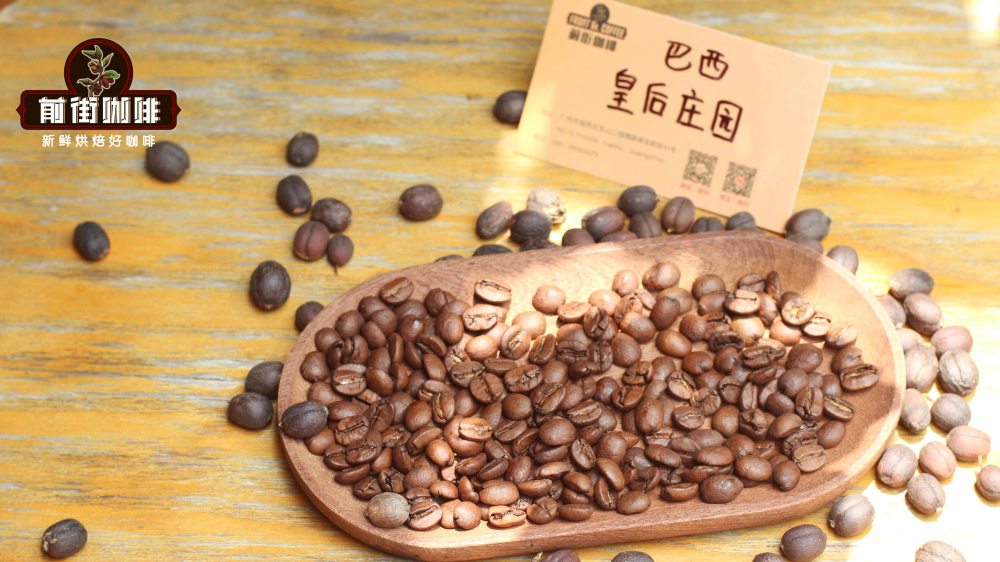
Raisin honey processing is the most meticulous type of honey processing. Its hallmark is the retention of 100% mucilage, and the entire process uses no water at all. This method demands extremely precise timing and climate control, making it a high-difficulty, premium-grade processing approach.
The process typically involves, on the day of harvest, first placing the coffee cherries into a water tank for flotation to remove floaters. The ripe beans that sink are then placed on raised beds to sun-dry for at least three days until the outer layer slightly shrinks. Afterwards, the skin is removed, leaving the intact mucilage layer for drying. This drying phase requires extreme caution—to avoid over-fermentation while ensuring sufficient sweetness development—thus necessitating frequent and even turning of the beans, along with strict control of temperature and humidity.
Coffee processed via raisin honey method often exhibits intense sweetness with an aroma reminiscent of white wine’s sweet-tart balance, along with very noticeable dried fruit and fermentative notes. These beans are ideal for coffee lovers who enjoy strong sweetness and unique fermentative characteristics.
Currently, you can also find premium beans from Costa Rica that use raisin honey processing on the market. These coffees, whether brewed via pour over or espresso, can deliver exceptional flavor complexity and sweetness, making them an excellent choice for advanced coffee enthusiasts.
The above content is compiled by CoffeeHunters, a coffee news website.


