







Introduction:As an important origin of specialty coffee in China, Yunnan boasts unique geographical conditions that nurture small-bean coffee with both fruity aroma and rich body. This article delves into the natural advantages of Yunnan’s four core producing regions, analyzes the flavor differences and cultivation challenges of the three major varieties—Typica, Bourbon, and Catimor—and provides practical insights into washed and natural processing methods. Paired with tested brewing parameters and cupping notes, it helps coffee enthusiasts better understand the potential and charm of Yunnan coffee.
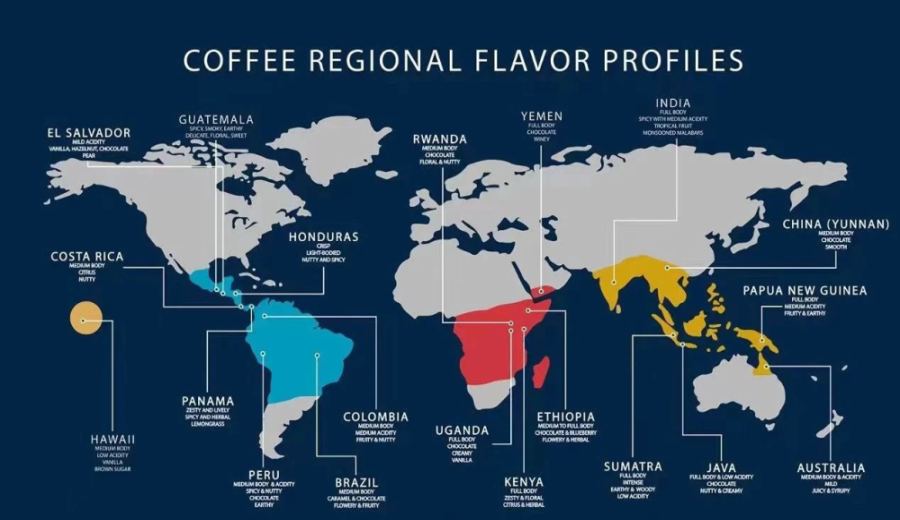
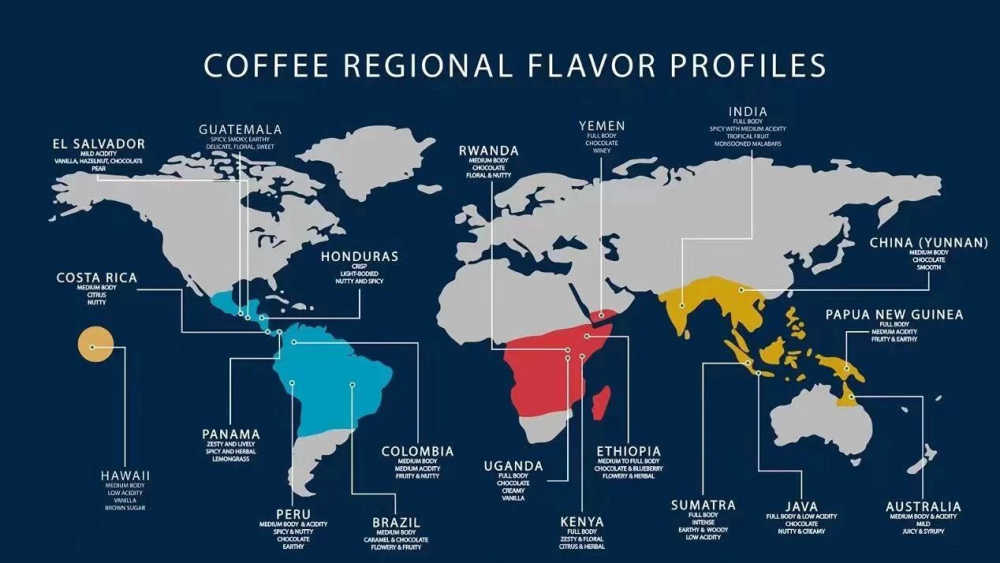
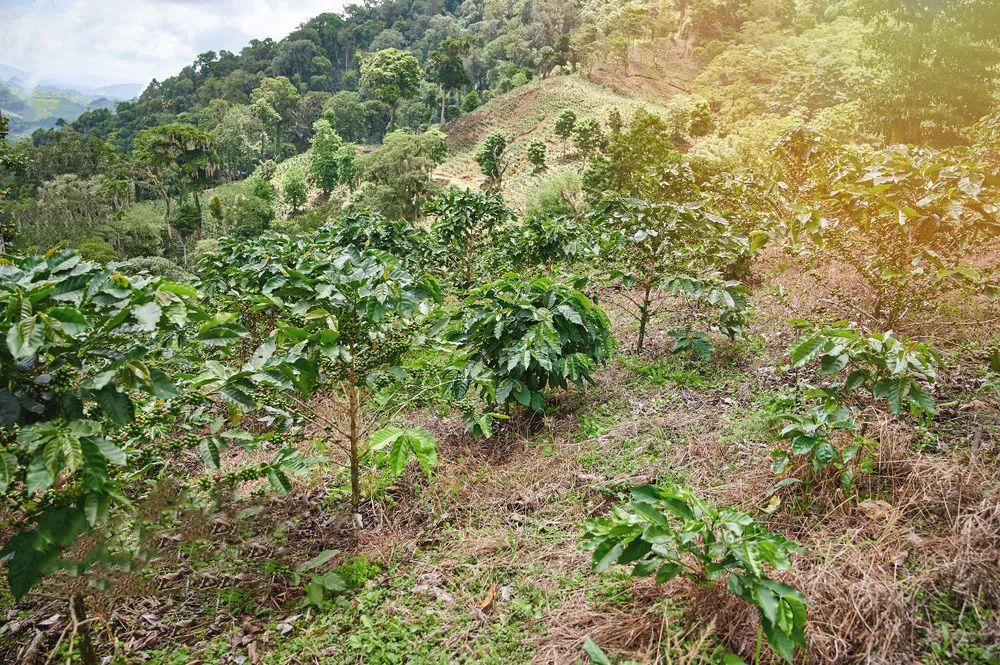
Located within the global coffee belt, Yunnan features both low latitude and high altitude, with climate conditions similar to those of Colombia, resulting in a distinctive flavor profile that is bold yet refreshing, with subtle fruity notes. The coffee-growing areas in this region are mainly distributed between 15°N and the Tropic of Cancer. The high-altitude environment extends the fruit ripening period, promoting the accumulation of flavor compounds and creating a uniquely characteristic flavor spectrum.
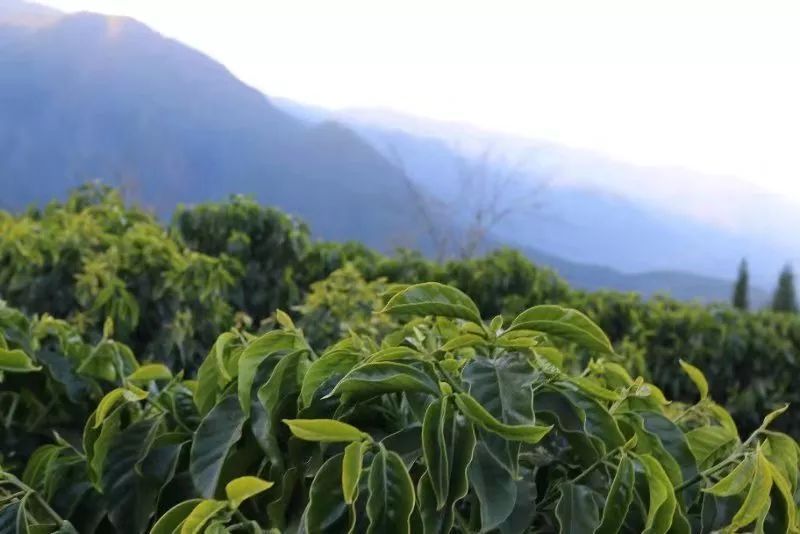
The world’s major coffee-producing regions are concentrated between 25°N and 25°S, spanning 79 countries. In China, the high-altitude areas of western and southern Yunnan are dominated by small-bean coffee varieties, while medium-bean varieties are more common in low-altitude regions. The significant day-night temperature variation, coupled with fertile soil and ample sunlight, provides an ideal growing environment for coffee trees, allowing the beans to mature slowly and accumulate rich flavors.
Yunnan’s coffee industry has gradually developed since the reform and opening-up. Initially, due to poor transportation, backward technology, and scattered planting models, most coffee beans were used only for instant coffee and low-end products. In recent years, with advancements in processing techniques and varietal improvements, the flavor potential of the producing regions has gradually drawn international market attention. Among them, Lincang, Baoshan, Pu’er, and Dehong form the four core producing regions, each showcasing unique microclimates and flavor characteristics.
Located near the Tropic of Cancer, Lincang enjoys an average annual temperature of 16.8°C to 17.2°C and distinct dry and wet seasons, with abundant sunlight and proximity to the Lancang River, providing stable growing conditions for coffee trees.A certain brand has established its own estate hereand launched its first self-produced coffee bean in 2021, showcasing the unique expression of the local terroir.
Baoshan is known for its three-dimensional climate, where “one mountain has four seasons, and ten miles have different weather.” Since 1952, it has accumulated over 60 years of planting experience. The region features significant altitude variations, and some high-altitude blocks produce coffee that can rival Jamaica Blue Mountain No. 1, earning a reputation as Asia’s best coffee-producing region. Notably, this area is also home to the world’s most expensive civet coffee, highlighting its biodiversity advantages.
Currently, Yunnan mainly cultivates the Catimor variety, a hybrid developed from the Timor variety (with 25% Robusta genes) and the Caturra mutant. While it offers improved disease resistance, it also comes with challenges such as weaker aroma, pronounced bitterness, and potential astringency.Typica and Bourbon, as traditional Arabica varieties, are renowned for their excellent flavor potential but face limitations such as low yield, susceptibility to rust disease, and high management costs.
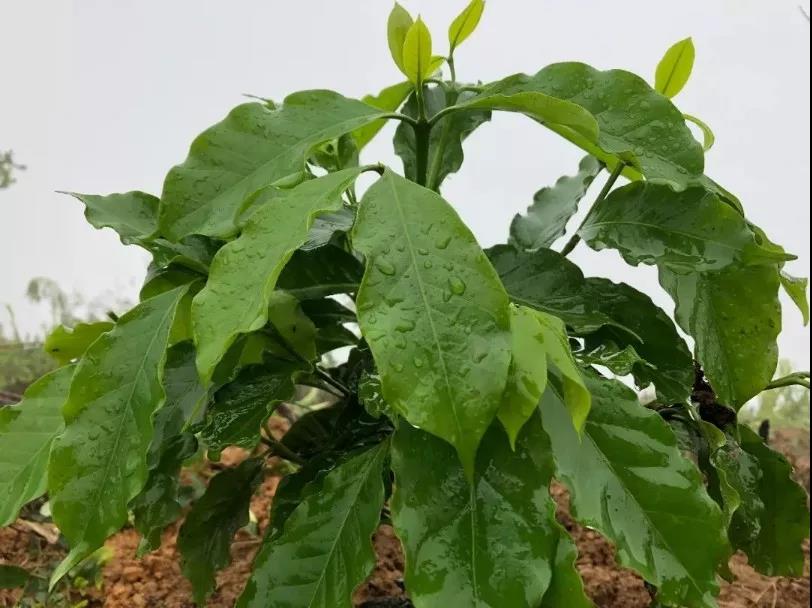
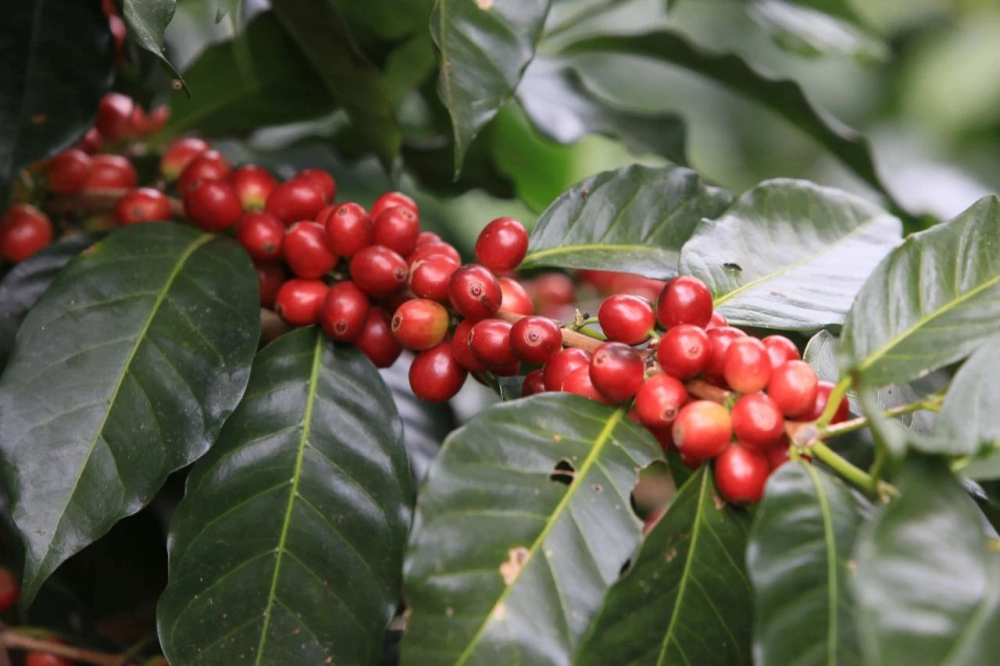
Typica originated from Ethiopia and Sudan. Its plants are robust but not tolerant to strong sunlight, with copper-colored top leaves, hence the name “red-top coffee.” Its specialty-grade flavor profile is widely recognized, but its low yield and high management requirements limit its market share. Bourbon, a mutation of Typica, is distinguished by its green-tipped young leaves and rich aromatic layers. It also has relatively low disease resistance and yield but has served as the foundation for varietal improvement in most Central and South American producing regions.

A certain brand introduced the Typica variety in Baoshan, creating the representative “2013 Typica” with local characteristics. This batch was processed using the washed method, planted at an altitude of 1,200 meters, and reached AA grade. Cupping notes reveal a blend of melon, herbal aromas, and nutty tones, with a smooth mouthfeel and milk chocolate flavors in the mid-palate, followed by plum acidity and black tea undertones in the finish, showcasing a clear layering effect.
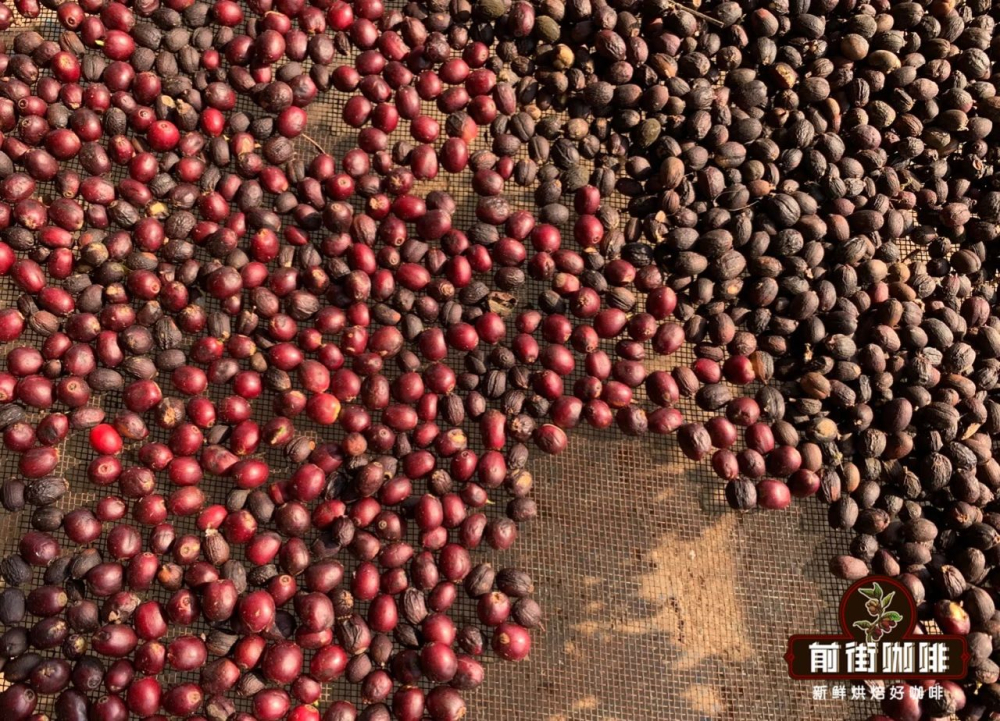
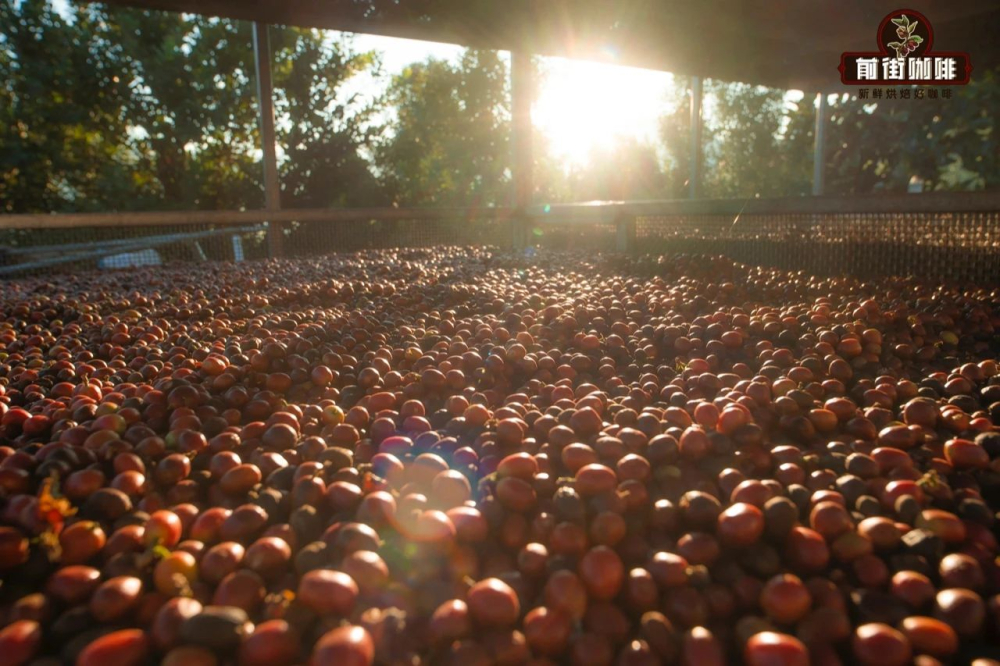
In terms of processing methods, washed and natural are the traditional techniques that best highlight the intrinsic flavors of the producing region.Washed processing involves removing the pulp through fermentation, enhancing clarity and cleanliness in acidity; natural processing retains the entire mucilage layer, imparting richer sweetness and fruitiness. A roaster from a certain brand emphasizes that details such as fermentation time and drying temperature can significantly influence the final flavor profile.
For actual brewing, it is recommended to use a V60 filter cone, leveraging its wide aperture and spiral ribs to improve extraction efficiency. Suggested parameters: a 1:15 coffee-to-water ratio, medium-fine grind (80% through a 20-mesh sieve), and water temperature of 90–92°C. The step-by-step extraction process is as follows: 30g water for a 30-second bloom, then pour water up to 124g with a slow stream before adjusting the air vent. After the first crack develops for 3 minutes, finish at 227g, with a total brew time of about 2 minutes. These parameters effectively balance the bright fruit acidity and rich body of Yunnan coffee.
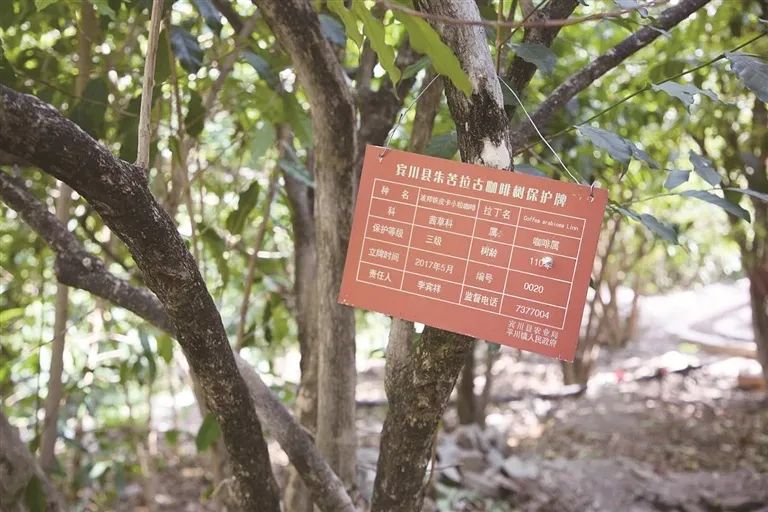
Looking at the development of Yunnan’s coffee-producing regions, from the century-old coffee forests of Zhujiula Village to the refined processing of modern estates, their flavor potential and industry potential continue to attract market attention. Whether exploring the classic flavors of Typica or experiencing the bold expression of Catimor, understanding the interplay of varietal characteristics, processing methods, and brewing parameters is key to deeply appreciating Yunnan coffee.
The above content is compiled by CoffeeHunters, a coffee news website.


