







Introduction:Why does pour over coffee suit coarser coffee grounds? From the principles of extraction, a comparison of common grind sizes, to the water-to-coffee ratio settings for Americano and the step-by-step process for making iced Americano, this article breaks down the core factors that influence the flavor of filtered coffee in an easy-to-understand way. Whether you’re a beginner to pour over or looking to recreate café-quality Americano at home, you’ll gain practical tips and key parameters here.
The grind size of coffee beans is a key variable that affects extraction efficiency and flavor expression. The requirements for coffee particle size differ greatly between pour over coffee makers and espresso machines, and choosing the wrong grind can easily lead to over-extraction or under-extraction. Understanding the appropriate grind sizes for different brewing methods helps you control the extraction outcome more precisely, producing a cup of black coffee with distinct layers and balanced flavors.
Why does pour over coffee suit coarser coffee grounds?
The term “Americano” commonly refers to two forms: one is black coffee directly brewed using a drip coffee maker, and the other is a drink made by diluting espresso with hot water. In many cafés, what is called an Americano mostly falls into the latter category, while the former is usually specifically referred to as “drip coffee” to avoid confusion.
The heating system of a drip coffee machine typically maintains the water temperature in a higher range, and its water dispensing method resembles a showerhead, evenly sprinkling hot water over the coffee grounds. If overly fine coffee grounds are used, the contact area with hot water increases significantly, accelerating the extraction process and easily leading to over-extraction, resulting in noticeable bitterness and astringency. Therefore,it is recommended to use a medium to coarse grind for pour over coffee, which helps prolong the extraction time while avoiding excessive flavor release.
In contrast, espresso machines require high pressure and a compact coffee puck to control extraction when making espresso, thus needing extremely fine coffee grounds to ensure the effective extraction of coffee essence and crema even under high-pressure conditions. This is also why the two brewing methods have vastly different requirements for coffee grind size.
Common coffee grind sizes and selection recommendations
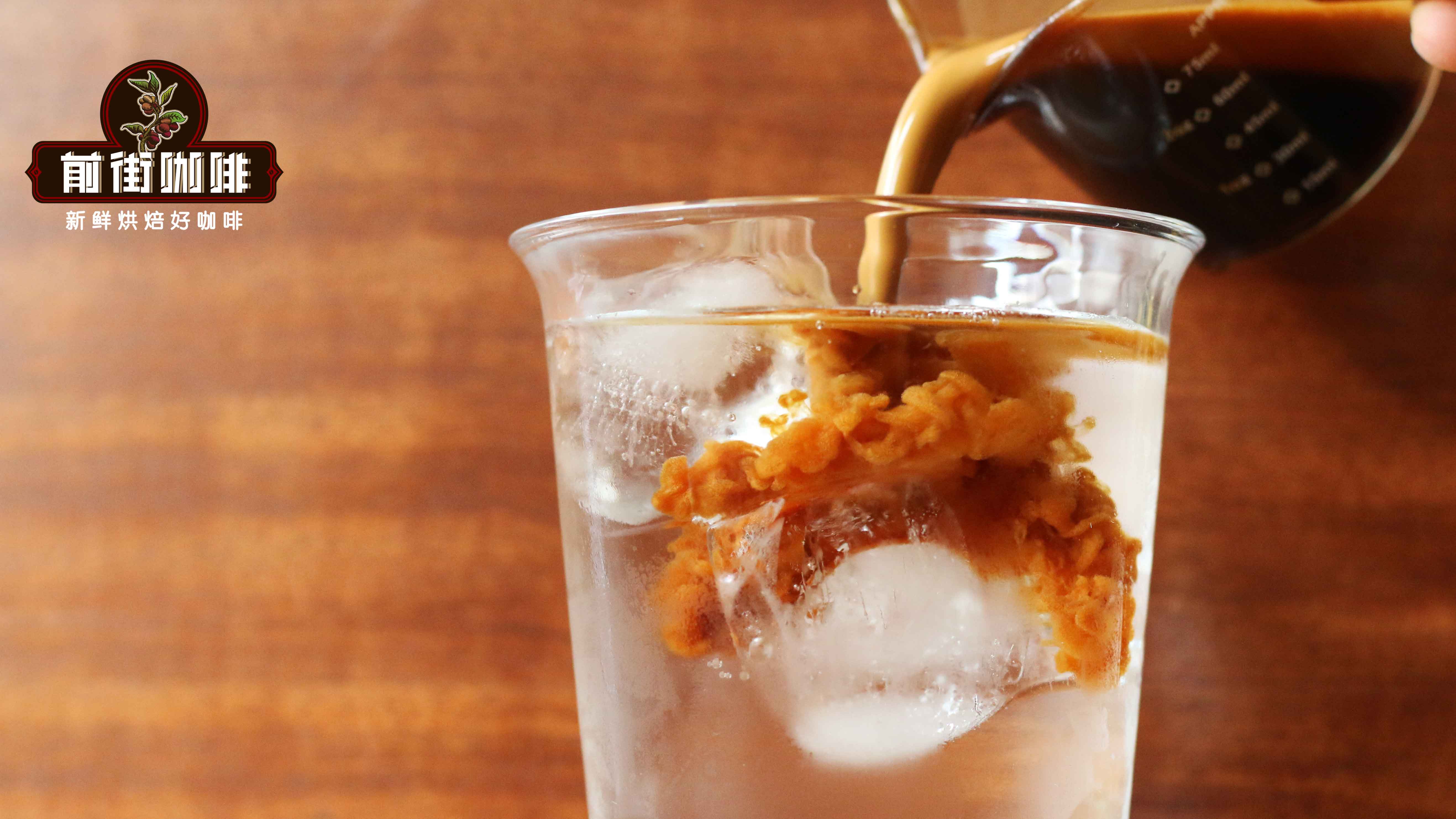
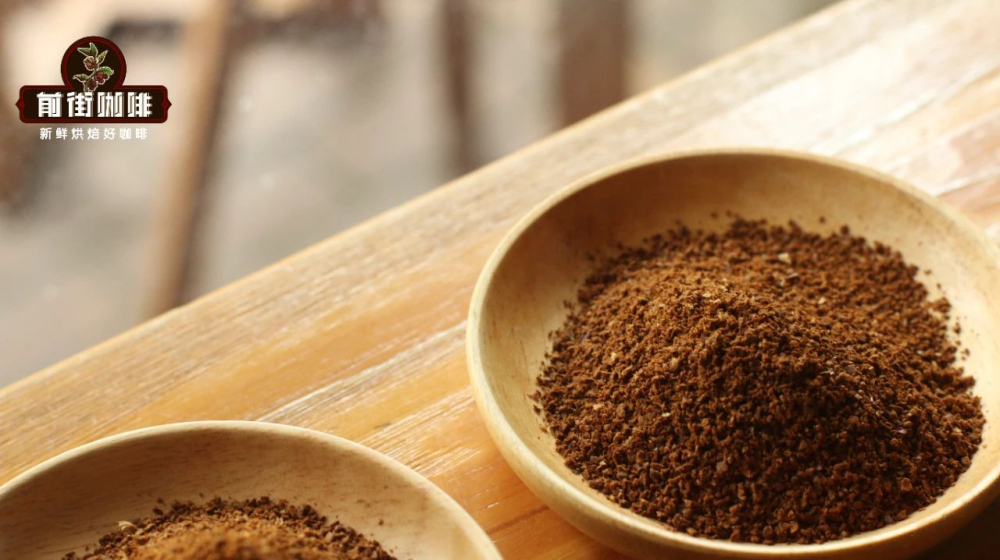
In the world of coffee grinding, grind sizes can generally be divided into extremely coarse, coarse, medium-coarse, medium, medium-fine, fine, and extremely fine. Pour over coffee typically falls between medium-coarse and coarse, similar in texture to sea salt or coarse sugar; whereas espresso requires an almost powdery, extremely fine grind. Choosing the right grind size is the first step to ensuring balanced flavor.
Americano coffee bean selection: single origin vs. blend
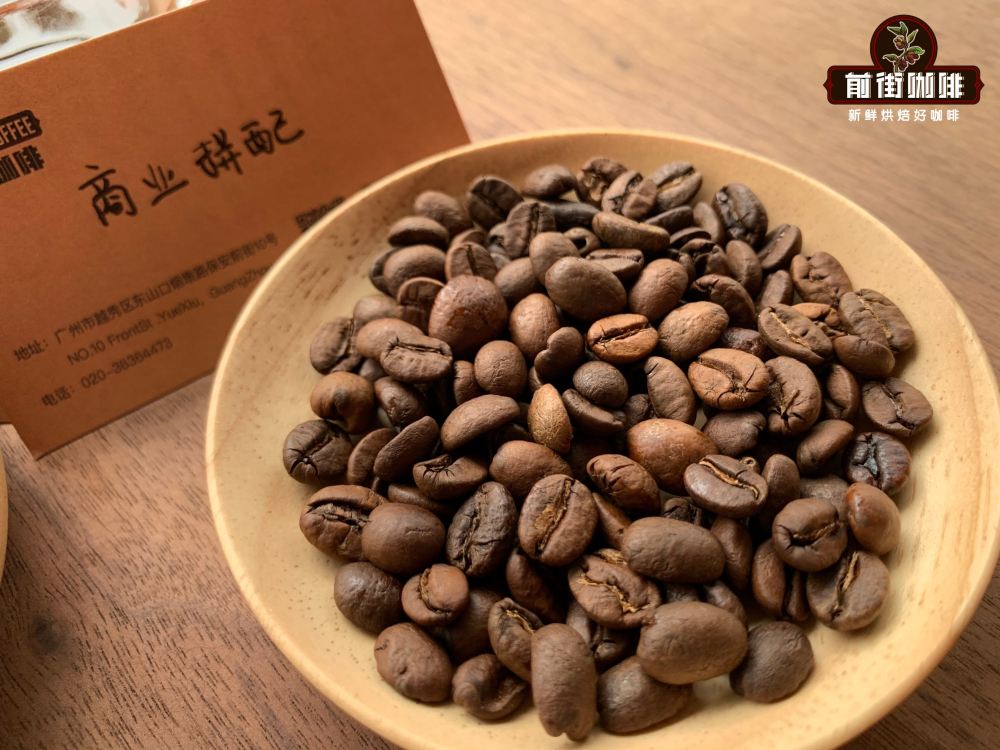
For pour over Americano coffee, many coffee enthusiasts prefer using single-origin beans to highlight the unique flavor characteristics of that particular bean, such as bright acidity, rich floral notes, or a robust chocolate profile. However, in commercial cafés, the espresso used as the base for Americano is mostly made from blended beans.
Blended beans are typically composed of two to three different types of coffee beans from various regions, aiming to combine the strengths of each bean variety to create a more balanced and layered flavor profile. Blending strategies can effectively reduce the dominance of any single flavor, ensuring that the espresso remains harmonious under high-pressure extraction and avoids unpleasant sharpness.
For example, some blends may combine the body of Central and South American beans with the bright acidity of African beans, resulting in a complex flavor of chocolate, caramel, and fruit. This blending approach makes espresso a more universally acceptable base, suitable for a variety of coffee beverage preparations.
Water-to-coffee ratio and practical guide to making Americano
The traditional method for making Americano involves mixing a shot of espresso with hot water at a certain ratio. A common water-to-coffee ratio is about 1:8, meaning 40 ml of a double shot of espresso mixed with 320 ml of hot water. However, the actual ratio may vary depending on the coffee bean characteristics, brewing equipment, and personal taste, generally ranging between 1:7 and 1:9.
To find the water-to-coffee ratio that best suits your taste, it’s recommended to test and taste through actual brewing. You can start by brewing at a preset ratio, such as 1:4, then gradually increase the water amount to 1:4.5, 1:5, tasting the flavor at each stage and noting changes in acidity, sweetness, body, and aftertaste, thereby identifying the most palatable range. Then fine-tune within that range to recreate the optimal taste.
As a practical example, some cafés have found that a certain blend performs best at a 1:4.5 ratio, showcasing optimal wine-like and cocoa aftertastes while maintaining moderate body and smooth mouthfeel. It’s suggested that when brewing at home, you can also adopt a similar method, experimenting multiple times to find your own golden ratio.
General brewing parameters for hot Americano can refer to using water around 85°C, combining 40 ml of espresso with 180 ml of water, adjusting strength according to personal preference. Mastering water temperature and ratio is key to brewing a delicious Americano.
Espresso extraction parameters and flavor expression
The parameter settings for making espresso have a decisive impact on the final flavor. Common extraction conditions include: grind size around 1.6 (depending on the grinder model), extraction pressure of 9 bar, water temperature controlled between 90.5–96°C, total extraction time of about 20–30 seconds, recommended coffee dose of 20 grams, with a target yield of 40 ml.
Under these parameters, espresso typically presents a smooth mouthfeel and moderate body, with noticeable fruity acidity and berry aromas upon entry, accompanied by whiskey-like notes and a rich chocolate profile, with a sweet and lingering aftertaste, providing a solid foundation for subsequent drinks like Americano or latte.
Steps and flavor characteristics of making iced Americano
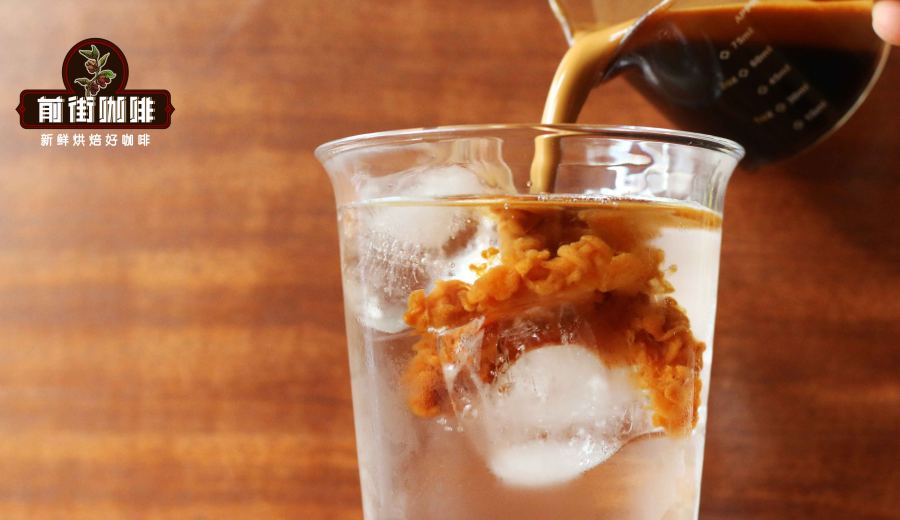
Making iced Americano is relatively simple, yet still requires attention to ratio and detail. The general method is to mix a double shot of espresso with iced water at a 1:7 ratio, using a mixture of pre-chilled ice and cold water to maintain the coffee’s flavor.
In practice, first prepare a double shot of espresso using standard espresso extraction parameters, then pour it into a cup containing 280 ml of an ice water mixture, gently stir to combine, and enjoy. This method preserves the intense flavor of the espresso while the cooling effect of the ice delivers a refreshing and smooth mouthfeel, extending the duration of the flavor.
Taking a certain blend as an example, the resulting iced Americano showcases distinct chocolate and whiskey notes, with a refreshing and layered taste, and a long-lasting aroma and chocolate aftertaste in the finish, making it highly suitable for summer or consumers who prefer chilled beverages.
The above content is compiled by CoffeeHunters, a coffee news website.


