







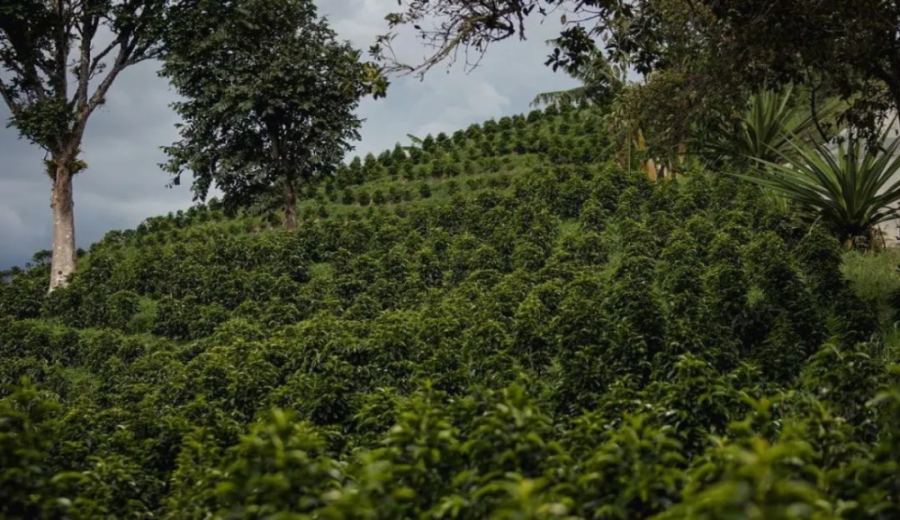
Introduction:The Huila region of Colombia is renowned for its high-altitude volcanic soils and stands as one of the world’s key sources of specialty coffee. This article delves into the region’s geographical environment and smallholder farming model, analyzes the characteristics of its mainstream washed processing method, and explores the adaptability and flavor potential of the Caturra variety. Practical pour over recommendations for medium-dark roasted beans are also provided to help you better grasp the key brewing points and optimal flavor expression of Huila coffee.
The Huila (Huila) region of Colombia has become an unmistakable name in the specialty coffee market in recent years, thanks to its exceptional geographical location and microclimatic conditions. Nestled at the southern foothills of the Andes Mountains, Huila boasts not only fertile volcanic soils but also stable and ample rainfall along with moderate day-night temperature variations. Such an environment creates ideal conditions for high-altitude coffee cultivation, and the coffee produced here generally exhibits bright acidity, a rich body, and complex layers of flavor.
The Rise of the Huila Region and Its Geographic Advantages
Huila Province is located in the southwest of Colombia, adjacent to the famous Huila Volcano. This volcano erupts periodically, depositing large amounts of mineral-rich volcanic ash on the surrounding land, greatly enhancing soil fertility and drainage—conditions that are highly beneficial for coffee tree growth. The Huila region gradually emerged as a prominent coffee origin in the 21st century and officially received official appellation of origin certification in 2013, becoming a focal point for specialty coffee enthusiasts.
The region enjoys mild year-round weather, with average altitudes typically ranging between 1,600 and 2,100 meters. The high-altitude environment slows the ripening process of coffee cherries, aiding in the accumulation of flavor compounds and resulting in a distinct balance of acidity and sweetness, along with aroma notes of chocolate and nuts.
Smallholder Farming and Washed Processing: Keys to Preserving Original Flavors
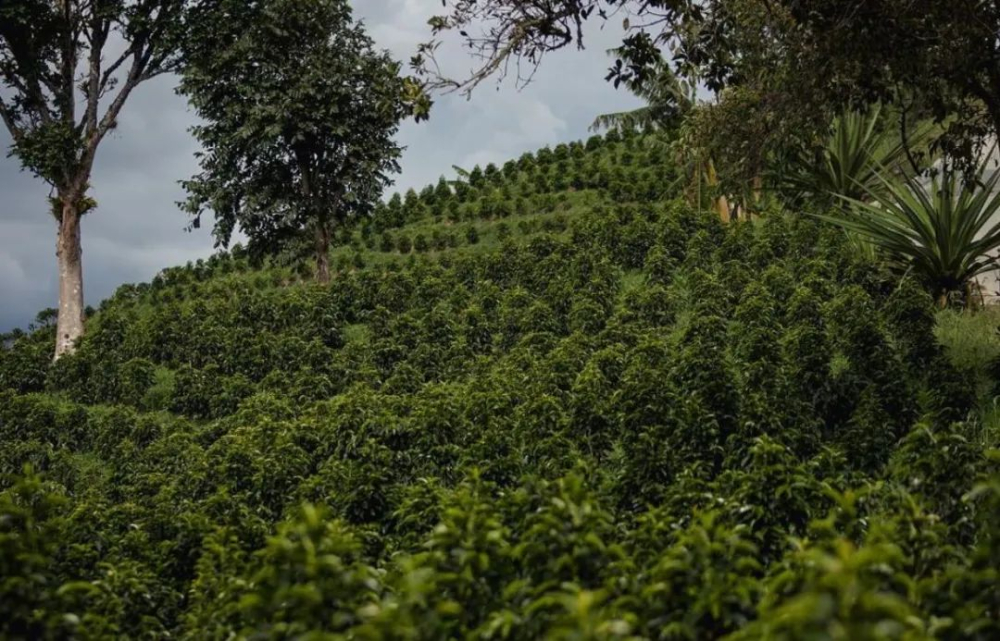
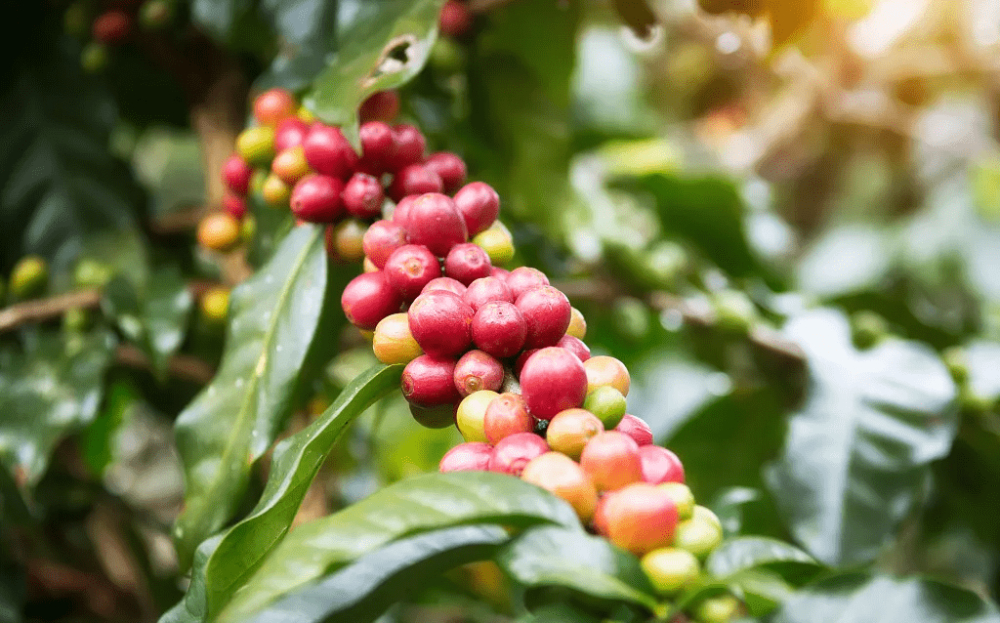
The Huila region is dominated by small family farms, with typical farm sizes not exceeding 1.5 hectares. Farmers often plant shade trees within their coffee fields, which not only help regulate the microclimate but also promote even ripening of the coffee cherries. During harvest, farmers selectively pick only fully ripe red cherries, ensuring strict quality control from the very beginning.
In terms of processing methods, washed processing is the mainstream technique for Huila coffee. This method clearly highlights the inherent flavor characteristics of the coffee without being overly influenced by fermentation flavors. Local farmers commonly use simple yet efficient green bean processing equipment (such as Ecomill or Eco-Pulper) to first remove the skin and most of the fruit pulp, then utilize a small amount of water and fermentation tanks to remove residual mucilage, and finally dry the parchment coffee in the sun until it reaches the target moisture content.
Washed processing not only maintains the coffee’s cleanliness and bright acidity but also helps stabilize batch consistency, making it an ideal choice for many coffee lovers who are new to the flavors of Huila.
The Caturra Variety: A Model of High-Altitude Adaptability and Stable Yield
One of the most commonly cultivated varieties in Huila is Caturra, a natural mutation of Bourbon first discovered in Brazil in 1937. Caturra plants are relatively short in stature, facilitating harvesting, and they exhibit a certain level of resistance to leaf rust, making them well-suited for high-altitude cultivation.
This variety thrives across a wide range of altitudes, from approximately 700 to 1,700 meters, but its flavor performance tends to be even more outstanding at higher elevations, with brighter acidity and richer sweetness, although yields per unit may slightly decrease. Caturra is also the economically practical and flavorful variety commonly chosen by smallholder farmers in the Huila region.
Medium-Dark Roasted Huila Beans: Pour Over Recommendations and Use of the KONO Filter
For medium-dark roasted coffee beans from the Huila region, we recommend using the KONO filter for pour over to fully showcase its rich tones of chocolate, nuts, and caramel. The medium-dark roast results in a looser coffee bean structure and faster water absorption, so it is advised to usea medium grind size (e.g., about 75% passing through a 20-mesh sieve)and to set the water temperature ataround 90°Cto avoid over-extraction and unwanted off-flavors.
Below are practical pour over parameters and steps:
- Filter: KONO
- Grind Size: Medium (about 75% passing through a 20-mesh sieve)
- Water Temperature: 90°C
- Coffee-to-Water Ratio: 1:15
- Coffee Dose: 15 grams
- Extraction Method: Three-pour
Step-by-step Instructions: Place the coffee grounds in the filter, then pour hot water equal to twice the coffee dose (approximately 30 grams) for the bloom, letting it sit for about 30 seconds. Next, pour water in a slow, circular motion from the inside out to reach 125 grams, pausing briefly; once the coffee bed settles, continue pouring to 225 grams, with total extraction time controlled to around 2 minutes. These parameters help achieve a balanced body and clear flavor profile.
The brewed coffee delivers immediate notes of chocolate and nuts, with a lingering caramel sweetness in the aftertaste. The acidity is soft and layered, becoming even smoother and rounder as it cools slightly, making it an excellent choice as an everyday single-origin coffee.
The above content is compiled by CoffeeHunters, a coffee news website.


