








Introduction:Latin America is a major source of specialty coffee worldwide. From Brazil to Colombia, Panama to Guatemala, these regions not only vary greatly in geographic conditions but also, through diverse processing techniques and variety selections, produce unique coffee flavor profiles. This article will take an in-depth look at the characteristics of eight major coffee-producing regions in Latin America, including their regional distribution, common processing methods, cupping features, and pour over recommendations, along with practical extraction parameters to help readers find their preferred Latin American coffee flavor.
Latin America is one of the world’s foremost coffee-producing regions, encompassing countries such as Brazil, Colombia, Panama, Costa Rica, Honduras, Jamaica, Guatemala, and the highly representative Jamaica Blue Mountain. Due to differences in climate, altitude, and cultivation techniques, the coffee produced in these countries each has its own distinct characteristics in terms of flavor, sweetness-acidity balance, and processing style. Whether you prefer a rich chocolatey profile or enjoy bright fruity acidity and floral notes, you can find your ideal choice among Latin American coffees.
The global coffee belt can be roughly divided into three major zones: Africa, Asia-Pacific, and Latin America (Central and South America). These three regions each exhibit distinct flavor characteristics — African coffees are known for their bright acidity, Asian coffees showcase rich herbal notes and body, while Latin American coffees mostly fall between the two, characterized by chocolate, nuts, and balanced body. This article will focus on Latin America, taking you on a journey to understand the diverse coffee profiles nurtured in this region.
To quickly grasp the overall style and variety composition of Central and South American coffees, it’s helpful to start by understanding the geographic environments and common processing methods of the main producing regions. These countries mostly cultivate Arabica varieties, often grown at mid-to-high altitudes, which allows them to express delicate acidity and rich aromatic layers.
Latin America spans a vast area south of the United States, including Mexico (often considered part of North America), Central America, the Caribbean islands, and South America. The climate here is mostly tropical and subtropical. Low-altitude areas are typically humid and hot, while high-altitude regions, with their significant day-night temperature differences and dry air, provide ideal environments for growing high-quality coffee. Due to variations in altitude and climate, even neighboring regions can produce coffee with markedly different characteristics.
The history of coffee cultivation in Latin America dates back to the 18th century and is closely tied to the colonial histories of Spain and Portugal. Although early coffee cultivation focused mainly on expansion with relatively loose quality management, with the rise of the specialty coffee concept, countries have gradually shifted toward more refined farming and processing practices, with exports as the main orientation. Major markets include the United States, Europe, and Asia.
Overall, Latin American coffees are known for their balance and body. Unlike the pronounced fruit acidity of African beans or the bold herbal notes of Asian beans, they tend to feature chocolate, nuts, and soft fruit aromas, making them well-suited for coffee lovers who prefer stable flavor profiles. In terms of processing methods, washed process is the most common, while Brazil, due to climatic factors, often employs pulped natural or natural processes, resulting in typically plump and large beans.
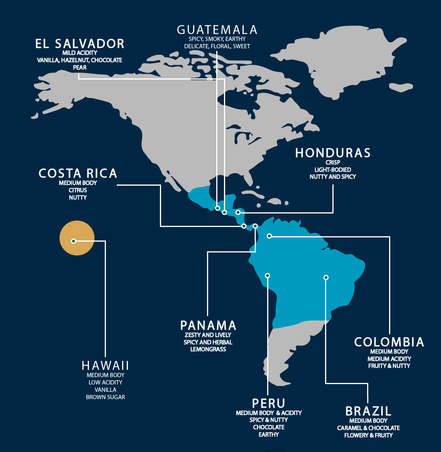
The following will introduce eight major coffee-producing countries in Latin America one by one, covering their regional environments, processing characteristics, cupping performance, and practical pour over suggestions, to help you gain an in-depth understanding of the unique charm of these regions.
1. Brazil | Rich and Nutty Profile, Representative of Pulped Natural and Natural Processes
As the world’s largest coffee producer, Brazil not only boasts impressive output but is also a key supplier of specialty coffee globally. Although it was once often perceived as having a rather mild flavor, with advancements in processing technology, Brazilian coffee has in recent years also demonstrated surprising qualities in aroma and complexity. Brazilian coffee generally features low acidity, with strong nutty and chocolatey notes, making it suitable for those who prefer a mellow and full-bodied taste.
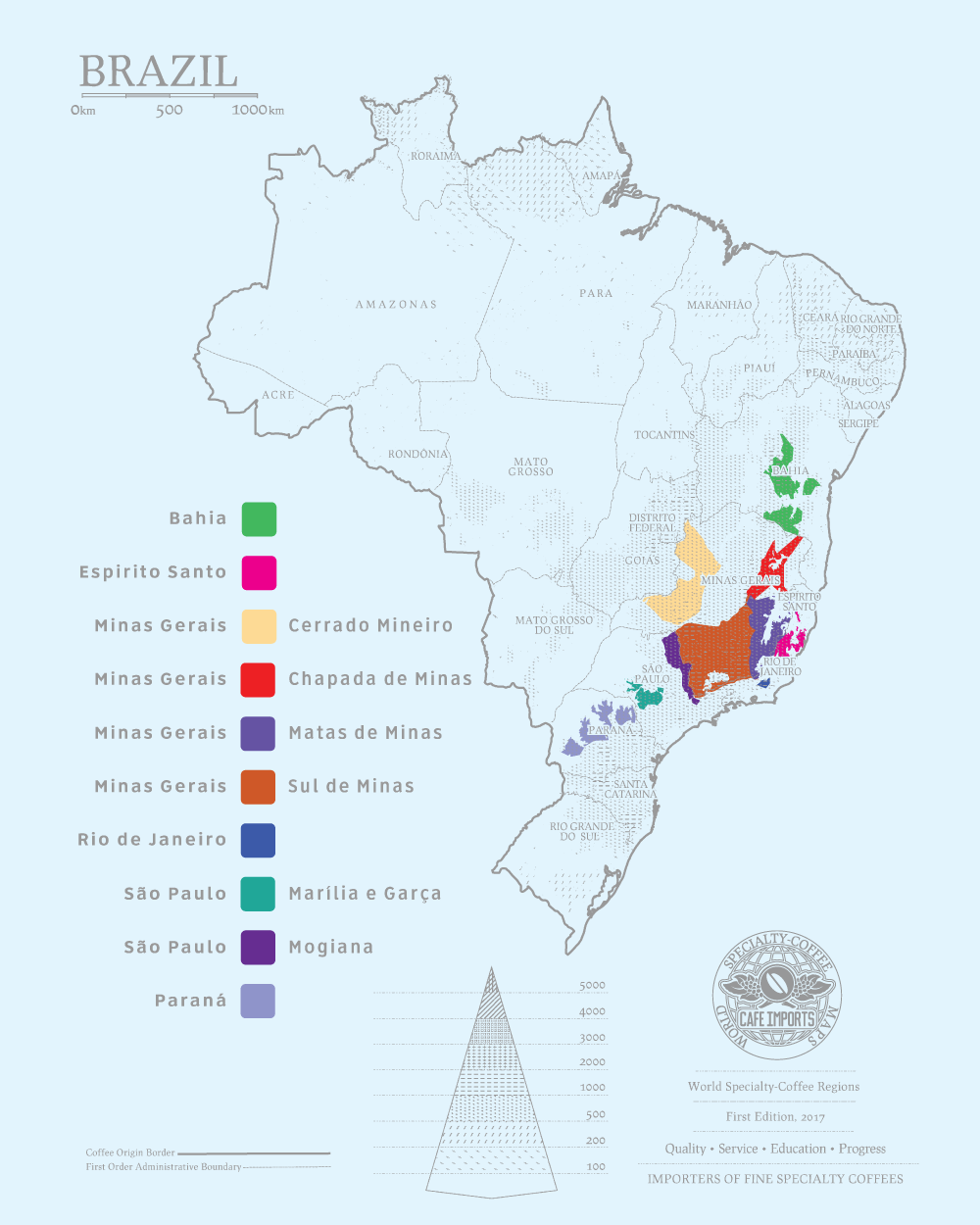
Brazil employs a variety of processing methods, commonly including natural, pulped natural, and washed. Due to the relatively low altitude of most producing regions and the predominantly unshaded cultivation, the flavors tend to be more restrained, which further highlights their rich base notes. In high-altitude and high-humidity areas, the washed method is more common; whereas in drier regions, natural or pulped natural processes are often chosen to enhance sweetness and aroma.
The main producing regions are concentrated in Minas Gerais, São Paulo, Bahia, and Espírito Santo, which together account for 90% of the country’s coffee exports. Among them, the Cerrado and Sul de Minas in Minas Gerais, as well as Mogiana in São Paulo, are well-known specialty coffee regions.
Brazil’s coffee bean grading standards differ from those of other regions. Rather than being based on altitude, classification is determined by bean size, defect rate, cupping score, and flavor profile. Common grades include Strictly Soft (very mild), Soft (mild), NY.2 (very low defects), etc., and bean sizes of 17 and 18 screens are typically regarded as indicators of high quality.
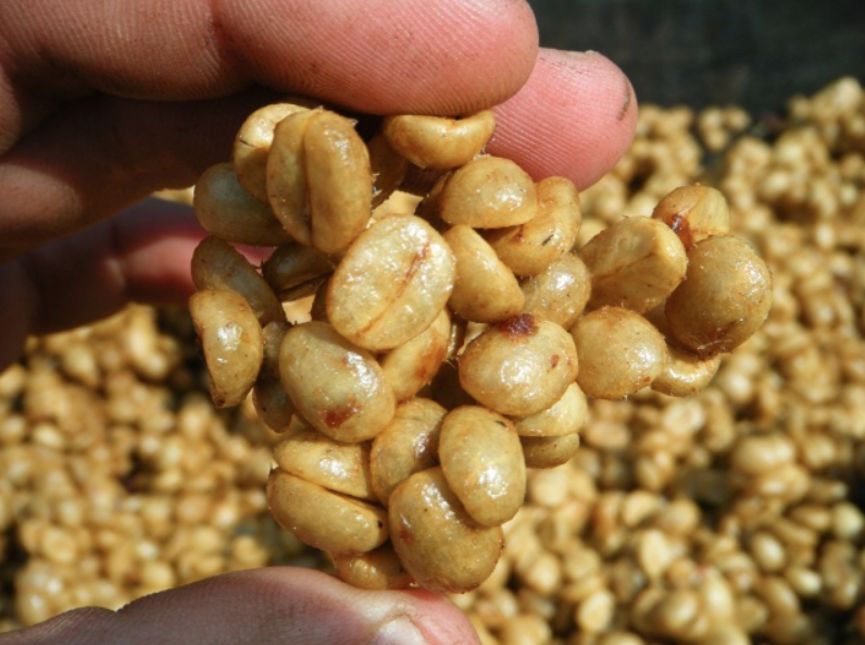
A certain coffee brand once used Yellow Bourbon from Fazenda Rainha for a pour over demonstration. The coffee is from Mogiana in São Paulo, grown at 1400–1950 meters altitude and processed using the natural method. It is recommended to use a Kono filter, brew at 88°C, with a 1:15 coffee-to-water ratio, medium-fine grind, and a pulse pouring method, which can fully bring out its sweetness, lemon aroma, and black chocolate aftertaste.
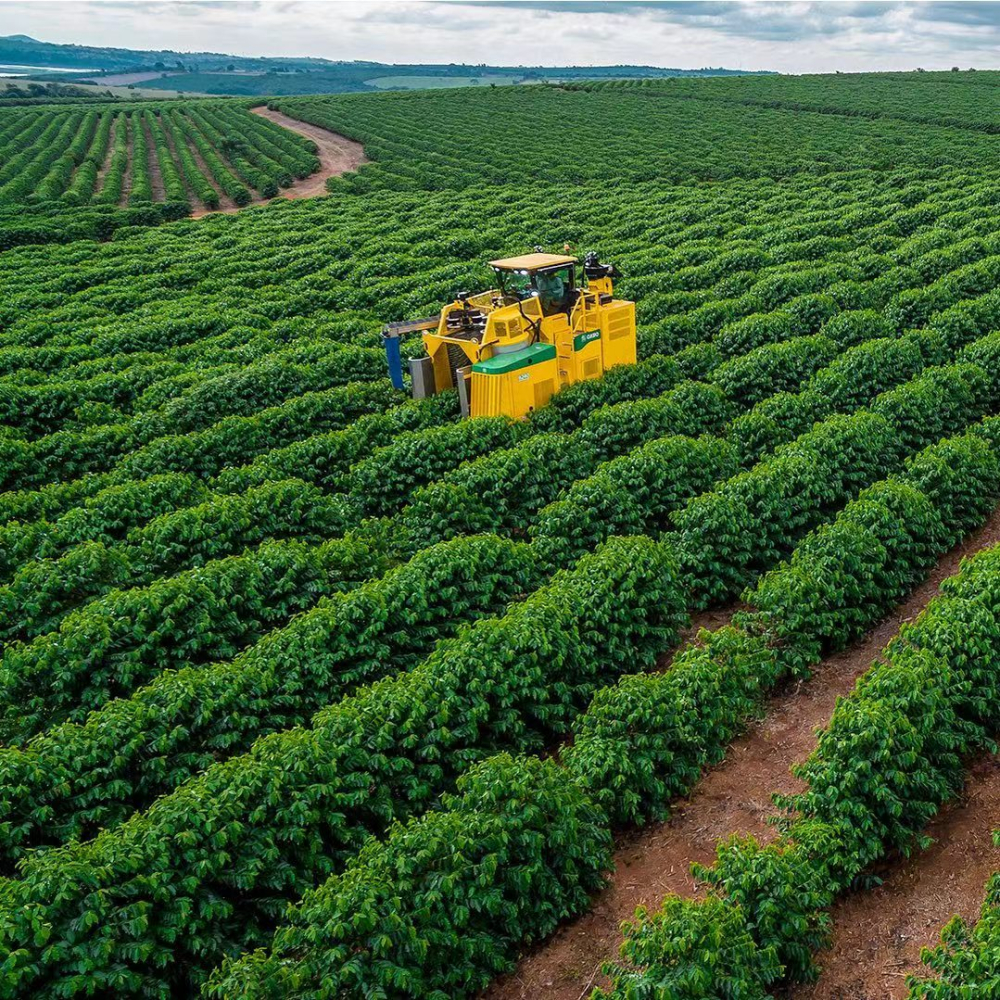
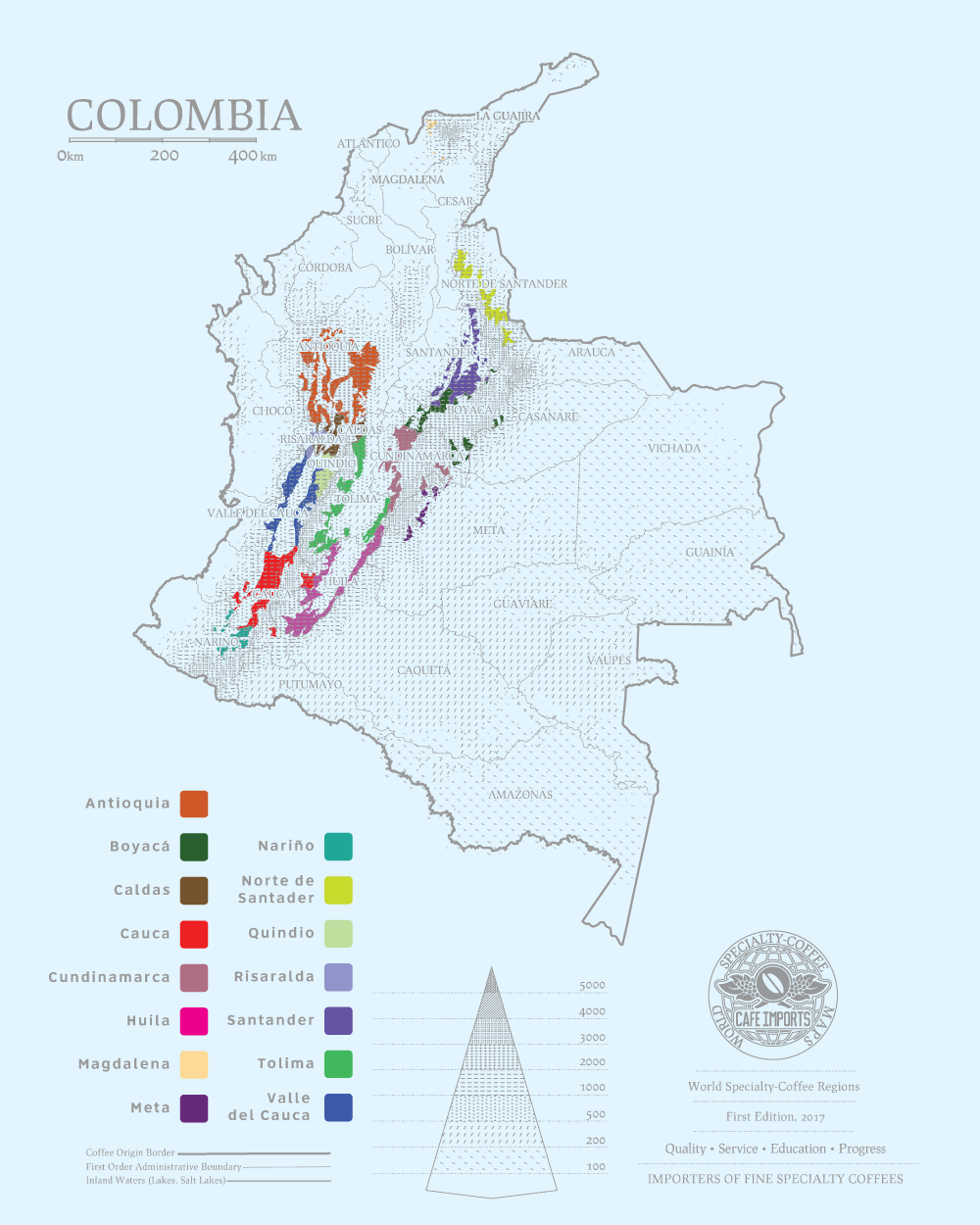
2. Colombia | Well-Balanced, Nutty and Fruity Acidity Coexisting
Colombia is the world’s third-largest coffee producer, known for the balance in its coffee. Its acidity is clear yet not overly sharp, accompanied by a rich base of nuts and dark chocolate. Due to its mountainous terrain and climate variations with altitude, Colombia showcases a diversity of microclimates within a single country, contributing to the richness of its flavors.
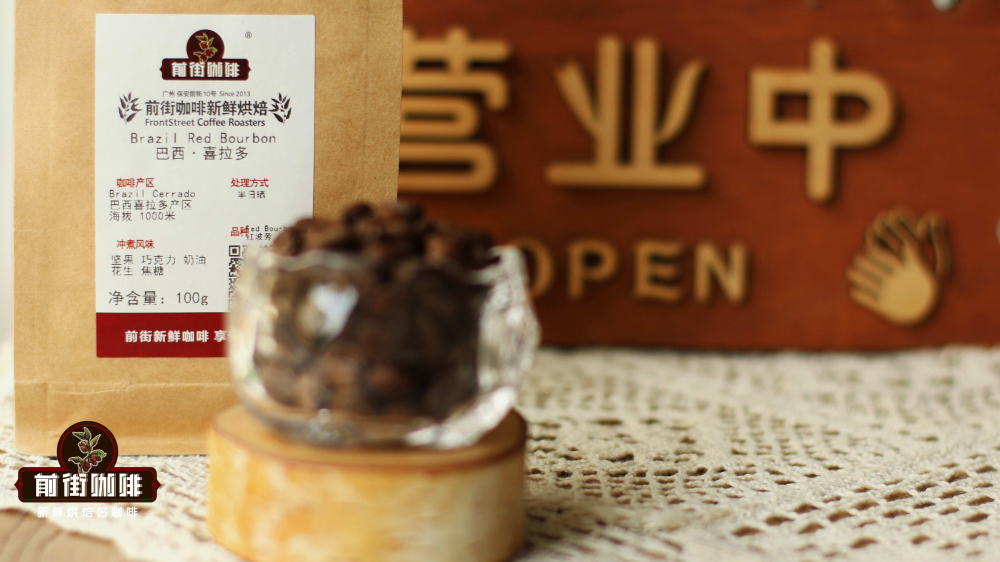
Colombia mainly uses the washed process, and much of it is processed by smallholder farmers themselves, resulting in relatively consistent quality control. The bean shape differs noticeably from Brazil’s, with more silver skin, and the cleanliness and aroma after processing also have their unique merits. In recent years, innovative techniques such as anaerobic processing have gradually been introduced, bringing more possibilities to Colombian coffee.
The producing regions are divided into northern, central, southern, and eastern parts, with the southern and central regions being known for high altitudes and double harvest seasons, serving as the main sources of specialty coffee. Huila Province in the south is representative, and its coffee often features layers of floral, berry, and dark chocolate notes.
A certain coffee brand once used coffee from Finca El Diviso in the Huila region as an example, processed with anaerobic natural method, grown at 1800 meters altitude, with the Caturra variety. It is recommended to brew with a water temperature of 90°C, a 1:15 coffee-to-water ratio, medium-fine grind, which can showcase its floral notes, strawberry-like character, and dark cocoa aftertaste.

3. Panama | Home of Geisha, Representative of Floral Notes and Bright Acidity
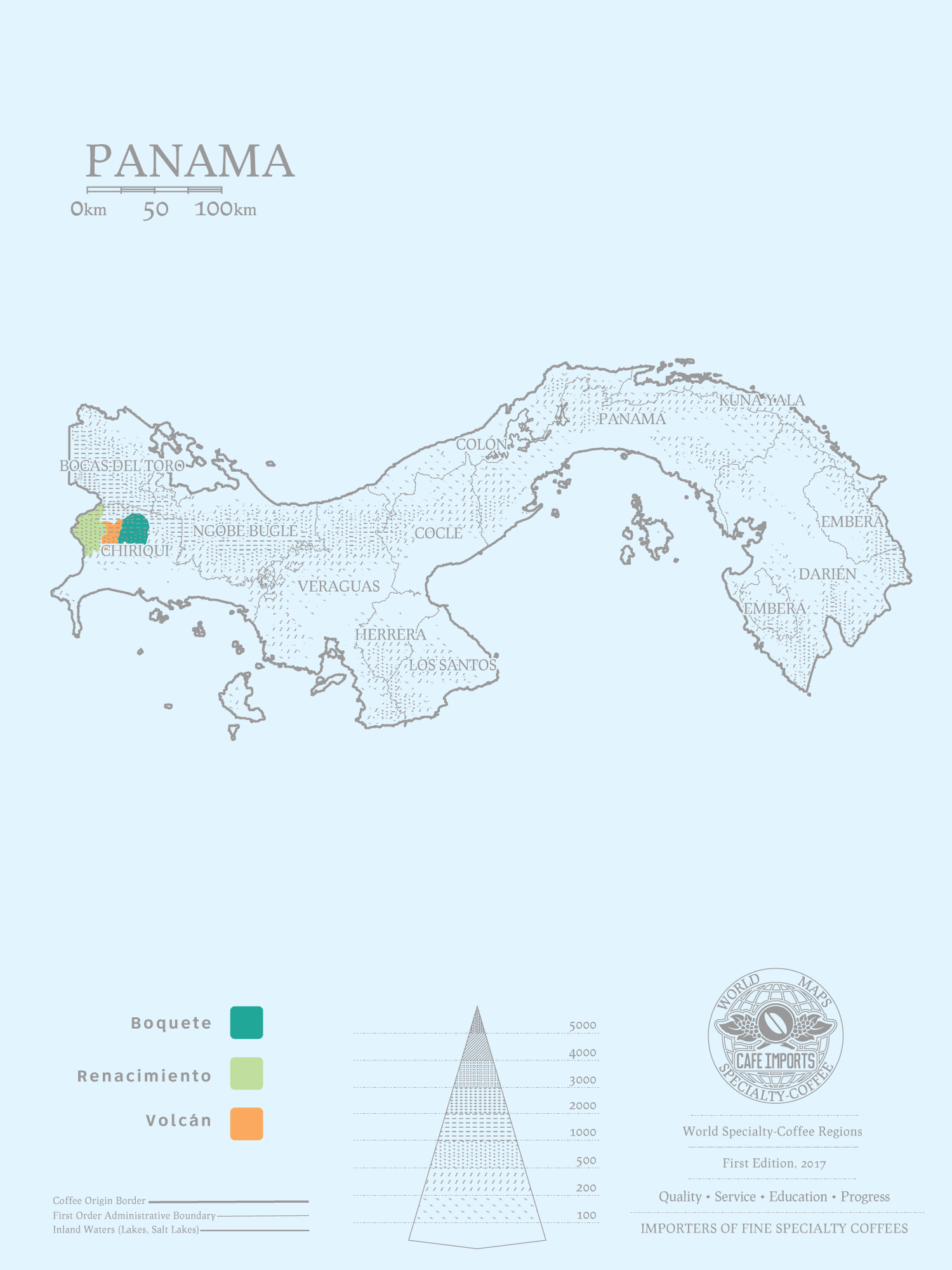
Panama is world-renowned for the Geisha variety, and its coffee is celebrated for its unique floral notes, bright acidity, and rich layers of aroma. This is attributed to Panama’s volcanic soil, high-altitude environment, and refined cultivation and processing techniques. Panama’s coffee regions are mostly concentrated in Boquete, where the altitude exceeds 1400 meters, making it the golden land for Geisha coffee.
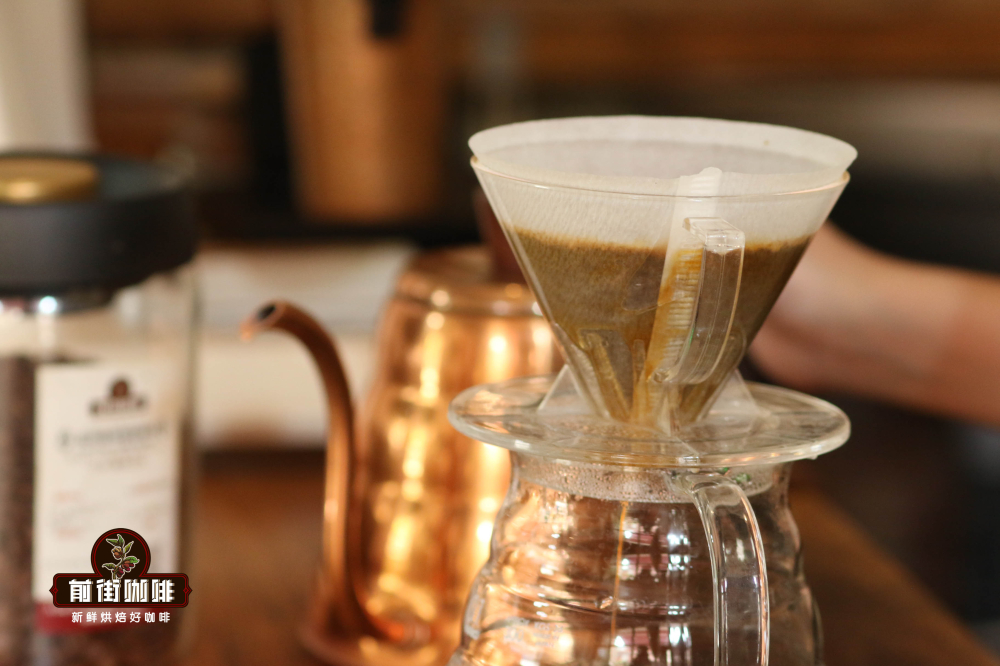
Common processing methods for Geisha include washed and natural. The former highlights fresh floral and fruity acidity, while the latter adds sweetness and body. Additionally, Hacienda Hartmann is particularly known for its wine process, which, by controlling the fermentation environment, imparts intense wine and tropical fruit aromas to the coffee.
A certain coffee brand once selected Catuai coffee from Hacienda Hartmann, processed using the wine method, grown at 1250–1700 meters altitude. It is recommended to brew with a water temperature of 90°C, a 1:15 coffee-to-water ratio, medium-fine grind, which can showcase its wine-like character, balanced sweetness and acidity, and honey aftertaste.
4. Costa Rica | Pioneer of Honey Process, Toffee and Nut Aromas
Costa Rica is one of the earliest Central American countries to cultivate coffee. Its laws mandate that only Arabica varieties may be grown, contributing to its high-quality coffee image. Costa Rican coffee is famous for its honey process, which retains the mucilage for sun drying, imparting a honey-like sweetness to the coffee, and giving rise to various processing levels such as white honey, yellow honey, red honey, and black honey.

Major producing regions include Tarrazú, Central Valley, and the Tres Ríos region. Among them, Tarrazú is known for its high altitude and hard beans, often featuring aromas of chocolate, toffee, and nuts. Costa Rican coffee offers a balanced sweetness and acidity, with delicate aromas, making it suitable for those who enjoy a well-rounded flavor.
A certain coffee brand once used dried grape honey-processed coffee from Finca Canet in the Tarrazú region as an example, grown at 1950 meters altitude, with the Caturra variety. It is recommended to brew with a water temperature of 90°C, a 1:15 coffee-to-water ratio, medium-fine grind, which can showcase its sake-like aroma, fruity sweetness and acidity, and caramel finish.
5. Honduras | Sherry Cask Fermentation, Balancing Body and Complexity
Honduran coffee has recently gained international recognition, with its high-altitude regions and diverse processing methods giving its coffee a rich, full-bodied profile and complex layers. Especially notable is the application of sherry cask fermentation, which brings unique aromas and sweetness to Honduran coffee.
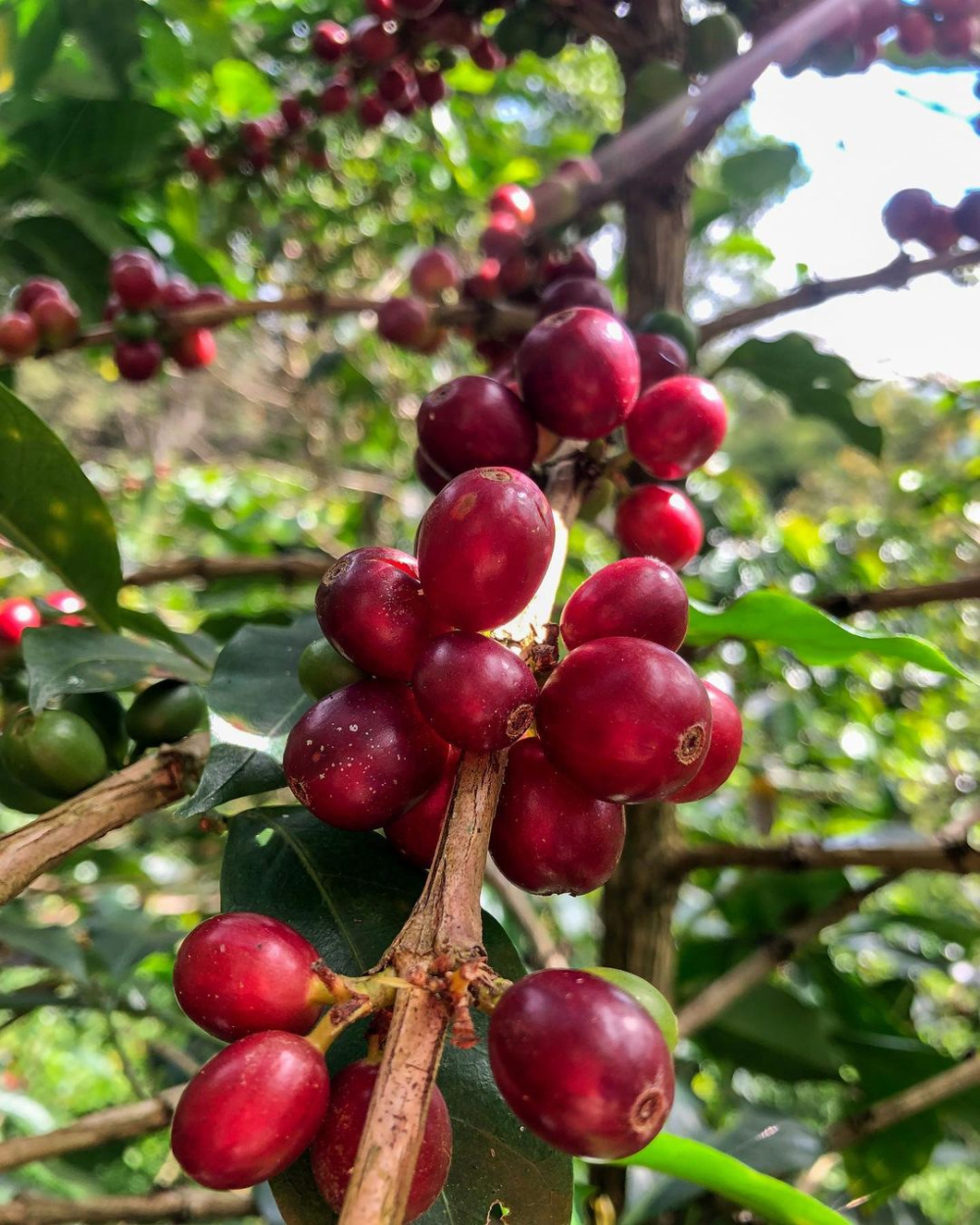
Major producing regions include Montecillos, Copán, and Agalta. Among them, Montecillos is known for its high altitude and fruity aromas. Sherry cask fermentation is commonly seen in the Marcala region, where cold fermentation is carried out in whiskey sherry casks, imparting strong notes of vanilla, cream, and dark chocolate.
A certain coffee brand once used Sherry-processed coffee from Finca Mocha as an example, grown at 1500–1700 meters altitude, with varieties including Caturra, Catuaí, and Pacas. It is recommended to brew with a water temperature of 90°C, a 1:15 coffee-to-water ratio, medium-fine grind, which can showcase its vanilla, berry, and dark chocolate layers.
6. Jamaica Blue Mountain | Balanced and Elegant, A Classic Among Coffees
Jamaica Blue Mountain coffee is hailed as one of the best coffees in the world. It grows in a uniquely favorable environment, with fertile volcanic soil, high altitude, and stable microclimate. Blue Mountain coffee is known for its balanced sweetness, acidity, and bitterness, along with a rich and mellow aroma, making it a highly sought-after tasting experience for many coffee enthusiasts.
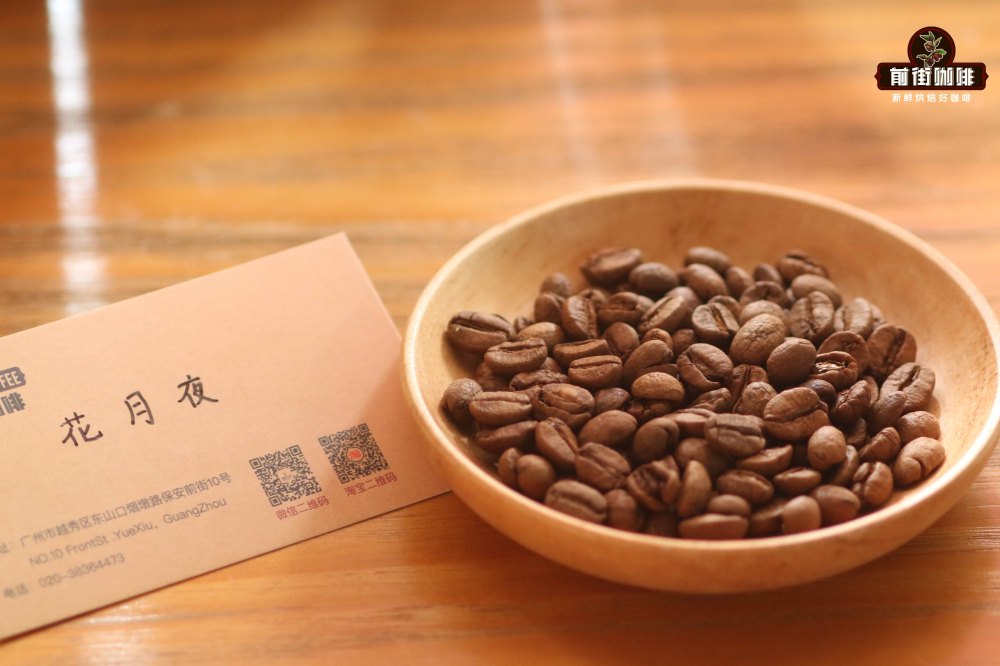
Blue Mountain coffee is mainly divided into Blue Mountain No.1 to No.3 and PB (peaberry), with No.1 being the highest grade. Its processing method is mostly washed, although a few natural versions have also been released, offering innovative variations on traditional flavors.
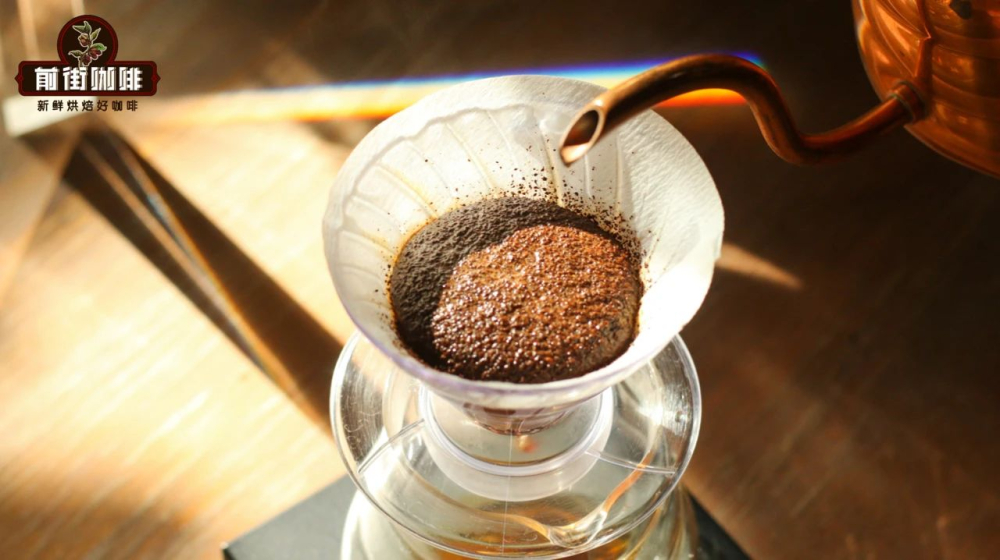
A certain coffee brand once used Blue Mountain coffee from Clifton Estate as an example, grown at 1310 meters altitude, with the Typica variety. It is recommended to brew with a water temperature of 88°C, a 1:15 coffee-to-water ratio, medium-fine grind, which can showcase its dark chocolate, nut, and cream aromas.
7. Guatemala | Nurtured by Volcanic Soil, Fruity and Balanced Sweetness-Acidity
Guatemala boasts rich volcanic soil and diverse microclimates. Its coffee is known for its intense fruitiness, balanced sweetness and acidity, and high quality. Major producing regions include Antigua, Huehuetenango Highlands, and Cobán Rainforest, among which Antigua is famed for its classic sweetness-acidity balance and volcanic character.
Guatemala mainly uses the washed method, but also employs natural processing to enhance aroma layers. Its coffee often carries wine-like aftertastes, chocolate, and fruit aromas, making it suitable for those who enjoy complex flavors.
A certain coffee brand once used coffee from the Huehuetenango Highlands as an example, showcasing the wine-like aromas and rich body brought by the high altitude. It is recommended to pay attention to details during pour over to fully highlight its layers.

The above content is compiled by CoffeeHunters, a coffee news website.


