







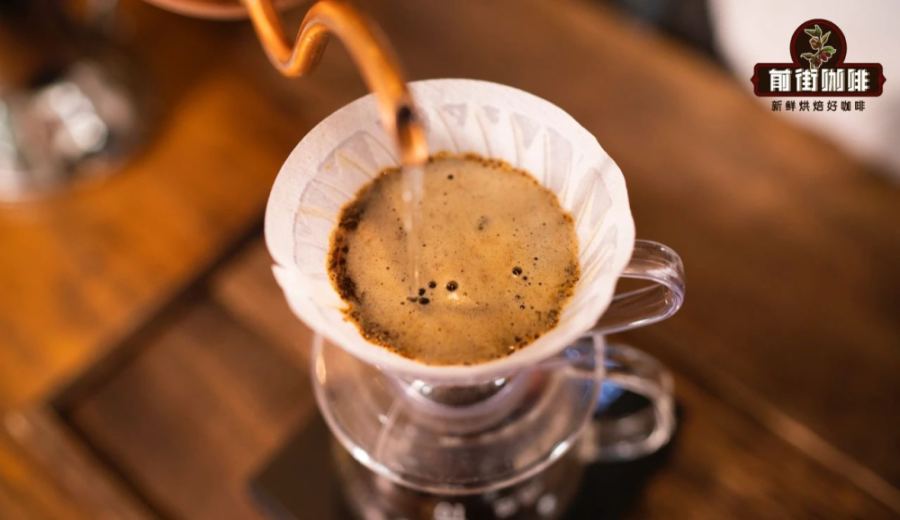
Introduction:The French press and siphon (vacuum pot) are two classic yet vastly different manual coffee brewing methods — one is simple and quick, while the other emphasizes precision and ritual. This article provides an in-depth comparison of the two from perspectives such as brewing principles, operation procedures, and parameter settings, analyzing their impact on coffee flavor and mouthfeel. It also offers bean recommendations suited to each brewing method, helping you choose the right tool based on your preferences to brew your ideal cup.
In the world of manual coffee, the French press and siphon can be considered two of the most representative immersion brewing devices. The French press is beloved by everyday users for its simplicity and quick results, while the siphon, with its unique visual effect and constant temperature extraction, is a favorite among coffee enthusiasts who enjoy a sense of ritual. This article will break down the brewing logic, operational details, and key parameters of these two devices, and compare the flavor and mouthfeel differences in the coffee they produce, helping you better understand how to choose the right tool for your personal taste.
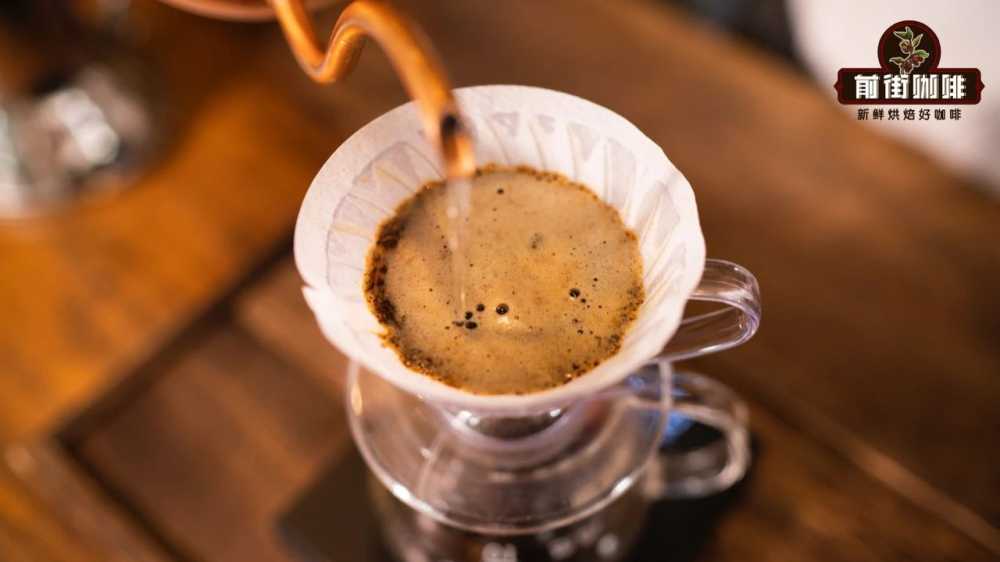
Although there are hundreds of coffee brewing methods on the market — from convenient pour overs to elaborate siphon brewing — each has its supporters. In terms of ease of use, the French press is undoubtedly one of the most beginner-friendly options. By simply controlling water temperature, grind size, and steeping time, you can enjoy a fully extracted black coffee within minutes. In contrast, siphon brewing involves more steps, not only requiring control over heat and timing but also involving more effort in cleaning afterward, often discouraging beginners. But is the flavor of coffee brewed with these two methods really worlds apart? The following section will provide an in-depth comparison from multiple angles.
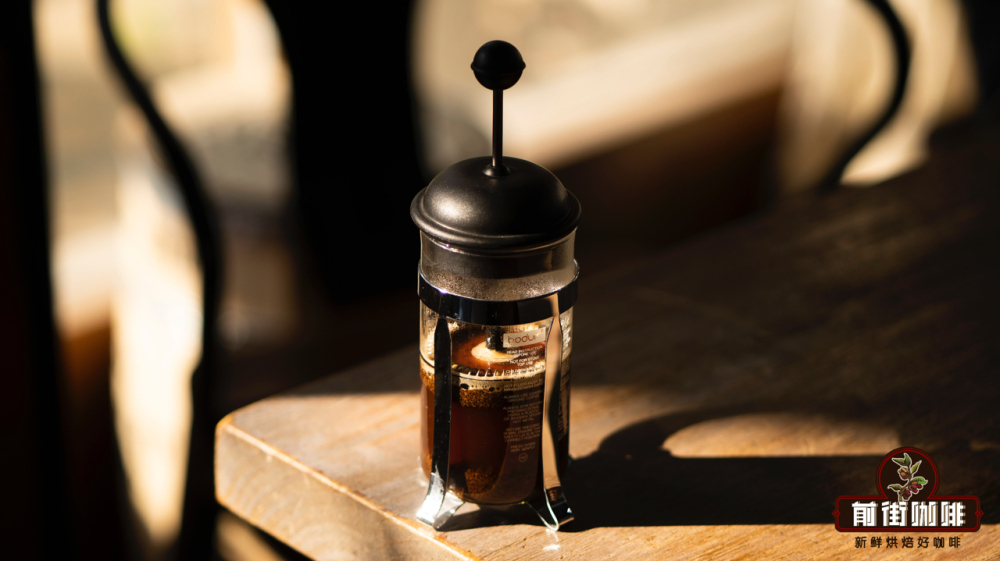
Basic Principles and Operation of the French Press
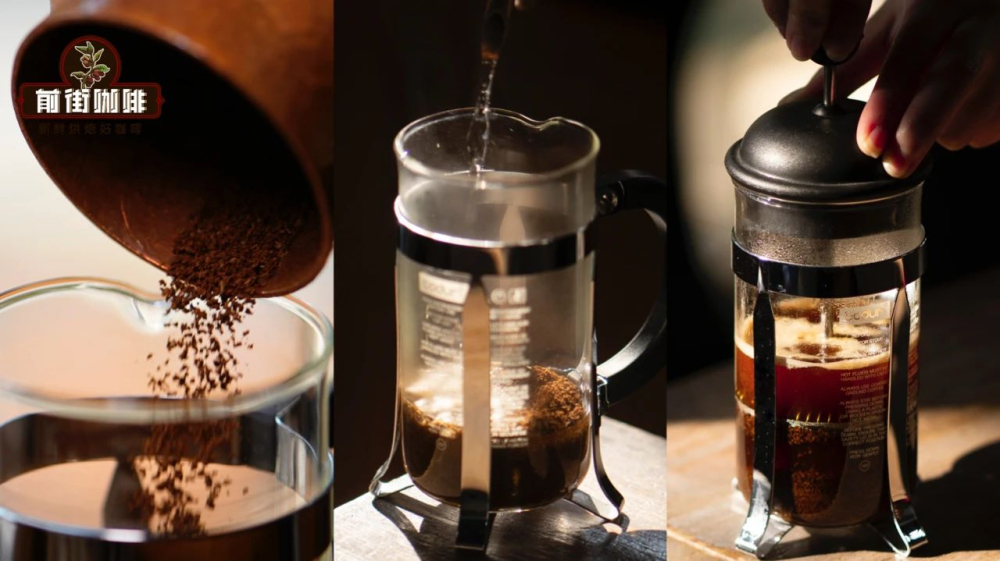
The French press, also known as a press pot, originated in France and features a very simple design: it mainly consists of a metal filter and a heat-resistant glass (or metal) container. During brewing, coarse ground coffee is placed into the pot, and hot water is poured in all at once to fully immerse the coffee grounds. After a period of time, the plunger at the bottom is pressed down to push the coffee grounds to the bottom, completing the filtration of the coffee liquid.
This brewing method is similar to making tea, as the entire process involves immersion, thus requiring minimal pouring technique and making it very suitable for beginners. Due to the long contact time between coffee grounds and water and even extraction, the French press often delivers a rich mouthfeel and balanced flavor. Additionally, because no paper filter is used, the coffee oils are retained, resulting in a fuller-bodied taste.
In terms of parameter control, it is recommended to use coarse grind coffee, similar in coarseness to sea salt. For water temperature, when using medium to light roasted beans, it is suggested to use 92–94°C hot water, while medium to dark roasted beans can be brewed at 89–90°Cto reduce the risk of over-extraction. During autumn and winter, preheating the pot can help minimize heat loss. The steeping time is generally 3 minutes and 30 seconds to 4 minutes, which can be slightly adjusted according to personal taste. Overly long steeping may lead to bitterness and woody flavors, so beginners are advised to carefully control the time.
The French press is particularly well-suited for medium to dark roasted coffee beans, highlighting their rich and full-bodied mouthfeel. If you prefer fruity and floral notes, you might try beans like Strawberry Candy, Mozart, or Sidamo; if you enjoy nutty and chocolatey flavors, Queen Estate, Golden Mandheling, and Huila are great choices.
Brewing Principle and Features of the Siphon
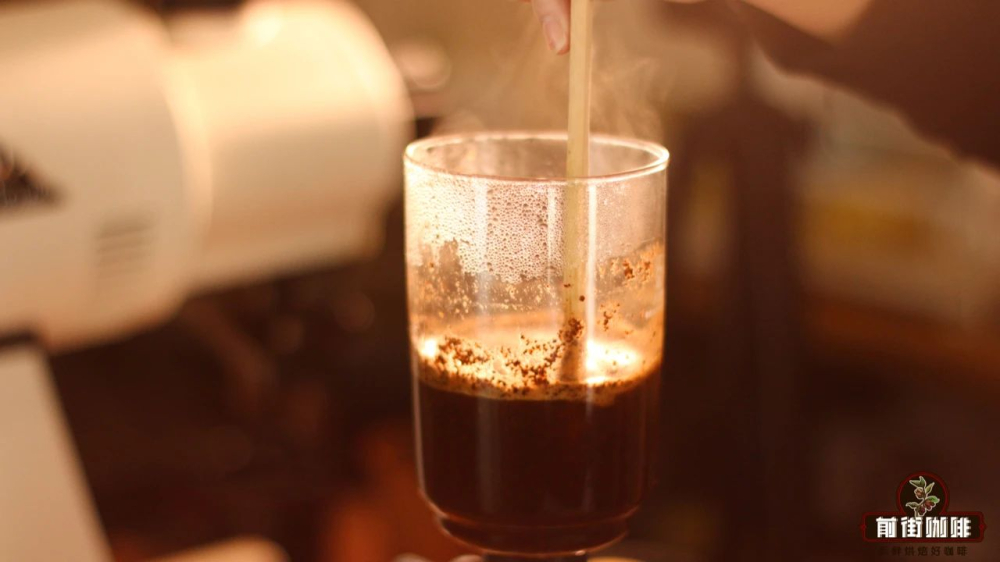
The siphon, known in English as a Siphon, is a brewing device that combines physical principles with manual technique. Its operating principle involves heating water in the lower chamber, causing steam pressure to push the water up into the upper chamber where it mixes with the coffee grounds. Once the heat is turned off, the temperature drops, creating negative pressure that draws the coffee liquid back down into the lower chamber, completing the extraction.
Although the name includes "siphon," the actual coffee extraction primarily takes place in the upper chamber through the immersion of coffee grounds in hot water. Therefore, the siphon’s brewing method is still considered immersion-based, but unlike typical immersion brewing, the siphon maintains a constant temperaturethroughout the process due to heating and its sealed environment, helping to steadily release flavor compounds.
Siphons typically use a cloth filter made of felt, which, unlike paper filters, does not completely trap all fine particles. As a result, the brewed coffee usually contains slight suspended solids, giving it a slightly cloudy appearance, but also imparting a thicker, rounder mouthfeel. Additionally, due to stirring and the constant temperature, the siphon achieves efficient extraction in a relatively short time.
Flavor and Mouthfeel Comparison
Coffee brewed with the French press usually has a rich, full-bodied mouthfeel, with balanced and layered flavors, making it ideal for showcasing the bold characteristics of medium to dark roasted beans. The siphon, thanks to its constant temperature and immersion properties, can bring out a round mouthfeel and delicate aromas, highlighting notes like caramel, nuts, and ripe fruit.
If you prefer a clean, refreshing cup with distinct flavors, the French press is a more intuitive choice; if you’re drawn to visual experience and ritual, and enjoy a smooth and rich mouthfeel, the siphon is definitely worth trying.
Coffee Bean Recommendations
For the French press, it is recommended to choose medium to dark roasted beans, such as Queen Estate or Golden Mandheling, which showcase rich nutty and chocolatey notes. If you prefer fruity profiles, Strawberry Candy and Sidamo are also great options.
For the siphon, beans with caramel, dried fruit, or ripe fruit flavors are recommended — for example, Kenya Little Tomato, Mozart, or Bird of Paradise. These beans can fully highlight the extraction characteristics of the siphon, delivering a rounded and layered coffee experience.
The above content is compiled by CoffeeHunters, a coffee news website.


