







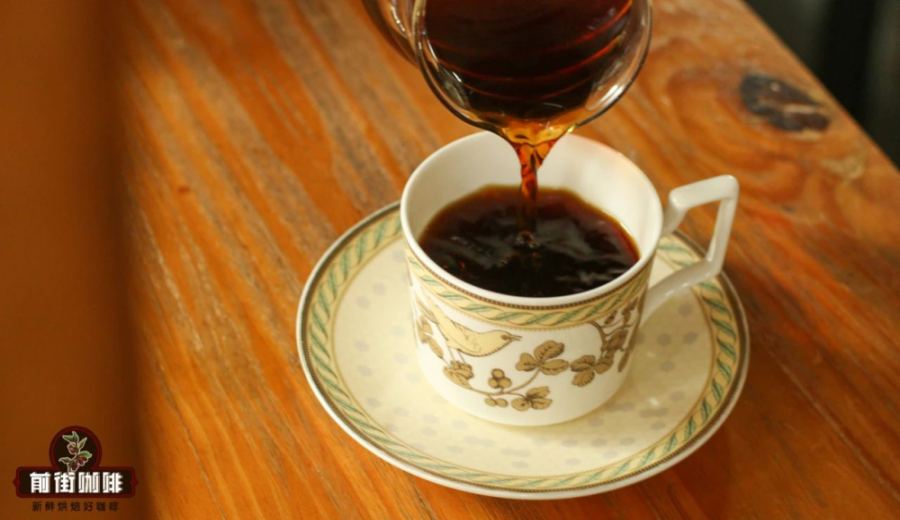
Introduction:Want to brew professional-level coffee at home but unsure whether to choose a semi-automatic or fully automatic coffee machine? This article explains the operational logic, suitable scenarios, and key differences between the two types of machines, paired with extraction steps illustrations and bean variety recommendations, to help you make an informed choice based on your brewing habits and budget. The article also highlights the importance of cleaning after extraction and analyzes the performance advantages of medium to dark roasted beans in semi-automatic machines.
With the growing popularity of specialty coffee culture, more and more coffee enthusiasts hope to replicate café-quality flavors at home using their own machines. Faced with the wide array of options on the market, choosing between a semi-automatic and a fully automatic coffee machine often becomes the first challenge. While both types of devices can make espresso, they differ significantly in operation mode, adjustment flexibility, and ease of use. Understanding the core differences is key to finding the machine that suits you.
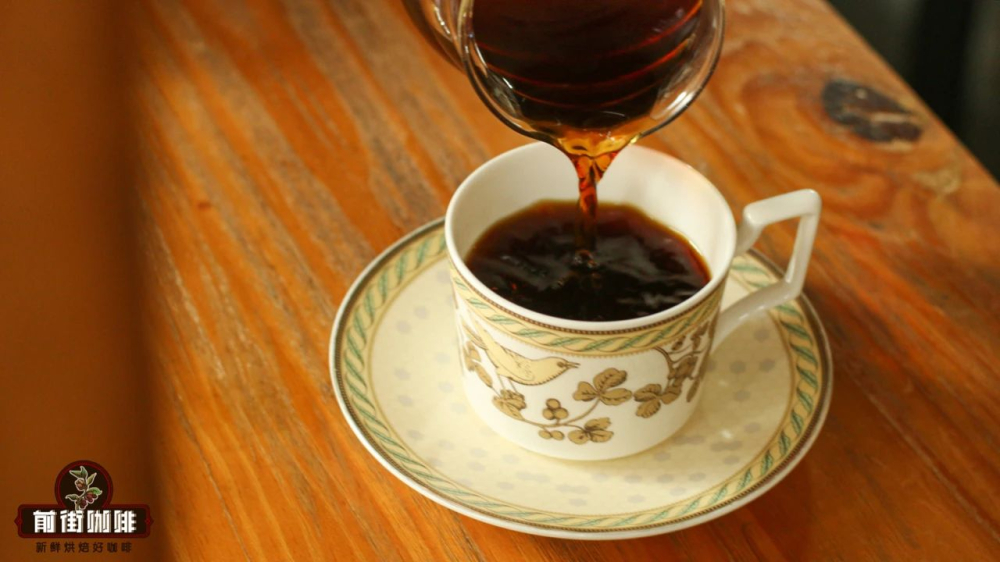
Many consumers only consider price and brand when purchasing, but overlook the fundamental differences in operation. Fully automatic machines are like "point-and-shoot cameras"—they automatically handle everything from grinding to extraction. Semi-automatic machines, on the other hand, are like "DSLR cameras," requiring users to manually control parameters such as tamping and extraction time. This difference directly affects the final flavor of the coffee and the enjoyment of the brewing process.
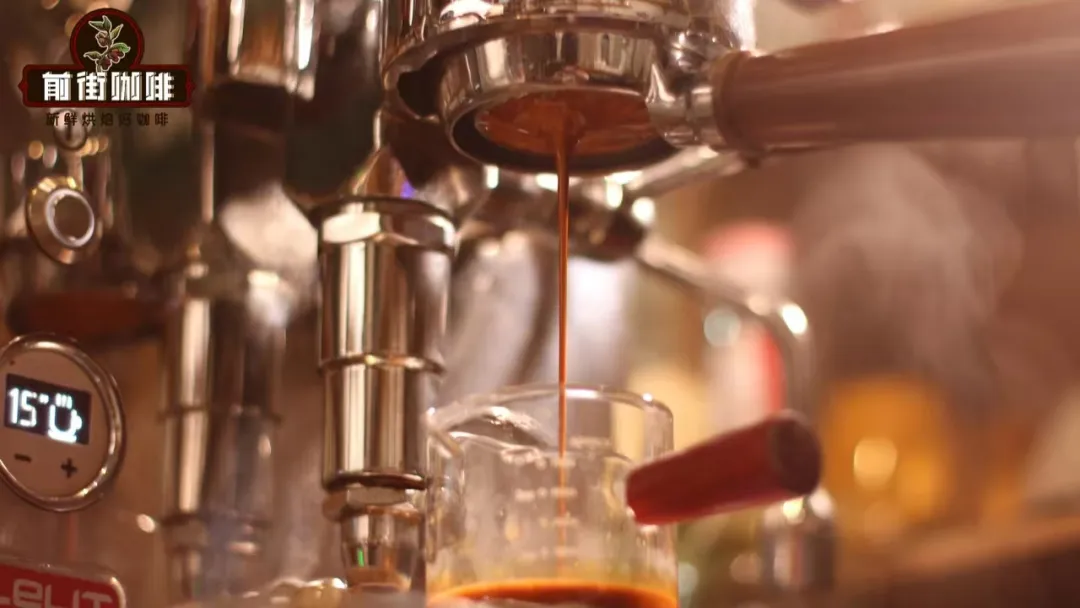
Maintenance is a crucial aspect that is often overlooked. After each use, be sure to clean the extraction head and portafilter with a damp cloth to prevent residual coffee grounds from oxidizing and affecting the next brew. Special reminder: semi-automatic machines have higher compatibility requirements for coffee beans. Lightly roasted beans, due to their higher density and harder cell walls, tend to release excessive acidic substances during short, high-temperature extractions, resulting in a sharp and astringent taste.
For users of semi-automatic machines, it is recommended to prioritize medium to dark roasted blends. These beans undergo sufficient Maillard reactions, converting tannins into rich caramel aromas. When paired with water temperatures of 92–94°C and pressure of 9–10 bar, they can stably extract a balanced sweetness and body. In practice, some commercially available specialty blends with moderate acidity-sweetness ratios and a suitable margin for grind size errors have become the top choice for many amateur enthusiasts.
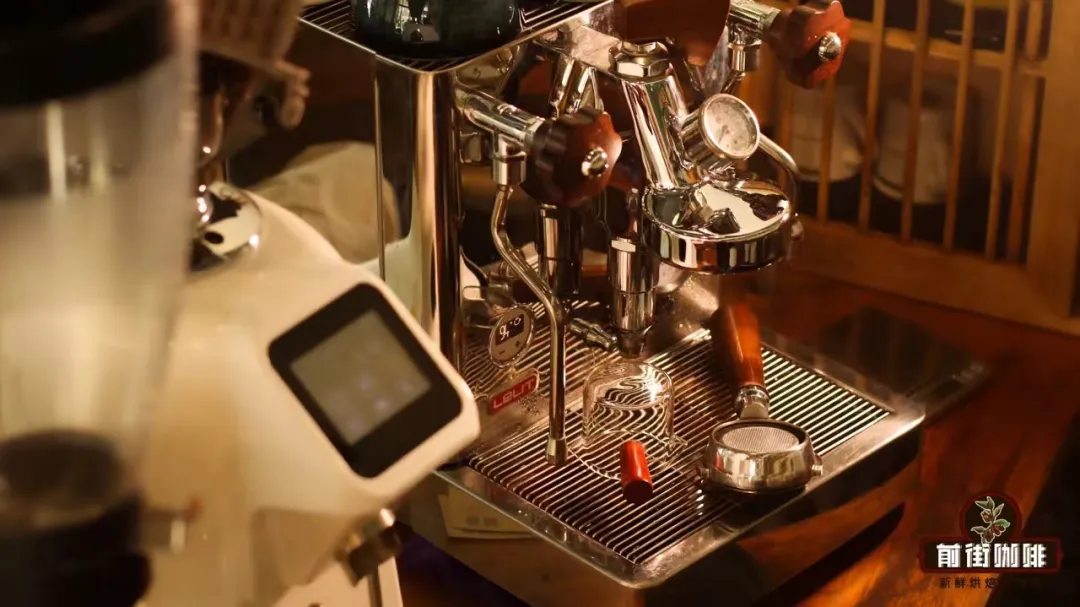
The operating principle of fully automatic coffee machines is relatively straightforward: after pressing a function button, the built-in grinder automatically grinds coffee beans to a specified coarseness and completes tamping and extraction through preset programs. This "one-touch" experience is especially suitable for office environments where efficiency is a priority, or for beginners who have no concept of parameter adjustments. The machines usually come with multiple beverage modes, allowing quick switching from espresso to lattes via a touchscreen.
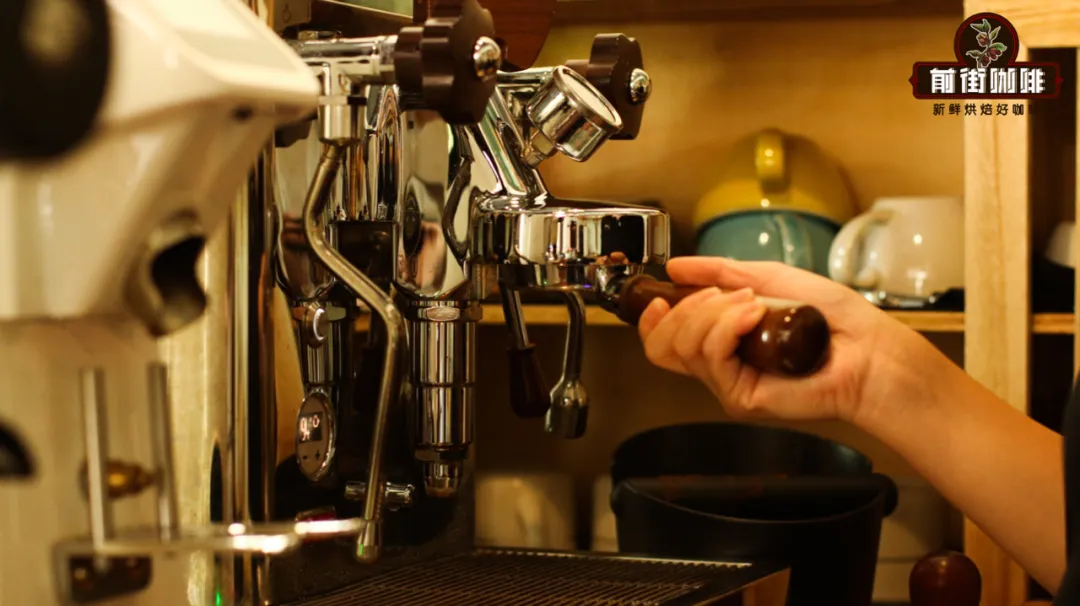
However, the flexibility limitations of fully automatic machines are also quite evident. Due to mechanical constraints, most entry-level models cannot adjust grind size (or only offer 3–5 coarse settings), and extraction pressure is fixed and difficult to fine-tune. When the origin or roast level of the beans changes, the machine often cannot adapt in real time, easily leading to over-extraction or under-extraction. More critically, advanced features such as pre-infusion or pressure profiling are usually absent in budget models, all of which can impact the flavor complexity of the final cup.
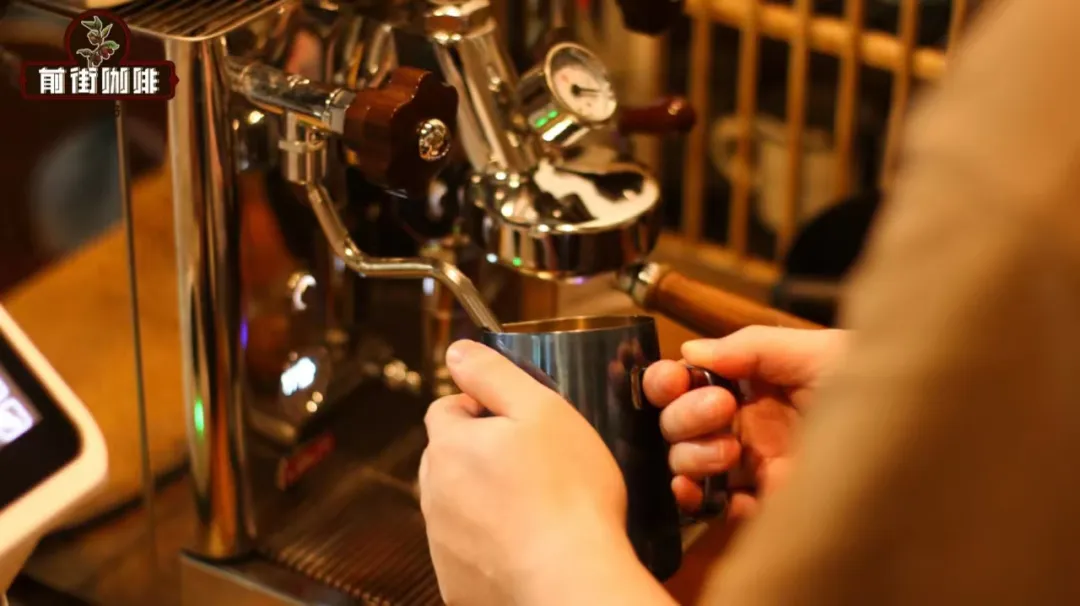
Summary of purchasing advice: If you value the learning curve and the freedom to adjust parameters, and are willing to invest time practicing tamping techniques and grind calibration, a semi-automatic machine can offer a more rewarding brewing experience. Conversely, if your primary need is to quickly get a reliable caffeine boost and you have a limited budget, the convenience of a fully automatic machine is indeed irreplaceable. No matter which type of machine you choose, regular descaling and accessory maintenance are essential basics for maintaining consistent flavor.
The above content is compiled by CoffeeHunters, a coffee news website.


