







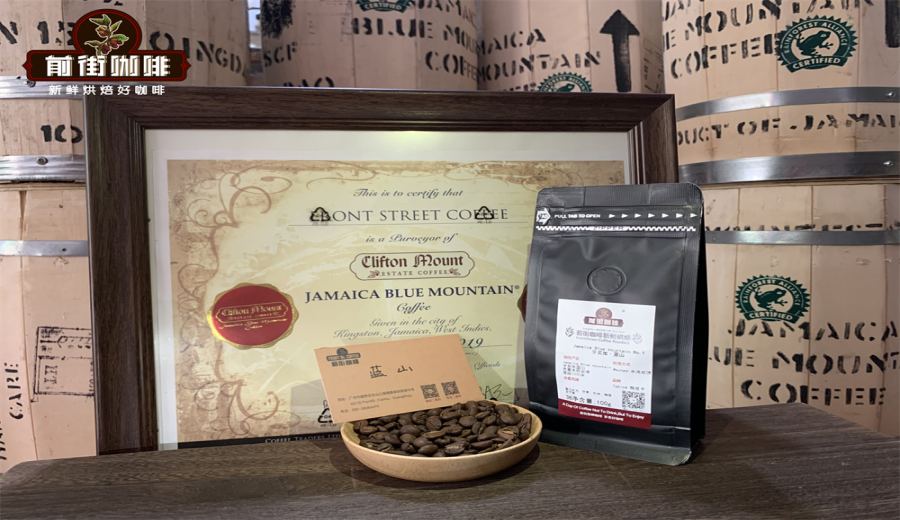
Introduction:Want to taste the most classic flavors of Jamaican Blue Mountain coffee? The roast level is the key. This article dives deep into the regional characteristics, varietal genetics, and processing methods of Blue Mountain coffee, explores the impact of light and medium-dark roasts on its flavor, and shares expert cupping rationale for choosing a medium-dark roast. It also provides complete pour-over brewing recommendations for Blue Mountain No. 1, including coffee-to-water ratio, water temperature, grind size, and filter choice, teaching you how to perceive layers of dark chocolate, nuts, and creamy richness from high to low temperatures.
Jamaican Blue Mountain coffee has long been regarded as the pinnacle of specialty coffee, but do you know how to roast it to fully showcase its classic qualities? Should you go for a bright light roast or a rich medium-dark roast? In fact, this Typica variety from the Blue Mountain region benefits from unique microclimatic conditions and a strict grading system—every step affects the final flavor. This article comprehensively unravels the mysteries of Blue Mountain coffee, from regional background and varietal traits to washed processing, roast profiles, and pour-over parameters.
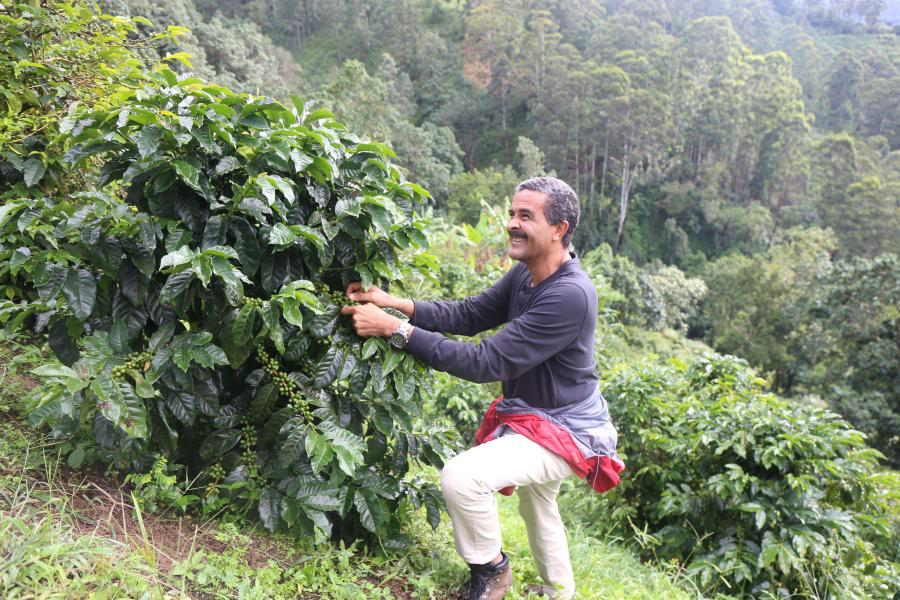
 The uniqueness of Blue Mountain coffee is inseparable from its growing environment. The Typica variety grown in the Blue Mountains of Jamaica originally comes from Ethiopia in Africa, offering clean and bright acidity along with good balance. However, Typica is naturally susceptible to disease and has low yields, leading many regions to switch to other varieties. The island’s unique microclimate—cool average temperatures, high humidity, and persistent cloud cover—allowed these Typica plants to survive, gradually adapting to the environment and developing more disease-resistant mutations.
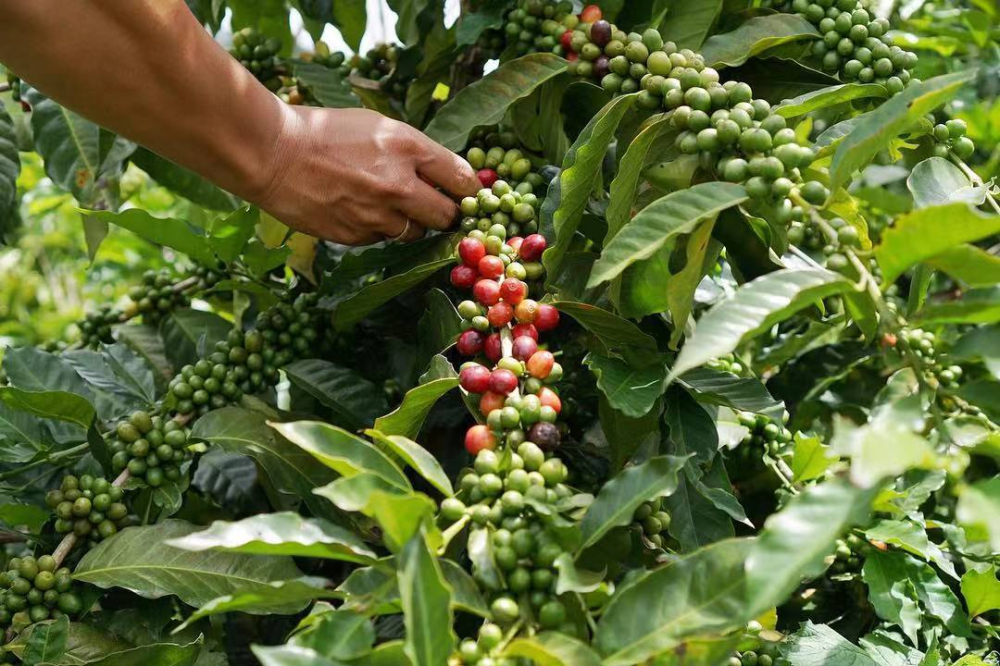
Beyond natural conditions, the consistent quality of Blue Mountain coffee is also thanks to its traditional washed processing method. After harvest, the coffee cherries are first depulped, followed by about 24 hours of fermentation, which breaks down the mucilage layer and releases abundant acidic compounds, further enhancing flavor clarity. The parchment beans are then slowly dried in the sun until the moisture content stabilizes within the ideal range of 10% to 12.5%. Compared to the increasingly popular natural (sun-dried) process, washed Blue Mountain typically exhibits a cleaner and brighter mouthfeel, while natural versions may carry more fruity fermentation aromas.
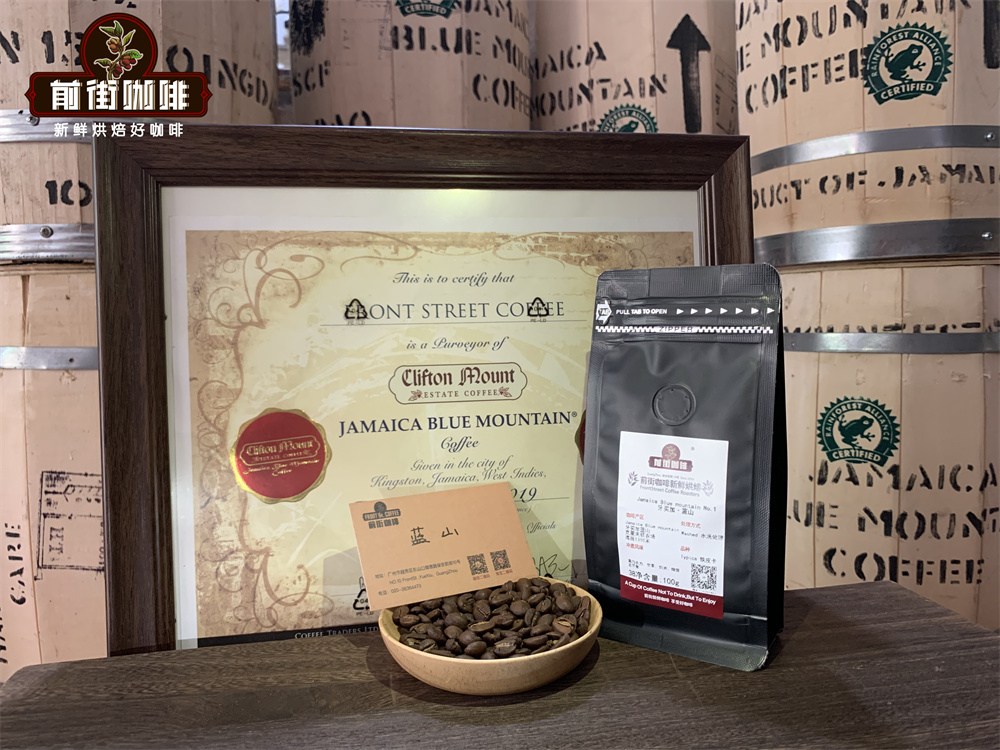
 In terms of grading, Blue Mountain coffee is divided into four grades: Blue Mountain No. 1, Blue Mountain No. 2, Blue Mountain No. 3, and Blue Mountain Peaberry (PB). Among them, Blue Mountain No. 1 is considered the highest grade, requiring bean size of 17 mesh or larger, a defect rate below 3%, and moisture content strictly controlled between 10% and 12.5%. These criteria ensure that the roasted coffee presents the classic balanced flavor of sweet, sour, bitter, and aromatic richness.
So, what roast level suits Blue Mountain coffee? Based on multiple cuppings and flavor wheel analysis, we found thatmedium-dark roastbest highlights the potential of Blue Mountain coffee. This roast level enhances the foundation of dark chocolate and nuts while preserving gentle acidity, resulting in a full-bodied, smooth, and layered cup. If roasted too lightly, the overall flavor may taste thin and lack body; if roasted too dark, it can mask delicate fruit acids and floral notes, shifting toward intense charred bitterness.
Next, we’ve compiled a practical set of pour-over parameters for Blue Mountain No. 1, so you can recreate a professional-grade flavor profile at home. We recommend using 15 grams of coffee grounds with a 1:15 coffee-to-water ratio, and controlling the water temperature at 88°C, with a grind size based on 75% passing through a standard #20 sieve . For the filter, we suggest using a KONO filter, whose design extends extraction time and enhances body. The ribs of the KONO filter are only present on the lower half; once the paper is wet, it adheres tightly to the walls, effectively reducing airflow exchange and ensuring more even and stable extraction.
 Before brewing, make sure the coffee beans are fresh. We recommend using beans roasted within 5 days to achieve the richest aroma and flavor. If stored beyond 30 days, most volatile aromatic compounds will have dissipated, making it difficult to extract an outstanding cup. After wetting the filter, start with a 30-second bloom using 30 grams of water to awaken the grounds. Then pour in a slow spiral to reach 125 grams, wait for the liquid level to drop slightly, and continue the second pour to 225 grams. Keep the total brew time (including bloom) around 2 minutes.
After extraction, gently swirl the coffee and start tasting from high temperature, gradually perceiving the flavor shifts as it cools. At first, you’ll notice intense dark chocolate aromas, a full-bodied mouthfeel, and a distinct almond-like aftertaste. As it cools, roasted hazelnut and creamy sweetness emerge, the acidity softens, and a caramel-like finish lingers—each layer distinct, with a long and satisfying aftertaste.
The above content is compiled by CoffeeHunters, a coffee news website.


