








Introduction:Delve into the coffee beans from Ethiopia’s Sidamo and Guji Hambella regions, exploring everything from their growing environments and farming practices to the details of sun-drying processing, to fully understand the unique origins of their distinctive flavors. This article also provides practical pour over grind size, water temperature, coffee-to-water ratio, and three-stage pouring techniques to help you brew richly layered, fruit-forward specialty Ethiopian coffee at home.
As the birthplace of coffee, Ethiopia is home to numerous iconic specialty coffee regions, among which Sidamo and Guji Hambella have become global focal points for coffee enthusiasts. These two regions not only boast exceptionally favorable geographical conditions, but their coffees are also renowned for their complex floral and fruity aromas, full-bodied mouthfeel, and unique processing styles. This article will take you through a comprehensive understanding of these captivating beans, from regional background and variety characteristics, to processing evolution and hands-on pour over methods.

Ethiopia’s high-altitude terrain and tropical rainforest climate provide ideal growing conditions for coffee. With an average elevation exceeding 2,000 meters, significant day-night temperature variations, abundant rainfall, and persistent fog, the environment fosters slow maturation of coffee cherries and the concentration of flavor compounds. Local coffee farming can be divided into four types: forest, semi-forest, garden, and large plantation, with garden coffee being the most common. Typically, farmers intercrop coffee with other plants such as bananas on their own land, creating a unique green landscape that also serves as the main source of Ethiopia’s specialty coffee.
It’s worth mentioning that Ethiopia possesses an extraordinarily rich coffee gene pool, with many varieties yet to be fully scientifically classified or named. To protect these precious local varieties, the local government collectively refers to most unidentified varieties as the native “Heirloom.” These heirloom varieties usually feature small bean size and relatively irregular shapes, typically ranging between 14 and 15 mesh, yet they often exhibit outstanding floral, citrus, and tropical fruit notes, making them treasures in the specialty coffee market.
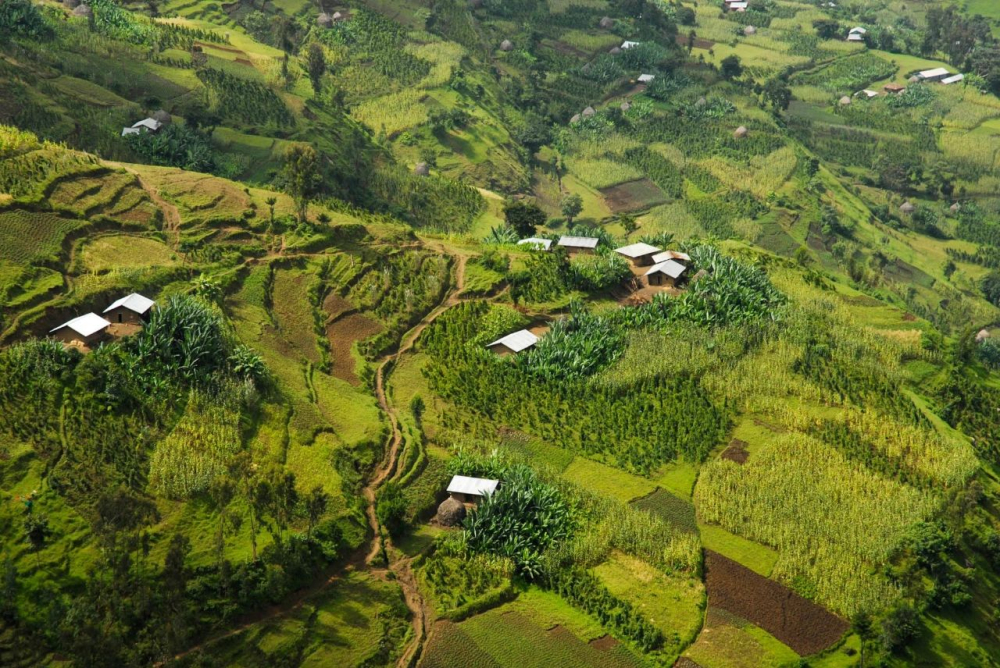
Speaking of Sidamo, many may wonder why it is sometimes referred to as “Sidamo” and other times as “Sidama”? In fact, both names point to the same region; “Sidama” is the term used by the indigenous people, while “Sidamo” is the old name misread and subsequently adopted by outsiders during the colonial period. Although the region has now been officially renamed Sidama, due to trademarks and market conventions, the name “Sidamo” is still widely used and remains the most familiar term to consumers.
Located near Lake Awasa in the southern part of the East African Rift Valley, Sidamo lies within a fertile highland area at an altitude of approximately 1,500 to 2,200 meters, with a mild climate and ample rainfall. Under high altitude and moderate shading, coffee cherries can mature slowly, accumulating richer flavor compounds. The coffee here is mostly grown by smallholders and then sent to local cooperatives or processing facilities for unified processing. In recent years, more producers have been directly collaborating with farmers to enhance quality control and traceability at the micro-lot level, continuously raising the standard of Sidamo’s specialty coffee.
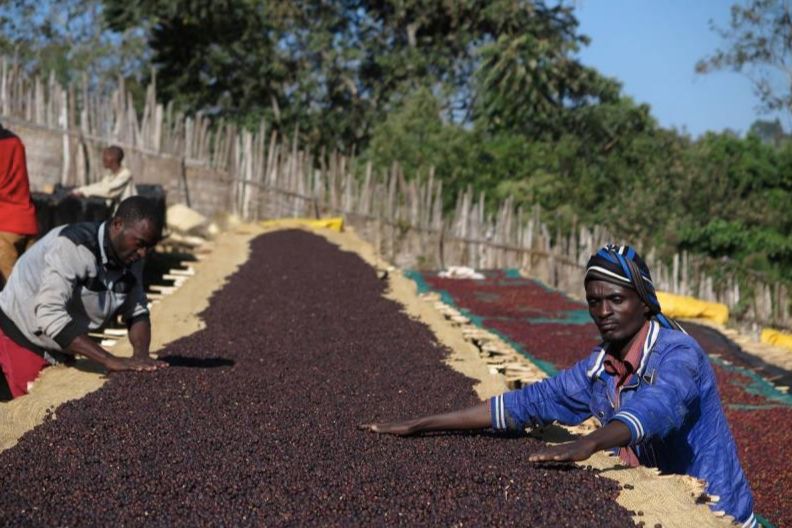
In terms of processing methods, most areas in Sidamo continue to follow traditional sun-drying processing, which is also a key factor behind its classic flavor profile. The sun-drying method allows coffee cherries to dry naturally in the sun, typically over a period of about two weeks. During this time, temperature and turning frequency must be strictly controlled to prevent over-fermentation or mold. This method preserves more sugars and aromatic compounds from the pulp, endowing the coffee with a full-bodied, distinctly sweet, and multi-layered character. Common flavor notes include berries, honey, spices, and a rich fruit-tea sensation.
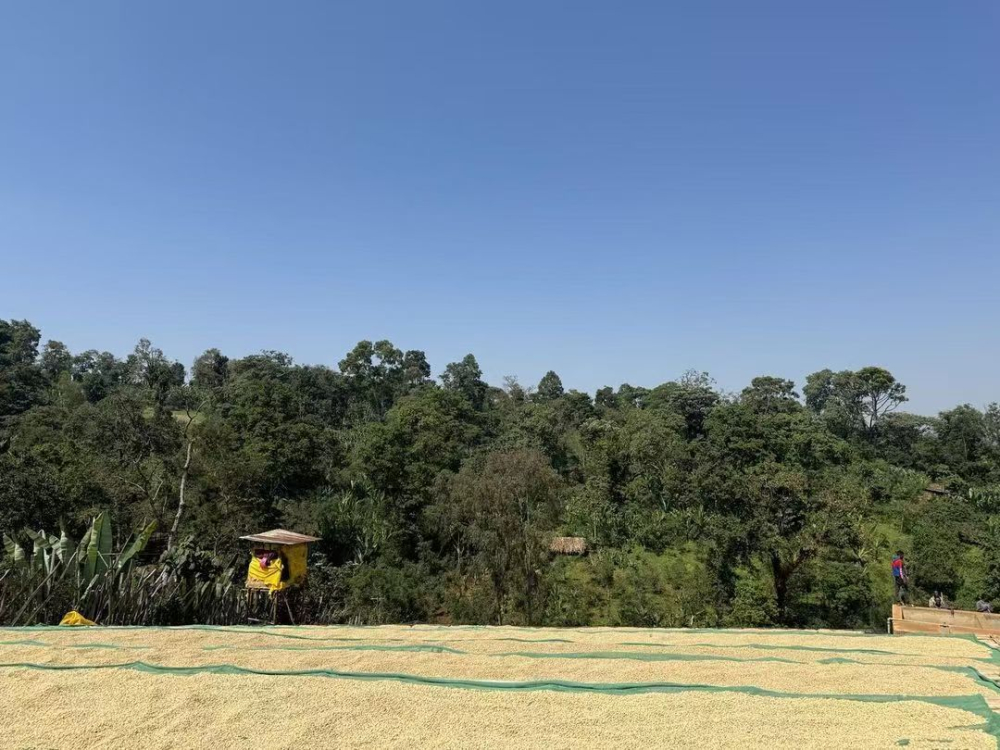
Guji Hambella is located at the border of the Sidamo and Guji regions, forming part of the larger Guji zone, and has emerged as a notable specialty coffee sub-region in recent years. Among them, Hambella has gained fame particularly due to a coffee known as “Huakui” (Flower Queen). This coffee won the Ethiopian National Coffee Tasting Championship (TOH) in 2017, produced by the local Buku Abel washing station. This station focuses on harvesting fully red coffee cherries from nearby farmers and processing them using rigorous sun-drying techniques.
The harvest season for this coffee is around December to January each year. Cherries with a sugar content of 30 or higher are selected and undergo African raised bed sun-drying for approximately 18 days. During this period, farmers adjust shading and rain protection measures according to sunlight intensity to ensure even drying and prevent undesirable fermentation. The final green beans reach a moisture content of 13%, and after hulling, they exhibit exceptionally high sweetness and fruitiness. The roaster employs a medium-light roast to highlight its passion fruit, strawberry, cream, and cocoa layers — delivering a full-bodied cup with a long-lasting finish.
To brew a high-quality Huakui 8.0 coffee at home, getting the grind size, water temperature, and brewing technique right is crucial. It is recommended to use a #20 sieve for screening, aiming for a target sieve passing rate of about 78% to 80% to achieve a medium-light roast grind fineness. The coffee-to-water ratio can be adjusted according to personal taste, ideally between 1:15 and 1:16, with 15 grams of coffee powder typically paired with 225 milliliters of hot water. The water temperature is suggested to be set at 92 to 93°C, which helps fully elicit the floral and fruity aromas while avoiding over-extraction that could lead to bitterness.
It is recommended to use a V60 filter cone for pour over brewing. Its unique spiral ribs and large central hole design extend the contact time between water and coffee grounds, enhancing extraction uniformity and flavor complexity. Employ a three-stage pouring method: the total water volume of 225 milliliters can be divided into three parts — the first stage uses 30 milliliters for a 30-second bloom, the second stage pours up to 125 milliliters, and the third stage brings the total to 225 milliliters. The overall extraction time is controlled to around 2 minutes. This approach facilitates balanced flavor release and avoids over-concentration or monotony.
In summary, the coffee beans from Sidamo and Guji Hambella, whether in terms of their growing environment, variety traits, or processing craftsmanship, all contribute to their distinctive flavor appeal. By mastering the correct grind and brewing parameters, you too can easily enjoy a high-quality Ethiopian pour over coffee at home — vibrant with fruity notes and beautifully layered.
The above content is compiled by CoffeeHunters, a coffee news website.


