







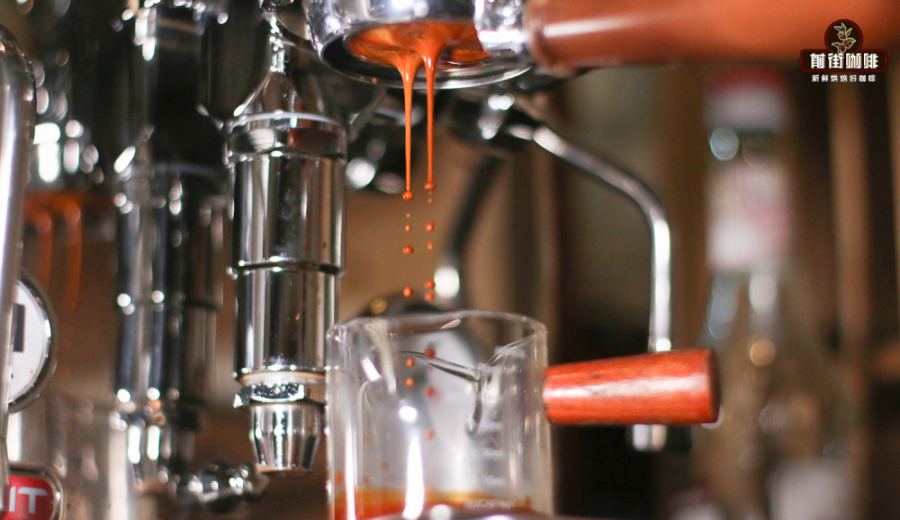
Introduction:Mastering the key extraction parameters of espresso is essential for every barista. This article delves into the six major elements—dose, brew ratio, extraction time, flow rate, pressure, and temperature—and provides grind adjustment techniques to help you consistently brew balanced and layered espresso, from basics to advanced. It also includes detailed operational steps and common mistake reminders, suitable for both coffee enthusiasts and professionals.
Compared to pour over coffee, espresso is far more sensitive to changes in extraction parameters. Minor adjustments can lead to significant fluctuations in flavor expression. Mastering the six core elements—dose, brew ratio, extraction time, flow rate, pressure, and temperature—is the foundation for consistently brewing vibrant, well-balanced espresso. Meanwhile, proper grind calibration is an indispensable part of the process.
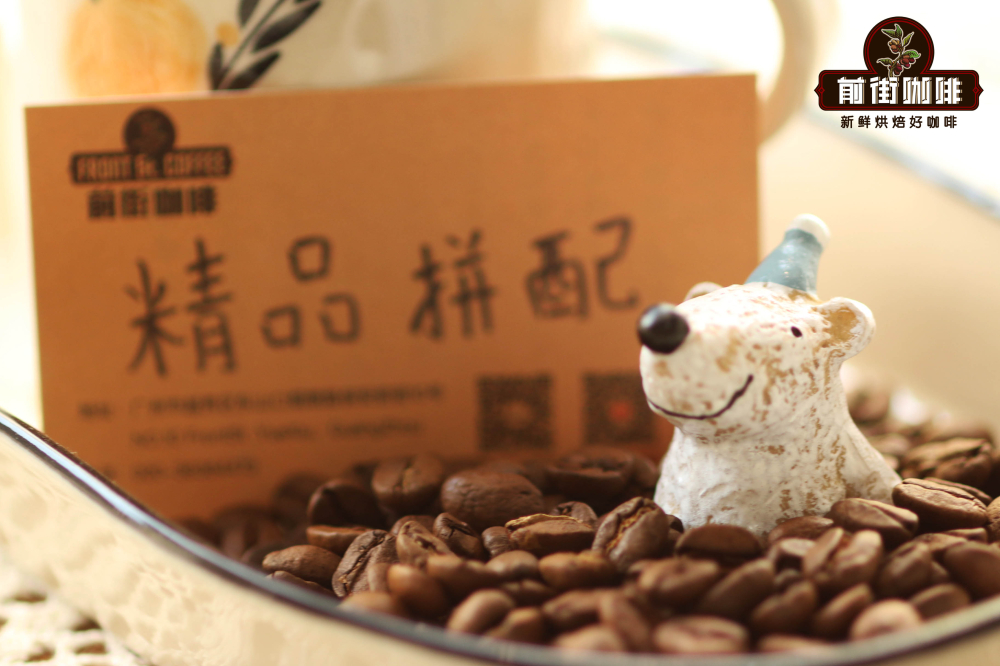
The starting point for a high-quality espresso lies in selecting fresh, distinctly flavorful coffee beans. Different roast profiles and regional beans can affect overall extraction performance, so understanding bean characteristics is key to optimizing flavor. Common choices include blends of Central and South American beans with African beans, offering a balance of body and fruity acidity that suits most consumers’ taste preferences.
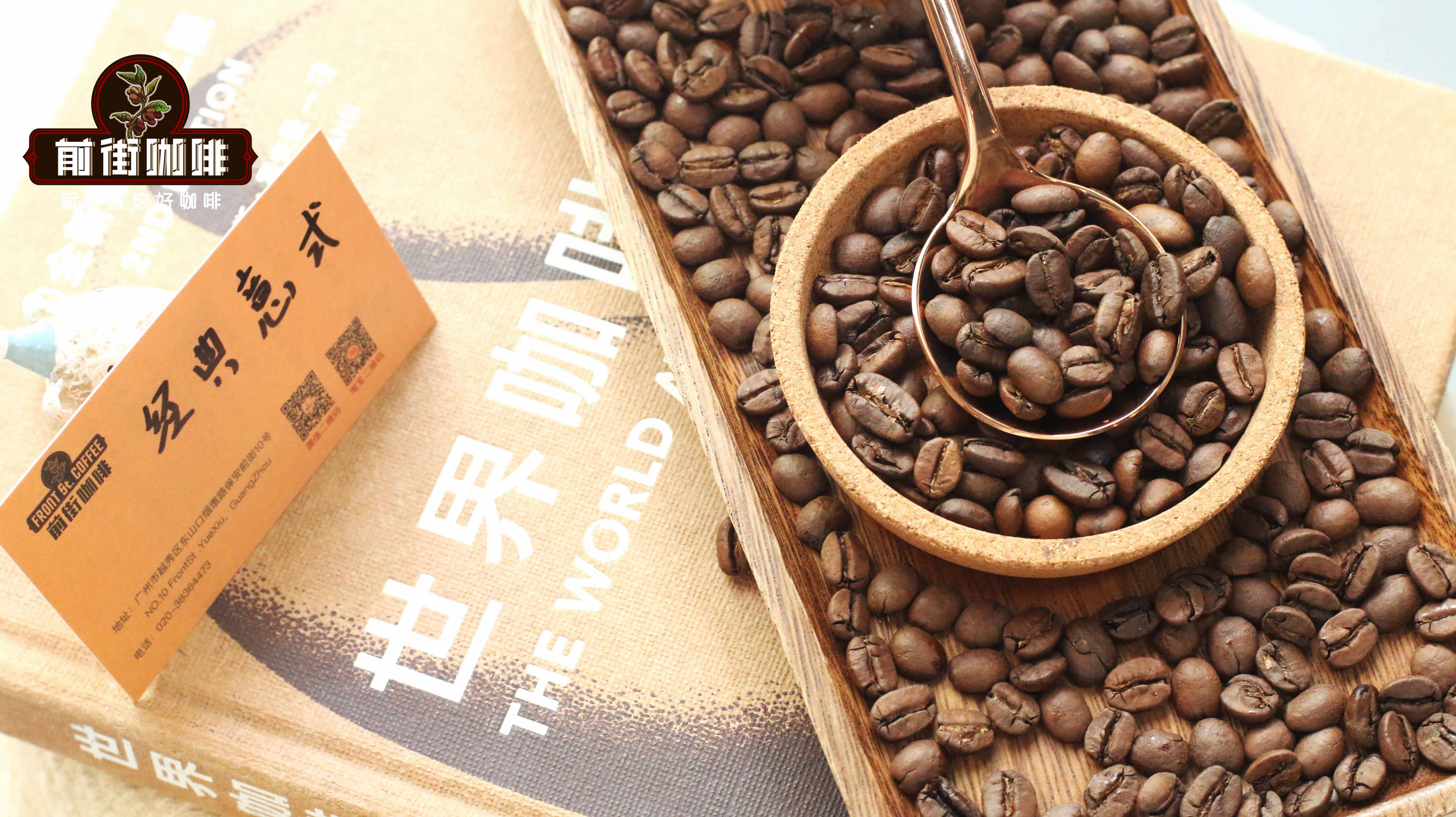
The first parameter in extraction is coffee dose. The dose should be adjusted based on the basket’s designed capacity. Commercial double baskets are typically designed for 16g, 18g, 20g, or 22g, which are recommended fill amounts, with an allowable error of within 1g in practice. For example, the practical range for an 18g basket can be set between 17g and 19g. It’s important to note that too little coffee can result in a loose puck structure, leading to fast flow and under-extraction; conversely, too much coffee can make the puck overly compact, preventing water from penetrating smoothly, which not only slows flow but may also cause uneven extraction or no flow at all.
Brew ratio is another critical factor influencing the intensity and layered texture of espresso. Traditionally, a single shot uses 7–8g of coffee to extract 25–30ml of espresso, but this method lacks precise calculation of actual water volume and is affected by crema thickness and bean freshness, leading to unstable flavors. Nowadays, it’s more common to control extraction using the ratio of coffee weight to liquid weight, with a general recommended range of 1:1.5 to 1:2.5, and the most widely used ratio being 1:2—for example, 20g of coffee yielding 40g of liquid. A ratio that’s too high can lead to under-extraction, resulting in thin and overly sour flavors; a ratio that’s too low can easily over-extract, producing noticeable bitterness and heaviness.
Controlling extraction time is equally crucial. Generally, the entire process from starting the extraction to finishing should be kept within 20 to 30 seconds. The main factors affecting time are grind size and brew ratio: the finer the grind, the denser the puck, creating greater resistance to water flow and requiring a longer extraction time, though it’s also prone to over-extraction; the higher the ratio, the more water is needed, naturally extending the extraction time. Appropriate time ensures that flavor compounds are fully extracted without releasing undesirable components excessively.
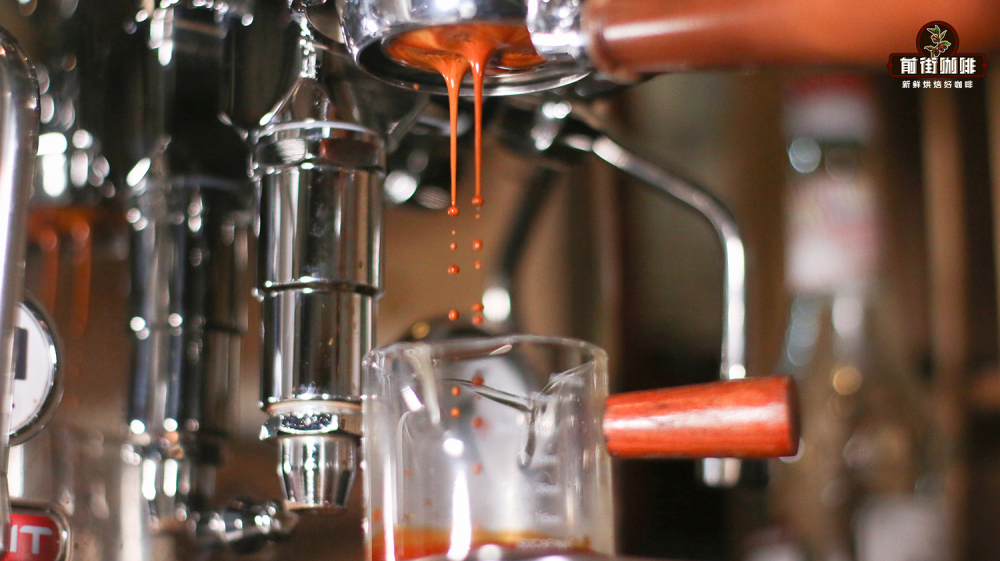
Flow rate is the most intuitive feedback after all parameters are combined. Ideal extraction should begin with the first drop of coffee falling around the fifth second after pressing the extraction button, maintaining a steady flow rate. If no liquid flows out after ten seconds (excluding the pre-infusion stage), it may indicate the grind is too fine or the tamp is too hard; conversely, if the flow appears jet-like or too fast, it may stem from the grind being too coarse or channeling occurring. Observing flow rate allows for quick judgment on whether to adjust grind size or ratio settings.
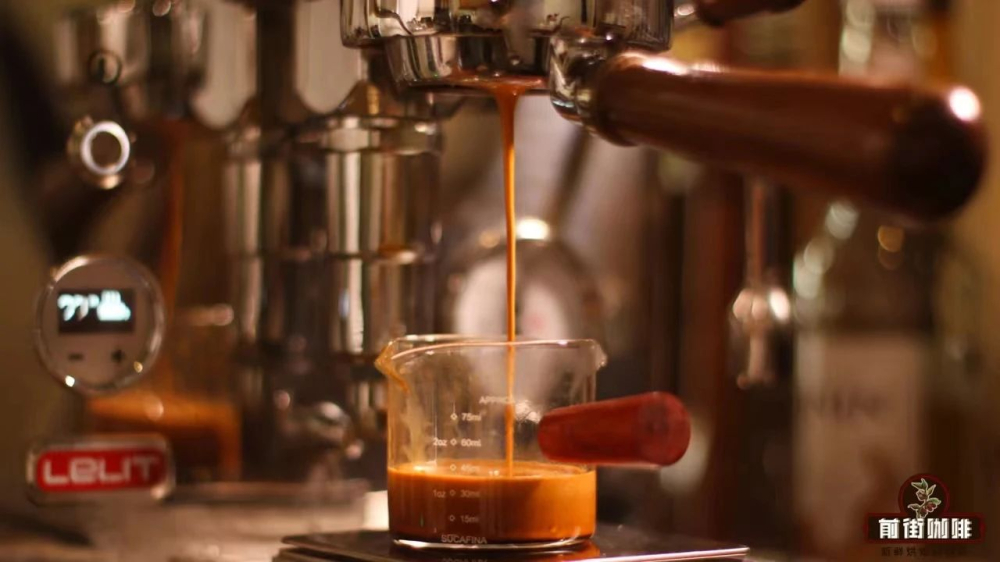
Pressure and temperature are two fixed parameters in machine settings. Generally, semi-automatic espresso machines are designed to extract at around 9 bar of pressure, and some high-end models already feature variable pressure extraction, adjusting pressure at different stages to further optimize flavor. When pressure is too low, extraction efficiency drops, and flavor compounds are incompletely extracted; when pressure is too high, it may lead to over-extraction and a compressed mouthfeel. Extraction water temperature is recommended to be maintained between 90–94°C. Too high a temperature can cause over-extraction, resulting in bitter and burnt flavors; too low a temperature may lead to under-extraction, yielding overly sour and thin results.
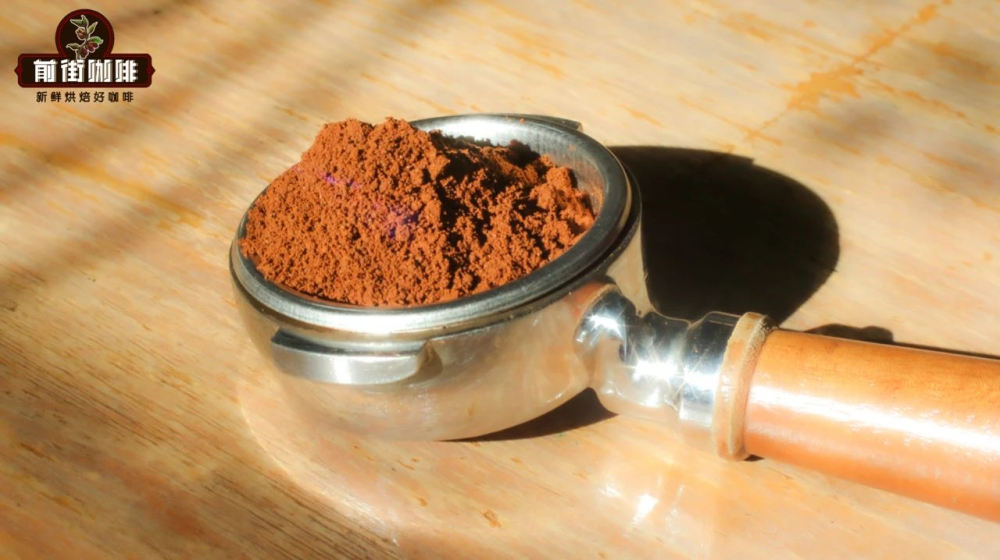
In the actual operational process, each step—dosing, distributing, tamping, extracting, and cleaning—affects the final product. When dosing, in addition to ensuring accuracy in coffee amount, attention should also be paid to any residual coffee grounds from previous grinds in the grinder chute, as these old grounds not only affect flavor but may also occupy dose space, leading to a distorted actual brew ratio. It’s recommended to purge the grinder before dosing to remove residue or use tools to push out old grounds. Taking common home or commercial grinders as examples, the chute may accumulate up to 2g of residual coffee grounds, which for a 20g double shot, affects the ratio by as much as one-tenth—this cannot be overlooked.
Additionally, even when using grinders with dosing functions, it’s important to note that their timing mechanisms may produce inconsistent actual output due to factors like voltage fluctuations, uneven bean hopper pressure, or differences in coffee bean density. Stable and accurate weighing helps improve extraction consistency, and it’s recommended to use a sensitive electronic scale for each extraction, keeping the error within ±0.1g.
The overall operational process should be as smooth as possible. From grinding beans, dosing, distributing, tamping, to locking in the portafilter and pressing the extraction button, it’s advised to do it all in one go without interruption. For beginners, repeated practice can help familiarize them with the workflow and rhythm, gradually building muscle memory. At the same time, developing good cleaning habits is crucial, including regularly cleaning the grinder hopper, distributor, tamper, and any coffee grounds on the portafilter, ensuring all tools are dry with no moisture residue, and rinsing after each use. Especially after each extraction, the portafilter and group head must be cleaned immediately to prevent residual grounds from affecting the quality of the next shot.
The above content is compiled by CoffeeHunters, a coffee news website.


