







Introduction:Want your espresso shots to be consistently great with rich layers of flavor? Dialing in your grinder’s grind size is key. This article breaks down the principles of grinding in an easy-to-understand way, showing you how to control extraction by adjusting the grind settings, how to assess coffee grounds, and offering step-by-step instructions and troubleshooting tips specifically for electric grinders. Whether you're a coffee newbie or a seasoned barista, you’ll find practical strategies here to stabilize your output and enhance flavor.
Ever wondered why professional cafés have to adjust their grinders every day? In fact, to maintain consistent extraction quality, some shops even fine-tune their grinders every few hours. Especially when aiming for optimal extraction, it's recommended to check the grinder settings every five hours, because coffee beans constantly change due to environmental factors like temperature, humidity, air pressure, and storage time — all of which can significantly affect high-pressure espresso extraction. Mastering the art of grind adjustment is essential knowledge for any barista.
The condition of the coffee beans themselves — such as moisture content and freshness — along with the gradual wear of the grinder burrs over time, can alter the final grind size. That’s why regularly inspecting and adjusting your grinder is fundamental to maintaining stable extraction quality. When coffee beans enter the burrs and are ground, the distance between the burrs determines the coarseness of the grounds: the smaller the distance, the finer the particles, the higher the puck density, the greater the resistance to water flow, and the longer the extraction time; conversely, the larger the distance, the coarser the particles, the smoother the water flow, and the faster the extraction. It’s similar to the difference between sand and gravel — water flows much faster through gravel than fine sand because the former has larger gaps. Therefore, setting the correct grind size directly impacts both the efficiency of extraction and the resulting flavor profile.
To determine whether your coffee grounds are ideal, you can rely on touch and appearance. High-quality espresso grounds usually have a fine, powdery texture with a slight grittiness, like sand. If the feel is too soft, almost like flour, it indicates the grind is too fine, which may lead to over-extraction; on the other hand, if the feel is rough and hard, it likely means the grind is too coarse, often causing under-extraction. By observing and feeling the grounds, you can get an initial sense of their condition and use that as a basis for adjustments.
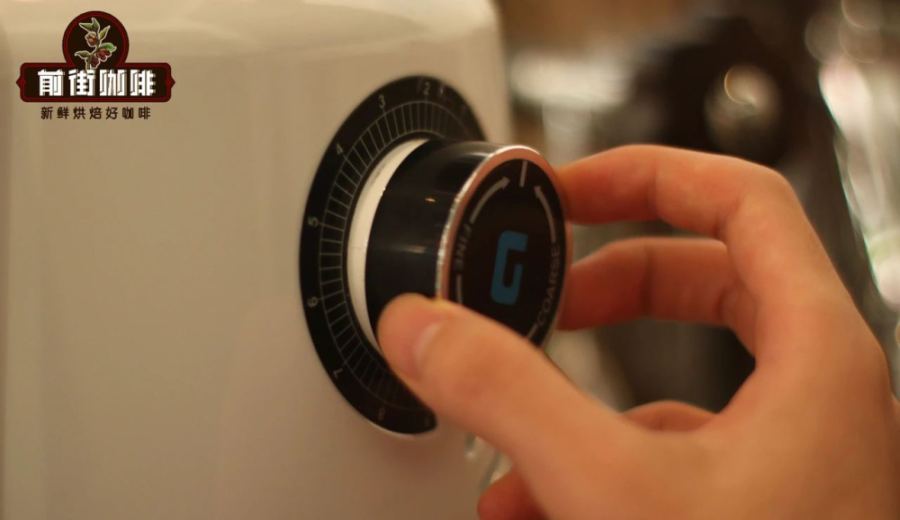
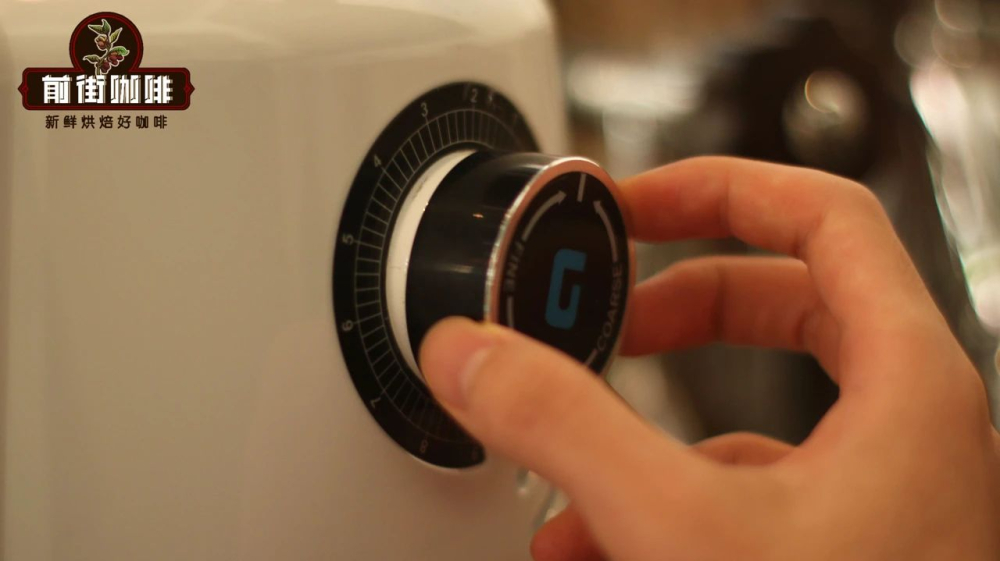
Next, let’s dive into the grinder adjustment process. First, make sure you know the model of the grinder you’re using and read the manufacturer’s manual carefully to understand the direction the grind adjustment dial turns and how much each adjustment changes the setting. Most grinders have very fine adjustments — even a tiny shift of less than 3 millimeters can change the grinding time for the same coffee beans by 3 to 5 seconds. Therefore, before making adjustments, think about whether you want a finer or coarser grind, and ensure there are enough coffee beans in the hopper and that the bean gate between the hopper and burrs is open so beans can enter the grinding chamber smoothly.
Before you begin adjusting, run the grinder idle for about 10 seconds to discard the initial grounds produced, as the settings haven’t been adjusted yet at this point. Then, use the adjusted grounds to brew an espresso shot, strictly following the standard steps for dosing, leveling the coffee bed, and tamping. Remember, common espresso water-to-coffee ratios include two types: the traditional Ristretto (extra concentrated), typically using a 1:1 or 1:2 ratio — that is, 18 grams of coffee grounds yielding 18 grams or 36 grams of espresso; while the standard Normale usually employs a 1:2 ratio. Observe the extraction time and overall flavor profile of this shot, then proceed to the next step of fine-tuning.
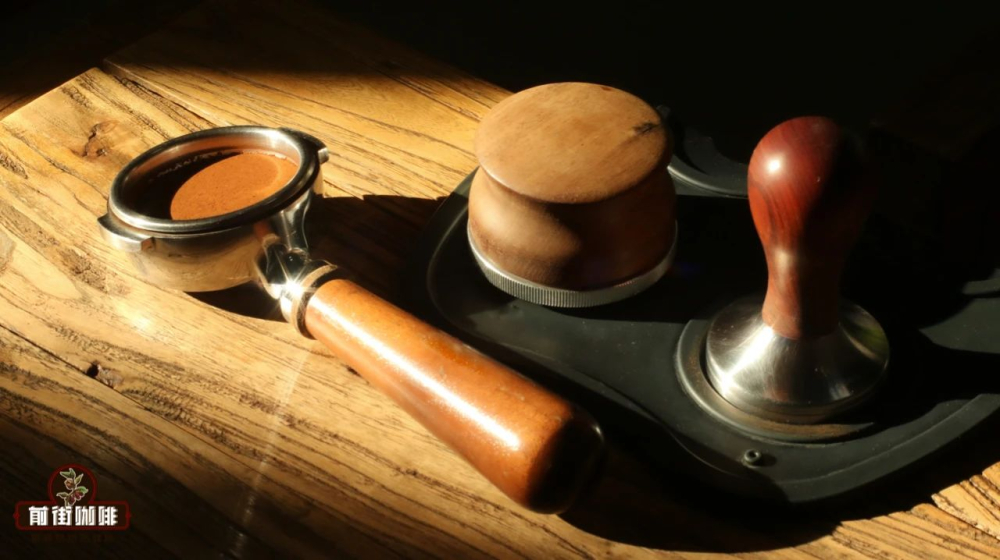
When adjusting an electric grinder, the focus is on managing two interrelated variables: the amount of coffee dispensed and the grind coarseness. These two factors often influence each other — changing one will likely affect the other. Generally, electric grinders regulate the dose based on preset time rather than precise weighing. So, if you find the extraction quality isn’t up to par, your first task is to figure out whether the issue stems from the dose or the grind size.
A useful reference benchmark is that the finished coffee puck should maintain roughly 5 to 6 millimeters of space between its top and the espresso machine’s dispersion screen. If the puck height deviates from this range, it’s advisable to first adjust the dosing time, thereby altering the actual amount of coffee dispensed. When making adjustments, it’s recommended to change the dosing time in increments of 0.2 to 0.3 seconds each time, and re-brew after each change to observe the extraction performance.
It’s important to note that once the grind parameters of an electric grinder are changed, the gap between the burrs also adjusts accordingly, which directly affects the number of coffee beans passing through per unit of time — that is, the actual coffee dose. When you make the grind finer, the burr gap narrows, reducing the number of beans that pass through in the same time period; conversely, making the grind coarser widens the burr gap and increases the throughput. Therefore, when adjusting an electric grinder, it’s wise to first understand the relationship between dosing time and grind coarseness, and continually test and fine-tune through actual brewing to gradually find the optimal balance point.
In summary, every small change to your grinder can have a significant impact on the extraction outcome and the overall flavor profile of your coffee. Therefore, whether you’re running a daily café operation or are a coffee enthusiast striving for precision, it’s essential to develop the habit of daily checking and adjusting your grinder. If you want to further explore how water-to-coffee ratios affect flavor, try fixing the dose at 18 grams and experimenting with different total extraction weights — compare the taste, clarity, and body at ratios like 1:1, 1:2, or even higher — to ultimately discover the golden ratio that suits your palate best. Only through continual practice and adjustment can you truly extract the perfect espresso tailored to you.
The above content is compiled by CoffeeHunters, a coffee news website.


