







Introduction:Jamaican Blue Mountain No. 1 coffee is world-renowned for its unique balanced flavor and rarity, yet many consumers remain unclear about the differences between its washed and natural processing methods, key roasting considerations, and optimal brewing techniques. This article delves into regional certification, grading systems, and green bean identification, offering an in-depth analysis of the flavor profiles of both processing methods, along with practical pour over parameters and step extraction tips to help you fully grasp the charm and essence of this top-tier coffee.
As a legendary presence in the global specialty coffee market, Jamaican Blue Mountain No. 1 coffee has long ranked among the finest thanks to its delicate and well-balanced flavor. Whether washed or naturally processed, this Typica variety from the Blue Mountains exhibits exceptional quality and distinctive regional characteristics. This article will detail the growing region background, grading system, and green bean identification methods of Jamaican Blue Mountain No. 1, while thoroughly analyzing how washed and natural processing affect its flavor. It also provides expert roasting advice and practical pour over parameters to help you explore every facet of this world-famous coffee.
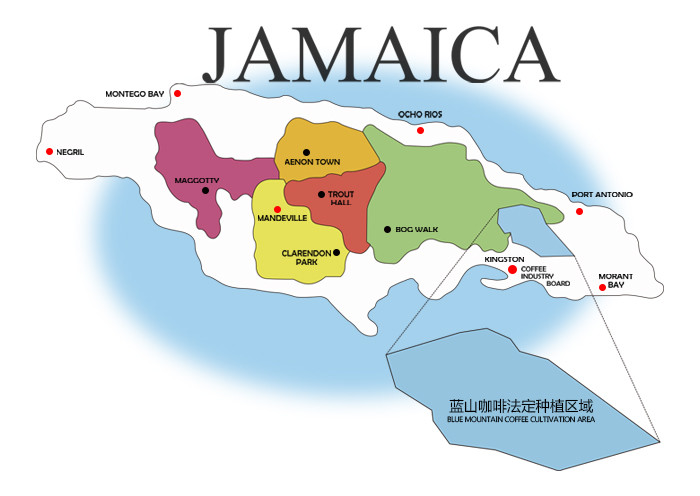
The reason Jamaican Blue Mountain coffee is both expensive and highly esteemed lies not only in its flavor profile but also in its extremely strict production standards and limited output. Blue Mountain coffee is produced only in four administrative regions in eastern Jamaica: Saint Andrew, Saint Thomas, Saint Mary, and Portland. These areas sit at elevations between 1,000 and 1,700 meters, featuring fertile volcanic soil, ideal temperatures, and ample rainfall — all of which form the unique flavor foundation of Blue Mountain coffee. According to regulations by the Jamaica Coffee Industry Board (CIB), only Arabica Typica grown, harvested, and processed within these specific regions and meeting stringent criteria can be called “Blue Mountain coffee.”
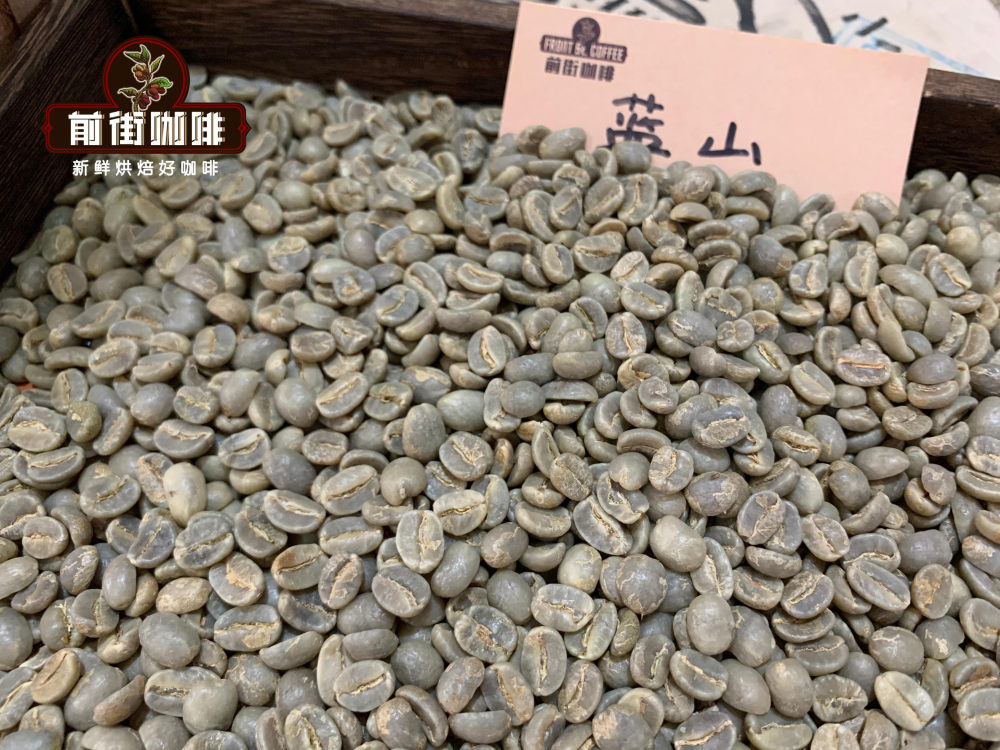
Blue Mountain coffee is subdivided into three main categories: Blue Mountain, High Mountain, and Jamaican coffee. Among them, Blue Mountain is further divided into No. 1, No. 2, and No. 3, plus peaberry (PB). No. 1 Blue Mountain is the highest grade; its green beans must be 17 mesh or larger, with a defect rate below 3% and moisture content around 13%. In comparison, High Mountain coffee, while still of certain quality, is generally grown at elevations between 500 and 1,000 meters and lacks the ultimate balance of No. 1 Blue Mountain. It also does not have a peaberry grade. For consumers, it’s advisable to carefully verify the origin and grade of the beans, and check whether the packaging is the official wooden barrel used in Jamaica — usually stamped with the Rainforest Alliance Certification symbol of the tropical rainforest frog, which is also a hallmark of Blue Mountain coffee.
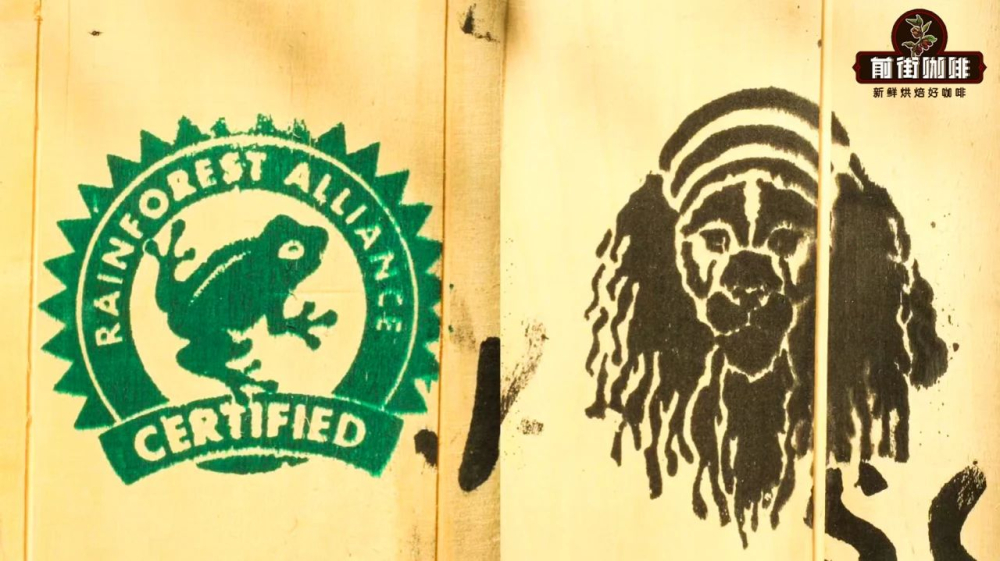
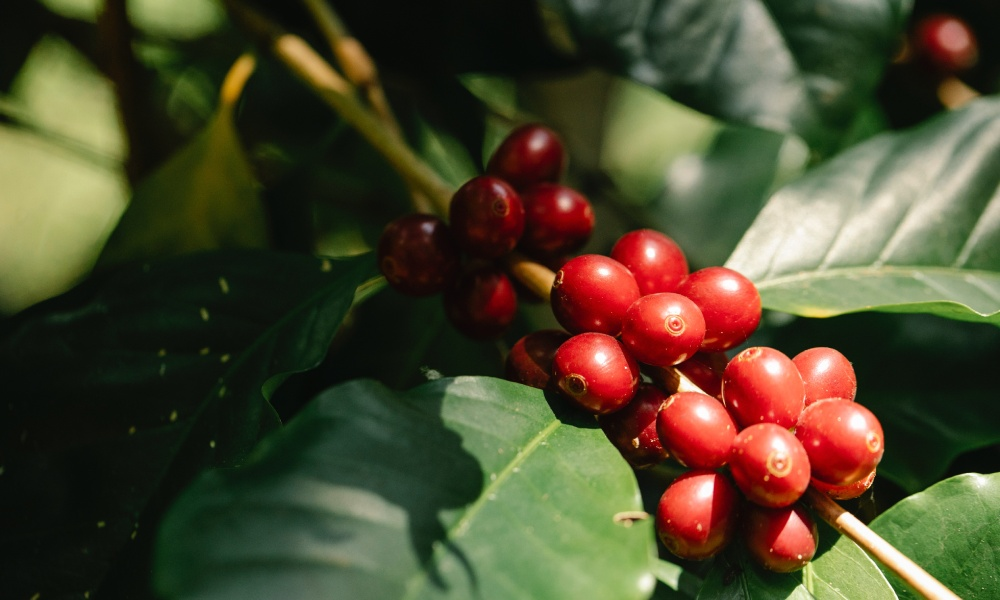
In terms of processing methods, Jamaican Blue Mountain No. 1 coffee is primarily washed, though a few farms have experimented with natural processing to explore different flavor potentials. Among them, Clifton Mount Estate is the oldest coffee plantation in the Blue Mountain region and the only legally recognized producer certified by the Rainforest Alliance (indicated by the frog logo on the barrel). This farm has long employed the washed method: fully handpicking ripe red cherries, fermenting them for 12 to 18 hours, then removing the mucilage by friction with flowing water and beans, before placing the beans — still in their parchment — on drying racks for slow low-temperature drying until the moisture level drops to 12% to 14%. This process gives Blue Mountain coffee its classic flavor profile: high cleanliness, balanced acidity and sweetness, with notes of dark chocolate and nuts.
Natural processing, on the other hand, is a relatively rare and innovative attempt. Due to the rainy and foggy climate of the Blue Mountains, natural processing faces longer drying times and higher risks of mold, requiring frequent turning of the coffee fruit and close monitoring of weather changes. Compared to washed, natural Blue Mountain coffee retains a similarly balanced acidity and sweetness, but adds more sweetness and fruity layers, often featuring the mellow sweetness of brown sugar and berry notes, with a richer mouthfeel and a refined aftertaste reminiscent of walnuts and cream. This processing method offers consumers accustomed to the traditional flavors of Blue Mountain a whole new taste experience.
Regarding roasting, due to its inherently balanced flavor profile, Blue Mountain No. 1 coffee is generally recommended to be roasted at a medium-light to medium level to preserve its delicate acidity and complex aroma layers. Over-roasting can easily mask its native flavors, resulting in excessive bitterness or smokiness. Typically, roasters adjust the roast curve according to the processing method: washed Blue Mountain suits a slightly brighter roast to enhance its cleanliness and nuttiness, while natural Blue Mountain can have a slightly extended development time to make the sweetness more pronounced. Regardless of the processing method, stable heat control and an appropriate development stage are key.
For pour over brewing, here are professional recommended parameters and steps suitable for enthusiasts seeking the delicate flavors of Blue Mountain No. 1: use 15 grams of coffee grounds with a KONO filter, set the coffee-to-water ratio at 1:15, grind size to medium-coarse (recommended about 75% passing through a 20-mesh sieve), and water temperature around 87°C. The brew can be done via step extraction — start with a 30-second bloom using 30 grams of water, then pour in small streams centered up to 125 grams and pause briefly, continue pouring to 225 grams as the water level drops, and finally remove the filter just before the water level exposes the coffee bed. The total brew time should be around 2 minutes. These parameters help fully highlight the layers and details of Blue Mountain coffee, while avoiding over-extraction or under-extraction.
In summary, Jamaican Blue Mountain No. 1 coffee is not only the pinnacle of terroir and variety, but also a showcase of processing technique and roasting artistry. Whether you prefer the clean balance of traditional washed coffee or the multi-layered sweetness of the natural version, you’ll find surprises in this top-tier coffee. When selecting and enjoying, be sure to pay attention to regional certification, grade labeling, and packaging features, and adjust your brewing strategy based on the processing method to truly appreciate the unique charm of Blue Mountain coffee.
The above content is compiled by CoffeeHunters, a coffee news website.


