







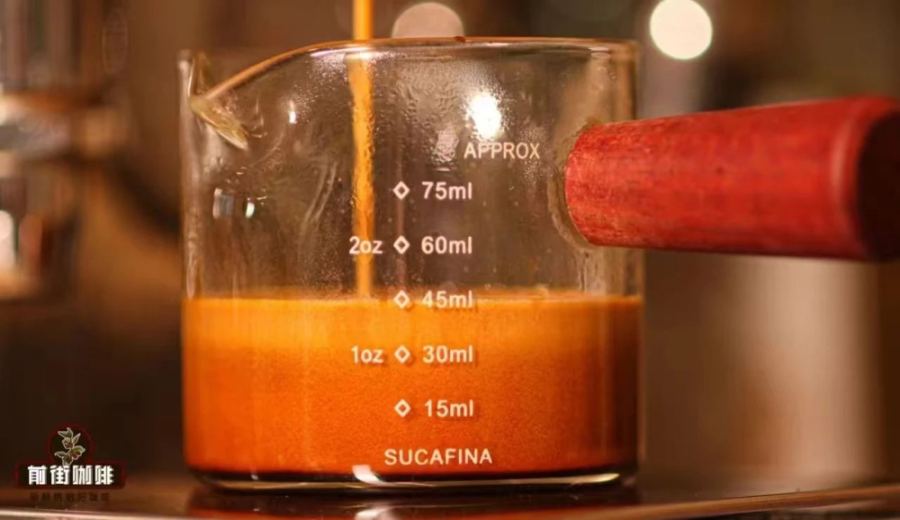
Introduction:Want to make a shot of espresso at home with rich crema and concentrated flavors, but often encounter issues like too fast flow rate, thin taste, or over-extracted bitterness? The key lies in mastering the precise balance of grind size, dose, yield, and time. This article delves into the golden standards of espresso extraction—1:2 brew ratio and the ideal extraction window of 25 to 30 seconds—compares the fundamental differences between Americano and espresso, and guides you step-by-step through practical parameter adjustments to achieve a balanced shot.
Espresso, with its signature golden crema and intense flavor, is a goal many coffee enthusiasts aim to master at home. However, unlike pour over, espresso relies on steam pressure to force hot water through a compact puck of finely ground coffee, meaning even slight deviations in any parameter can greatly affect the final outcome. Every step—from grind fineness to yield control—requires precise handling.
Before diving into extraction techniques, let’s take a look at the origins of espresso. Before espresso machines became widespread, people primarily used immersion methods to brew coffee, which not only required extremely fine grinding but also involved long waiting times. To improve efficiency, Italians innovatively employed steam pressure to push hot, high-pressure water through a coffee puck, drastically reducing extraction time and laying the foundation for modern semi-automatic and fully automatic espresso machines.
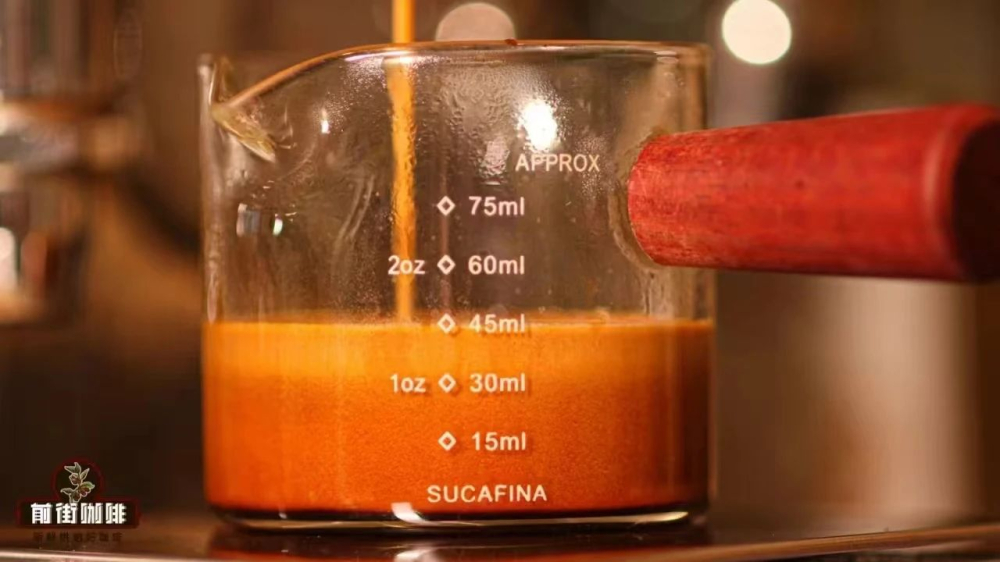
Modern commercial espresso machines can steadily output pressure exceeding nine atmospheres, paired with water heated above 90 degrees Celsius. Under high pressure, hot water quickly penetrates finely ground coffee, extracting a coffee liquid that is rich in crema, aromatic, and full-bodied. But to achieve the ideal state, mastery of four core variables is essential: grind size, dose, yield, and extraction time.
Among them,Grind fineness and uniformityare key to controlling flow rate. If coffee particles vary in size, the density after tamping will be uneven, leading to inconsistent water resistance and thus uneven extraction. This directly impacts flow rate, time, and flavor. Even a difference of 1 gram in dose can result in several seconds’ variation in extraction time for the same yield.
The ratio of dose to yield, known asbrew ratio,is one of the most straightforward extraction parameters. For a double basket, a common specification is 20 grams of coffee, and a reference standard of 1:2 brew ratio means extracting 40 grams of coffee. This ratio is not absolute and may still require fine-tuning based on actual flavor results.
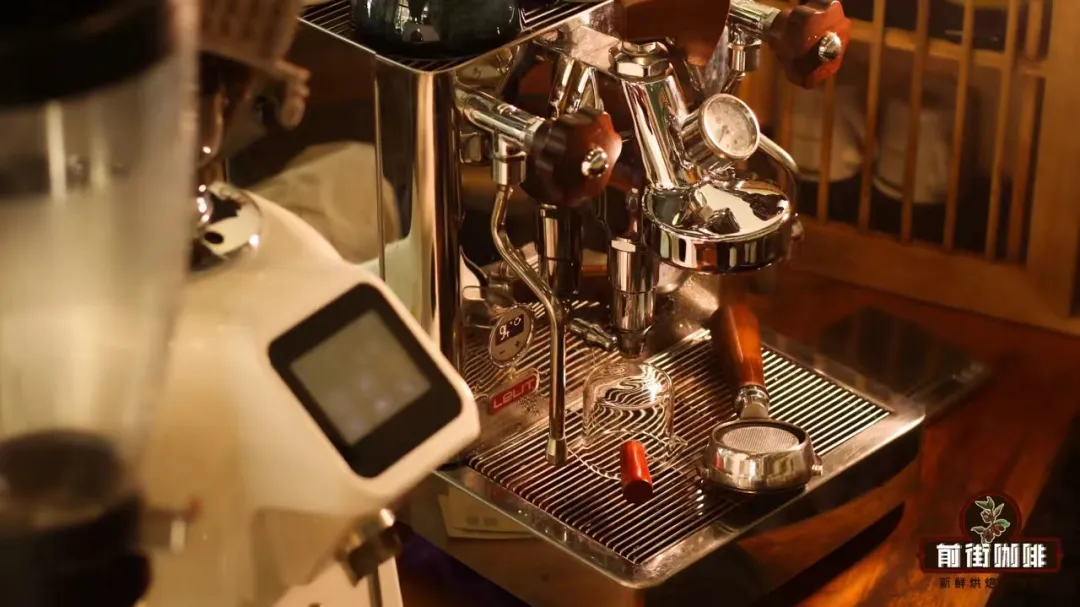
In terms of extraction time, the ideal window for espresso falls within25 to 30 seconds.With a fixed brew ratio, the shorter the time, the fewer coffee solubles are extracted, potentially resulting in a lighter flavor; the longer the time, the more solubles are drawn out, leading to richer but riskier over-extraction. Adjusting time is achieved by modifying grind size and dose.
Take a practical case: an extraction with 19.8 grams of coffee, 40 grams of yield, and 26 seconds. Upon tasting, the flow was too fast, the taste was thin, and the finish had astringency, indicating a combination of under-extraction and over-extraction in the later phase. The solution was toincrease the dose and reduce the yieldto concentrate the flavors. When the astringency disappeared and the winey notes intensified, it signaled the adjustment was on the right track.
If the flow remains too fast and aroma is lacking, it might be due to overly coarse grind or insufficient extraction, requiringa finer grind and longer time.Conversely, if the flow is too slow, the taste is overly bitter, or acidity is sharp, it may indicate over-extraction. In this case, it’s advisable toreduce the dose or coarsen the grindto increase yield and lower extraction intensity.
Compared to Americano, espresso differs not just in concentration, but also in extraction method and flavor profile. Americano is typically drip-brewed, with longer extraction times and lighter flavors, while espresso achieves high-pressure rapid extraction, concentrating the essence of coffee—ideal for drinking straight or as the base for milk-based drinks like lattes.
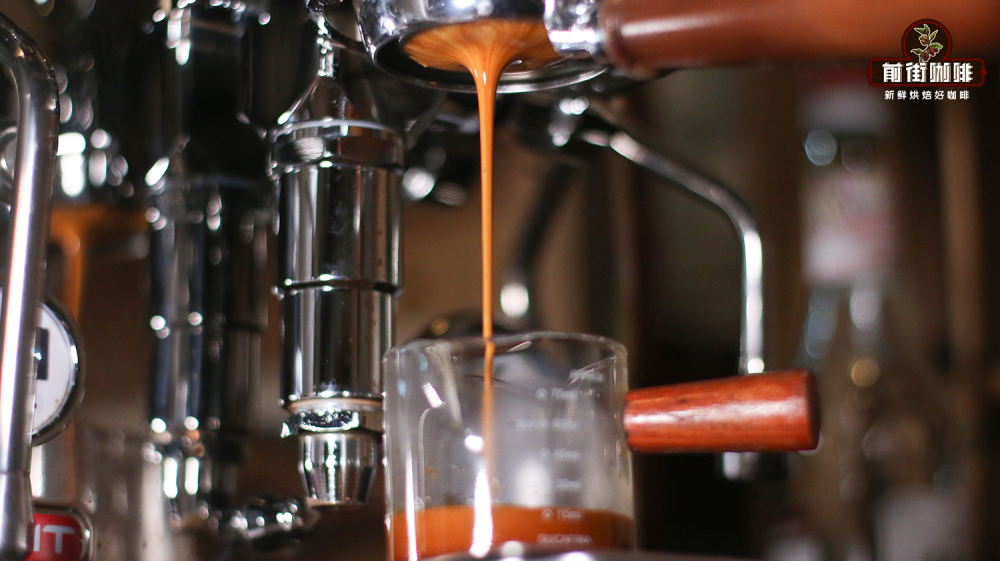
In summary, adjusting espresso comes down to understanding the interplay between variables and fine-tuning based on real tasting feedback. While home machines may not match the stability of commercial ones, grasping the basic principles, recording each shot’s parameters and flavor outcomes, and continually optimizing will allow you to enjoy a near-professional-quality espresso at home.
The above content is compiled by CoffeeHunters, a coffee news website.


