







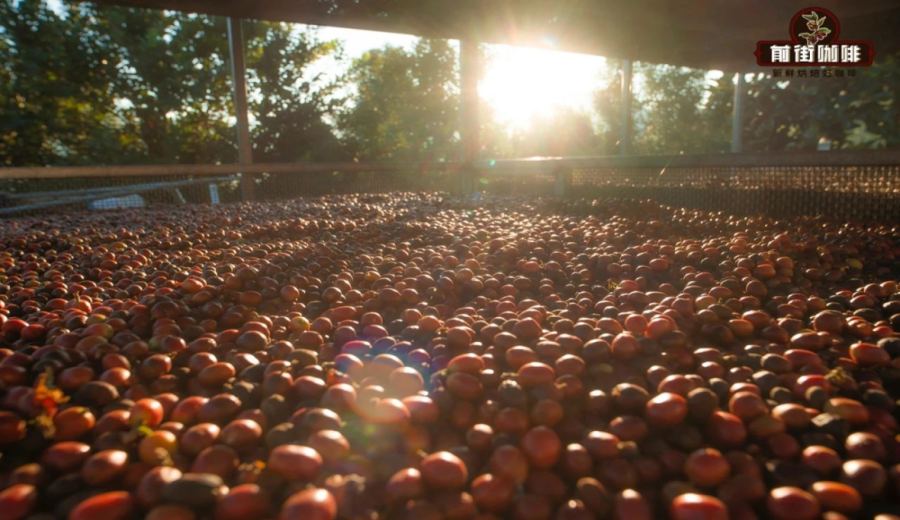
Introduction:Yunnan is China's largest coffee-producing region, accounting for over 95% of the country's total output. It primarily grows the small Arabica variety, characterized by a neutral flavor with mild acidity, making it suitable for most coffee drinkers. This article delves into Yunnan’s coffee-growing environment and varietal evolution, and provides practical pour over grind size, water temperature, coffee-to-water ratio, and brewing techniques for popular beans from a certain brand—namely washed Catimor, natural Catimor, and the 2013 natural Typica—helping you grasp the unique flavors of Yunnan beans and master the optimal brewing essentials.
When it comes to China's coffee-growing regions, Hainan and Yunnan are the two most frequently mentioned. Hainan mainly cultivates the Robusta variety, with roasting styles leaning towards dark roast, yielding intense and impactful flavors. In contrast, Yunnan is not only the earliest region in China to introduce coffee cultivation but also currently the country’s largest coffee-producing area and the only significant production base regarded as a source of high-quality coffee. With the growing popularity of specialty coffee concepts, Yunnan coffee has gradually moved away from being seen merely as commercial-grade beans, evolving toward a more premium direction.
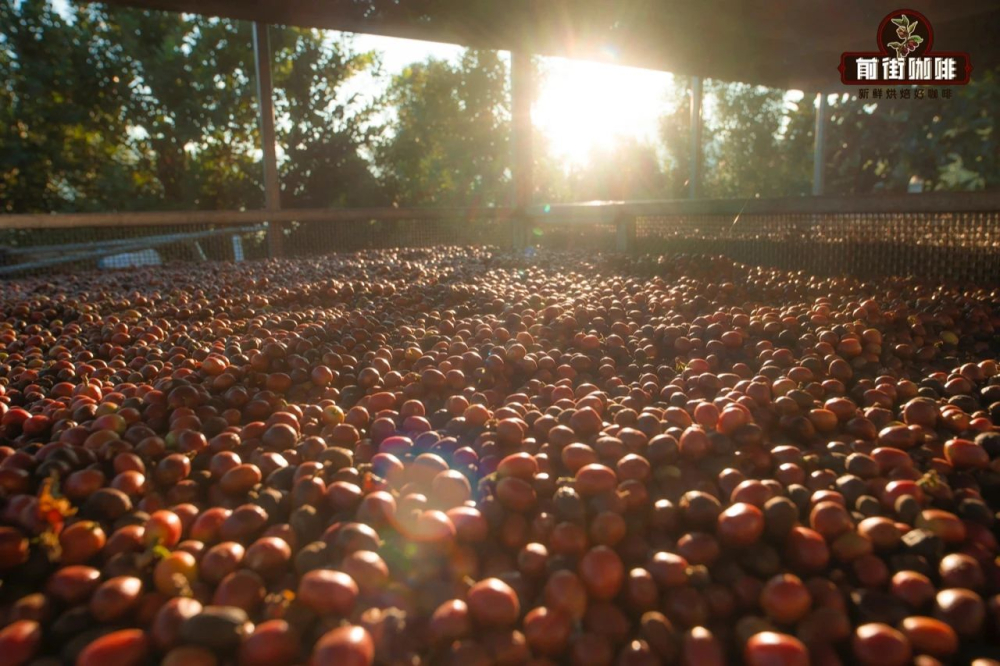
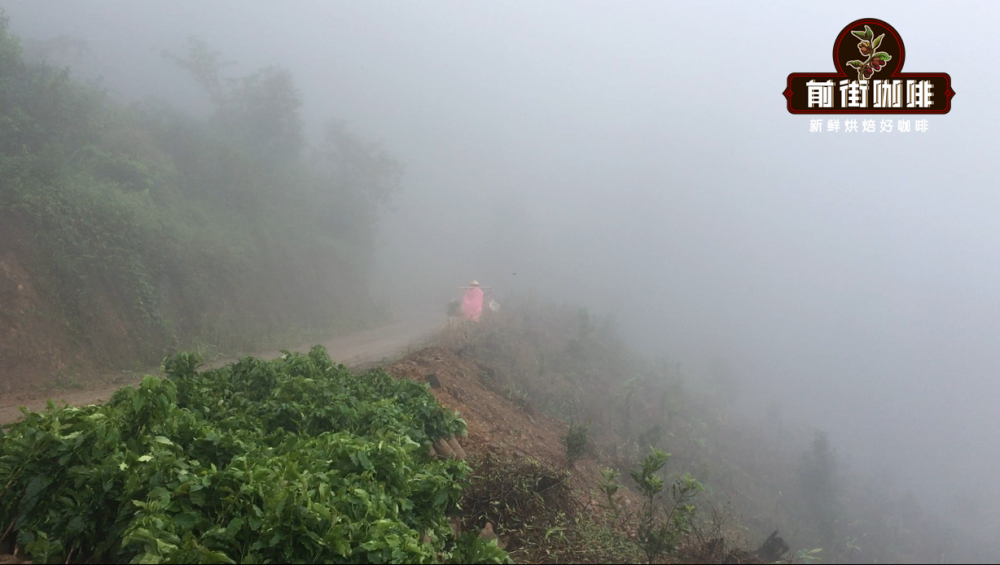
Yunnan's coffee production accounts for 95% of the national total. Although its output capacity may not rival that of neighboring countries, its quality has reached international standards. The main coffee-growing areas are concentrated in the southwestern part of the province, located near the Tropic of Cancer, within the globally recognized coffee "golden belt." The region sits at an altitude of approximately 1,000 to 2,000 meters, predominantly mountainous terrain with steep slopes, fertile soil, ample sunlight, abundant rainfall, and a significant day-night temperature difference due to the high elevation—all of which create an ideal environment for coffee tree growth.
In the past, many people’s impression of Yunnan was largely limited to Pu’er tea, with limited knowledge of the local coffee culture. However, with the rise of the specialty coffee wave, more and more cafés have started offering Yunnan-grown coffee beans. The popularity of the movie "A Little Red Flower" further sparked public interest in Yunnan coffee, boosting its market recognition.
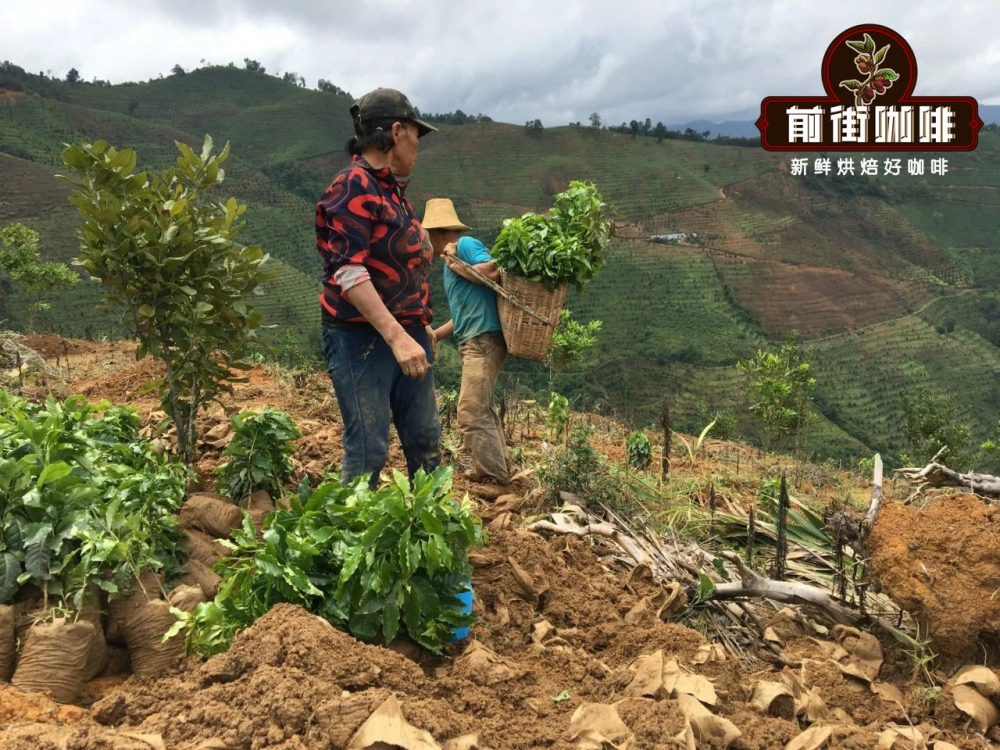
The so-called "small-bean coffee" actually refers to the Arabica variety commonly known worldwide—it is not exclusive to Yunnan but is the predominant coffee species globally. The name originates mainly in contrast to the medium-sized Robusta. Arabica coffee originated in Africa, later flourished in the Arab world, and then spread to the Americas and Asia. In terms of flavor, Yunnan’s small-bean coffee features a neutral taste with mild acidity—gentle and comfortable acidity, not overly bitter—closely aligning with the preferences of the general coffee-drinking public.
In the early days, Yunnan introduced two classic pure Arabica varieties: Typica and Bourbon. Among them, Typica is considered the representative of high quality—for example, Jamaican Blue Mountain belongs to this variety—and it offers rich aroma and delicate, varied flavors. Unfortunately, it has low yield and is susceptible to rust disease, resulting in high management costs. To balance yield and economic returns, Yunnan farmers later widely switched to the high-yield Catimor variety. A certain brand’s Yunnan small-bean coffee mainly comes from washed Catimor grown in the Baoshan region, roasted to a medium level, with flavors including nuts, chocolate, and a gentle plum-like acidity.
If you want to try a bean variety that showcases the characteristics of Chinese specialty coffee, consider trying the 2013 natural Typica launched by a certain brand. Also roasted to a medium level, this bean not only highlights Yunnan’s signature gentle nuts and plum-like acidity but also retains the clean taste of this ancient Arabica variety, with flavors as clear and delicate as black tea.
Due to Yunnan’s location in a rainy region, its climate conditions are relatively unstable, so most coffee beans are processed using the washed method, although some natural-processed products are also available. A certain brand offers both washed and natural Catimor, as well as its exclusive 2013 natural Typica, providing a variety of flavor choices.
To fully highlight the sweet-and-sour notes and tea-like characteristics of Yunnan coffee, it is recommended to use a medium roast. For pour over brewing, it is advised to use a V60 dripper, set the coffee-to-water ratio at 1:15, and grind the beans to a size similar to coarse sugar—or refer to a 75% extraction rate through a Chinese No. 20 standard sieve. The water temperature should be controlled at 88°C.
It is recommended to use a multi-pour extraction technique: begin with a bloom using twice the amount of coffee’s weight in water (for example, 60 grams of water for 30 grams of coffee) for about 30 seconds. This step helps release carbon dioxide from the coffee grounds, ensuring a more stable extraction afterward. Then, pour water in small circles until you reach 125 grams for the first pour, continue pouring until you reach 225 grams, and then stop. Once the water in the dripper has completely dripped through, remove the dripper. The total extraction time is recommended to be around 2 minutes. Finally, gently swirl the brewed coffee before pouring it into your cup to achieve a more balanced flavor profile.
[Flavor Profile of a Certain Brand’s Washed Yunnan Small-Bean Coffee]: Herbal, nutty aroma, chocolatey tone, caramel sweetness, with a lingering fruity acidity.
[Flavor Profile of a Certain Brand’s Natural Catimor Yunnan Coffee]: Prominent notes of nuts, chocolate, spices, caramel, and plum.
The above content is compiled by CoffeeHunters, a coffee news website.


