







Introduction:SL28 is one of Africa’s most representative coffee varieties, originating in Kenya in the 1930s and renowned for its outstanding drought resistance and elegant floral flavor notes. This article delves into the breeding history, genetic background of SL28, as well as its real-world performance at the Asali processing plant in Kenya, including the growing altitude, processing method, and intricate flavor profile, helping you fully grasp the unique charm and cultivation essentials of this classic variety.
SL28 is one of the classic representatives among African coffee varieties. Since its emergence in Kenya in the 1930s, it has gradually expanded to Uganda and even taken root across the ocean in Latin America. This variety is particularly well-suited for planting at medium to high altitudes, boasts excellent drought tolerance, but relatively weaker disease resistance. Nevertheless, coffee brewed from SL28 often exhibits delicate floral aromas with rich flavor layers, making it highly favored by coffee enthusiasts. For example, a certain coffee bean blend skillfully combining the two classic varieties, SL28 and SL34, has also gained the preference of many consumers.
The greatest feature of SL28 lies in its exceptional stability and long-term potential. Some old trees that have been planted for many years, even those aged 60 to 80 years, can still consistently produce high-quality coffee cherries. This has made it a treasured variety among many coffee farmers. With proper management, even after long periods without harvest, these old trees can resume production following renewed care, maintaining outstanding quality.
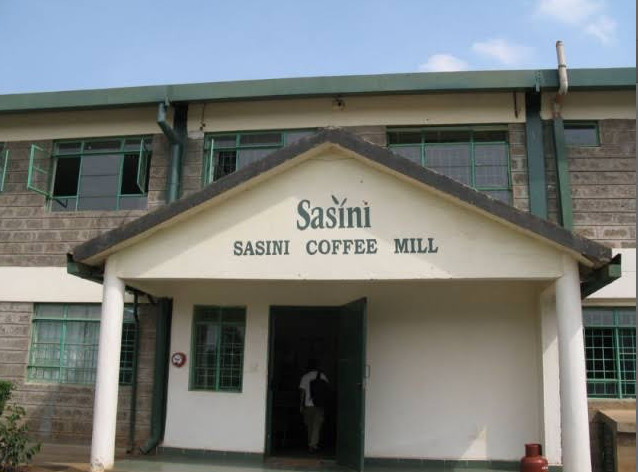
Take the “Little Tomato” coffee beans produced by Kenya’s Asali processing plant as an example. This product is made from the two classic varieties, SL28 and SL34, planted at an altitude between 1550 and 1750 meters, representing typical high-altitude growing conditions. In terms of processing, this batch of beans undergoes a 72-hour washed process, which helps enhance cleanliness and flavor clarity. In terms of flavor, this coffee often presents complex and layered aromas and tastes such as pears, black plums, brown sugar, cherry tomatoes, and plums, making it especially suitable for appreciation through the pour over method.
When discussing the origins of SL28, one must mention the former Scott Agricultural Laboratory (now known as the National Agricultural Research Laboratories, NARL). Between 1935 and 1939, researchers conducted a series of single-plant selection programs here, with all participating varieties labeled with SL numbers. In this rigorous breeding program, the research team conducted detailed evaluations on 42 coffee trees from various sources, assessing yield, cup quality, drought resistance, and disease resistance. Among them, SL28 was selected in 1935 from a single plant within a drought-resistant group originally from Tanganyika.
According to historical records, in 1931, AD Trench, then Senior Coffee Officer at the Scott Laboratory, visited what was then Tanganyika (now Tanzania) for an inspection. In the Monduli region, he discovered a certain coffee variety that exhibited excellent drought and disease resistance. These seeds were brought back to Kenya, and laboratory tests confirmed their outstanding drought resistance, leading to their once widespread cultivation. However, over time, their descendant variety, SL28, gradually replaced the original strain due to superior overall performance. Modern genetic testing technology also confirms that SL28 does indeed share certain genetic kinship with the Bourbon variety.
The establishment of the Scott Agricultural Laboratory dates back to 1922, when it was set up by the British colonial government at the time, under the jurisdiction of the Kenya Ministry of Agriculture, primarily responsible for agricultural research and technology promotion. The laboratory brought together experts in fields such as entomology, mycology, and plant breeding, and featured a dedicated coffee research department. Initially, this department was located in the central office, only moving into the main laboratory building in 1934, where 24 acres of dedicated land were allocated for coffee-related research. It is worth mentioning that the laboratory’s name originates from the building itself—this structure, built in 1913, was originally a sanatorium, later converted into a field hospital during World War I, and named after Scottish Church missionary Dr. Henry Scott. After 1922, the building was taken over by the Ministry of Agriculture and officially renamed the Scott Agricultural Laboratory.
In addition to in-house research, researchers also collaborated closely with local private estate owners, screening out promising planting materials through the introduction of new varieties and systematic trials. Official records show that “the introduction and trial planting of new varieties was a notable feature of the laboratory’s work… researchers would select from individual plants exhibiting desirable traits.” Other research projects included yield comparison trials, grafting techniques, pruning effect assessments, shade treatments, and cover crop applications, laying a solid foundation for local coffee cultivation.
As the scale of research expanded, the Kenyan government decided in 1944 to centralize coffee research at specialized coffee research stations to provide better field trial environments. Among them, the Jacaranda Estates, located 20 miles north of Ruiru, was launched in 1949, covering 380 acres. Subsequently, substations were also established in Upper Kiambu (1957), Meru (1958), Kitale (1938), Lake Victoria (1959), and Kisii (1957), collectively forming an important coffee breeding network in East Africa.
The above content is compiled by CoffeeHunters, a coffee news website.


