







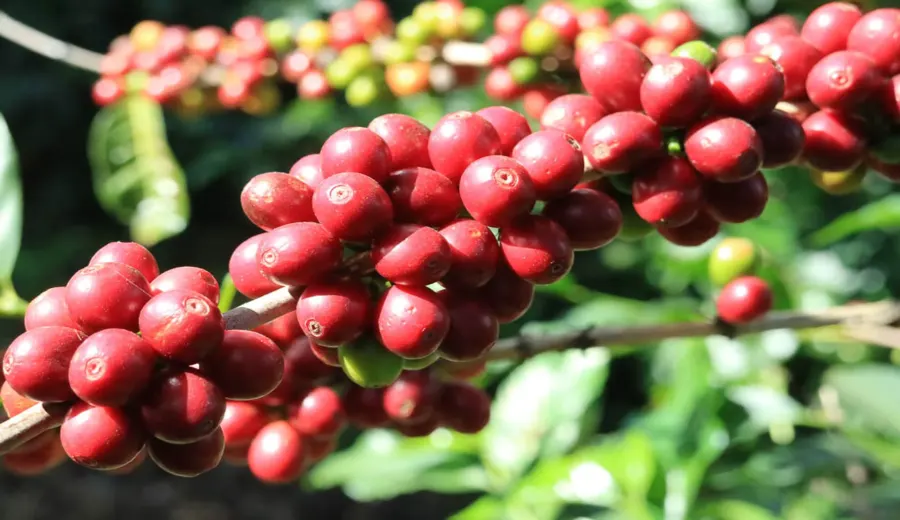
Introduction:As a classic variety within the Arabica family, Bourbon coffee beans are renowned for their elegant acidity and rich sweetness. This article delves into the origins of Bourbon, its global dissemination, and provides a detailed analysis of the characteristics and differences among its variants—Red Bourbon, Yellow Bourbon, Pink Bourbon, and SL28-like narrow-leaf Bourbon—while also exploring how processing methods and altitude influence its flavor profile. This helps coffee enthusiasts gain a more comprehensive understanding of the unique charm of this classic variety.
In the world of Arabica coffee, Bourbon and Typica are both historic and high-quality varieties. Bourbon is typically grown at high altitudes and is widely praised for its outstanding cupping performance and complex flavor layers. It not only serves as an excellent base for specialty coffee but is also a classic choice for many coffee lovers when starting their pour over journey.
The name “Bourbon” originates from the island of Réunion off the eastern coast of Africa, which was formerly known as Île Bourbon and was a French colony. Historical records indicate that the French made multiple attempts between 1708 and 1718, eventually successfully introducing round-seeded coffee beans from Yemen to Île Bourbon. These beans gradually adapted to the local environment and reproduced stably. By 1860, these coffee seeds were brought to Brazil and subsequently spread rapidly across Central and South America as well as parts of East Africa, becoming a foundational variety for coffee cultivation in Latin America.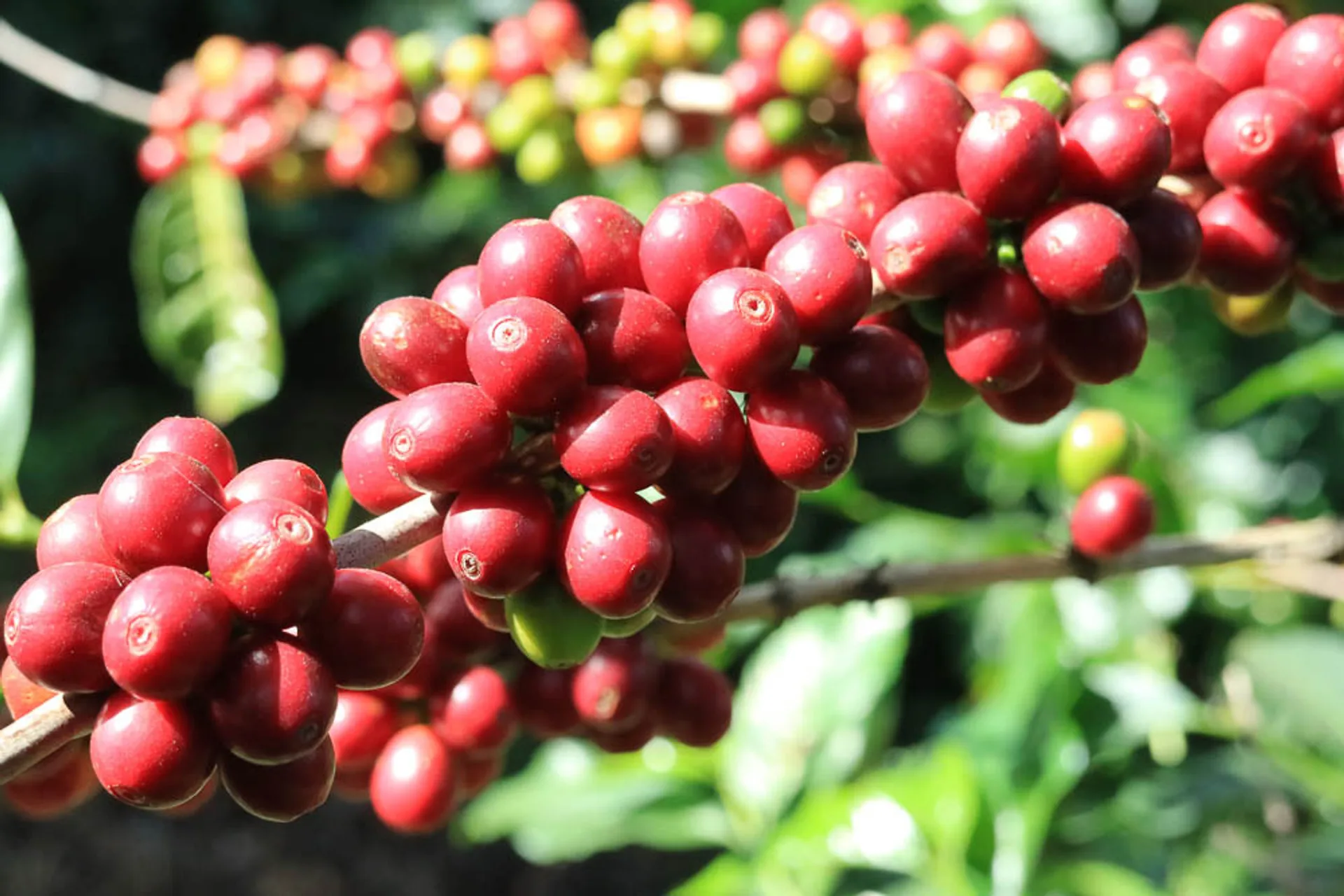
Bourbon coffee trees have distinct morphological characteristics: the internodes between leaves are relatively short, and the cherries are rounder and slightly shorter than those of Typica. The color of ripe fruits varies by variant and can appear yellow, orange, or even pink. Almost all Bourbon green beans are round in shape, slightly smaller in size than Typica, with a slightly later maturation period. However, in high-altitude environments, they can accumulate higher bean density, resulting in more pronounced sweetness and brighter acidity. In addition, compared to Typica, Bourbon exhibits greater resistance to coffee leaf rust, allowing it to maintain a certain level of yield and quality even under variable climatic conditions.
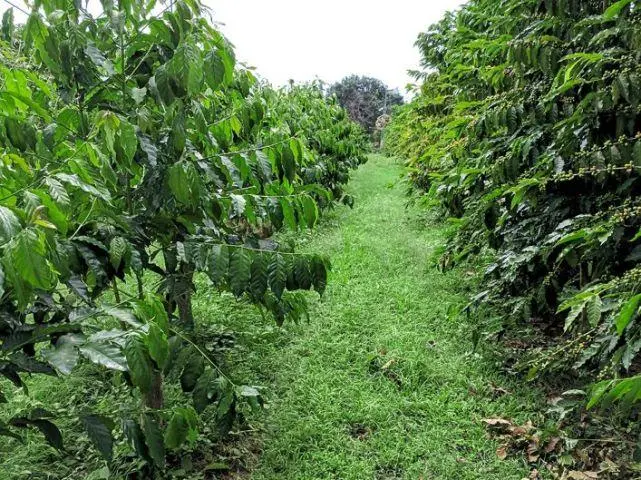
The spread of Bourbon can be traced back to the early 19th century. Around 1860, Bourbon seeds were introduced to the Campinas region in southern Brazil, then rapidly expanded northward, gradually covering various countries in South and Central America. By the mid-to-late 19th century, French missionaries further brought Bourbon to East African regions, including Kenya, Tanzania, and Rwanda. Although the Bourbon variety is susceptible to various diseases and has gradually been replaced by disease-resistant derivatives such as Caturra and Catuai, large-scale Bourbon plantations still exist in countries like Brazil, Guatemala, and Colombia, especially holding a notable position in specialty coffee-growing regions.
Common Bourbon varieties can be divided into Red Bourbon, Yellow Bourbon, and Pink Bourbon based on the color of the ripe fruit. Red Bourbon cherries transition from green to yellow, then to red, and finally to deep red during the ripening process—hence the name. This type of Bourbon typically offers rich notes of caramel, nuts, and fruit, and is well-suited for medium-to-dark roasting to bring out a balanced and full-bodied taste. Yellow Bourbon, on the other hand, is a rather unique variant whose cherries do not turn red upon ripening but instead exhibit an orange-yellow hue, hence the name. This variety was first discovered in São Paulo State, Brazil, in the 1930s. The genetic trait behind its yellow fruit results from a specific gene combination, where dominant genes lead to red berries and recessive ones to yellow, with rare cases resulting in orange. Yellow Bourbon is usually grown at high altitudes, allowing it to accumulate more fructose and deliver sweet, juicy flavor profiles. It has won accolades multiple times in Brazil’s Cup of Excellence competition.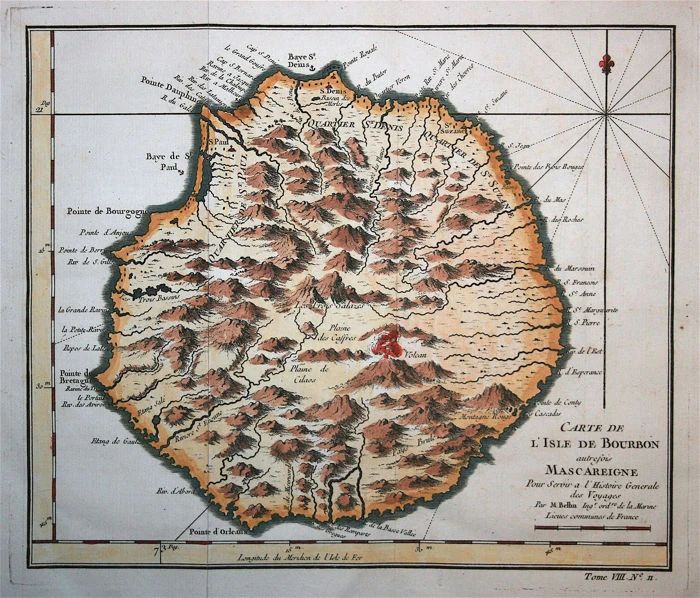
Pink Bourbon is a rare variety resulting from the crossbreeding of Red Bourbon and Yellow Bourbon, with its cherries turning a captivating pink upon ripening. This coloration stems from the expression of recessive genes in the pollen, but due to complex gene interactions, consistently producing Pink Bourbon is highly challenging, making it extremely rare in the market. Additionally, there is a particularly unique Bourbon variant—Laurina (also known as narrow-leaf Bourbon)—whose beans are distinctly slender and pointed. It was first discovered on Réunion Island (formerly Bourbon Island). Laurina is known for its low caffeine content and elegant flavor characteristics. However, because caffeine itself acts as an insect repellent, low-caffeine varieties are more susceptible to pests and diseases. Coupled with its slow growth rate, large-scale cultivation is difficult, and it is mostly produced in small, artisanal batches.
If you wish to personally experience the unique flavors of the Bourbon variety, it is recommended to start with the classic Red Bourbon and Yellow Bourbon. When grown at high altitudes, Red Bourbon often exhibits aromas of nuts, caramel, and toasted bread, and is well-suited for medium-to-dark roasting, delivering a balanced and full-bodied taste. Yellow Bourbon, influenced by high altitude and unique genetics, showcases a distinct sugarcane sweetness, along with notes of black tea and fruit. It has a soft acidity and a smooth, delicate mouthfeel, making it a flavor benchmark for many specialty coffee enthusiasts.
Overall, the Bourbon variety, with its long history, diverse variants, and rich flavor potential, is worth trying whether you’re a beginner in coffee or a seasoned connoisseur seeking refined flavors. By understanding the characteristics of different variants and the suitable processing methods, you’ll be able to explore the endless charm of Bourbon coffee beans more deeply.
The above content is compiled by CoffeeHunters, a coffee news website.


