







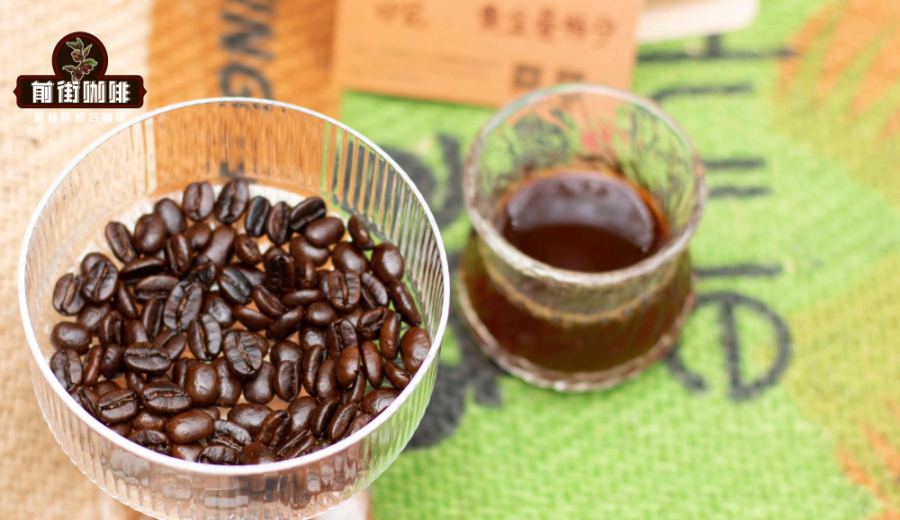
Introduction:Want to understand the unique flavors and processing methods of Indonesian Golden Mandheling? This article provides an in-depth analysis of the PWN-produced G1-grade Golden Mandheling, covering the characteristics of the wet-hulled processing method, flavor profile, roasting recommendations, and brewing techniques — giving you a comprehensive understanding of this classic bean variety renowned for its rich sweetness. Whether you’re a pour over enthusiast or someone seeking a low-acid, bold cup, you’ll find practical advice here.
Golden Mandheling is hailed as the pinnacle of Indonesian specialty coffee, and the G1 grade produced by PWN stands out even in the premium market. These beans from Sumatra are celebrated for their bold sweetness and pronounced notes of caramel and dark chocolate, along with a strong “regional character” — including herbal, spicy, and subtle woody tones — making it a must-try classic for fans of dark roast coffee.
Flavor Profile and Taste Differences
Compared to typical Mandheling beans from the Lintong region, Golden Mandheling offers a cleaner, purer taste with fewer of the common herbal, earthy, or woody off-flavors. Instead, it showcases distinct caramel sweetness and a smooth body. Even at different roast stages, such as just before or after the second crack, this bean retains good clarity and layers, offering roasters greater flexibility in interpretation.
Impact of the Wet-Hulled Processing Method
Golden Mandheling primarily employs Indonesia’s uniquewet-hulled processing method(Giling Basah). This technique involves removing the outer parchment layer while the beans are not yet fully dried, making them more susceptible to environmental influences during drying and resulting in a slightly higher defect rate. However, this process also imparts special flavors — such as herbal mustiness, earthy tones, and a pronounced regional identity. Though it adds some risk, this method is key to forming the unique personality of Golden Mandheling.
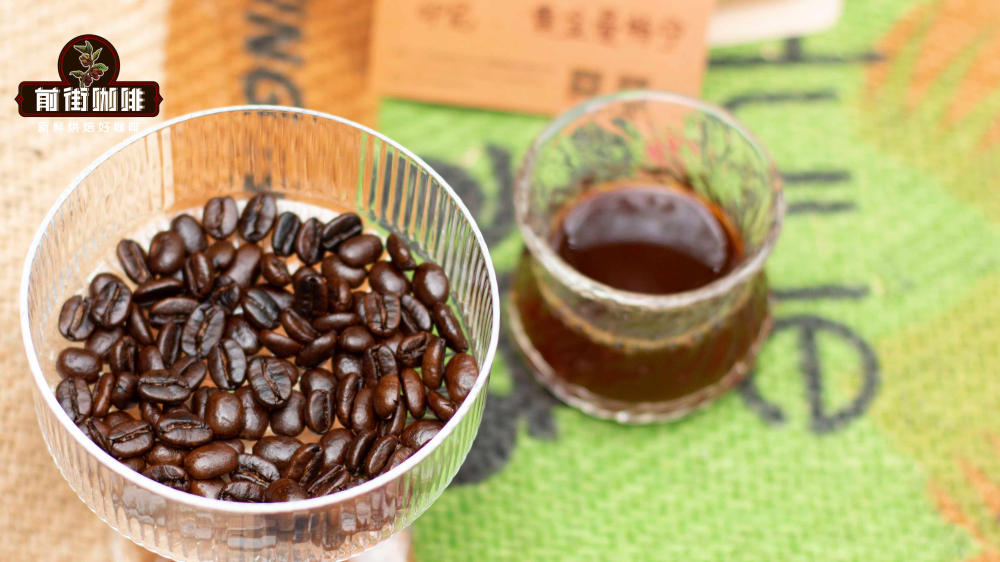
Definition and Standards of G1 Grade
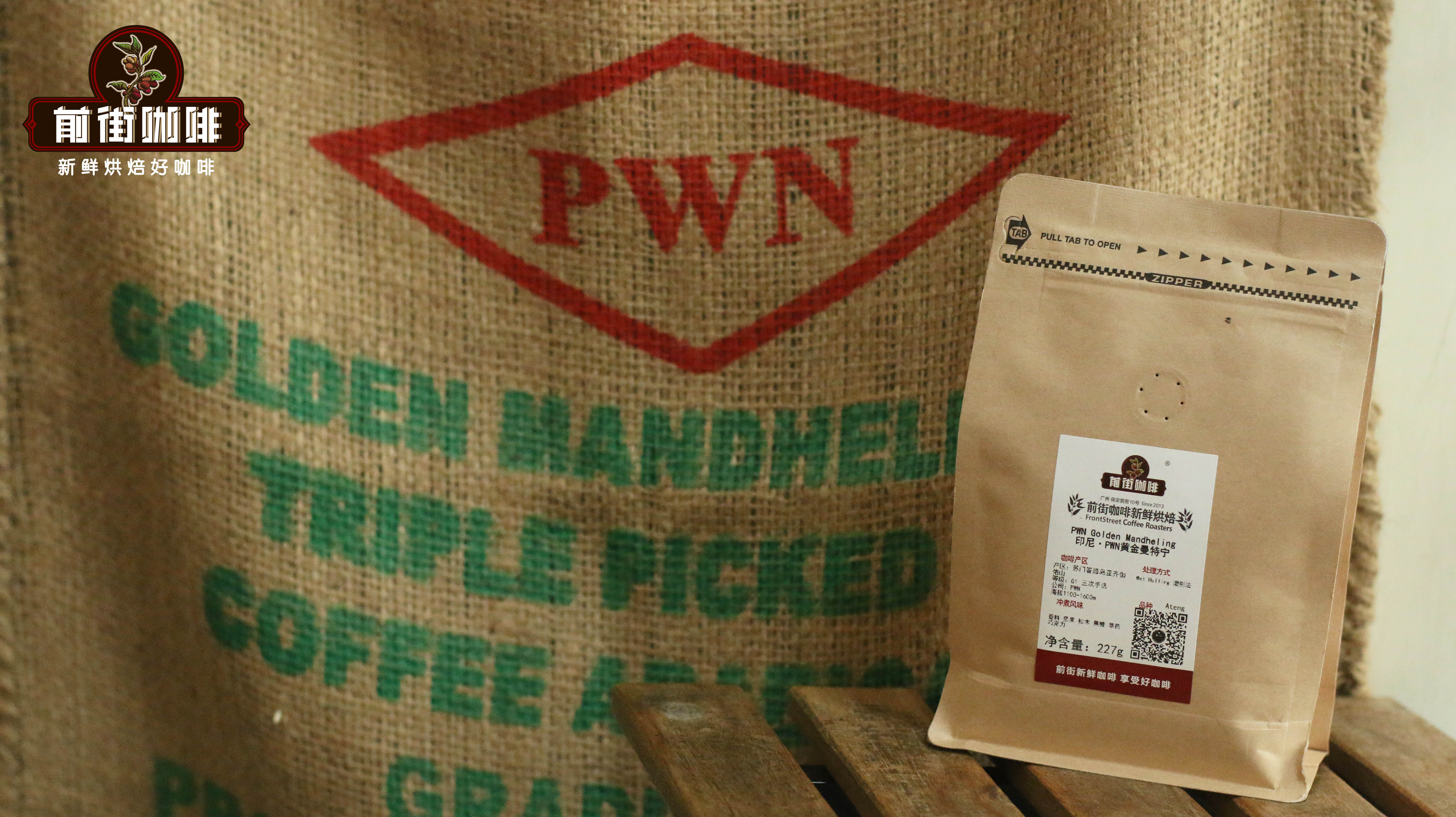
PWN (Pwani Coffee Company) is not only a well-known brand of Golden Mandheling but also the holder of the trademark. In Indonesia, coffee beans are graded based on defect count and processing method, whereGrade 1 (G1)is the highest grade for washed beans, allowing no more than 3 defective beans per 300-gram sample. It is a standard specifically designed for premium markets such as Japan. This strict screening process ensures consistency and high purity in G1 beans.
In short, the grading system for Indonesian coffee is as follows:
- Grade 1 (First Grade): 00–03 defective beans, highest grade for washed beans
- Grade 2 (Second Grade): 04–12 defective beans, standard grade for washed beans
- Grade 3 (Third Grade): 13–25 defective beans, highest grade for natural/sun-dried beans
- Grade 4 (Fourth Grade): 26–45 defective beans, standard grade for natural/sun-dried beans
- Grade 5 (Fifth Grade): 46–90 defective beans, basic export grade for natural/sun-dried beans
Heirloom Varieties and Refined Selection
Golden Mandheling uses heirloom Arabica varieties from the Indonesian highlands and undergoes multiple rounds of manual sorting to ensure only the highest-quality beans reach the market. With limited annual production, it is a high-end variety with great value for both collection and tasting. These carefully selected beans offer a strong aftertaste and fruity notes, delivering clear layers and a natural finish even amid the interplay of bitter and sweet flavors.
Roasting and Brewing Recommendations
Golden Mandheling is generally recommended to bedark roastedto further highlight its caramel, dark chocolate, and nutty aromas, as well as enhance its overall body. This bean is suitable for various brewing methods, whether pour over, moka pot, French press, siphon, or even SOE single-origin extraction, all of which can showcase its rich flavor spectrum.
For brewing parameters, it is suggested to use a medium-fine grind (similar to granulated sugar), with water temperature controlled at 90–93°C, and employing mid-level pouring with a steady flow rate to help emphasize its sweetness and low acidity.
Who Is It For?
This coffee is ideal for those who dislike prominent acidity and prefer a bold, full-bodied taste. If you love the caramel sweetness and chocolatey finish in black coffee, and want to experience the distinctive spicy and herbal regional flavors of Indonesian coffee, Golden Mandheling makes an excellent daily drinker or a thoughtful gift for friends and family.
The above content is compiled by CoffeeHunters, a coffee news website.


