







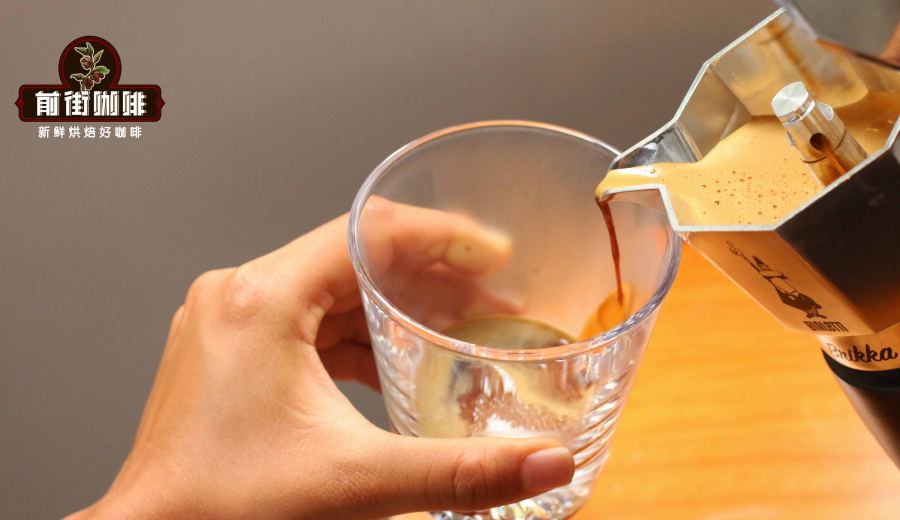
Introduction:Many coffee enthusiasts own a moka pot at home for brewing espresso-style coffee. But did you know that a moka pot can also be used to make a drink similar to a latte? This article will delve into whether a moka pot can produce a latte, the relationship between extraction time and coffee grind size, and provide practical tips and precautions to help you brew a rich and smooth moka pot latte at home.
Thanks to its simple operation and relatively affordable price, the moka pot has become a popular choice for many households looking to make espresso-style coffee. Although it cannot replicate the high-pressure extraction of a professional espresso machine, the coffee it produces still has a rich flavor, making it suitable for further preparation into lattes or other milk-based coffee drinks. The moka pot mainly consists of three parts: the lower chamber, the filter basket, and the upper chamber. When heated, water in the lower chamber turns into steam, creating pressure that pushes the water up through a central tube, passing through the coffee grounds, and finally dripping into the upper chamber to form an espresso.
However, drinking moka pot coffee directly can often be overwhelming due to its high concentration, intense flavor, and difficulty in fully releasing the aroma. As a result, many people choose to add water or fresh milk to make a moka pot Americano or latte. This not only reduces the coffee’s intensity but also allows for a smoother tasting experience, highlighting the coffee’s aroma and layers.
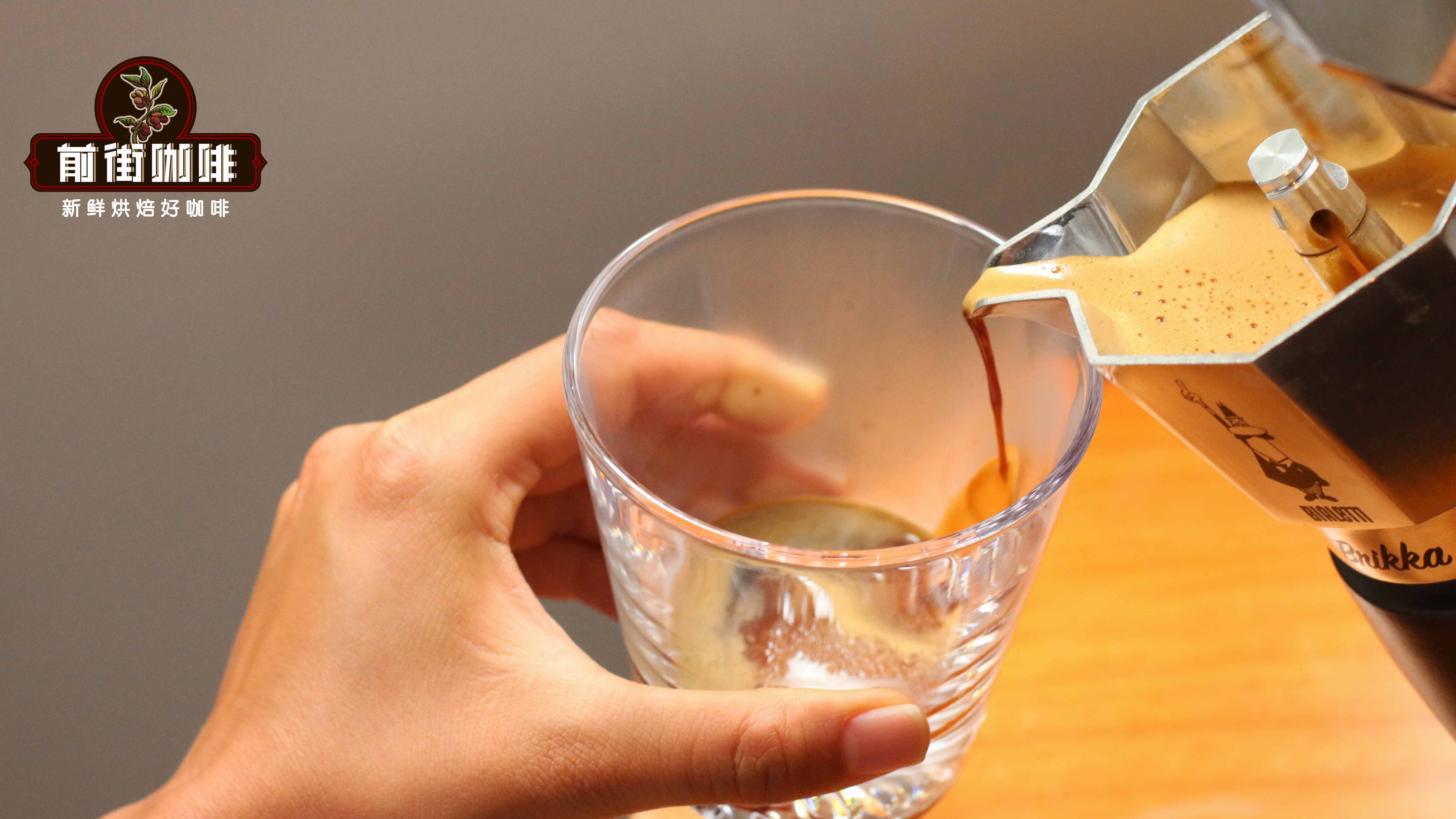
Among various home coffee brewing devices, the moka pot is a top choice for many users attempting to make espresso-style coffee at home. Although its pressure output is not as strong as that of a professional machine—resulting in a slightly less rich coffee—the moka pot is highly cost-effective, available for just a few hundred yuan, much more affordable than professional machines that can cost thousands. It is an excellent option for everyday home use.
The structure of a moka pot is relatively simple, mainly divided into three parts: the lower chamber holds the water, the middle filter basket contains the coffee grounds, and the upper chamber collects the brewed coffee. When the water in the lower chamber is heated to boiling, the resulting steam pressure pushes the hot water up through the central tube and filters it through the coffee grounds, eventually gathering in the upper chamber as espresso.
It’s important to note that coffee directly brewed with a moka pot is usually quite concentrated, with a strong flavor and aromas that may not fully develop. Therefore, it’s recommended to mix it with water or fresh milk to make a moka pot Americano or latte. This not only softens the flavor but also helps bring out the unique characteristics of the coffee beans more clearly.
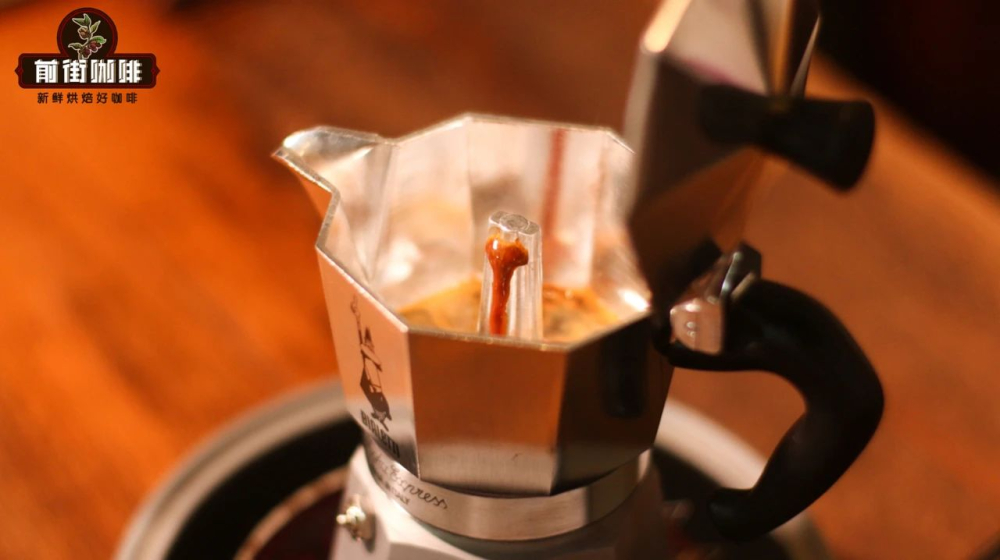
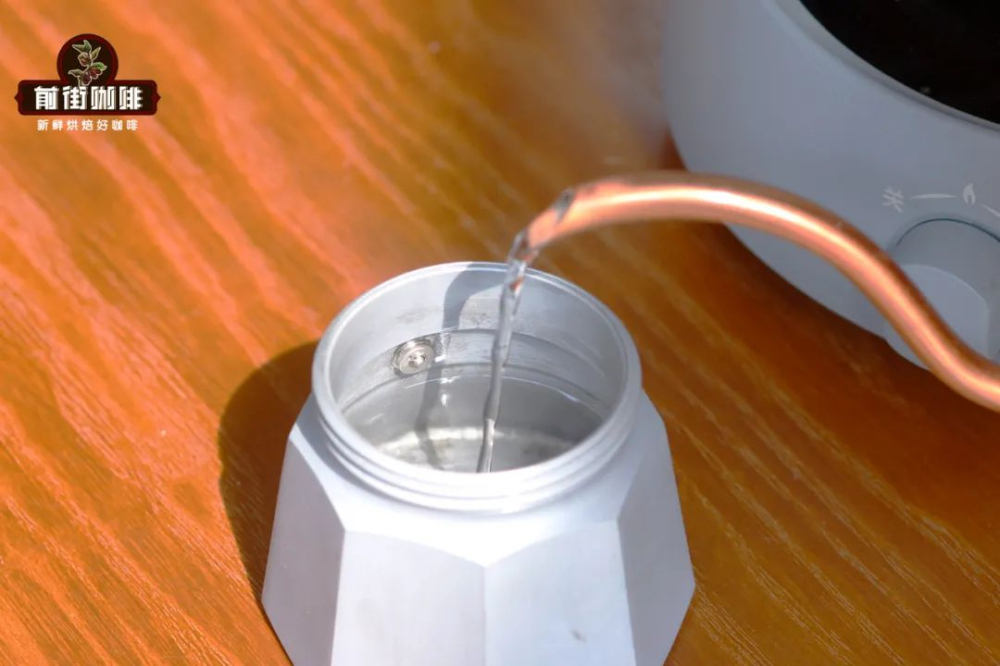
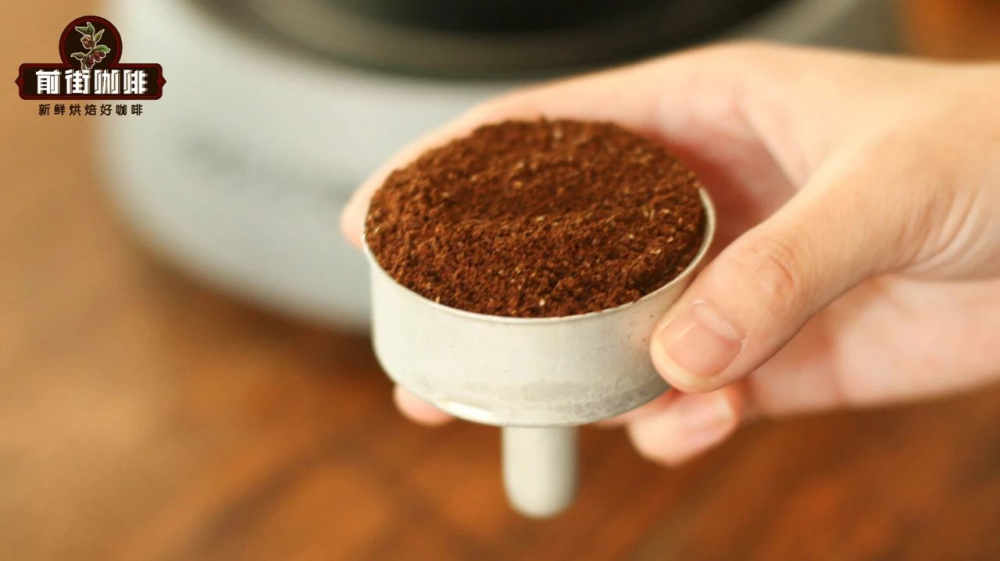
If you want to make a latte-like coffee using a moka pot, you can follow these steps: First, add an appropriate amount of cold water to the lower chamber (it’s best to avoid hot water to prevent burns during operation). Then, place the filter basket into the lower chamber and gently hold its edges as you fill it with coffee grounds. When filling, aim to create a slight mound in the center, resembling a small hill, and ensure the grounds are evenly distributed to fill all gaps around the basket. Finally, tightly screw the upper and lower chambers together.
Next, place the moka pot on a heat source such as an electric stove or gas burner. When you hear a “wuu wuu” sound, it indicates that the coffee liquid has started to be pushed out from the filter basket. At this point, immediately turn off the heat and let the remaining coffee liquid flow out naturally. Typically, when the coffee level rises to about two-thirds of the upper chamber, the extraction is mostly complete, with a total yield of approximately 60 to 100 milliliters.
Since the coffee brewed by a moka pot often has a layer of golden crema on the surface, but this crema tends to dissipate quickly, it’s recommended to add milk before it completely disappears. You can use a French press or another method to gently heat about 200 milliliters of fresh milk and create a bit of foam. Then, mix the foam with the coffee liquid evenly. Feel free to add latte art according to your preference, and your flavorful moka pot latte is ready.
When making a moka pot latte, to achieve better harmony between coffee and milk, it’s recommended to choose medium to dark roasted coffee beans. These beans typically have a richer flavor and moderate body, which pairs well with milk. For beginners, you can try a medium to dark roast blend—such as one combining Brazilian beans’ creamy, nutty notes with Yunnan beans’ slight acidity. Such beans can bring out cocoa-like aromas that pair especially well with milk.
Additionally, because coffee beans release carbon dioxide over time after roasting, storing them for too long can not only affect the crema during extraction but also lead to flavor loss. Therefore, it’s recommended to use freshly roasted beans, ideally within 5 days of roasting, to ensure optimal extraction and aroma performance.
Finally, since a moka pot can only brew a single serving of coffee at a time and it’s difficult to precisely control the weight and concentration of the extracted coffee, special attention should be paid to the tamping of the coffee grounds and the grind size. Generally, the moka pot works best with medium-fine to slightly finer grinds. A grind that’s too coarse may result in under-extraction, while one that’s too fine can lead to over-extraction and a bitter taste. Mastering the appropriate grind size and tamping consistency is one of the key factors influencing the moka pot’s brewing performance.
The above content is compiled by CoffeeHunters, a coffee news website.


