








Introduction:Typica is one of the oldest varieties of Arabica coffee, originating in Ethiopia and gradually spreading to major coffee-growing regions around the world. This article will take you on a journey through Typica’s global migration, including its cultivation footprints in Yemen, India, Europe, Southeast Asia, Central and South America, as well as Hawaii and Yunnan. It also provides a detailed analysis of the growing environment, roasting, and cupping characteristics of Jamaican Blue Mountain Typica. Additionally, we have compiled a complete guide covering cultivation procedures, brewing parameters, and flavor profiles — an essential primer for coffee enthusiasts eager to learn about this classic variety.
Arabica coffee accounts for about 70% of global coffee production, and Typica is one of its oldest varieties. Originating in Ethiopia, it later spread to numerous coffee-growing regions worldwide and has had a profound impact on the development of the coffee industry globally. So how did Typica travel from Africa to the rest of the world? What are the key considerations when cultivating and nurturing Typica? This article will comprehensively analyze this classic coffee variety, covering its historical dissemination routes, plant characteristics, cultivation steps, and the flavors and processing methods of Jamaican Blue Mountain Typica.

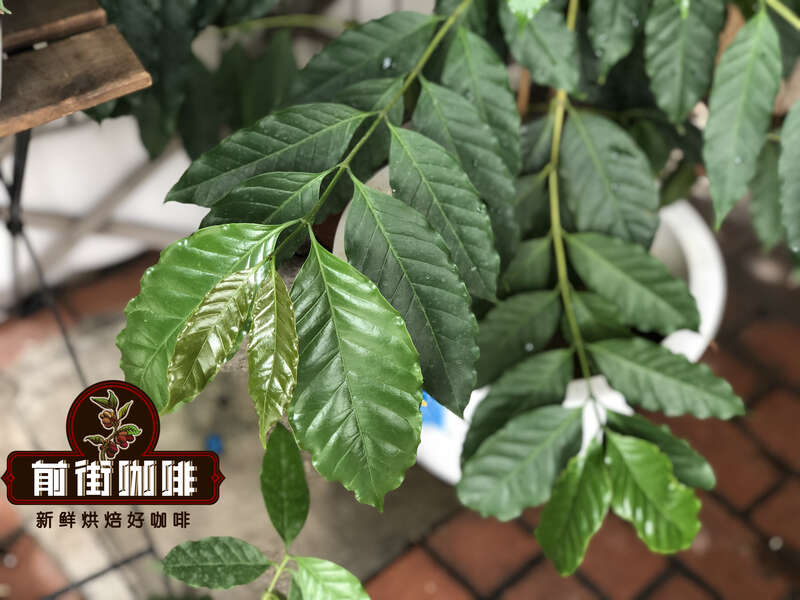
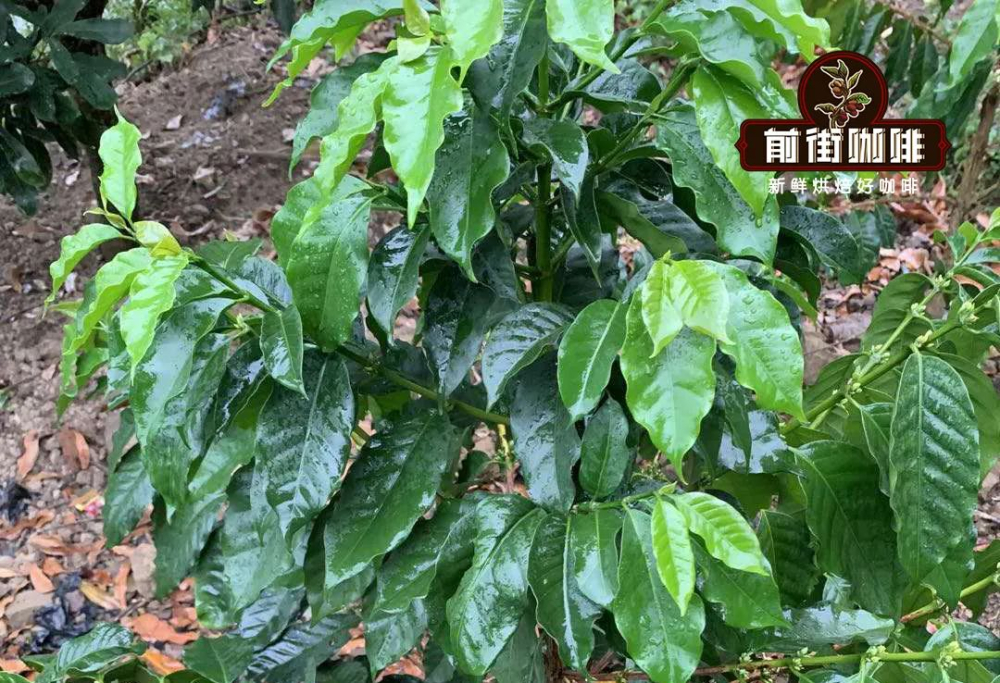
Typica is a significant sub-variety under the Arabica coffee category, first successfully cultivated on the island of Martinique. It can still be found today in Central America, Jamaica, Hawaii Kona, Papua New Guinea, and East Timor. This variety features a distinctly conical plant shape, with an upright main stem that can reach up to five meters in height, wide branch spacing, and slender leaves and green beans. Young shoots are often bronze in color. While Typica offers clean and bright flavors, it also has notable drawbacks, such as low yield, susceptibility to leaf rust, weak disease resistance, and specific altitude requirements for cultivation.
The journey of Typica began in Ethiopia, which is considered the true birthplace of Arabica. Although the term "Arabica" may evoke images of the Arabian Peninsula, genetic research conducted in Europe in 2002 confirmed that Ethiopia is the center of its genetic diversity. The name “Arabica” originated from the Arabian Peninsula’s role as a cultural hub connecting Eurasia and Africa, which led to the misconception that coffee originated in the Middle East.
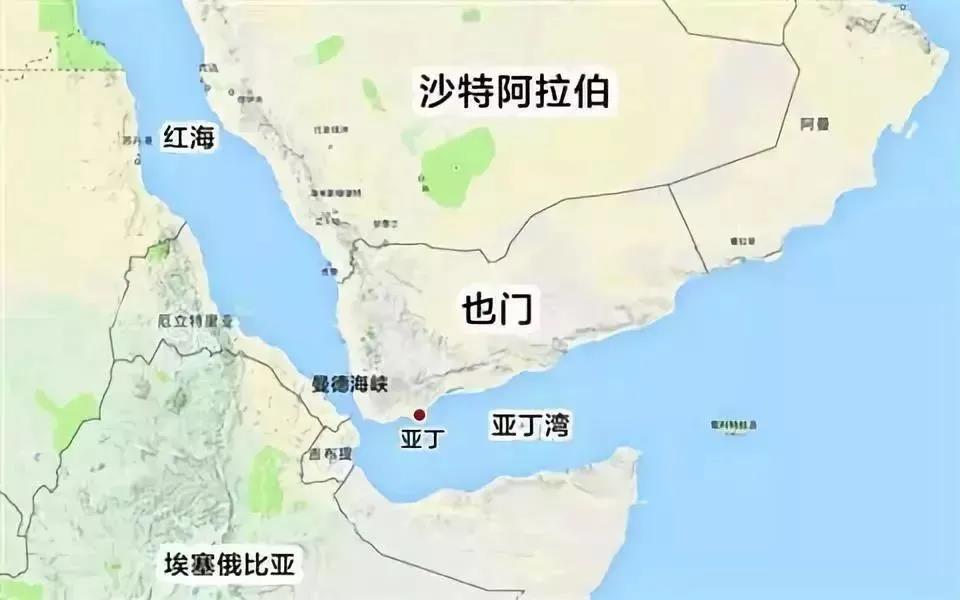
When coffee was first introduced to the Arabian Peninsula, it was primarily used for medicinal purposes. Around the year 1500, the ports of Mocha and Aden in Yemen began popularizing a drink made by soaking dried coffee pulp in water, known as "qishr." Later, this evolved into the practice of roasting and grinding coffee beans together with spices to make "qahwa." This history also made Yemen the first stop in Typica’s global expansion.
Around the year 1600, Baba Budan, a Muslim pilgrim from India, smuggled seven Yemeni Typica seeds back from Mecca to the Chandragiri Hills in Karnataka, India. This successful cultivation marked the beginning of Typica’s spread into Asia and is the earliest recorded instance of successfully smuggling raw coffee beans abroad for planting.
In the early 17th century, the Dutch obtained coffee seedlings from Yemen, but due to the unsuitable European climate, they struggled to survive. It wasn’t until 1616 that Captain Jan Pieterszoon Coen of the Dutch East India Company successfully transported a coffee tree back to Amsterdam and cultivated it to bloom in a hothouse. This tree became known as the “Mother Plant of Europe.” In 1699 and 1706, the Dutch successively transplanted Typica to Java and the Netherlands mainland, further advancing its global dissemination.
In Southeast Asia, the Dutch first attempted to transplant descendants of the Mother Plant to Sri Lanka in 1658, but without success. It wasn’t until 1699, when Typica from Java was introduced to Sumatra and Sulawesi in Indonesia, that it gradually flourished. However, by the late 19th century, Indonesian Typica was severely impacted by leaf rust and was eventually replaced by the more disease-resistant Robusta.
In 1720, French naval officer Gabriel de Clieu brought Typica seedlings from the Paris Botanical Garden to the Caribbean island of Martinique. Within three years, the scale of cultivation expanded dramatically, and these Typica plants became the origin of coffee in many Central and South American countries, such as Jamaica, Colombia, and Guatemala. In the early 19th century, Hawaii introduced an improved version of Typica, which was planted in the Kona region and developed into the world-renowned Kona coffee. In 1904, a French missionary planted Typica in the village of Zhugula in Yunnan, marking the beginning of coffee cultivation in China.
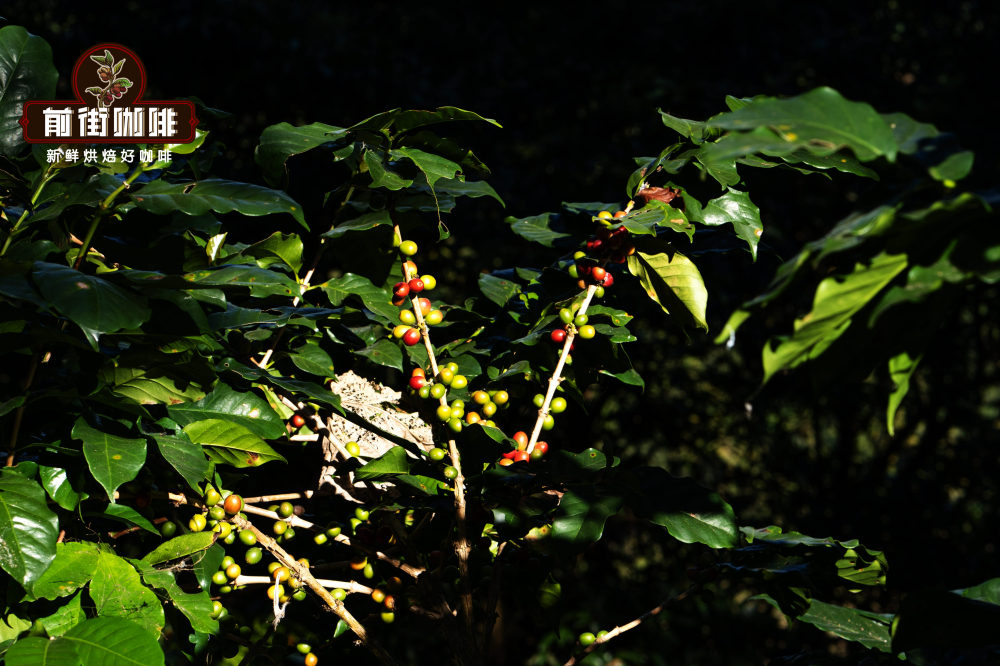
After exploring the history of Typica’s spread, let’s delve deeper into its cultivation process. Taking Yunnan as an example, teams in recent years have been dedicated to improving local coffee quality by replanting with Typica. The entire process — from seed selection, germination, seedling cultivation to mature tree growth — is extremely meticulous.
Seed selection is the first step. It is essential to choose Typica coffee beans that are of pure variety, plump, and fully ripe. The recommended moisture content is controlled at 13% to facilitate preservation and germination. During the germination stage, seeds should be soaked in 45°C warm water for 24 hours, then sown in medium-coarse sand, maintaining appropriate humidity. Sprouting typically begins around 20 days later, with seedlings breaking through the soil after 40 to 60 days. At this point, a shading canopy with 80% light blocking is required for protection.
Once the seedlings grow their first pair of true leaves, they can be transplanted into nursery bags for continued seedling growth. Subsequently, they should be transplanted to locations at elevations above 1200 meters. Coffee trees focus mainly on vegetative growth during the first two years and only begin flowering and fruiting in the third year.
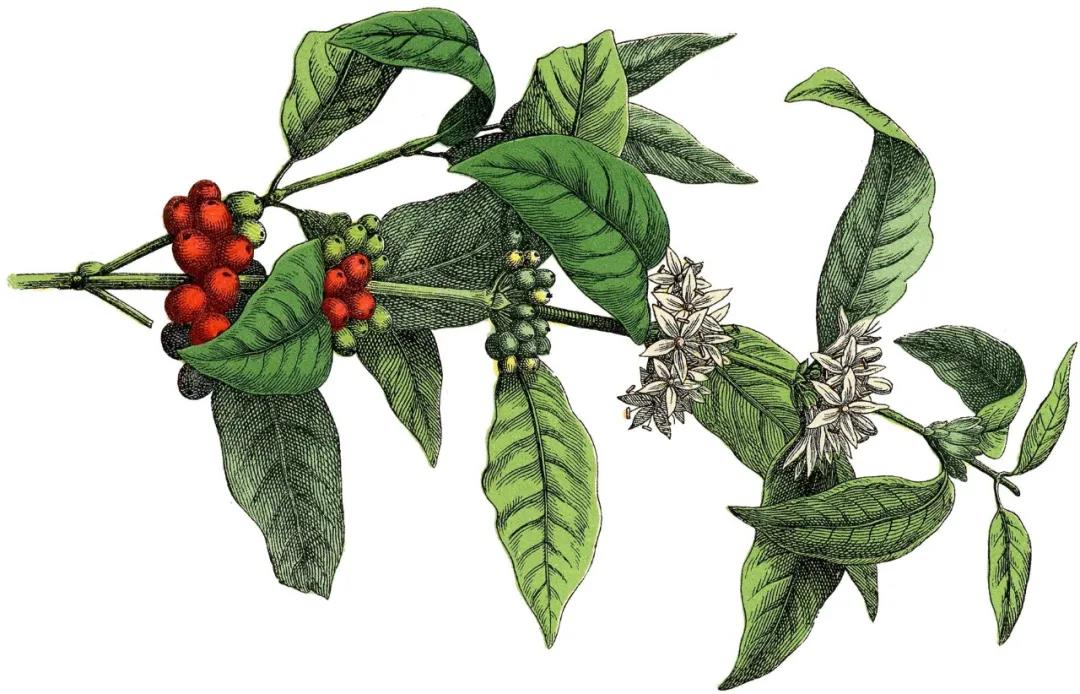
Coffee trees usually flower after the dry season, during rainy weather. Flowering typically begins when the trees are around three years old. The small white flowers emit a strong jasmine aroma. A few months after flowering, the fruits start off green, then turn yellow, and finally ripen to a bright red — the optimal time for harvesting. It is recommended to hand-pick only the red fruits to ensure flavor consistency.
One of the most renowned Typica-producing regions in the world is Jamaican Blue Mountain. The Typica variety of Blue Mountain coffee was introduced from Martinique in the 1720s. After more than two hundred years of adaptation, it has developed excellent disease resistance, particularly against berry disease, surpassing that of typical Typica. However, the unique flavor of Blue Mountain Typica is difficult to replicate outside of Jamaica.
The Blue Mountains are located in eastern Jamaica, at elevations between 1000 and 1700 meters. The area features fertile volcanic soil, high humidity, and a misty environment, with a cool climate and abundant rainfall — providing ideal conditions for coffee growth. Currently, the Clifton Estate is one of the few farms in the Blue Mountains with Rainforest Alliance certification. Its green beans are primarily processed using both washed and natural (sun-dried) methods.
The washed processing method involves first removing the pulp and flesh, fermenting for 12 to 18 hours, then washing and removing residual mucilage, followed by drying to reduce moisture content to 12–14%. The natural (sun-dried) method was introduced by the Clifton Estate in recent years and presents greater challenges, but it also brings out different layers of flavor.
In terms of roasting and cupping, separate profiles are established for washed and natural Blue Mountain coffees. Washed Blue Mountain is roasted at medium-low temperatures to emphasize clear floral-fruity notes and sweetness. Natural Blue Mountain is developed at slightly higher temperatures to bring out berry and fermented aromas. In cupping, washed Blue Mountain displays a balanced flavor profile of nuts, chocolate, and honey, while the natural version showcases layered notes of berries, dark plums, and black cocoa.
For brewing recommendations, use a Kono filter cone, with a coffee-to-water ratio of 1:15, water temperature controlled at 88–89°C, and medium-coarse grind (75% passing through a #20 mesh sieve). The suggested brewing technique consists of three pouring phases: begin with a 30-second bloom, then gradually pour a total of 225 grams of water, completing the drip within 2 minutes and 10 seconds to fully highlight the delicate flavors of Blue Mountain Typica.
In summary, Typica is not only a significant chapter in coffee history. Its plant characteristics, global migration route, and outstanding performance in specific regions such as Jamaican Blue Mountain make it an essential classic variety for coffee enthusiasts and industry professionals alike. Whether tasting, cultivating, or brewing, a deeper understanding of Typica allows you to better appreciate the story behind a great cup of coffee.
The above content is compiled by CoffeeHunters, a coffee news website.


