








Introduction:An in-depth analysis of the origins and auction mechanisms of the Panama BOP competition, along with a comprehensive introduction to the three-tier grading system of Hacienda La Esmeralda’s Geisha—Red Label, Green Label, and Blue Label—including their classification logic, regional characteristics, and flavor profiles. This article also provides practical pour over recommendations and extraction parameters to help coffee enthusiasts better grasp the unique charm of the Geisha variety.
The Panama BOP (Best of Panama) is the world’s first competition dedicated to specialty green coffee beans. Since its inception in 1996, it has not only elevated the international profile of Panamanian coffee but also become a key benchmark in the specialty coffee market. Among them, the Geisha variety from Hacienda La Esmeralda shot to fame in 2004, solidifying its top-tier status. To more accurately represent differences in terroir and altitude, Hacienda La Esmeralda subdivided its Geisha into three grades—Red Label, Green Label, and Blue Label—each with its own distinct flavor characteristics and processing methods.
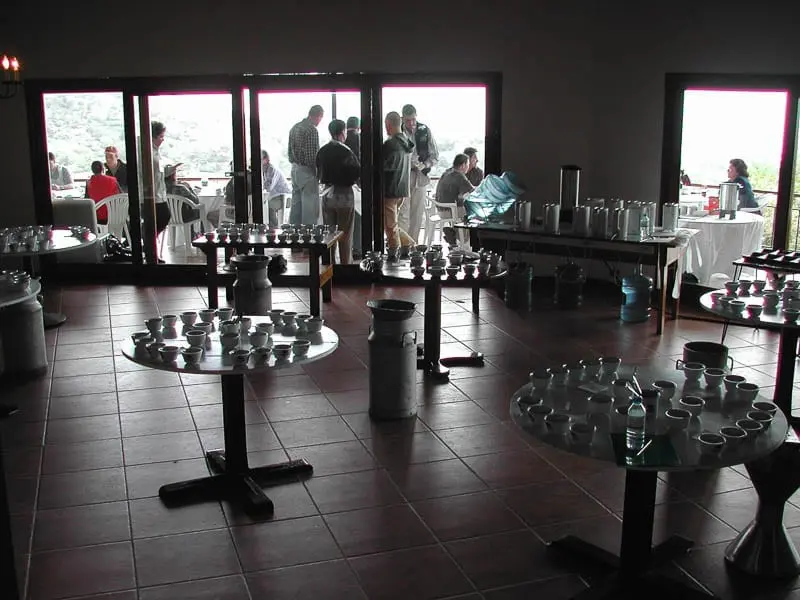
The full name of BOP is "Best of Panama," organized by the Specialty Coffee Association of Panama (SCAP), a non-profit organization dedicated to discovering Panama’s most promising high-quality coffees through blind tastings and expert judging. The competition serves not only as a platform for quality certification but also facilitates direct access to top-tier green beans for global buyers through its auction mechanism. In the first BOP auction held in 2004, only 11 lots participated, with an average price of about $2.89 per pound. By 2012, the price had soared to $24.83, reflecting the growing market demand for specialty coffee.

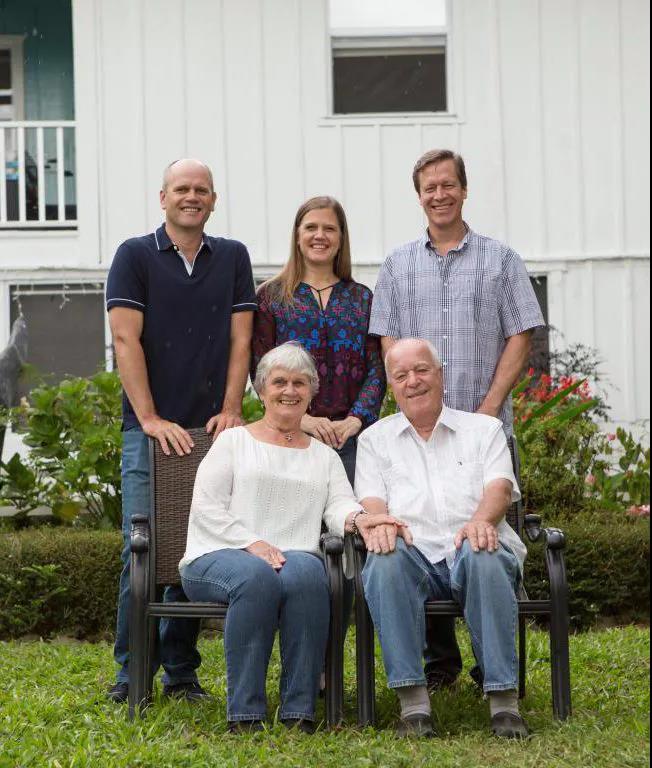
The history of Hacienda La Esmeralda dates back to 1964, when American banker Rudolph A. Peterson retired and moved to Panama, purchasing the estate located in the Boquete region. Initially, the farm was primarily focused on dairy farming. It wasn’t until 1987 that his son, Price Peterson, abandoned his medical career to return and assist with farm management, introducing Catuai and Caturra varieties. In 1994, a wet mill was established, gradually building a complete coffee production and sales system. In 1996, the Peterson family acquired the neighboring Jaramillo Estate, an area originally used only as windbreak due to its unique flavor profile. Unexpectedly, the coffee grown there exhibited intense floral and fruity aromas, becoming the core origin of the future Geisha variety.
Based on altitude and microclimate, Hacienda La Esmeralda divides its Geisha-growing regions into three main plots: Jaramillo, Canas Verdes, and El Velo. Among them, Jaramillo sits at an altitude of approximately 1600–1700 meters, with annual rainfall reaching 4000 mm and significant day-night temperature variations, making it the region where Geisha quality is most outstanding. Canas Verdes ranges from 1600–1800 meters in elevation, with slightly lower rainfall of about 3500 mm, yet still offers ideal growing conditions. El Velo is a more recently acquired plot, with even higher altitudes ranging from 1700–1900 meters, featuring a more diverse range of planted varieties including Geisha, Catuai, and rare ones such as SL28 and Pacamara.
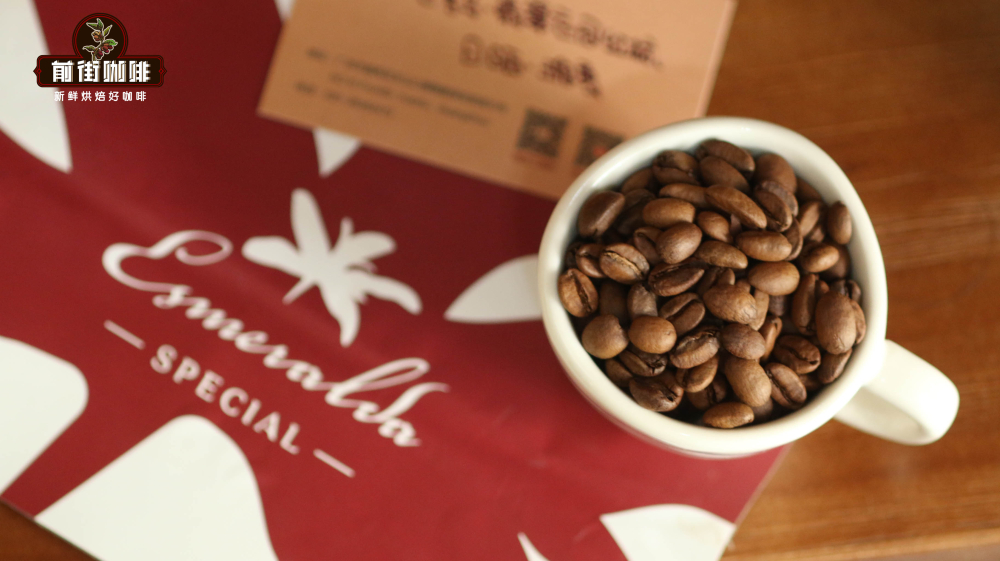
The Red Label Geisha (Esmeralda Special) is the flagship series of Hacienda La Esmeralda, sourced exclusively from micro-lots at elevations of 1600–1800 meters in Jaramillo and Canas Verdes, with cupping scores required to be 90 or above. This grade of Geisha can be processed via washed or natural methods and is available only through global auctions. Many consumers often wonder about the difference between auction-grade and non-auction-grade Red Label. In reality, both come from the same high-quality plots—the only difference being whether they participated in the auction process. Therefore, if your budget is limited, non-auction Red Label can still deliver a high-level Geisha experience. Red Label is characterized by bright citrus and rose floral notes, often accompanied by complex fruit flavors such as berries, apricots, and honey, with a rich body and layered complexity.
The Green Label Geisha (Private Collection) consists of micro-lot blends that did not participate in individual auctions, primarily sourced from high-altitude regions such as Jaramillo and Canas Verdes. Although specific small plots cannot be traced, it still retains the classic floral and fruity profile of Geisha. Common flavors in Green Label include jasmine, citrus, berries, and citrus peel, paired with a juicy body and creamy finish. It suits coffee enthusiasts who enjoy diverse flavor expressions. As a blend, slight variations in flavor may occur between batches, adding an element of surprise to each cup.
The Blue Label Geisha (Geisha 1500) is the most accessible option among the three grades, using blended beans from altitudes of 1400–1500 meters, including beans from Jaramillo, Canas Verdes, and El Velo, and is processed only via the washed method. This grade offers a fresher profile, starting with gentle acidity of lemon and grapefruit, followed by honey sweetness in the mid-palate, and ending with a clean finish reminiscent of oolong tea and brown sugar sweetness. Note that between 2019 and 2022, the Blue Label (Geisha 1500) batches were temporarily discontinued by the estate.
For pour over recommendations for Red Label and Green Label Geisha, you can use a Hario V60 dripper, with water temperature controlled at 91°C. The recommended dose is 15 grams, with a brew ratio of 1:15, and grind size around EK43s setting 10 (equivalent to 80% passing rate on a Chinese standard No. 20 sieve). Lightly roasted Geisha beans release flavors more slowly, so a slightly higher water temperature and finer grind are suitable to fully extract floral, fruity, and sweet-sour layers. In practice, start with 30 grams of water for a 30-second bloom, then pour in a circular motion to reach 125 grams for the first pour. After the water level drops, continue pouring to 225 grams, with a total extraction time of about 2 minutes. If you don’t have a sieve for checking, observe the pouring speed—if it’s too fast, the grind may be too coarse, and if too slow, too fine. Adjust accordingly to achieve optimal extraction.
In terms of flavor, Red Label Geisha features bright rose and citrus aromas, complemented by complex fruit notes such as rice, berries, and apricots. Upon tasting, it delivers a rich juiciness and honey sweetness, with a long and nuanced finish. Green Label presents soft jasmine floral notes, paired with citrus, cantaloupe, and sweet orange peel, offering a juicy mouthfeel and refreshing aftertaste, ideal for those who prefer a fresh profile. Blue Label has a simpler profile, opening with light acidity of lemon and grapefruit, developing honey sweetness in the mid-palate, and finishing with the clarity of oolong tea and brown sugar sweetness. Overall, it’s a bright and refreshing cup, suitable for everyday drinking.
The above content is compiled by CoffeeHunters, a coffee news website.


