







Introduction:As Ethiopia’s most iconic specialty coffee region, Yirgacheffe’s washed and natural processing methods create distinctly different flavor profiles. This article delves into the craftsmanship, visual differences, and flavor characteristics of the two methods, and explores how improved natural processing has regained market favor. Whether you’re new to specialty coffee or looking to deepen your understanding of how processing affects flavor, this practical guide offers clear references and specific advice.
Among Ethiopia’s many specialty coffee regions, Yirgacheffe has long been renowned for its unique citrus notes and delicate floral aromas, making it a “flavor sanctuary” in the hearts of many coffee enthusiasts. The region’s coffee beans are mainly divided into two processing types: natural and washed. Not only do they differ significantly in appearance, but their flavor profiles are also worlds apart. Understanding the characteristics of these two methods can help you choose the beans that best suit your taste preferences.
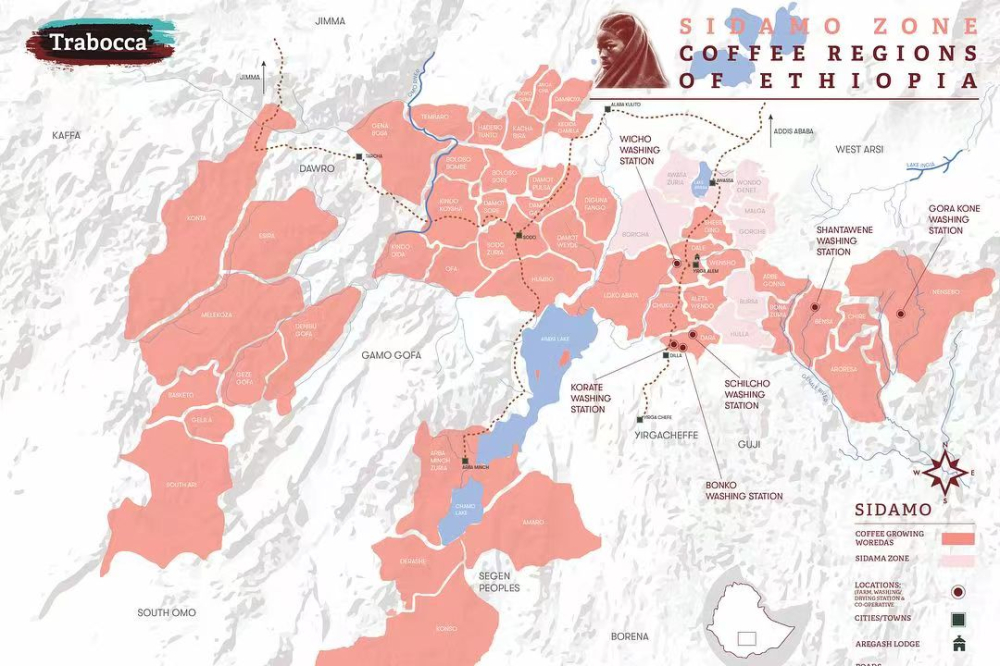
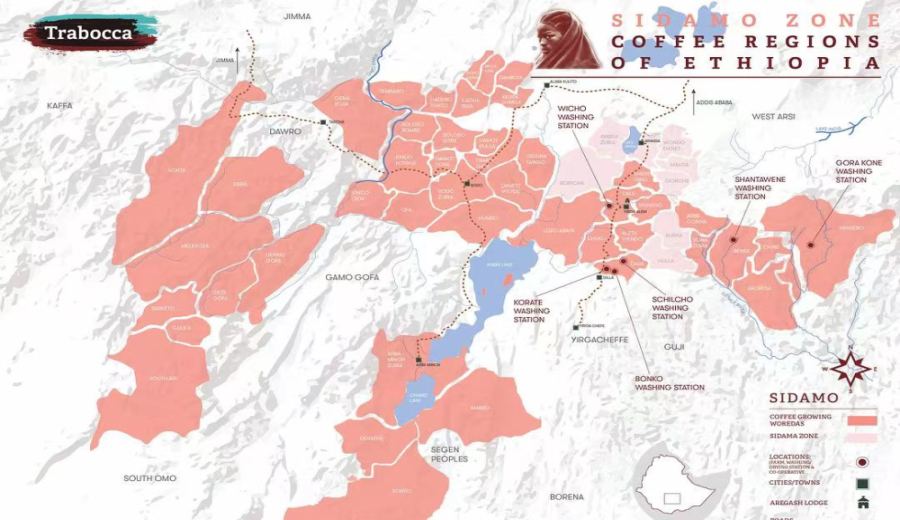
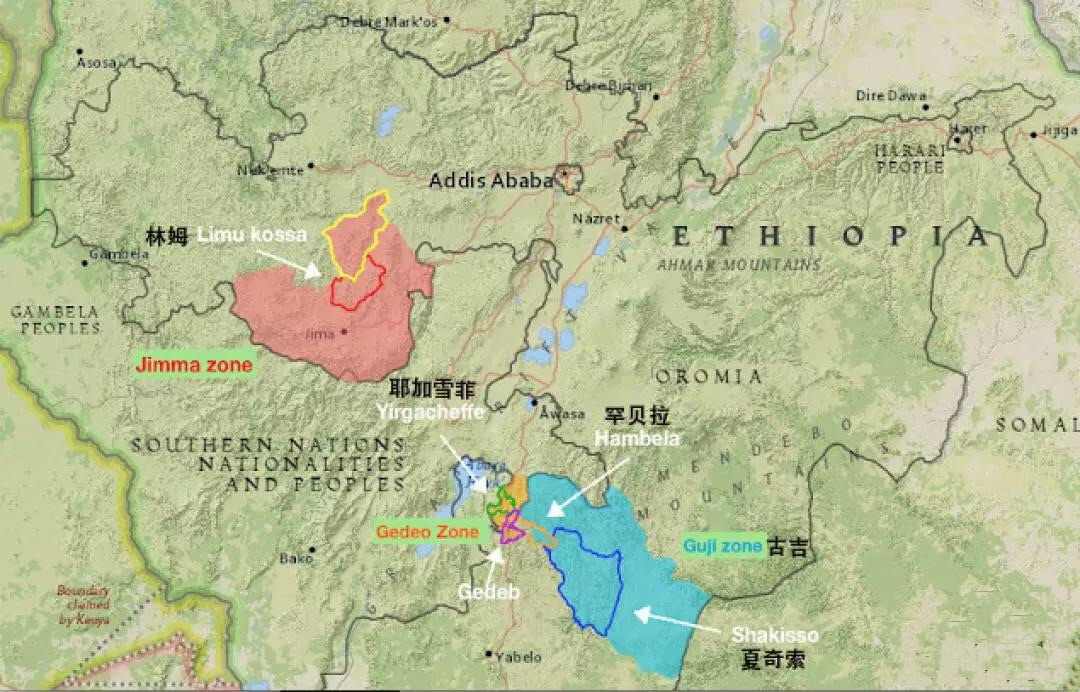
Originally part of the Sidamo region, Yirgacheffe was later designated as a standalone region due to its exceptionally distinctive coffee flavors. With an average altitude of about 2,000 meters, it is a high-altitude growing environment highly suitable for producing high-quality Arabica coffee. The region is home to over forty coffee cooperatives, mostly operated as small-scale family farms, including well-known micro-regions like Kochere, Guji, and Gedeb, each producing coffee with unique personalities.
In terms of processing, Yirgacheffe coffee beans are mainly divided into washed and natural types. Washed Yirgacheffe is known for its clean, bright acidity and fruity-floral aromas, with a clear flavor profile, making it a popular choice for many beginners. Natural processing, on the other hand, retains the fermentation process of the coffee fruit pulp, imparting richer fruit sweetness and a fuller body, with more layered complexity. The two differ significantly in green bean appearance, mucilage residue, post-roast performance, and brewing flavors.
Traditionally, Ethiopia primarily used the natural method for coffee processing. However, since the introduction of washed technology in 1972, washed beans have gradually become the mainstream due to their lower defect rates and more consistent flavors. Especially for consumers seeking clean, bright flavors, washed Yirgacheffe G1 grade beans are a highly representative choice—for example, the common Guji Dingding, which features elegant jasmine floral notes, subtle lemon acidity, and tones of pear and green tea. It has a refreshing mouthfeel and a long aftertaste, making it ideal for those who prefer bright, fresh flavors.
Although washed processing dominates, there is still a group of coffee farmers and processors committed to preserving the natural tradition and improving the quality and consistency of natural beans. One coffee trader played a pivotal role—he couldn’t bear to see natural processing techniques decline, so he improved the traditional natural process by implementing stricter fermentation control and pulp handling. This effectively reduced defect rates while enhancing flavor richness and consistency. His improved natural beans from Guji quickly gained market acclaim, also bringing renewed attention to natural Yirgacheffe. If you enjoy sweet, bold flavors with fermented wine-like notes and tropical fruit characteristics, a certain classic natural bean is a great example to try, offering a full-bodied and layered flavor.
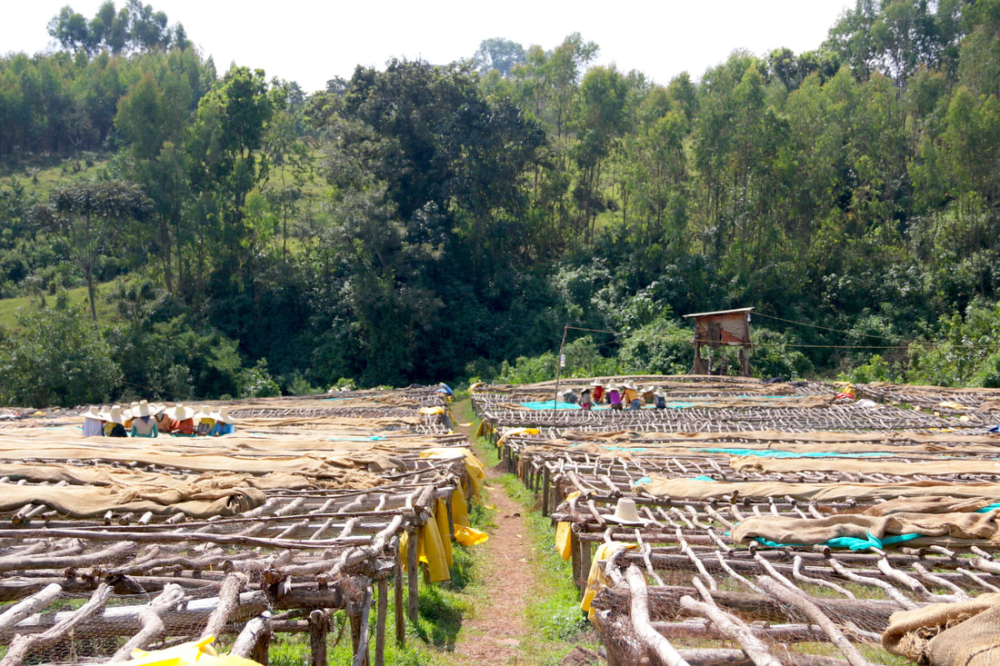
The biggest difference between natural and washed processing lies in the retention or removal of the fruit pulp. Washed processing first removes the outer skin and pulp of the coffee cherry, retaining only the parchment and mucilage for fermentation and washing, resulting in a cleaner, more pronounced acidity. In contrast, natural processing retains the whole coffee cherry (or part of the pulp) for prolonged sun drying, allowing the sugars and flavor compounds in the pulp to penetrate the seeds, creating rich sweetness and fruity notes.
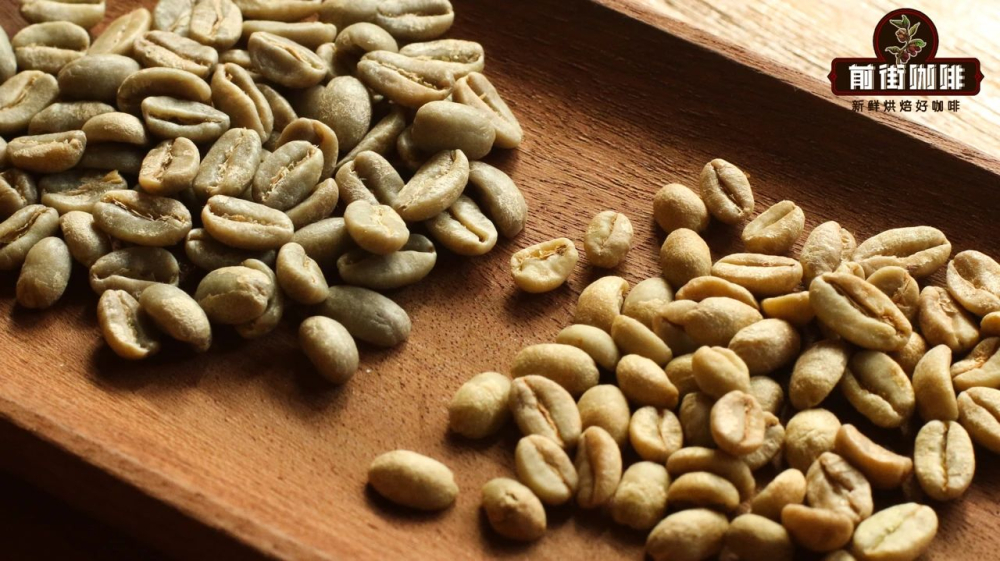
Visually, washed beans are typically bright green, with a clean surface and more residual mucilage, while natural beans tend to be yellowish-green, appearing drier, with almost no mucilage left and a smoother bean surface. After roasting, these differences also reflect in the flavors: washed Yirgacheffe usually showcases clear lemon acidity, green tea, and white floral notes, with a refreshing mouthfeel, making it ideal for pour over; the natural version often features citrus, honey, berries, and even wine-like aromas, with a fuller body and pronounced sweetness, preferred by those who enjoy bold flavors.
Overall, a certain washed bean and a certain natural bean are classic representatives of their respective processing methods. The former excels with bright lemon acidity and jasmine aromas, offering a refreshing taste suitable for those who prefer vibrant acidity; the latter showcases rich fermented aromas and full fruit sweetness, with a long-lasting aftertaste, a must-try for those who love sweet, bold flavors. Both offer distinct fruit acidity and juice-like sensations, but provide vastly different experiences in terms of flavor layers and mouthfeel structure.
The above content is compiled by CoffeeHunters, a coffee news website.


