







Introduction:An in-depth analysis of Colombia’s Excelso export grading standards—from bean size, defect scoring to moisture content requirements—helps you fully grasp the key factors in evaluating imported green coffee beans. At the same time, it takes you through the journey of the Geisha variety from its Ethiopian origins to its development across Central and South America, and focuses on the Hanami Geisha blend from Finca Montblanco in the Huila region of Colombia. This blend highlights the pour over flavor profile and optimal extraction parameters, helping you more precisely appreciate the delicate layers of high-altitude specialty coffee.
As one of the world’s major Arabica coffee exporting countries, Colombia uses Excelso as its primary export benchmark, with strict regulations on bean size, defect ratio, and moisture content. This article starts by discussing the uniquely mild aroma characteristics of Colombian coffee, then details the FNC (Colombian Coffee Growers Federation) defect scoring system and the specific requirements of the Supremo grade. It also traces the spread of the Geisha variety from Ethiopian forests to Panama’s Hacienda Esmeralda, while exploring the Hanami Geisha blend launched by Finca Montblanco in Colombia’s Huila region. A certain coffee brand, using light roasting, showcases its charming layers of pink peppercorn, chamomile, yuzu, honey, and almond, and the article also provides comprehensive pour over recommendations and parameter settings.
Globally, coffee can be broadly divided into two main types: one represented by Brazil, known as ‘hard’ coffee, with a strong and bold taste; the other led by Colombia, classified as ‘soft’ coffee, with a relatively mild flavor yet rich in fresh aromas. This difference mainly stems from variations in cultivation altitude and farming practices—Brazil mostly grows on hilly red soils with more extensive methods, while Colombia prefers high-altitude mountain black soils and employs more meticulous cultivation and harvesting management.
There are various ways to grade green coffee beans, with common criteria including defect ratio, bean size, and altitude. So, how does Colombia grade its beans?
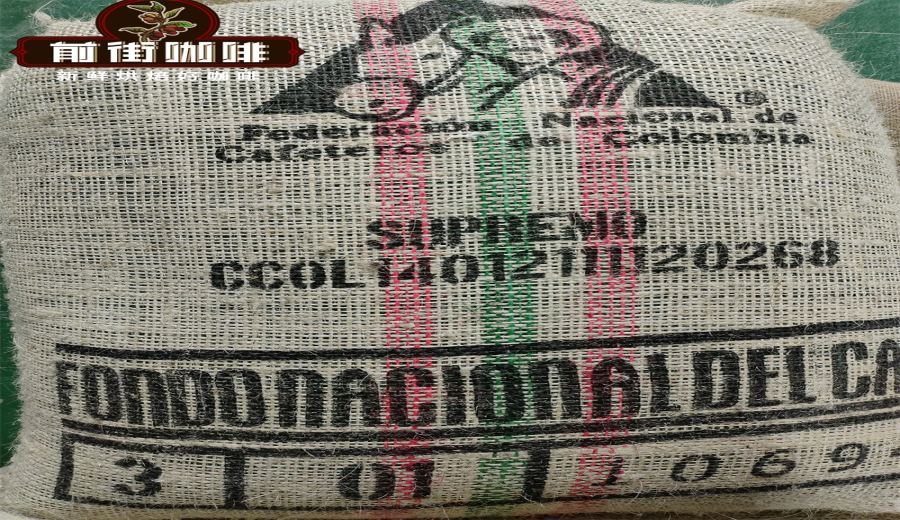
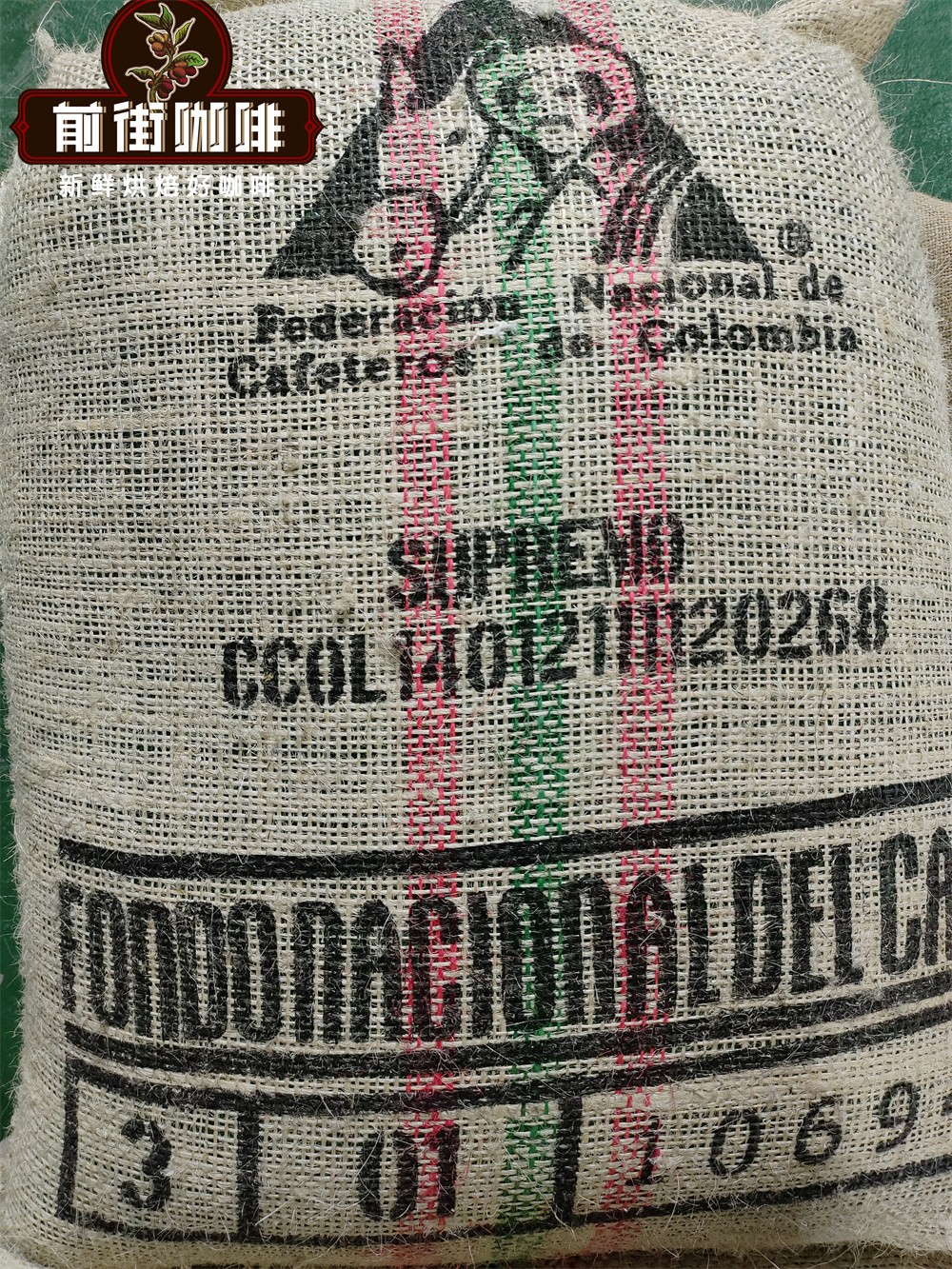
In Colombia, all exported coffee bean packages clearly indicate the grade, with Excelso being the most common and widely used export standard, established by the Colombian Coffee Growers Federation (FNC), representing a high-quality grade among the country’s exported green beans. Grades such as UGQ, EP, and Supremo are all part of the Excelso system.
To obtain Excelso certification, at least 50% of the beans in a 500g sample must be larger than 15 mesh, and beans larger than 14 mesh must make up the majority. Specifically, in a 500g sample, beans larger than 14 mesh must account for at least 50%, with an allowance of 5% of beans between 12 and 14 mesh. In addition, the beans must be free from insect damage, have uniform color, no off-odors, a clean flavor without impurities, a moisture content not exceeding 12.5%, and cumulative defect deductions not exceeding 24 points.
Defect Bean Classification and Scoring Standards
The Colombian National Coffee Committee has detailed classifications and scoring rules for green bean defects, typically based on the number of defect beans in each 500g sample. Taking the common Supremo 12*60 (5%) as an example, in a 500g sample of green beans, first-grade defect beans must not exceed 12, and second-grade defect beans must not exceed 60. This system effectively distinguishes the overall quality of green beans, helping buyers assess the potential flavor performance of the coffee.
When it comes to the Geisha variety, many people first think of Panama’s Hacienda Esmeralda, but in fact, Geisha performs well in multiple producing regions around the world. In addition to Panama, Geisha coffee from Colombia, Costa Rica, and Ethiopia also each has unique terroir characteristics.
The Geisha variety was first discovered in 1931 in the Gesha Forest of Ethiopia and later sent to the Kenya Coffee Research Institute. It was introduced to Uganda and Tanzania in 1936, to Costa Rica in 1953, and then to Panama in the 1960s. Initially, it was not highly valued in Panama until around 2000, when the owner of Hacienda Esmeralda noticed its distinctly different flavor profile—bright citrus acidity and delicate floral notes. In 2004, the variety participated in the Best of Panama (BOP) competition and won the championship, since when it gained fame and gradually spread to other plantings across Central and South America, including Colombia.
Geisha has stringent growing environment requirements, with ideal conditions including high altitude, cloud-shaded environments, fertile soil, and sufficient heat accumulation. It is generally grown at altitudes of around 1625 meters, with average annual temperatures ranging between 16°C and 25°C, and annual rainfall needs to reach about 3500 mm to nurture its unique flavor traits.
Colombia is not only the world’s third-largest coffee exporter but also the country with the highest volume of Arabica coffee exports. The country is known as one of the “four treasures” alongside coffee, flowers, gold, and emeralds, located in the northwest of South America, bordering Panama. Among these, the Huila region is situated at the intersection of the central and eastern Andes and is an important coffee-producing area in southern Colombia, centered around the city of Pitalito, with planting altitudes mostly between 1750 and 1950 meters, primarily managed by smallholder farmers. In recent years, local farmers have achieved refined management and cooperation, making Huila’s coffee known for its nutty, caramel aromas and soft berry-like acidity and sweetness.
Finca Montblanco is located on the hills of the Vereda La Torre Corrales area in Pitalito, Huila Province, and is operated by Rodrigo Sanchez Valencia, whose coffee-growing history dates back to his grandfather’s generation. The farm covers approximately 18 hectares, situated atop a mountain peak with abundant water sources, and is equipped with complete washed and drying facilities, so it mostly uses washed processing or its derivative methods. The Hanami Geisha blend launched by a certain coffee brand is made from the washed beans of this farm.
This Hanami Geisha blend is a mix of three varieties: Geisha, Caturra, and Catuaí. Some may wonder whether this still counts as a single-origin coffee. In fact, single-origin coffee refers to beans from the same producing region or farm, and is not limited to a single variety, so this blend still fits the definition of single-origin coffee.
The farm initially planted mainly Caturra and Catuaí, and it wasn’t until 2016 that the Geisha variety was introduced from Panama. The first harvest occurred in 2020, and mass production began in 2021, so this Hanami Geisha can be considered the first official Geisha coffee released by Finca Montblanco.
A certain coffee brand chose a light roast for this Hanami Geisha blend to fully showcase its inherent floral and fruity aromas and delicate acidity, avoiding aroma loss due to over-roasting. Of course, the actual roast level still needs fine-tuning based on the bean condition and the roaster’s experience.
Below are the pour over parameters recommended by a certain coffee brand, which help bring out the diverse flavor layers of the Hanami Geisha blend:
Recommended Pour Over Parameters:
Coffee-to-water ratio: 1:15
Water temperature: 90–91°C
Coffee dose: 15 grams
Grind size: Medium-fine (80% passing through a Chinese standard No. 20 sieve)

Pour Over Steps (Three-Stage Extraction):
1. First, pour 30 grams of water for a 30-second bloom to release CO₂ from the coffee grounds and ensure stable subsequent extraction.
2. Then, pour water in small circles until reaching 125 grams for the first pour.
3. Continue pouring until reaching 225 grams, then stop and let the water in the filter drip out before removing the filter. The total extraction time is controlled to around 2 minutes.
Flavor Profile: Pink peppercorn, chamomile, yuzu, honey, almond—distinct layers with a refreshing and long-lasting taste.
The freshness of coffee beans greatly impacts flavor, so it is recommended to choose green or roasted beans within 5 days of roasting. Generally, coffee beans enter their best flavor period, known as the degassing period, around 4 to 7 days after roasting. If purchasing coffee powder, it is advised to use it as soon as possible, as oxidation accelerates after grinding, causing flavors to dissipate easily. For the best experience, grind and brew immediately.
The above content is compiled by CoffeeHunters, a coffee news website.


