







Introduction:The French press is often the first choice for many beginners entering the world of coffee — it’s simple to use and easy to get the hang of. But what exactly is the brewing principle behind the French press? How does it differ from pour over in terms of flavor and mouthfeel? Will prolonged steeping bring out unwanted off-flavors? This article takes an in-depth look at the design origins and key parameters of the French press, and provides a practical brewing example to help you master the essentials of French press brewing.
For those new to coffee who haven’t yet mastered pour over techniques, the French press is often the go-to brewing device. Not only is it beginner-friendly, but it also offers intuitive operation and high consistency. So, what makes the French press so beloved by many coffee enthusiasts? This article will start with the historical background of the French press, explore its brewing mechanism, compare its taste and flavor profile with pour over coffee, and explain why a coarse grind, moderate water temperature, and around 4 minutes of steeping time are recommended. Additionally, we’ll demonstrate the full brewing process and actual flavor performance using a representative coffee bean, helping you decide whether this brewing method is worth investing in.
A common question is: “What brewing device should a beginner who doesn’t know how to pour over use?” The answer is often the French press. This simple device, originating in the mid-19th century, was originally designed for brewing tea. However, due to its straightforward structure, stability, and ability to fully extract the rich body of coffee, it has gradually become a daily favorite for many.
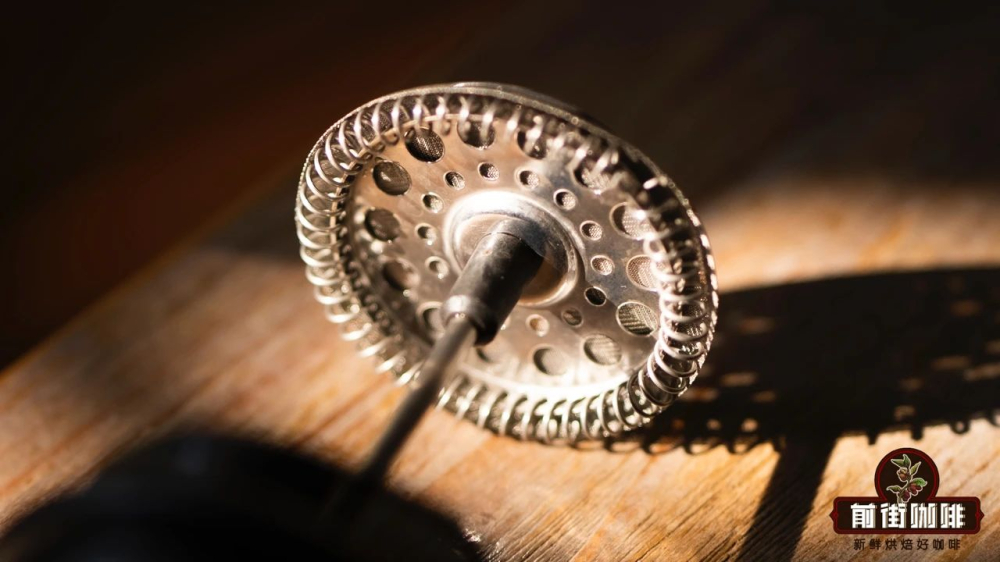
The French press mainly consists of a heat-resistant glass carafe and a plunger with a metal filter. Its brewing principle involves steeping coffee grounds and hot water together in the carafe, allowing the coffee flavors to gradually infuse over time. During this process,water temperature, grind size, and steeping time are the three key factors that influence extraction. It is generally recommended to use water at 88°C to 91°C, paired with a medium-coarse grind (approximately 68% passing through a 20-mesh sieve), and to control the steeping time between 4 to 6 minutes. Steeping for too long may lead to over-extraction, releasing undesirable flavors or impurities, so it’s advised not to exceed 6 minutes.
Some readers might worry: “Will prolonged steeping bring out all the bad flavors in the coffee?” In fact, as long as you control the water temperature and time, there’s no need for excessive concern. Because the French press uses a metal filter with larger holes than paper filters, it retains more coffee oils, resulting in a smoother, richer mouthfeel. However, it can also allow some fine coffee particles to remain, occasionally giving a slight sensation of coffee sediment. But this is also part of what makes the flavor of the French press unique.
Compared to drip-style pour over coffee, coffee made with a French press has a richer, fuller body. The metal filter retains some of the coffee oils, which contribute to a rounder mouthfeel and a more complex aromatic layer. Pour over coffee, on the other hand, filters out most of the oils with high-density paper filters, resulting in a cleaner, crisper taste, but with less body.
In addition, the immersion-style extraction of the French press is closer to professional cupping methods. The overall flavor presentation is more direct, showcasing the inherent characteristics of the coffee beans while minimizing the impact of human handling on the flavor. During the French press brewing process, the main variables influencing flavor are grind size, water temperature, and steeping time. Unlike pour over, there’s no need to consider factors such as pouring technique, water flow rate, or filter cup design.
So, how do you brew a great cup of coffee with a French press? Below is a set of practical parameters and a brewing process, using the Costa Rica Musicians Series Mozart coffee beans as an example. These beans exhibit distinct dried fruit fermentation notes, white floral aromas, and a balanced sweet-tart berry profile, making them ideal for experiencing the charm of French press extraction.
Recommended parameters: 15 grams of coffee grounds, a 1:15 coffee-to-water ratio, using a medium-coarse grind (approximately 68% passing through a 20-mesh sieve), water temperature controlled at 90°C, and a steeping time of 4 minutes.
The steps are as follows: First, preheat the French press with warm water to help maintain temperature stability during brewing. Then, add the ground coffee into the carafe, followed by about 225 milliliters of hot water. It’s recommended to pour the water with a relatively fast flow rate, completing the pour in about 3 seconds to ensure the coffee grounds are well agitated, which helps improve extraction evenness. After pouring, gently lift the filter, put the lid on, and let it steep for 4 minutes. Once the time is up, slowly and steadily press the plunger down. It’s recommended to stop pressing when the filter reaches about 1/4 of the way down the carafe to avoid remixing fine particles from the bottom into the upper layer of coffee liquid. Finally, pour the brewed coffee into your cup and enjoy.
This brewing process is simple and clear, suitable not only for beginners to practice but also for consistently highlighting the original flavors of the coffee.
When actually tasting the Mozart coffee, you can detect intense raisin fermentation aromas. On the palate, there’s a distinct berry juice flavor along with orange blossom notes. The sweet-tart balance carries a hint of pineapple-like freshness. The overall profile is rounded and layered, fully demonstrating the French press’s strength in preserving the intrinsic characteristics of the coffee.
The above content is compiled by CoffeeHunters, a coffee news website.


