







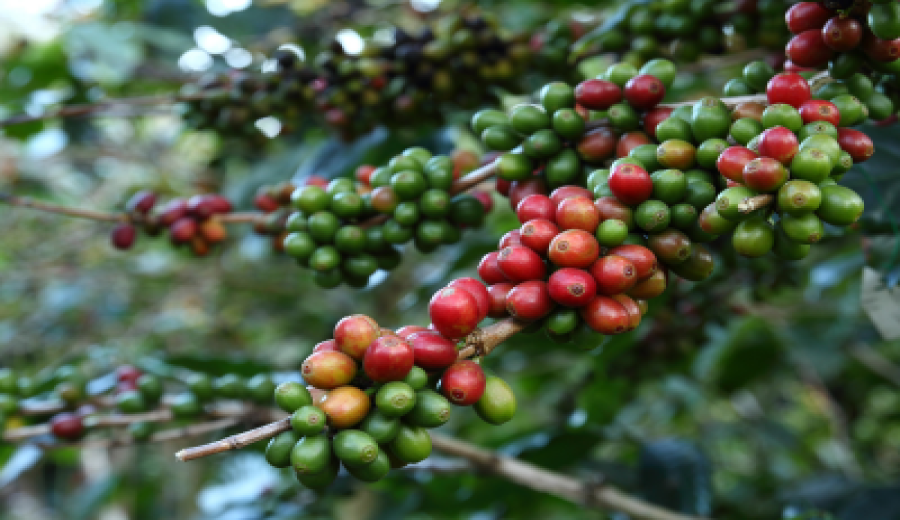
Introduction:What geographical conditions and processing methods lie behind the distinctive almond-like sweetness of the natural-processed coffee beans from the Wolkite region of Yirgacheffe? This article delves into the growing environment, variety characteristics, and processing techniques of this coffee, while also exploring its flavor profile and diverse brewing methods. It aims to help you better understand the secrets behind this classic coffee and find the right way to enjoy and extract it.
The Yirgacheffe region is located in the high-altitude mountainous areas of Ethiopia and is one of the highest-altitude coffee-growing regions in the world, with elevations close to 2,000 meters. It benefits from exceptional climate and geographical conditions. The area is often shrouded in clouds, enjoys mild temperatures, and is humid yet not damp, with a gentle breeze creating an ideal microclimate for coffee tree growth. Historically a wetland, “Yirga” means “to settle down” and “Cheffe” means “wetland.” The region is also surrounded by Lake Turkana, Lake Abaya, and Lake Chamo, which provide ample moisture, allowing coffee trees to thrive in rift valley areas such as the Misty Valley.
Coffee cultivation in Yirgacheffe is mostly carried out by smallholder farmers, with coffee trees commonly found in home gardens or intercropped with other plants. As a result, yields per household are relatively low, representing a classic form of garden-style farming. This method not only preserves biodiversity but also allows coffee cherries to ripen in a relatively natural environment, developing a richer complexity of flavors. The coffee from this region is known for its bright acidity, delicate mouthfeel, and captivating floral and fruity notes, while its natural-processed beans exhibit particularly intense sweetness and fruitiness.
The unique almond-like sweetness of the natural-processed Yirgacheffe Wolkite coffee beans is no accident. This flavor primarily stems from its processing method — the natural process. During the natural drying process under the sun, the sugars and aromatic compounds in the coffee pulp gradually seep into the seeds, imparting a rich sweetness and a dried fruit-like aroma to the beans. Additionally, local microclimatic conditions such as stable sunlight, moderate ventilation, and the rate of drying also play a crucial role in flavor development. These factors together create its signature notes of almond, berries, and the softness of tea leaves.
In terms of flavor expression, this version of Yirgacheffe showcases extremely rich dry and wet aromas. In the dry aroma stage, one can detect intense fruity notes, including thick dried fruit aromas as well as sweet scents reminiscent of strawberries, mangoes, and apricot jam. Once hot water is poured in, the wet aroma immediately transforms into a syrupy apricot pulp-like fragrance, accompanied by a warm embrace of honey or chocolate. Upon tasting, its flavor does not hit you with a strong impact but wins with moderate body and lively, bright acidity, resembling a fruit-forward black tea, with a long and comforting aftertaste.
If you’re seeking a more complex and varied taste experience, you might want to try the washed Guodiding coffee beans from this brand. These beans come from the excellent Guodiding Cooperative and undergo rigorous post-processing, showcasing clearly layered flavors including yellow lemon, orange, honey, pears, and green tea. This washed coffee bean is suitable for extraction using various devices, whether it's pour over, French press, AeroPress, moka pot, or even cold brew, each method highlighting different flavor profiles, making it an excellent choice for exploring the multifaceted nature of Yirgacheffe.
For the natural-processed Yirgacheffe Wolkite coffee beans, it is recommended to use a medium-light roast to preserve their original flavors. Suggested pour over parameters are: a coffee-to-water ratio of 1:15, a water temperature of about 90-92°C, and a grind size between medium-fine and fine (similar to fine sugar granules). Use a center pour with spiral expansion, and segmented extraction helps balance the flavors. If using a moka pot, you may slightly coarsen the grind and extend the blooming time to fully release the fruitiness and sweetness.
In summary, the natural-processed Yirgacheffe Wolkite coffee beans are not only uniquely flavorful, but the growing environment, smallholder farming model, and traditional natural processing techniques behind them also give this coffee a strong sense of regional character and human touch. Whether you’re a beginner coffee enthusiast or an advanced connoisseur pursuing deeper flavor dimensions, understanding the flavor code and brewing essentials of this coffee can bring you a richer tasting experience.
The above content is compiled by CoffeeHunters, a coffee news website.


