







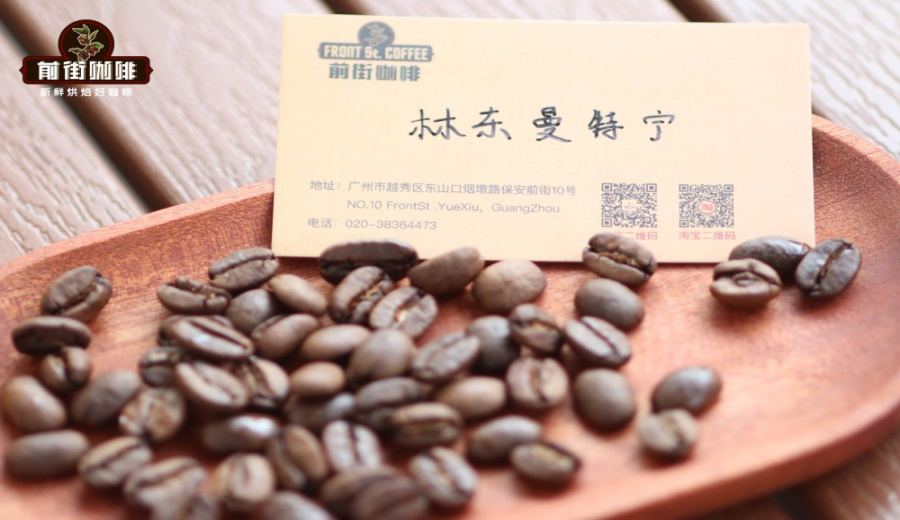
Introduction:Sumatra Mandheling is often known for its wet-hulled processing method, delivering intense herbal and dark chocolate notes. However, Wahana Estate flips the script with sun-dried processing, showcasing unique tropical fruit and fermented aromas. This article delves into the estate’s growing environment, varietal composition, details the key steps of sun-drying processing, and compares it with wet-hulled in terms of roast level, brewing parameters, and flavor profile. It also offers practical pour-over suggestions to guide you into this distinctive Mandheling experience.
When it comes to Mandheling, many people immediately think of the rich herbal and dark chocolate tones brought by wet-hulling. But in Sumatra, Wahana Estate offers a new flavor dimension through sun-dried processing. This article will introduce in detail the growing conditions and main varieties of Wahana Estate, analyze the full processing flow of sun-dried Mandheling, and compare its brewing settings and flavor differences with traditional wet-hulled Mandheling. Additionally, we’ll explore the critical impact of fresh roasting on coffee flavor and provide useful daily brewing tips to help you better understand this groundbreaking Mandheling.
Many coffee enthusiasts often ask: if you don’t like pronounced acidity, what coffees are worth trying? We usually recommend balanced or full-bodied options, such as Brazil, Paradise Bird, Mandheling, and Blue Mountain. Generally, Mandheling is associated with herbal notes and a bold body, but it actually has a completely different flavor direction that defies common stereotypes.
Traditionally, Mandheling is mostly processed using the wet-hulled method, which creates its highly recognizable flavor profile. So, can Mandheling also be presented via sun-dried processing? Today, we’ll focus on an alternative processing route for Mandheling and deeply explore its unique flavor expression.
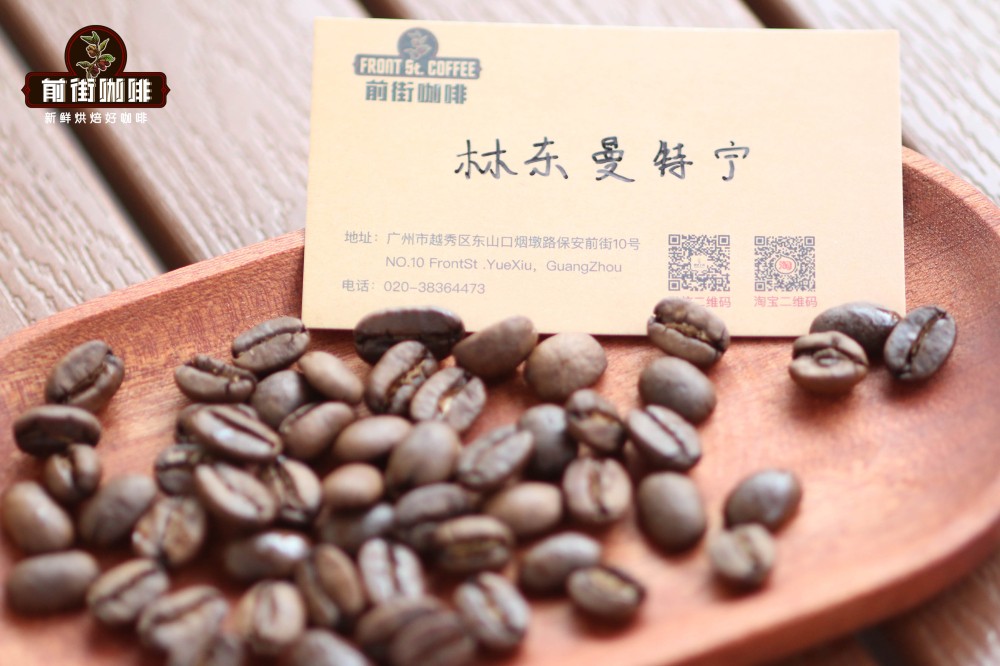
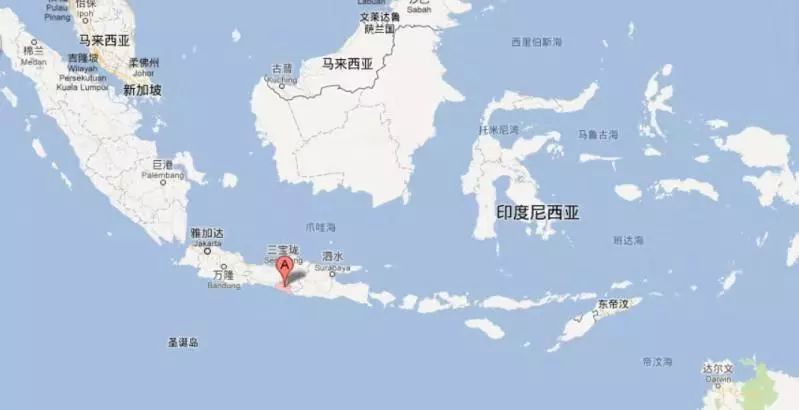
In the Sumatra region, Mandheling is commonly processed with the wet-hulled method, whereas sun-dried processing is attempted by Wahana Estate. Established in 2005, the estate spans approximately 500 hectares and is located near LeaMungkur Village in the Sidikalang District of North Sumatra, Indonesia—an area historically renowned for coffee production. The estate sits at an altitude between 1,200 and 1,500 meters, with annual rainfall of 2,000 to 3,000 millimeters, a relatively cool climate, and a diurnal temperature variation exceeding 10°C. Thanks to these conditions, the red cherries grown at Wahana typically have a sugar content of over 13%.
Wahana Estate has specifically allocated 30 hectares for coffee seedling cultivation to enhance overall yield and quality of single-origin coffee. New seedlings are first nurtured in sandy nursery beds for about three months, then transferred to nursery bags for another seven to eight months before being transplanted to designated planting areas. Each area is clearly labeled with varietal information for easier tracking and management.
Mandheling in Sumatra is predominantly planted with Typica, along with Bourbon, Andung Sari, or mixed plantings with Catimor and Rini. Currently, the local varieties grown at Wahana Estate include Long Berry from Aceh, Toraja from Sulawesi, Rasuna native to Sumatra, S795 and Dong Sari from Java. Internationally introduced varieties include Villa Sarchi from Costa Rica, Caturra from Costa Rica, Catuai from Costa Rica, and Typica from Colombia.
To grow high-quality North Sumatra coffee, Wahana Estate extensively plants shade trees and uses organic compost, committed to sustainable agriculture. Different coffee varieties are planted in separate plots and harvested individually to ensure each variety’s unique flavors are fully expressed. Additionally, only fully ripe red cherries are picked and processed separately to maintain consistent quality.
In 2006, Wahana Estate launched a new coffee initiative—producing sun-dried Mandheling. In the past, traditional Mandheling was always processed with the wet-hulled method, where the skin and pulp are first removed, followed by a brief water fermentation, then only one to two days of very short sun drying until the green beans reach a moisture content of 30–50%. The beans were then sent to processing facilities downhill for further steps.
In the autumn of 2008, Wahana’s processing facility was officially completed. Initially, they still focused on regular Mandheling, but the estate had always aspired to create a unique Mandheling, thus embarking on trials of sun-dried production. At first, they used semi-open spaces with skylights for natural sun drying, aiming to produce 100% sun-dried Mandheling. However, due to Indonesia’s humid and rainy climate, maintaining stability in quality during the drying process was consistently challenging. Eventually, Wahana adjusted the process by combining initial natural sun drying with subsequent mechanical drying, successfully crafting Wahana’s distinctive sun-dried Mandheling flavor.
Wahana’s sun-drying process has its unique approach. First, defective beans, underripe, and overripe cherries are manually sorted out to ensure only high-quality coffee fruits proceed. Next, the fruits are evenly spread on drying beds and turned multiple times daily to ensure even drying. The entire drying process usually lasts 2–3 weeks, though actual time varies based on local weather, and Indonesia’s humidity and frequent rain often extend the drying period. When the beans’ moisture content drops to 11–13%, the sun-drying phase is complete. By then, the outer pulp has hardened, and the beans can be hulled with a depulper before storage or export.
It’s worth noting that Indonesia’s climate poses significant challenges to sun-dried processing. High humidity and changeable weather make it difficult to stably control drying duration, which is one of the main reasons the wet-hulled method was developed. Currently, wet-hulled Mandheling remains the market mainstream, but the emergence of sun-dried Mandheling undoubtedly offers consumers another flavor option. Though we’ve purchased sun-dried Mandheling in the past, overall flavor performance still favors wet-hulled in highlighting Sumatra coffee’s unique character, which is why we’ve primarily sourced wet-hulled Mandheling for a long time.
So, how should sun-dried Mandheling be brewed to bring out its best flavors? And how does it differ from wet-hulled? Traditional Mandheling is often deeply roasted and processed with wet-hulling, while sun-dried Mandheling is usually medium to light roasted, leading to differences in brewing equipment choices and parameter settings.
Recommended brewing parameters for wet-hulled Mandheling:
- Filter: Kono
- Water temperature: 88°C
- Coffee dose: 15g
- Coffee-to-water ratio: 1:15
- Grind size: Medium-fine (70% through a #20 sieve)
As for Wahana Estate’s sun-dried Mandheling, it’s recommended to use a V60 filter, with water temperature around 91°C, same 1:15 ratio, 15g dose, and a finer grind than Lintong Mandheling—such as 80% through a Chinese standard #20 sieve (BG#6S)—to help fully extract its rich layers and tropical fruit flavors.
Flavor profile of Lintong Mandheling:The cup opens with strong herbal aromas, accompanied by black chocolate, caramel, and a distinct sweet aftertaste.
Flavor profile of Wahana sun-dried Mandheling:The cup presents a sweet and tangy tropical fruit character, with clear fermented aromas and a smooth, layered mouthfeel.
Brewing a great cup of coffee hinges on bean freshness. We recommend using beans roasted within five days for brewing to fully experience their complete flavor spectrum. Freshly roasted beans enter their optimal flavor window around 4–7 days post-roast—the so-called degassing period. Enjoying them during this time yields the most ideal flavor.
If you need us to grind the beans for you, that’s no problem—but please note: once coffee is ground, there’s no need for further degassing, as CO₂ in the packaging can still help stabilize flavor during transport. However, ground coffee oxidizes faster upon exposure to air, so we recommend brewing it as soon as possible to avoid rapid flavor loss. For the best flavor experience, we still recommend buying whole beans and grinding them fresh for brewing, to truly savor coffee’s delicate nuances and layers.
The above content is compiled by CoffeeHunters, a coffee news website.


