








Introduction:An in-depth analysis of the wine-process coffee produced by Hartmann Estate in Panama’s Volcán region. This piece explores everything from the microclimate of the region and the family’s historical background, to the characteristics of the Catuaí variety and the wine fermentation process, and further investigates how a light-to-medium roast can highlight tropical fruit and wine-like aromatic layers. It provides complete information on the green beans, roast curve design, and pour over parameters to help you master the brewing essence of this specialty coffee.
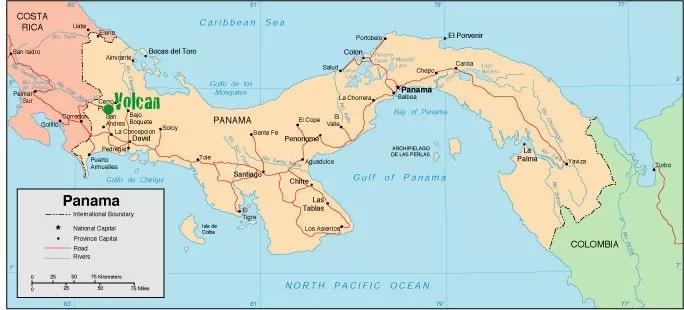
Panama’s Volcán region has gradually emerged in the specialty coffee scene in recent years. Its unique geographical location and microclimate conditions have created a distinctive flavor profile for its coffees. Hartmann Estate, located in this area, is not only a long-established family-run farm but also one of the pioneers in promoting sustainable cultivation and innovative processing methods. This article will take you through a comprehensive understanding of the wine-process coffee introduced by Hartmann Estate—from the environment of the region, the processing techniques, the variety characteristics, to roasting and pour over recommendations—breaking down step-by-step this specialty coffee that blends wine fermentation notes with tropical fruit aromas.
Although less well-known than Boquete, the Volcán region produces coffee beans with intense fruity aromas and prominent sweetness due to its altitude and climatic differences. Compared to Boquete, Volcán receives slightly lower annual rainfall, and its proximity to the western side of the Barú volcano gives its coffees a notably drier fruit character and richer sweetness. The region’s mineral-rich soils, combined with significant day-night temperature variations, provide ideal conditions for sugar accumulation and flavor development in the coffee cherries. Hartmann Estate is one of the representative producers of this terroir.
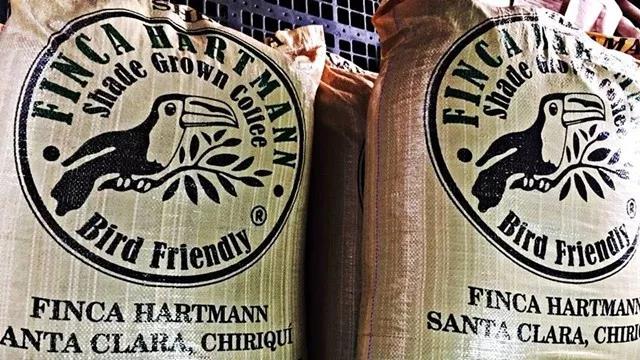
Speaking of Hartmann Estate, one cannot overlook its long-standing family history and commitment to environmental sustainability. The estate has been managed by the third generation of the family since it was first cultivated in 1912 by Austrian immigrant Luis Hartmann, and now spans four generations. They were among the first in the region to promote shaded cultivation and bird-friendly farming practices, and have published multiple books and academic papers on the subject, underscoring their influence in both coffee growing and ecological conservation. Currently, the estate is managed by Ratibor Hartmann and his siblings, and is equipped with a professional cupping and roasting laboratory to ensure that every batch of coffee meets high standards.
In addition to their own estate, the Hartmann family also provides technical support and processing services for several well-known Panamanian farms, including Finca La Mula, which has won the Best of Panama award multiple times. Although they rarely compete publicly, their technical expertise and quality control standards are widely recognized as top-tier in the industry.
The wine-process coffee from Hartmann Estate employs a fermentation technique inspired by winemaking. Also known as carbonic maceration or wine-style processing, the core of this method lies in controlling the oxygen concentration, temperature, and humidity within the fermentation environment to guide the release of more aromatic compounds from the coffee beans. The specific process involves placing depulped coffee seeds into a sealed stainless-steel fermentation tank and injecting carbon dioxide to create an anaerobic environment, thereby slowing oxidation and promoting the formation of specific flavor compounds. This method effectively preserves fruitiness and sweetness while imparting coffee with a complexity akin to that of wine.
The wine process can be further divided into types such as acetic acid fermentation (aerobic), lactic acid fermentation (anaerobic), and mixed fermentation. The Hartmann Estate version emphasizes precise temperature and humidity control within a sealed anaerobic environment to bring out intense fruit aromas and rich wine-like undertones. This processing method places high demands on both technology and equipment, but it is precisely this that allows for the creation of uniquely distinctive coffee flavors in the market.
The variety used in this coffee is Catuaí, an Arabica hybrid developed from Mundo Novo and Caturra. Catuaí exhibits strong resistance to wind and rain, and has a relatively short plant stature, which aids in management and harvesting. Its fruits are firm and less prone to dropping due to external forces, but overall flavor expression is usually more straightforward, with body slightly inferior to other mainstream varieties. Additionally, Catuaí fruits have a relatively short lifespan of about ten years, requiring more meticulous cultivation management. Nevertheless, with proper processing and roasting, it can still showcase bright acidity and unique fruit characteristics.
In terms of roast settings, this Hartmann wine-process coffee aims for a light-to-medium roast to balance the vibrant expression of acidity with layered flavors. Since the beans come from medium altitude with relatively hard bean structure and moderate moisture content, the roaster opts to start with a high charge temperature of 200°C and employs a strategy of gradually lowering the heat and stabilizing the rise in temperature to avoid scorching the bean surface at high temperatures. The coffee is dropped just before the first crack becomes intense to preserve maximum floral and fruity aromas along with fermentation notes, while ensuring caramelization does not go too far, maintaining overall flavor clarity and freshness.
For pour over brewing, it is recommended to use a V60 dripper, with a 1:15 coffee-to-water ratio, water temperature controlled at 90°C, and grind size around medium-fine, similar to the coarseness of granulated sugar. These parameters fully bring out the wine-like aftertaste, honey sweetness, and tropical fruit flavors of the coffee, with a finish that carries the smooth texture of brown sugar. During brewing, pay attention to maintaining a stable water flow to avoid over-extraction that could bring out bitterness, and moderately extending the bloom time helps release the aromas.
In cupping, this coffee shows dry aromas of ripe orange and jasmine, while wet aromas exhibit distinct wine and honey notes. Upon tasting, the acidity is bright and layered, with a finish that extends the richness of wine and the sweetness of cane sugar. As it cools, the mellow aftertaste of brown sugar becomes even more pronounced. Whether enjoyed as a daily specialty coffee or explored as a case study of processing methods and terroir influence, this Hartmann Estate wine-process coffee is definitely worth trying.
The above content is compiled by CoffeeHunters, a coffee news website.


