







Introduction:Making an ideal espresso shot relies heavily on two key steps—dosing distribution and tamping—as they determine the puck’s evenness and extraction stability. While many coffee enthusiasts are familiar with these two processes, they often overlook their distinct and critical roles. This article will delve into the functional differences between distribution tools and tampers, detail the correct methods of use, and debunk common questions such as “Can I re-tamp if the puck is uneven?” Helping you master professional-level coffee puck handling techniques step by step.
In the process of extracting espresso, the dosing tool and tamper are arguably the two most important accessories. Many may wonder: If the coffee bed already looks level after distribution, why is tamping still necessary? In fact, these two tools play very different roles. The main function of a distribution tool is to evenly spread finely ground coffee in the portafilter basket, reducing the chance of channeling during extraction. The tamper, on the other hand, is responsible for compacting the loose coffee grounds into a dense puck that can withstand the pressure of hot water. This article will start from the principles behind each tool, analyze their practical effects, introduce the correct usage methods, and answer some common misconceptions about tamping, helping you achieve more consistently balanced coffee flavors.
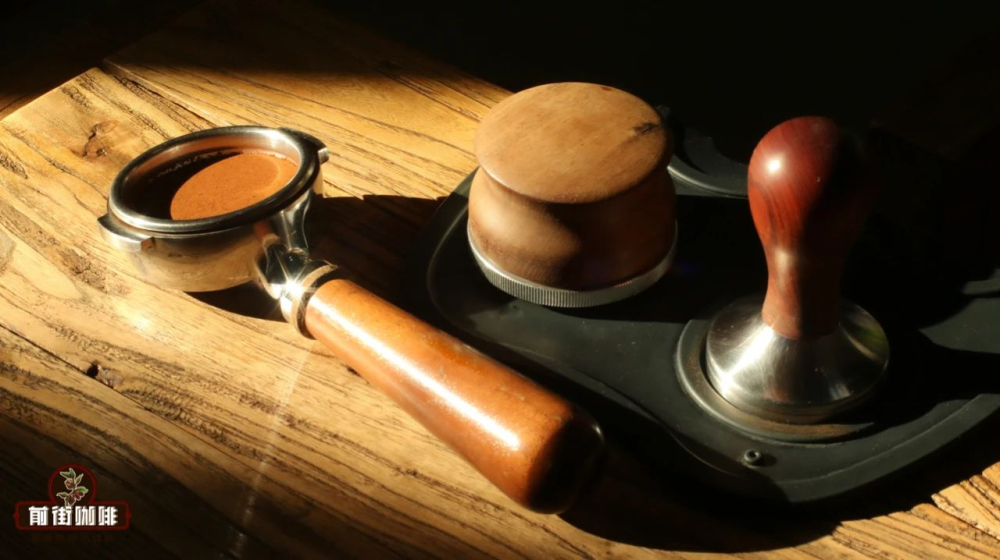
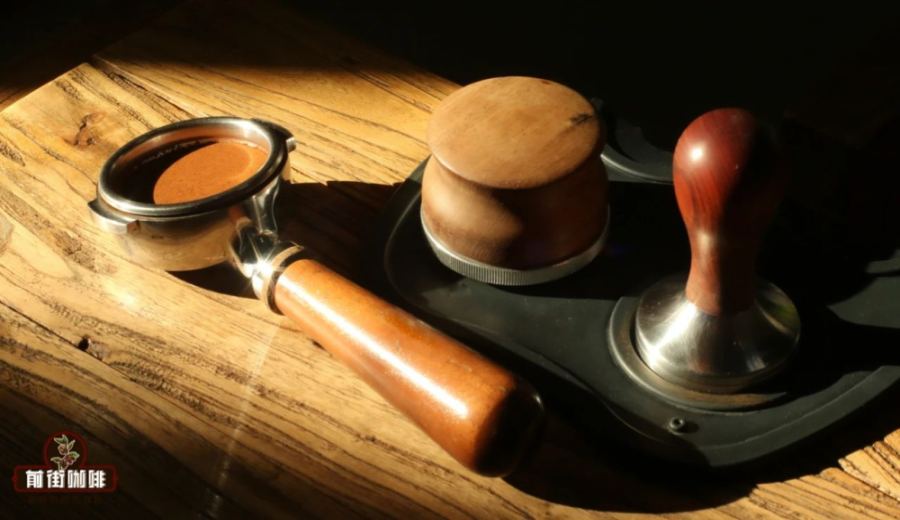
In the professional coffee world, dosing tools and tampers often appear together. Their appearances might have been somewhat similar in the past, but their actual functions are distinctly different. With the continuous refinement of equipment design, their roles have become even more clearly defined: the dosing tool ensures the coffee grounds are evenly distributed in the basket, avoiding clumps or excessively large gaps in certain areas, while the tamper further compresses the coffee bed into a uniformly thick, cylindrical puck, aiding stable water flow. Some devices even integrate both functions, but logically speaking, they remain two indispensable and non-interchangeable steps.
Many people assume that once dosing is complete, the coffee bed already looks quite level—so why is there a need for an extra tamping step? In reality, although the surface may appear even visually, the internal structure can vary greatly. Using a dosing tool helps ensure the coffee is spread evenly in the basket, reducing the likelihood of clumps or voids, but the coffee bed remains loose. When the espresso machine is activated and high-pressure water—up to nine bars—hits the puck, if the base structure isn’t firm enough, the water will naturally follow the path of least resistance, known as “channeling.” This leads to over-extraction in some areas and under-extraction in others. Therefore, dosing addresses the even spreading of coffee, while tamping builds a solid structure so the puck can withstand the high-pressure challenge. The two are closely related—“if distribution is off, tamping will likely go wrong too.”
The coffee grounds used for espresso are typically ground extremely fine. These fine particles can easily clump together in humid or static-heavy environments. If these clumps aren’t fully broken up before tamping, it can result in some areas of the puck being overly compacted while others remain loose. During extraction, water will naturally flow toward the path of least resistance—the loose areas—causing over-extraction in those parts, leading to bitterness or off-flavors, while the denser areas don’t get enough contact, resulting in under-extracted flavors. Ultimately, this leads to an imbalanced cup. Therefore, ensuring the coffee is evenly dispersed and free of clumps during the dosing stage is a crucial prerequisite for making high-quality espresso.
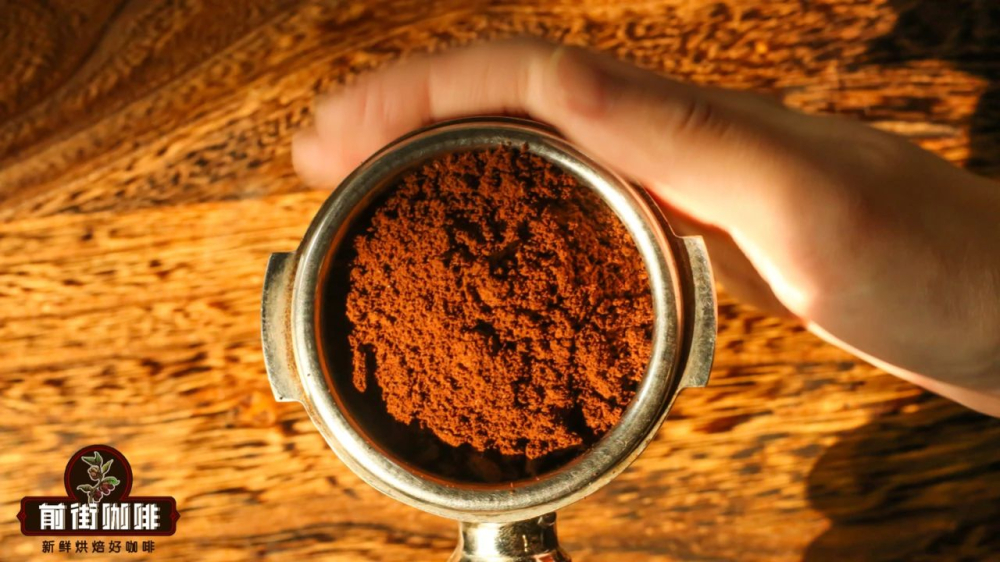
Traditional dosing methods mostly rely on fingers—after pouring coffee into the portafilter, users use their fingertips and the base of the thumb to gently stir, attempting to fill every corner of the basket. While this method doesn’t require additional tools, it demands a high level of skill: hands must be completely clean and dry, the stirring motion should keep fingers level, and absolutely no pressure should be applied to the coffee bed. Even so, uneven distribution or leftover clumps can easily occur, and consistent results often require long-term practice. In contrast, using a dosing tool is not only more efficient but also ensures more uniform distribution each time, significantly improving extraction stability and shot consistency. It’s a practical tool worth investing in for both home users and professional baristas.
Once dosing is complete, the next step is tamping. Though it may seem simple, this action involves quite a few nuances. The core purpose of tamping isn’t just to compress the coffee—it’s even more important to ensure the surface of the puck is level. If the surface is uneven after tamping, the puck thickness will be inconsistent, causing water to naturally flow toward the lower areas during extraction. This leads to under-extraction in thicker sections and over-extraction in thinner ones, ultimately affecting the overall flavor of the coffee. Therefore, when tamping, it’s essential to use a tamper that matches the portafilter basket diameter and to apply force vertically downward with your arm to ensure even pressure across the entire coffee bed.
When using a tamper, place the portafilter on a flat, stable surface. Hold the tamper handle firmly with your palm, keeping your wrist straight and your thumb and index finger lightly resting on the top of the tamper. During tamping, form a straight vertical line from your elbow, through your forearm, the tamper, and down to the portafilter, ensuring a stable and smooth motion to press the coffee down in one even motion. Remember, you don’t need to use excessive force—because even if you apply a lot of pressure, by the time it reaches the bottom of the puck where it meets the nine-bar water pressure, the force has already dissipated. As long as the pressure is evenly distributed across the puck, you’ll achieve stable extraction under standard brewing pressure.
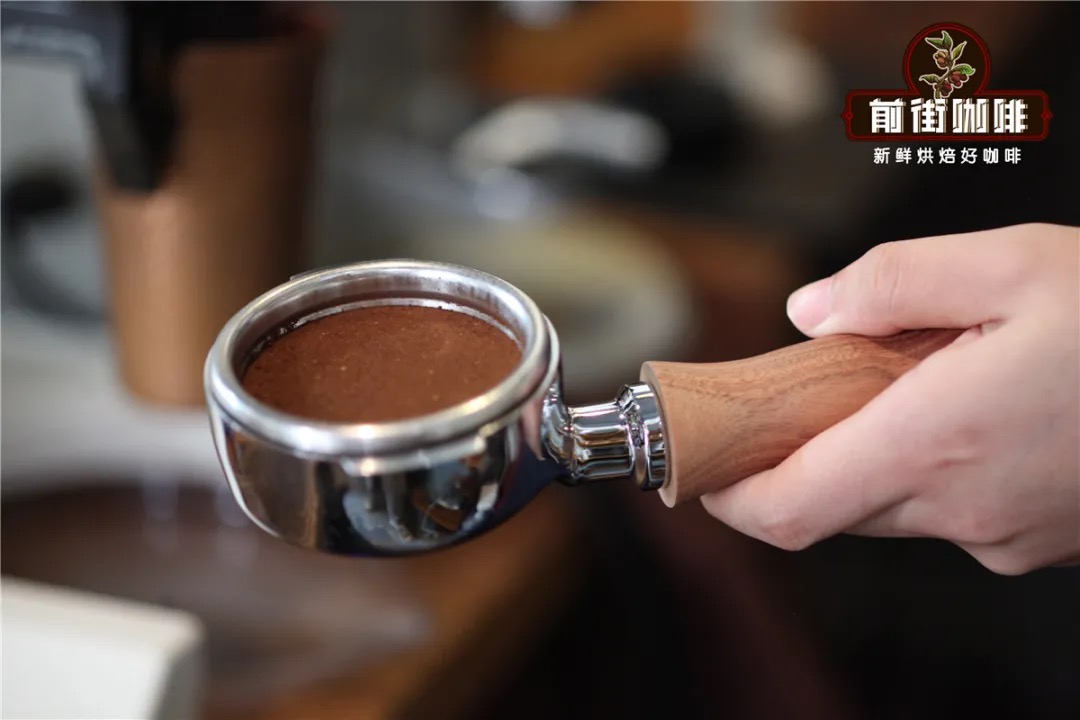
What should you do if the puck surface is still uneven after tamping? A common question is: Can you re-tamp to fix it? The recommended approach is a safer one—gently break apart the already compacted puck, refill with fresh coffee, distribute it evenly, and then perform a full tamping process again. If you directly re-tamp only the uneven spots, it can easily fracture the puck structure, creating new channels and negatively impacting extraction uniformity. Therefore, rather than trying to fix issues afterward, it’s better to ensure every step is done accurately from the start.
The above content is compiled by CoffeeHunters, a coffee news website.


