








Introduction:As an important coffee-producing region in China, Yunnan’s small-bean coffee boasts unique geographical advantages and historical background. This article will delve into the main varieties of Yunnan coffee, its representative growing regions, as well as the characteristics of common processing methods such as washed and natural. It also recommends two single-origin beans and one classic blend to help readers comprehensively understand the flavor profile and brewing suggestions of Yunnan coffee from beginner to advanced levels.
Located near the Tropic of Cancer, Yunnan falls within the global coffee “golden belt” with suitable altitude and climate conditions, making it one of the few regions in China capable of consistently producing high-quality coffee. As early as the late 19th century, coffee was first introduced in Binchuan, Dali. After over a hundred years of development, it gradually formed the locally distinctive “Yunnan small-bean coffee.” Many coffee enthusiasts initially find its flavor less vibrant than African beans and not as bold as those from Central and South America. However, by selecting the right variety and processing method, Yunnan coffee can also showcase charming notes of nuts, chocolate, and mild fruity acidity.

Currently, Yunnan coffee on the market offers diverse flavors, but to experience its most authentic qualities, it is recommended to start with traditional processing methods such as washed or natural. These methods preserve the original flavor characteristics of the beans, allowing one to perceive the natural balance of nuttiness, caramel, and subtle fruity acidity. Since Yunnan coffee has yet to develop strong regional flavor labels like Ethiopia or Colombia, roasting strategies tend to be moderate, mainly medium roast, balancing acidity and sweetness with caramel aroma—suitable for everyday choices like pour over, moka pot, or cold brew.
In terms of variety, Yunnan mainly cultivates varieties such as Catimor and Typica that are well-suited to the local environment. Among them, Catimor, known for its disease resistance and stable yield, has become the mainstream; while Typica is a traditional Arabica variety with more delicate flavors. The following will introduce two representative single-origin coffees, as well as a popular Yunnan-blended espresso bean, helping readers build a multidimensional understanding of Yunnan coffee.
Recommended Yunnan Single-Origin Coffee ①: Baoshan Washed Catimor
Region: Baoshan, Yunnan, China
Altitude: Approximately 1200 meters
Variety: Catimor
Processing Method: Washed
Flavor Profile: Features distinct nutty tones, accompanied by herbal, chocolate, and caramel aromas, with a soft fruity acidity in the aftertaste. The overall taste is clean with clear layering.
Recommended Brewing Methods: Pour over, moka pot, cold brew
Suggested Extraction Parameters: For pour over, a 1:15 coffee-to-water ratio is recommended, with water temperature around 90–92°C and medium-coarse grind, highlighting its nutty and chocolate base.
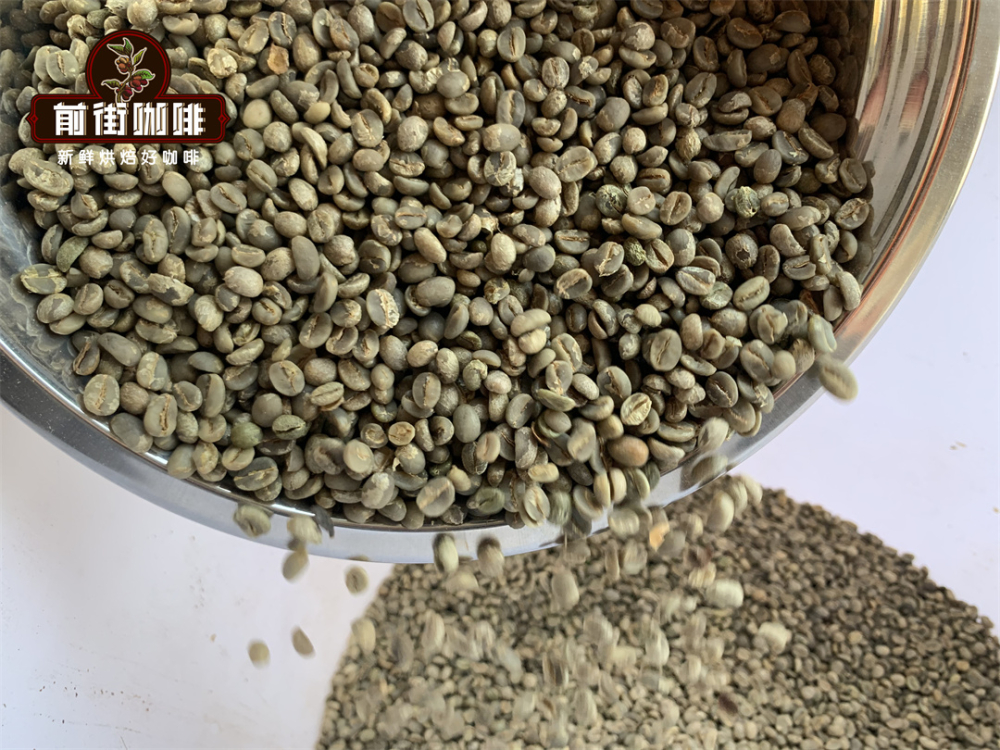
Recommended Yunnan Single-Origin Coffee ②: Lincang 2013 Typica (Natural)
Region: Lincang, Yunnan, China
Altitude: Approximately 1300 meters
Variety: Typica
Processing Method: Natural
Flavor Profile: Showcases bright acidic notes of berries, paired with nutty tones and a brown sugar-like sweetness, with a lingering hint of tea-like quality. The overall flavor is rich and layered.
Recommended Brewing Methods: Pour over, moka pot, cold brew
Suggested Extraction Parameters: For pour over, use a medium-fine grind with water temperature slightly lowered to 88–90°C to better bring out the berry and tea notes.
Recommended Yunnan Blend Coffee: Black Cocoa Espresso Blend
Regional Blend: Yunnan Small-Bean + Brazil Cerrado
Roast Level: Medium-dark roast
Flavor Profile: Blends the rich flavors of nuts, chocolate, and caramel, with soft acidity and a natural sweetness reminiscent of sugarcane. Perfect as a stable choice for espresso or home coffee machines.
Target Audience: Coffee enthusiasts with home espresso machines or moka pots who seek good value and consistent extraction performance.
Recommended Use: Espresso, latte, cappuccino, and other milk-based coffee drinks.
In summary, although Yunnan small-bean coffee may not have as strong regional flavor characteristics as other origins, through appropriate variety selection and processing methods, it can still showcase unique notes of nuts, chocolate, and fruity acidity. Whether as a single-origin pour over or an espresso blend, it offers diverse and affordable options for coffee lovers. Beginners are advised to start with washed Catimor, then explore the fruity layers of natural Typica, and finally try the balanced profile of blends, gradually building a comprehensive understanding of Yunnan coffee.
The above content is compiled by CoffeeHunters, a coffee news website.


