







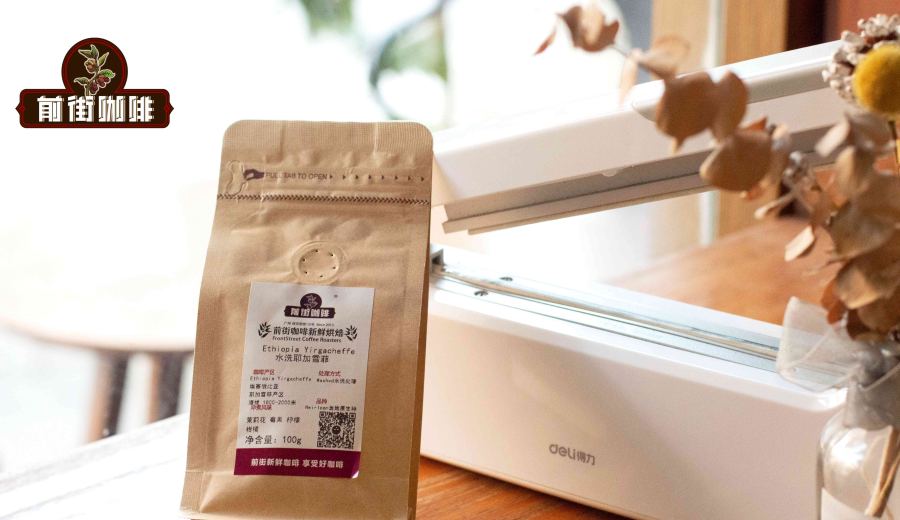
Introduction:An in-depth exploration of the unique flavor profile of Ethiopian Yirgacheffe washed processed coffee, covering everything from the growing environment of the region to the ECX grading standards, professional roasting profiles, and pour over brewing tips. This article systematically outlines the flavor characteristics and processing differences of washed Yirgacheffe, and provides a detailed comparison between Grade G1 and G2, helping you master the brewing secrets of this classic origin with precision.
Yirgacheffe is undoubtedly the crown jewel of coffee in Ethiopia’s southern Gedeo Zone, celebrated globally as a benchmark for specialty coffee thanks to its distinctive floral and fruity notes. Compared to the traditional natural (sun-dried) process, washed Yirgacheffe showcases a cleaner and brighter cup profile, while the natural version delivers a richer sweetness due to fermentation with the fruit pulp. This article focuses on the washed processing system, comprehensively analyzing the region’s geographical features, traditional farming practices, standardized processing procedures, and international grading system. Through a practical comparison of Grade G1 and G2, it offers coffee enthusiasts a comprehensive guide from green bean selection to brewing practice.
Located on the Gedeo Plateau, the town of Yirgacheffe, along with its neighboring micro-regions Wenago, Kochere, and Gelena Abaya, are also included within this renowned coffee origin due to their geographically and climatically similar conditions. The local coffee cultivation history dates back to the era when European missionaries introduced coffee plants. Today, production is primarily managed by smallholder cooperatives. It is worth noting that Ethiopia’s coffee classification system divides production into three main types: forest coffee, which relies on natural shade and is grown in wild or semi-wild settings; garden coffee, commonly found in household backyards (including many well-known estate lots); and plantation coffee, produced using modern agricultural techniques on larger farms.
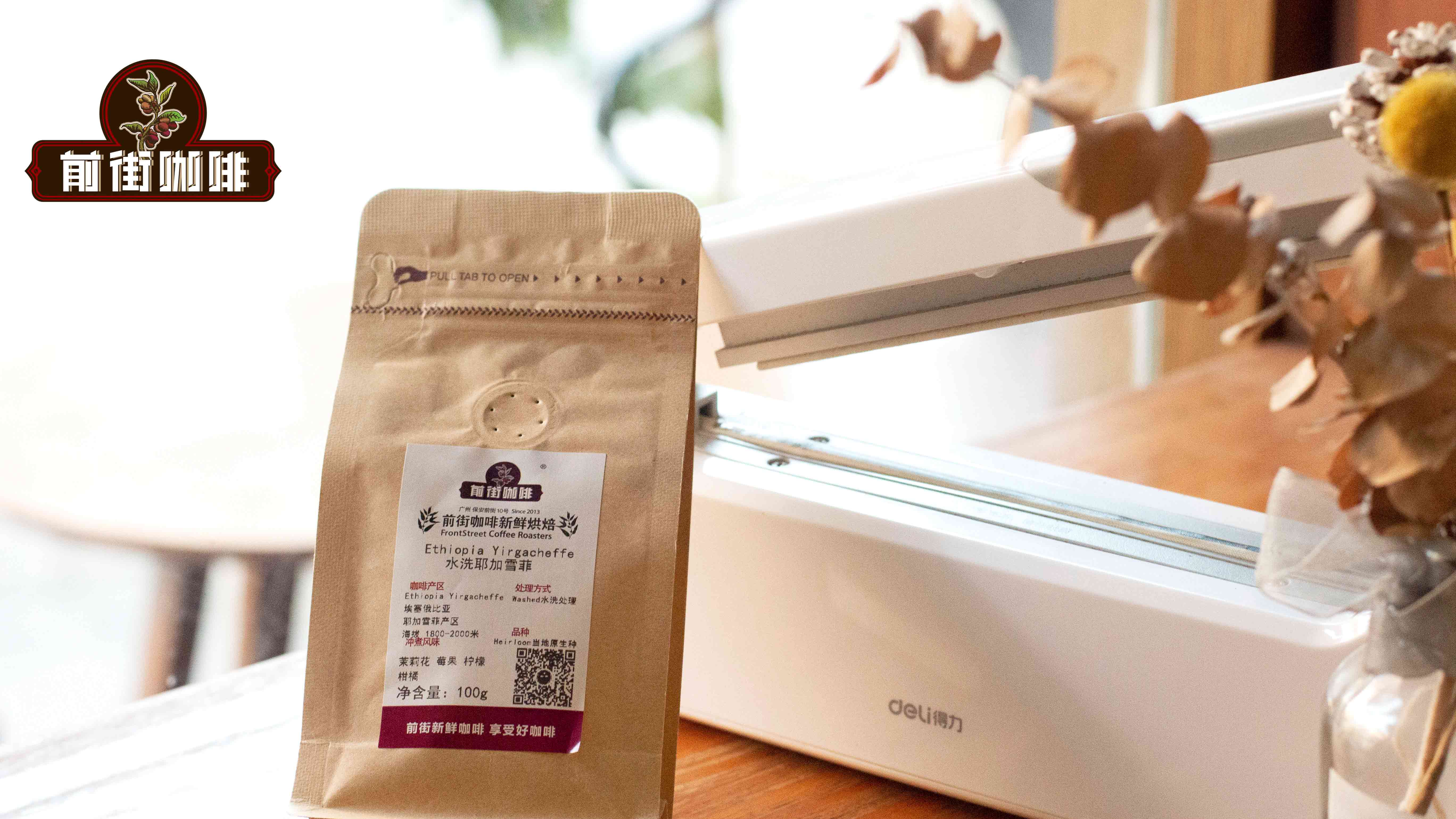
The introduction of washed processing completely transformed the flavor profile of Yirgacheffe. After adopting techniques from Central and South America in 1972, the region successfully overcame the off-flavors often associated with traditional natural processing, allowing bright citrus and jasmine aromas to shine through. Compared to the natural process, which relies on air-drying, washed processing achieves a cleaner and brighter acidity through precise control of fermentation (typically maintaining microbial activity for 18–36 hours) and multiple rinses with clean water. For those new to Yirgacheffe, it is recommended to start with the washed version to establish a flavor baseline before exploring variations such as honey processing.
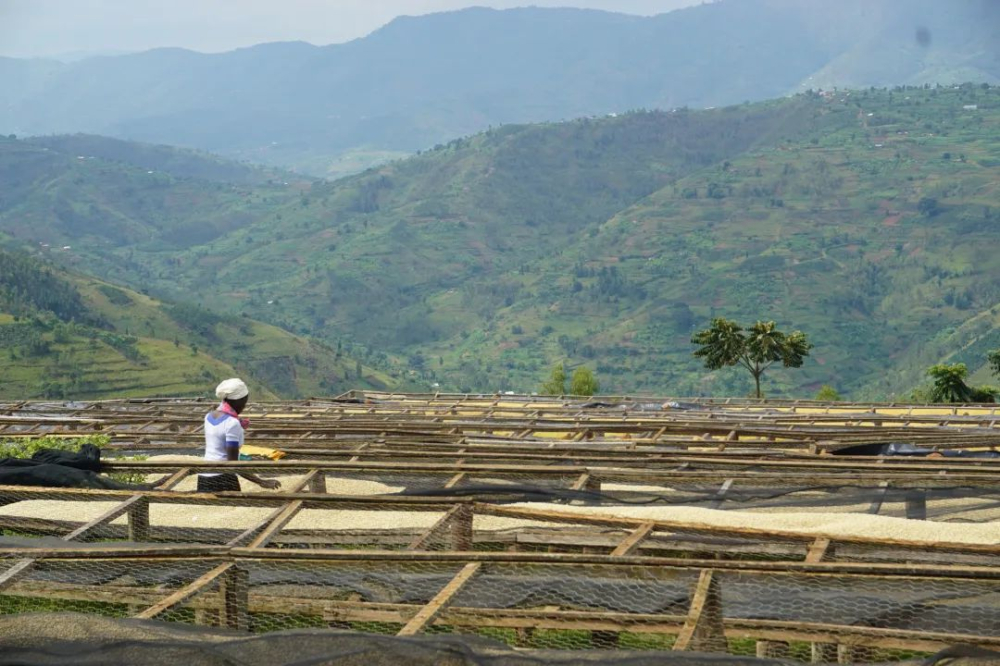
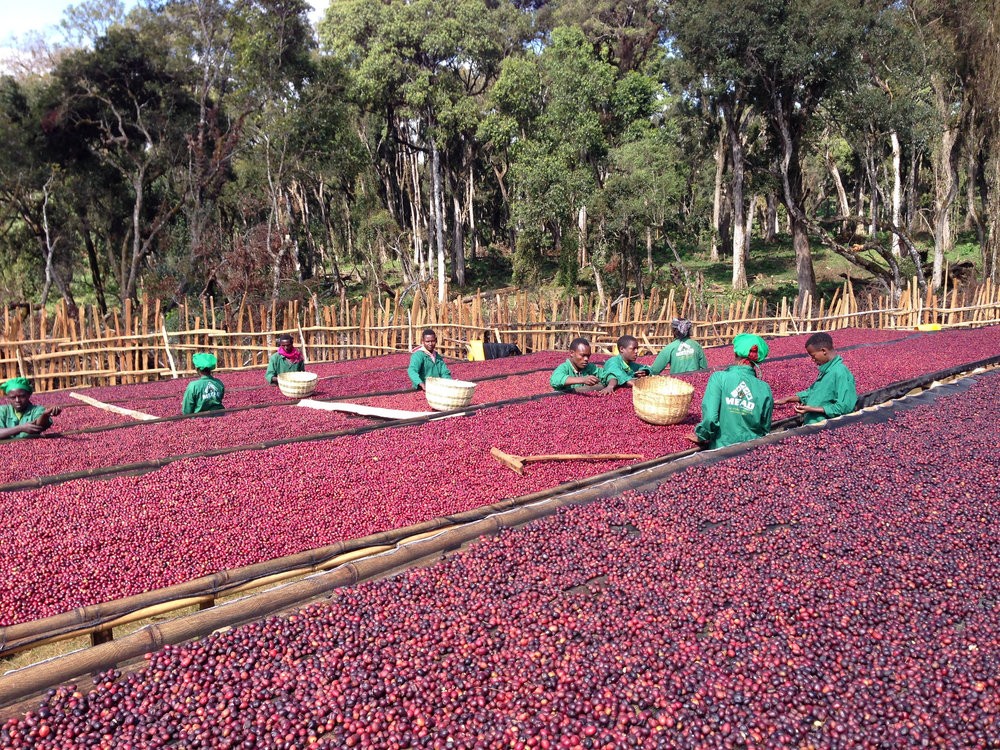
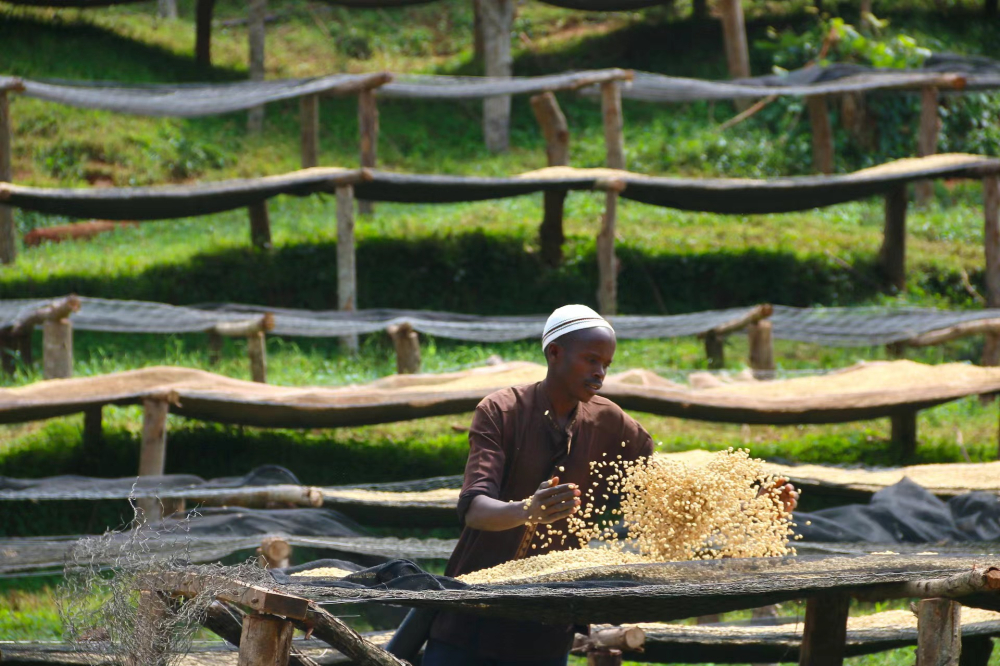
The complete washed process consists of seven key steps: first, ripe cherries are sorted by density using water channels; then, the skin and pulp are mechanically removed while retaining the mucilage layer; next comes the critical fermentation stage where pectin is broken down; after that, the beans are friction-washed in water tanks, reducing moisture content from 50% to 12%—natural sun drying takes 1–3 weeks, while mechanical drying speeds up the process but may compromise flavor complexity; finally, after storage stabilization, the silver skin is removed, followed by rigorous defect removal and grade assessment.
The grading system established by the Ethiopian Commodity Exchange (ECX) combines physical indicators with sensory evaluation: for washed beans, physical traits (defect count at 20%, bean uniformity at 10%, color at 5%, and aroma at 5%) account for 40%, while cup quality (cleanliness at 15%, acidity at 15%, mouthfeel at 15%, and flavor at 15%) makes up 60%. Notably, Grades G1 to G3 undergo a second cupping round, where scores above 85 earn Q1 specialty certification, 80–85 fall under Q2, and anything below 80 is downgraded. In actual trade, 300g of green beans with ≤3 defects qualify as G1, while 4–12 defects correspond to Grade G2.
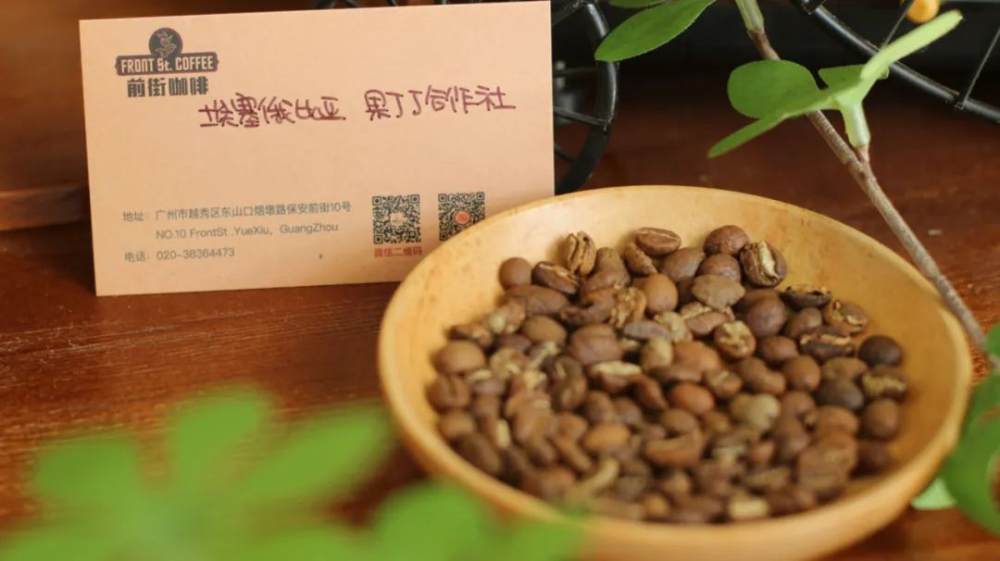
A comparison between Grade G1 and G2 washed Yirgacheffe reveals clear distinctions: top-tier G1 beans feature plump, uniform size and an extremely low defect rate, whereas G2 often includes beans of varying sizes and a higher proportion of defects. Practical roasting experience shows that both grades are best suited for light roasting to highlight their floral and fruity characteristics—G1 is roasted at an inlet temperature of 200°C, with precise heat control (150→120→adjusted) and a first crack development time (starting at 8’35”, developing for 2 minutes until reaching 193.5°C), fully preserving bright acidity notes like lemon and grapefruit; G2, on the other hand, extends the drying phase slightly (yellowing at 132°C, first crack at 9’08”), with a final temperature of 195°C to balance citrus and tea-like flavors.
Professional cupping data shows: G1 exhibits elegant dry aromas of jasmine and ginger lily, with wet aromas bursting with citrus fruit fragrance; on the palate, layers of Tieguanyin tea notes and citrus acidity unfold. G2 presents a more direct combination of jasmine and citrus, with a flavor profile leaning toward a refreshing tea-like mouthfeel. Brewing recommendations include using a V60 filter cone (its 60-degree conical design accelerates water flow circulation), with parameters set at 90°C water temperature, a 1:15 coffee-to-water ratio (15g coffee to 225ml water), and a fine grind size passing 80% through a Chinese No. 20 sieve. The specific method involves a 30-second bloom with 30g of water, followed by pulse pouring to 125g and then to 225g, with total extraction time controlled around 2’05” to effectively highlight bright citrus acidity and a honey-like finish.
Adjustments based on grade characteristics: for G1, it is recommended to enhance water flow focus to intensify floral and fruity layers, while for G2, a slightly coarser grind can be used to avoid over-extraction. Notably, although the V60’s large bottom holes increase flow rate, maintaining a steady pouring rhythm is essential to prevent channeling. In actual tasting, G1 showcases a complex flavor of caramel sweetness paired with oolong tea aftertaste, while G2 presents a cocoa finish with a soft brown sugar texture—both perfectly embody the unique charm of Yirgacheffe as the ‘champagne of coffee’.
The above content is compiled by CoffeeHunters, a coffee news website.


