







Introduction:Ever wondered why Yunnan-grown Geisha coffee doesn’t quite taste the same as Panamanian Geisha? This article dives deep into the variety’s origin, cultivation history in Yunnan, and how climate, altitude, and processing methods influence its unique flavor profile—helping you better understand this increasingly spotlighted coffee bean.
Renowned for its delicate floral aromas, complex fruit notes, and smooth mouthfeel, Geisha (Gesha) coffee has become a star variety in the global specialty coffee scene. In recent years, China’s Yunnan region has also attempted to cultivate Geisha, with the earliest efforts dating back to 2012. The seeds are believed to have come from the Green-Tipped Geisha of Panama’s Elida Estate (also known as Elida Farm). After several years of trial planting, it wasn’t until around 2016 that the first harvests began, gradually leading to expanded cultivation. However, due to differences in altitude, climate, and growing conditions, Yunnan-produced Geisha exhibits distinct flavor characteristics compared to its Panamanian counterpart—showcasing more plum-like acidity, berry sweetness, and nutty-brown sugar undertones. Though overall balanced, its refinement is slightly less pronounced.
The global acclaim of Geisha largely stems from its highly distinctive flavor profile: bright, juicy citrus and peach acidity paired with a creamy mouthfeel, and an aftertaste that often evokes the sweet aroma of oolong tea—more reminiscent of a fragrant fruit tea than traditional coffee. A coffee’s flavor expression is actually the result of multiple factors working together, including variety genetics, growing altitude, climate, soil conditions, and field management, while post-harvest processing and roasting are responsible for faithfully showcasing these inherent qualities. For this reason, the exceptional quality of Geisha is a perfect convergence of timing, terroir, and human effort.
It’s worth noting that Geisha’s production is extremely limited. Take Panama, for example: the country’s annual coffee output is about 10,000 metric tons, and the renowned Elida Estate produces only around 150 bags of green beans (approximately 9,000 kg) per year. If Geisha accounts for just 3% of that, the actual yield is only about 270 kg. Due to such scarce supply, coupled with enthusiastic media coverage and strong demand from coffee enthusiasts, Geisha prices have remained consistently high.
Compared to other common Arabica varieties, not only does Geisha produce fewer fruits, but the plant itself is also more delicate and demanding in terms of environmental conditions. Geisha thrives at high altitudes, in fertile and well-drained soils, and relies on foggy environments or shade trees to protect it from intense direct sunlight. Its leaves are thinner, resulting in lower photosynthetic efficiency, and its root system is not particularly robust, leading to slower absorption of nutrients and water—all of which constrain its yield. Additionally, in high-altitude regions, the fruit ripening period is longer, and the number of cherries per tree is typically only half that of mainstream varieties like Caturra, further contributing to its rarity.
Geisha’s international reputation is largely owed to Panama’s Elida Estate. According to the estate’s third-generation owner, Daniel, it took him multiple trials in 2003 before confirming the variety’s potential. Coinciding with the eve of the Best of Panama (BOP) competition that year, he unexpectedly discovered during an internal cupping session that Geisha exhibited a rich and unique array of flavors—including jasmine, citrus, peach, blueberry, bergamot, and sugarcane. Even though such flavors were not mainstream in the market at the time, he decided to enter Geisha into the competition—and it won first place.
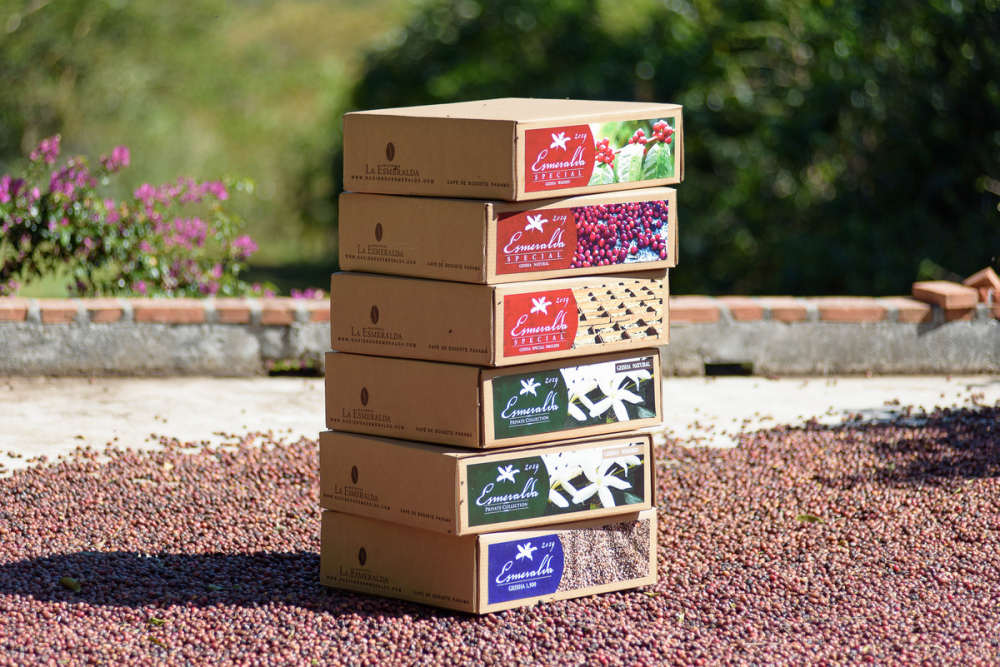
Starting in 2005, Elida Estate began submitting Geisha to the Specialty Coffee Association of America (SCAA) competitions. Not only did it defeat numerous well-known varieties, but it also claimed consecutive championships in 2006 and 2007, rapidly propelling Geisha to iconic status in the global specialty coffee scene. Soon after, various coffee-growing regions began introducing Geisha, and China’s Yunnan also joined the trend, embarking on local cultivation trials.
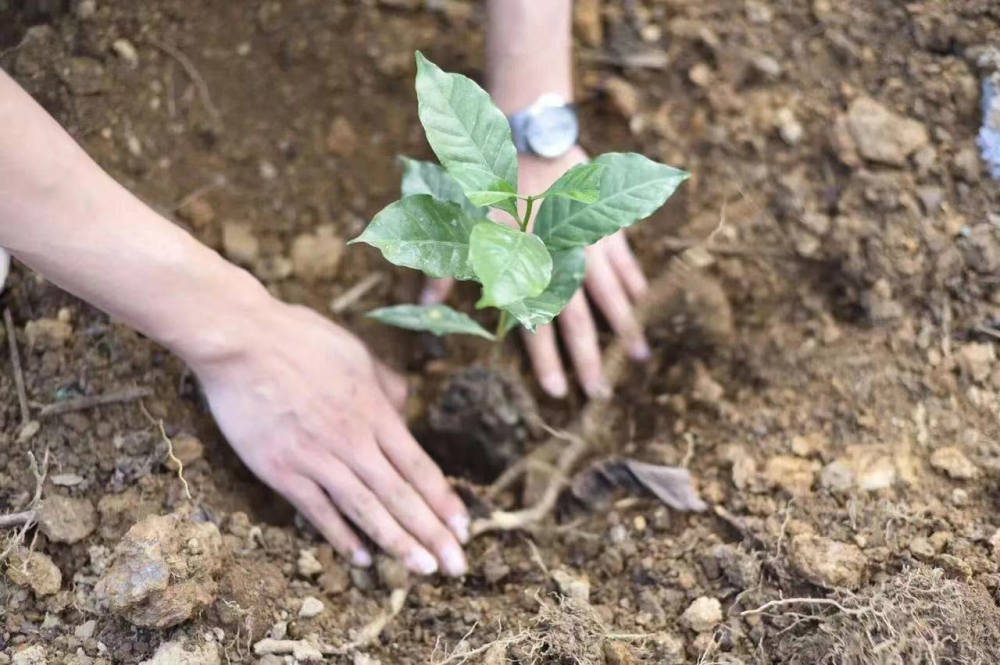
Yunnan’s history with Geisha cultivation is relatively short. The first experimental plantings began around 2012, and it’s understood that these seeds were sourced from Panama’s Elida Estate Green-Tipped Geisha. At that time, only about 10 trees were planted, and the entire process was carried out with great caution. Typically, it takes about 3 to 4 years from seedling to first fruiting, so it wasn’t until around 2016 that these Geisha plants began yielding stable harvests and gradually caught the market’s attention.
Green-Tipped Geisha is considered a top-tier grade among Geisha green beans, and its lineage may be related to the T2722 variety once cataloged by Costa Rica’s CATIE institute. However, due to widespread cross-pollination and seed exchange, the Geisha grown at different estates may not all share the same genetic background. Even Elida Estate has pointed out that early botanical records described the Gesha variety as having bronze-colored young leaves with ordinary flavor but strong fungal resistance; whereas Panamanian Geisha exhibits tender green new growth and outstanding cupping performance, though resistant to leaf rust, it is prone to coffee leaf rust spot disease (Ojo de Gallo). To this day, it remains inconclusive whether Panamanian Geisha is identical to T2722.
As Yunnan Geisha gains more recognition, other local estates have also begun claiming to grow Geisha varieties sourced from Panama’s Elida Estate. But regardless of the seed source, what’s certain is that although Yunnan Geisha may originate from Panama, its flavor profile has developed noticeably different under the region’s unique terroir.
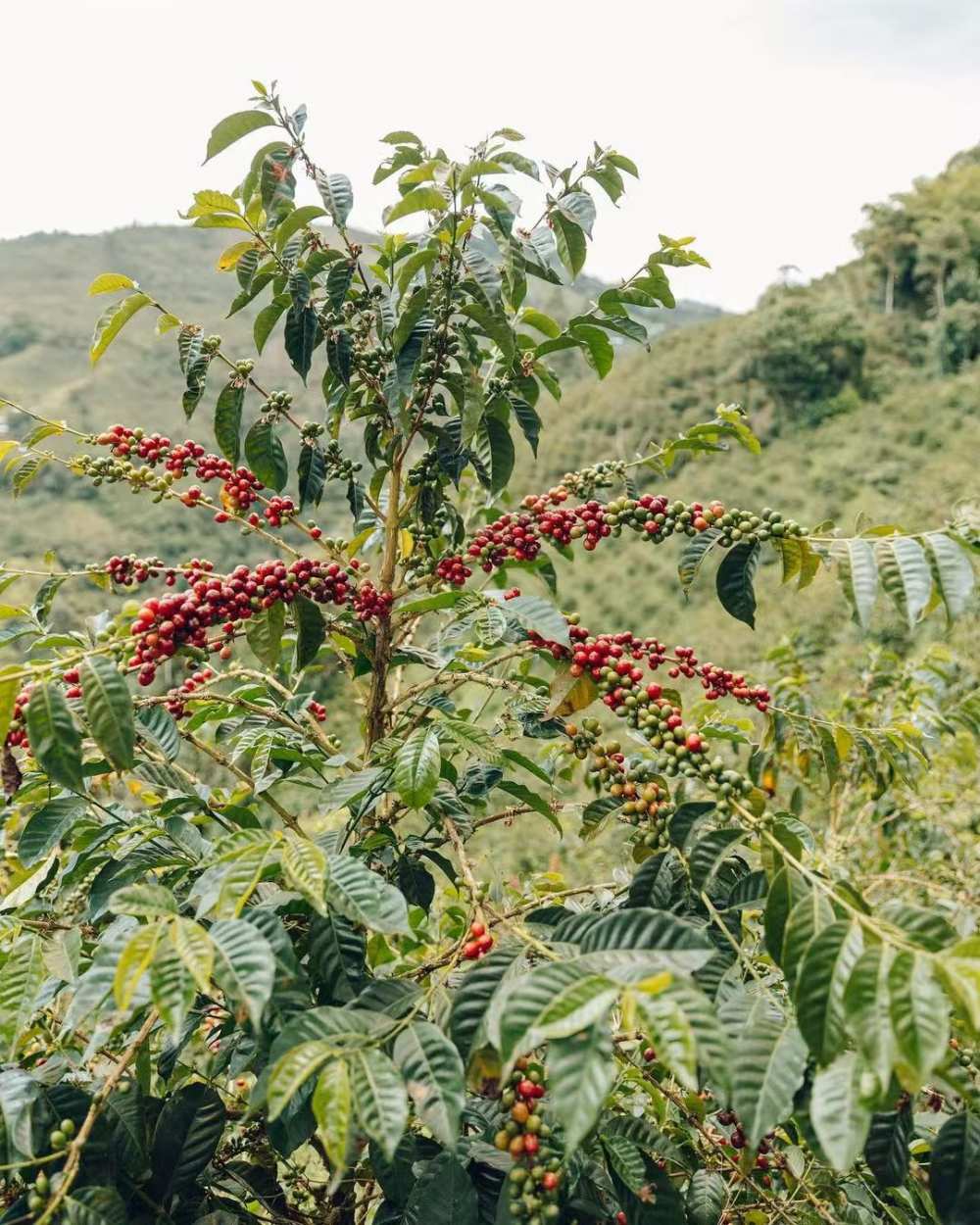
The reason Panamanian Geisha can deliver such exquisitely refined flavors is inseparable from its growing environment: high altitude, variable microclimates, and shaded cultivation force Geisha to continuously adapt and adjust its flavor expression, resulting in its unique layered complexity. In contrast, most Yunnan-grown Geisha is cultivated under full sun. Although Yunnan’s light intensity is slightly lower than Central and South America’s, and its altitude and diurnal temperature variation are smaller, making it relatively easier for Geisha to mature in such conditions, this also limits the complexity of its flavors.
When grown at lower altitudes, Geisha’s flavor tends to lean toward more straightforward plum-like acidity, berry-like sweet-tartness, and the mellow finish of nuts and brown sugar. Compared to the multi-layered fruitiness and tea-like nuances of Panamanian Geisha, the Yunnan version presents a more moderate and balanced profile.
To enhance the body and richness of Yunnan Geisha, many producers employ anaerobic fermentation methods paired with appropriate drying processes. Fermenting in a sterile, controlled environment can impart more complex fermented aromas and boost overall body, while sun-drying helps amplify sweetness. These post-harvest techniques have become essential tools for compensating for the limitations imposed by natural terroir.
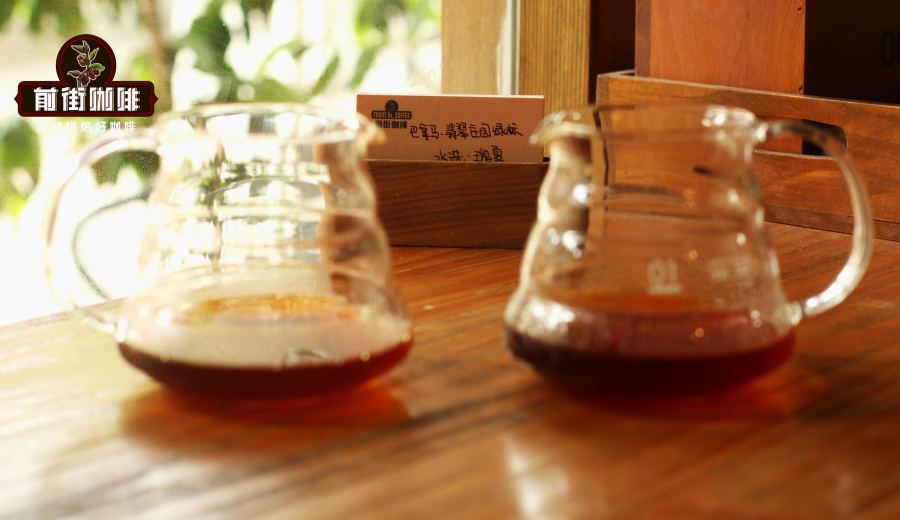
Based on cupping experiences at a certain coffee shop, Yunnan-grown Geisha typically exhibits pronounced plum-like acidity, paired with the fresh sweetness of red berries, a hint of black tea-like notes, and a nutty finish. Compared to the overt floral character of Panamanian Geisha, the fragrance of the Yunnan version is more subdued, with an overall flavor profile that leans toward balance and gentleness—making it well-suited for coffee lovers who prefer a smoother, milder cup.
The above content is compiled by CoffeeHunters, a coffee news website.


