







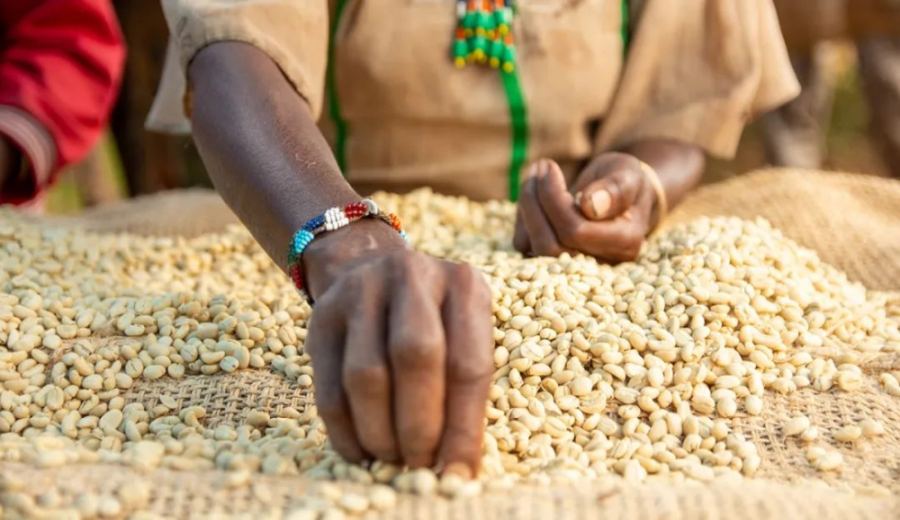
Introduction:Dive deep into the coffee charm of Ethiopia’s Sidamo region, from its geographical terroir to its nuanced flavors, with a comprehensive exploration of the renowned sub-regions of Guji and West Arsi. This article introduces you to the origin background, processing methods, roasting suggestions, and pour over parameters of two popular bean varieties—Huaca and Arsi—along with detailed flavor profiles and brewing tips, serving as a practical guide for coffee enthusiasts to savor Sidamo.
Ethiopia’s Sidamo region is celebrated for its diverse microclimates, rich soil types, and numerous native coffee varieties, making it one of the most representative regions in the global specialty coffee market. This area not only produces a multitude of uniquely flavored coffees but also, due to varying geographical conditions, gives each village and micro-region its own distinctive character. This article will focus on two major sub-regions of Sidamo—Guji and West Arsi—and take an in-depth look at two highly acclaimed coffee beans: Huaca and Arsi. From regional environments, processing techniques, roasting profiles to pour over recommendations, it offers a thorough reference for appreciation and brewing.
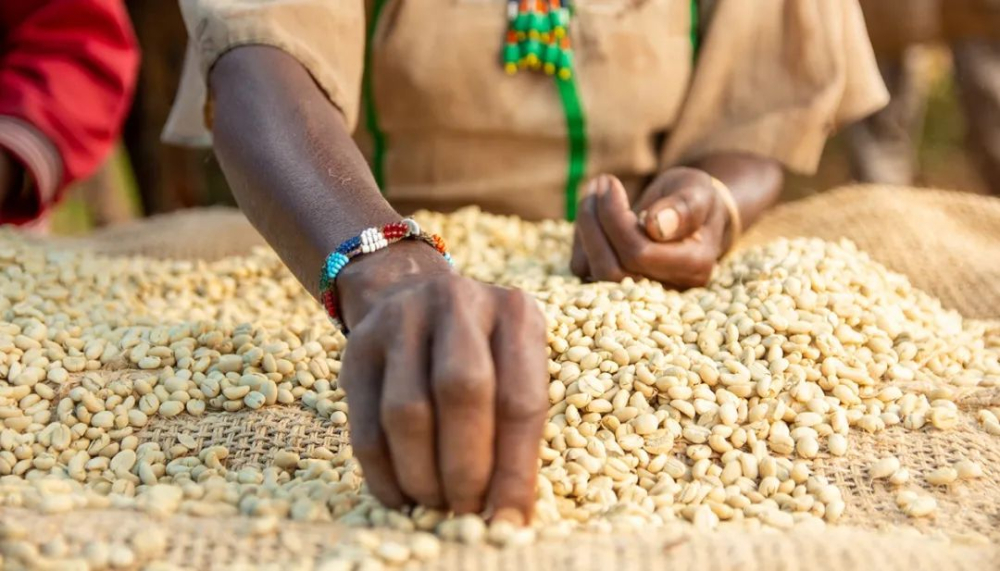
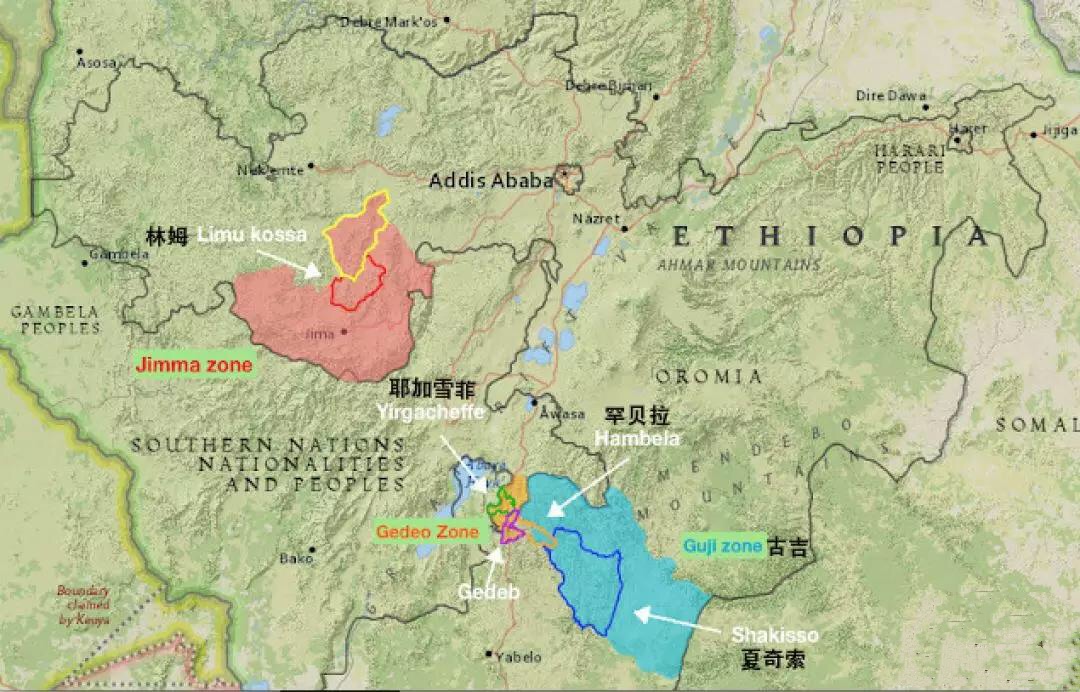
Sidamo is located in southern Ethiopia, featuring varied terrain that includes highlands, valleys, and plains, with cultivation altitudes generally ranging between 1,400 and 2,000 meters, situated in the plateau areas surrounding the East African Rift Valley. The reason this region’s coffee boasts such rich flavors lies not only in the slow maturation at high altitudes but also in the fertile black soils (such as the Vertisol commonly found in Guji), diverse microclimates, and numerous native coffee varieties that have not yet been commercially classified. As a result, even coffees produced in neighboring villages can exhibit distinctly different aroma and taste profiles.
It is worth mentioning that Sidamo once included what is now the independently recognized Yirgacheffe region, which was later separated due to its highly distinctive flavors. Meanwhile, with the market’s growing pursuit of refined regional flavors, Guji and West Arsi have gradually emerged as focal points for specialty coffee buyers and roasters. These two sub-regions not only feature higher altitudes but also predominantly employ traditional natural (sun-dried) processing methods, imparting intense fruity aromas and rich body—particularly appealing to coffee lovers who favor floral and fruity profiles.
The Guji region is situated southeast of Yirgacheffe, with terrain that encompasses high mountains, deep valleys, and expansive plains. It benefits from deep layers of black soil and significant day-night temperature variations, providing an ideal foundation for sugar accumulation and flavor development in coffee. Coffees from this region often exhibit bright acidity, intense blueberry or berry notes, along with a smooth body, and are frequently top performers in various coffee evaluation competitions.
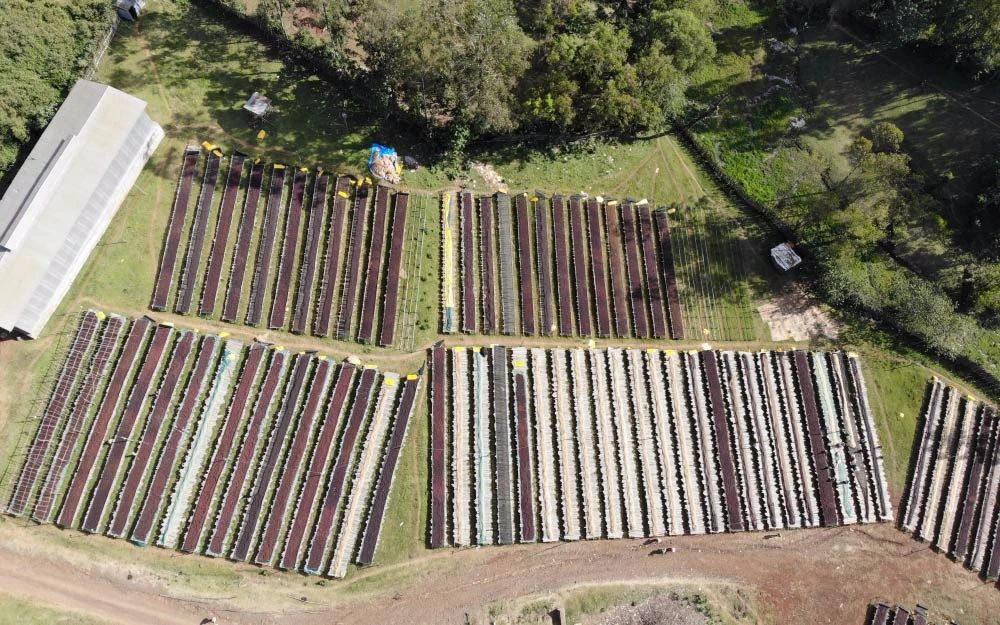
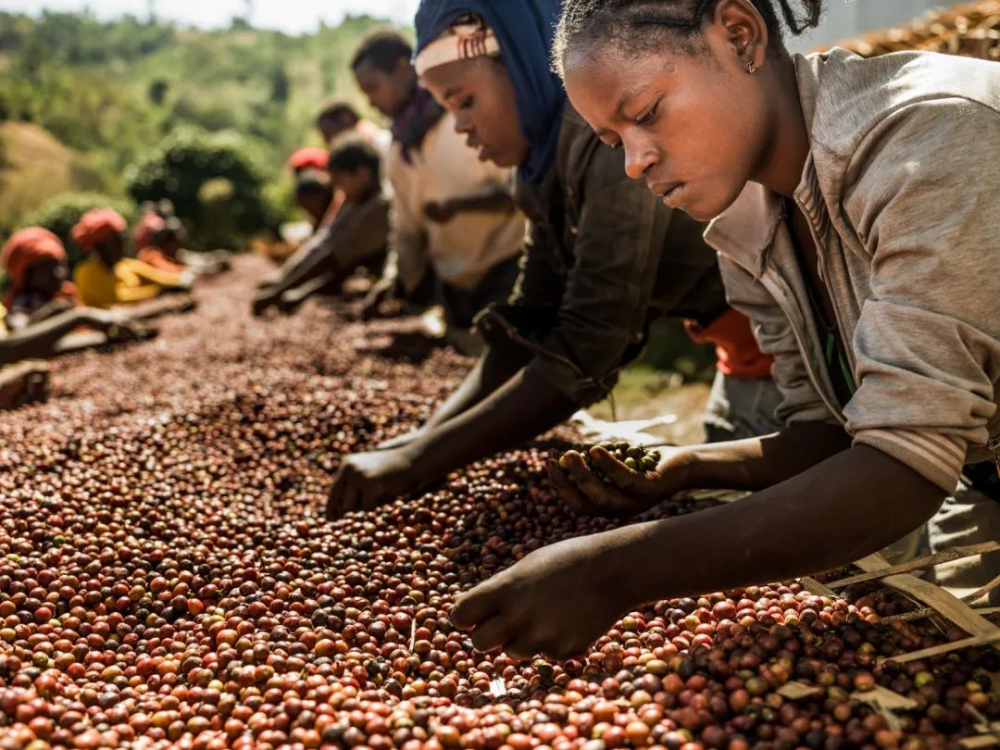
West Arsi, on the other hand, is located in western Sidamo, bordering Hararghe, with altitudes ranging approximately from 1,900 to 2,200 meters. It comprises three administrative zones: Arsi, Bale, and East Shewa, and its population is predominantly from branches of the Oromo ethnic group. Coffee farmers in this region are extremely meticulous during harvest, selecting only fully ripe red cherries and picking them by hand to ensure consistent ripeness. During processing, the red cherries are evenly spread on elevated wooden frames or raised beds to avoid ground contact, turned multiple times daily to ensure even drying, and regularly sorted to remove defective beans. The outcome is high-quality natural (sun-dried) coffee, often reaching G1 grade.
The Huaca coffee bean originates from Guji Hambella in the Guji region and first gained fame in 2017 by winning the Natural category championship at Ethiopia’s TOH (Tiny Organic Harvest) competition. Its flavor performance stunned the judges, propelling it to instant renown. The most memorable characteristics of this bean are its intense strawberry cream and passion fruit notes, coupled with bright acidity and a sweet aftertaste. The first batch of green beans imported in 2017 not only performed well in Chinese brewing competitions but also earned the nickname “Huaca” due to its unique flavor, quickly becoming a hot topic in the market.
Although subsequent releases such as Huaca 2.0, 3.0, and even 6.0 have retained the name, their flavor profiles vary slightly by harvest season. Take the 2024 Huaca 8.0, for example—this new-season bean is roasted to a medium-light level to preserve its delicate floral and fruity aromas and caramelized complexity. The dry fragrance offers a complex fruitiness of guava, jackfruit, apricot, and citrus, while hot water reveals a pronounced honey and berry sweetness. During sipping, one can perceive an interplay of dried mango, orange, and passion fruit acidity and sweetness, with a round and full mouthfeel that becomes even more reminiscent of peach and black tea-like gentle sweetness as the temperature cools slightly.
Another noteworthy variety is the Arsi from West Arsi, whose green beans are also processed using the natural method, but with an overall flavor profile leaning more towards a blend of berries, honey, and stone fruits. Coffee farmers in West Arsi are exceptionally careful during both harvest and processing—not only selecting only fully ripe red cherries but also frequently turning and sorting the cherries during sun drying to ensure even moisture evaporation for every bean, ultimately achieving high-quality G1 grade.
This Arsi coffee, when brewed using pour over, showcases intense berry aromas blended with the sweetness of honey and the fleshiness of nectarine and mango, delivering an overall juice-like vibrancy. Its bright acidity and rich juiciness make it highly suitable for coffee drinkers who enjoy distinct fruit flavors and layered complexity.
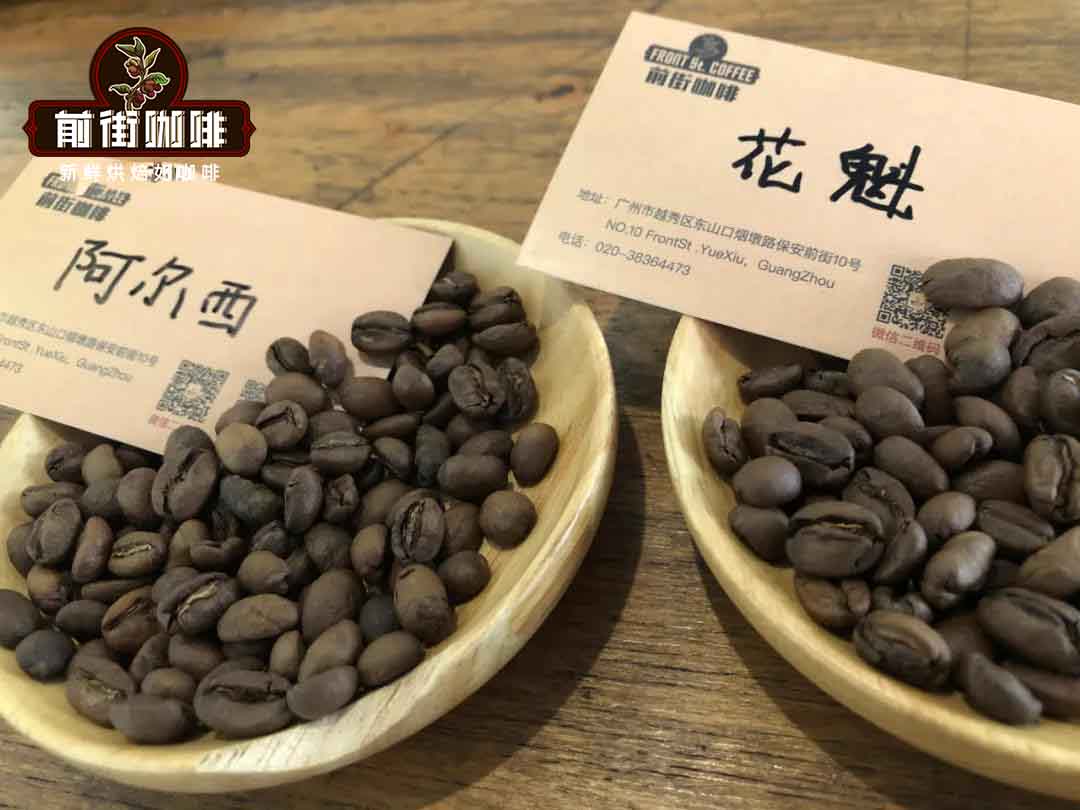
For roasting recommendations, in order to fully express the delicate floral and fruity characteristics of Sidamo coffee, a light to medium-light roast is advised, with a focus on evenly heating both the bean surface and core to preserve the vibrancy of acidity and aroma. Taking Huaca 5.0 as an example, it is recommended to use a Yangjia 800N machine, with a charge weight of 480g, a charge temperature of 175°C, a fan setting of 3, and a heat setting of 120. The first crack development time should be maintained around 1 minute and 40 seconds, with a drop temperature of about 196°C, to fully highlight the citrus, mango, and honey aroma layers. For Arsi, the charge temperature can be slightly lowered to 160°C, with the first crack starting around 9 minutes and 08 seconds, and the development time shortened to 1 minute, to enhance its berry and stone fruit expression.
For pour over recommendations, a V60 #01 filter cone can be used, with 15 grams of coffee grounds, a 1:15 coffee-to-water ratio, and a grind size of about EK43s scale 10 (granulated sugar size, approximately 80% passing through a #20 sieve). Begin with a 30-second bloom using 30 grams of water, then pour 95 grams of water. When the water level drops to two-thirds of the coffee bed, add another 100 grams of water, keeping the total brew time around 2 minutes and 10 seconds. These parameters help balance sweetness and acidity, accentuate fruitiness, and bring out the coffee’s rich body.
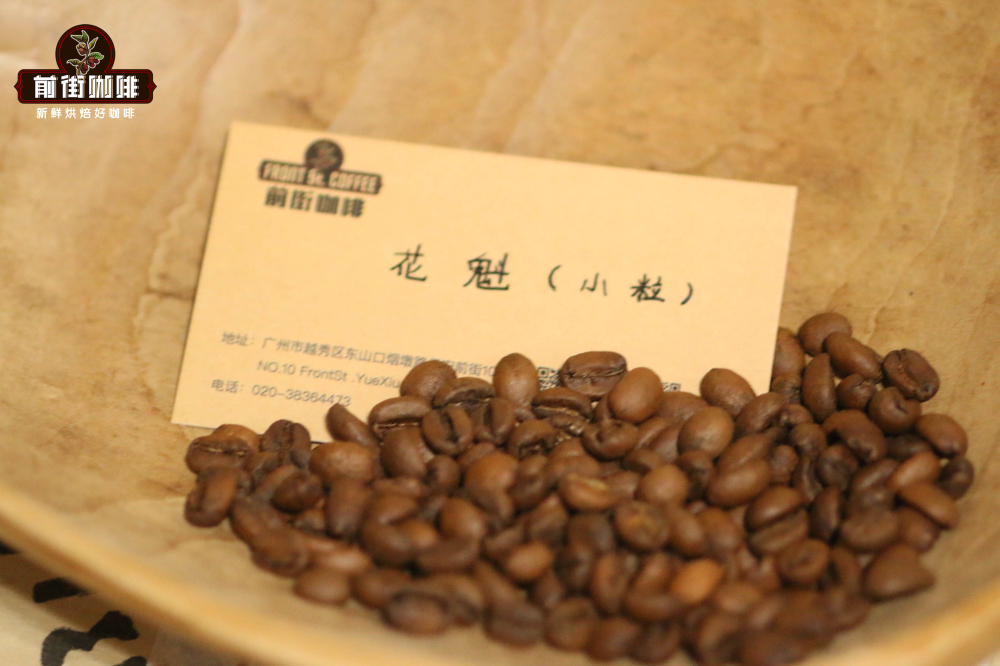
In summary, the Sidamo region, with its diverse microclimates and refined processing techniques, has given rise to two remarkably distinct yet equally outstanding coffee beans: Huaca and Arsi. Whether you prefer bright acidity and floral-fruity notes or rich juice-like body and stone fruit character, these two beans offer unique taste experiences. With appropriate roasting and precise brewing parameters, their full potential can be unlocked—making them must-try selections for every coffee enthusiast.
The above content is compiled by CoffeeHunters, a coffee news website.


