







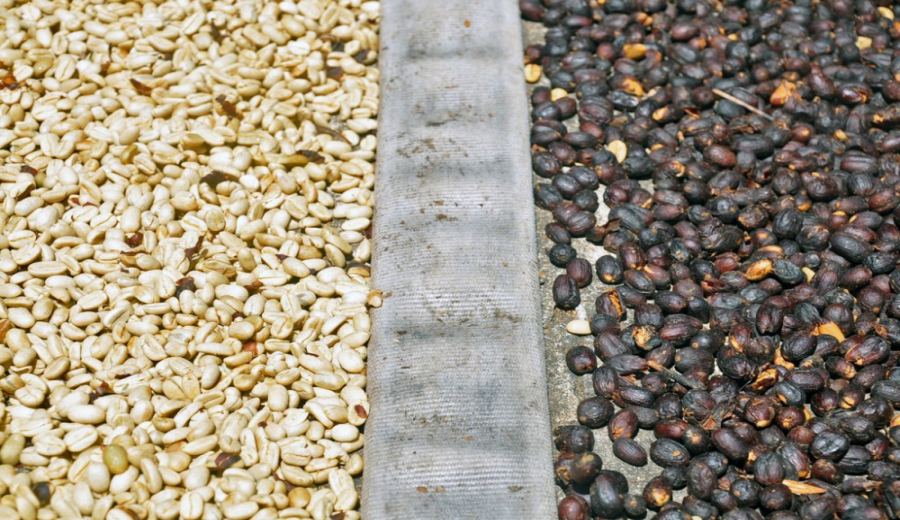
Introduction:As a core producing region of specialty coffee in Ethiopia, Yirgacheffe is renowned for its diverse processing methods and unique flavor profiles. This article delves into the Red Cherry Honey-processed Yirgacheffe from the Hafursa Cooperative, analyzing its regional geography, processing techniques, and grade standards, while also detailing how honey processing influences the coffee’s flavor profile. It also provides professional pour over parameters and real-world flavor experiences to help coffee enthusiasts gain a deeper understanding of this classic bean variety that boasts clean acidity and sweet layers.
Yirgacheffe has long been an irreplaceable name among specialty coffee lovers. Whether it's the refreshing washed process or the rich natural process, both showcase the region's unique terroir. However, beyond these two mainstream methods, honey processing is gradually gaining attention. It combines the clarity of washed coffee with the sweetness of natural coffee, creating a unique sense of balance. This article focuses on the Red Cherry Honey-processed Yirgacheffe produced by the Hafursa Cooperative, taking you on a comprehensive journey through this representative coffee bean — from the regional environment and processing details to actual brewing performance.
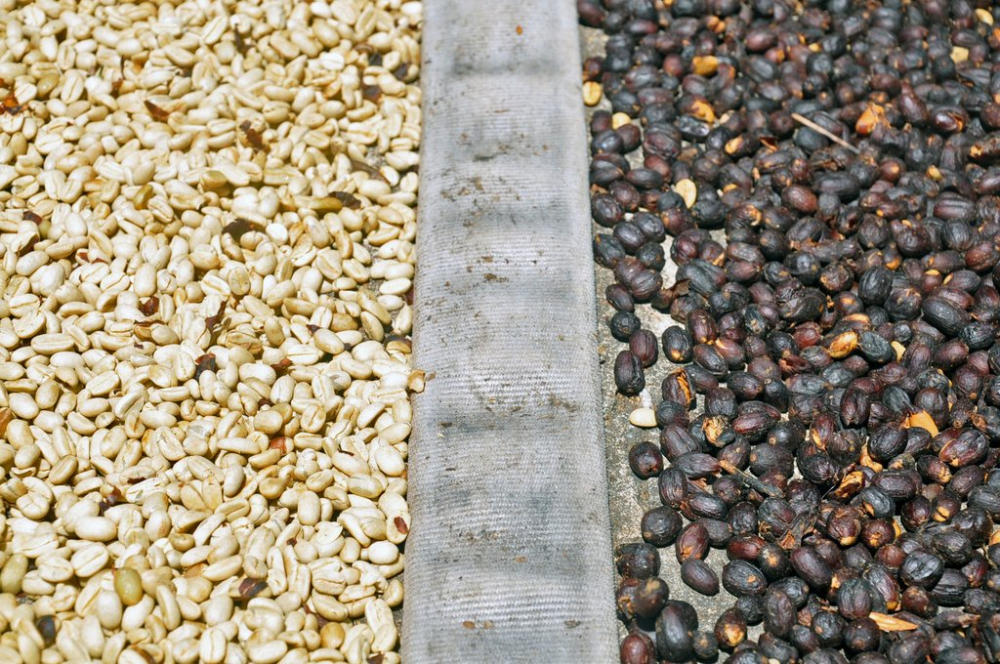
For those new to Yirgacheffe, common entry-level options such as the washed Guji Dhidhito and the natural Red Cherry represent distinct styles: one bright and clear, the other rich in fruity aroma. The washed Guji Dhidhito is dried after removing the skin and pulp, exhibiting fresh notes like jasmine, citrus, green tea, grapefruit, and pears. In contrast, the natural Red Cherry is dried with the entire fruit intact, allowing the beans to absorb more fruity aromas, resulting in a rich profile of berries, peaches, sweet oranges, and black tea. It offers a round mouthfeel and a long-lasting aftertaste.
In comparison, honey processing offers another flavor experience. Take the Red Cherry Honey-processed Yirgacheffe from the Hafursa Cooperative as an example — it showcases delicate acidity with a sweet, citrus-like sensation. It feels smooth on the palate, and the aftertaste reveals a caramel-like sweetness accompanied by a subtle almond aroma. The overall profile is balanced and impressive. This processing method is ideal for coffee lovers seeking a combination of cleanliness and sweetness.
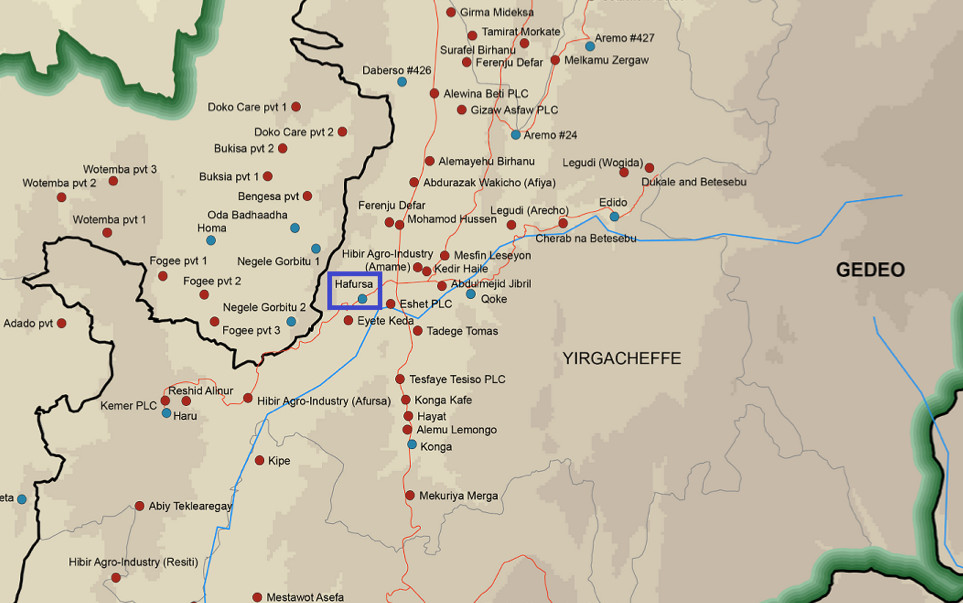
The name Hafursa originally referred to a small village in Ethiopia, the smallest administrative unit in the region. This village is located not far west of the town of Yirgacheffe and can be reached by walking westward along the town road for a short time. The Hafursa Cooperative was established in 1975 and was one of the early participants in the local cooperative movement. The coffee cherries used by the cooperative mainly come from two major regions: the sloping areas around Hafursa Village to the west of the processing facility, at altitudes ranging from 1850 to 2100 meters; and the slopes near Konga Village to the south of the processing facility, at elevations of about 1870 to 2000 meters. These two areas not only benefit from high altitudes but also have slopes that are favorable for sunlight exposure and drainage, laying a solid foundation for the quality of the green coffee beans.
In 2013, the Hafursa Cooperative officially joined the Yirgacheffe Coffee Farmers Cooperative Union (YCFCU) and obtained dual certifications for “organic” and “fair trade.” The cooperative is committed to working with local smallholder farmers, adopting shaded cultivation methods where coffee trees are interplanted with bananas and other crops. It relies on manual harvesting and organic fertilizers, managing pests and diseases naturally. This approach preserves ecological diversity while ensuring the coffee’s flavors are purer and more natural. In the same year, the cooperative’s coffee beans received a remarkable score of 95 from Coffee Review, praised for their rich layers, smooth mouthfeel, honey-like sweetness, silky acidity, full aftertaste, and aromatic notes of almond and caramel.
So, what exactly is honey processing? Simply put, it is a method where, after removing the outer skin of the coffee fruit, the sticky mucilage layer is retained and dried in the sun. Unlike the traditional washed method, which removes all the mucilage, honey processing chooses to preserve this viscous substance. By controlling the amount of mucilage retained, the drying time, the thickness of the spread, and the frequency of turning, it is further subdivided into various types such as black honey, red honey, orange honey, yellow honey, and white honey. This technique retains the clean taste brought by the washed method while imparting richer sweetness and a caramel-like aftertaste due to the fermentation of the mucilage and the sun-drying process.
The Ethiopian Yirgacheffe Hafursa Red Cherry introduced in this article is a representative of honey processing. This coffee bean comes from the Yirgacheffe Hafursa region, is of local native variety, processed via honey processing, grown at an altitude of approximately 1940 meters, and is graded as G1 — representing top-tier quality within specialty coffee.
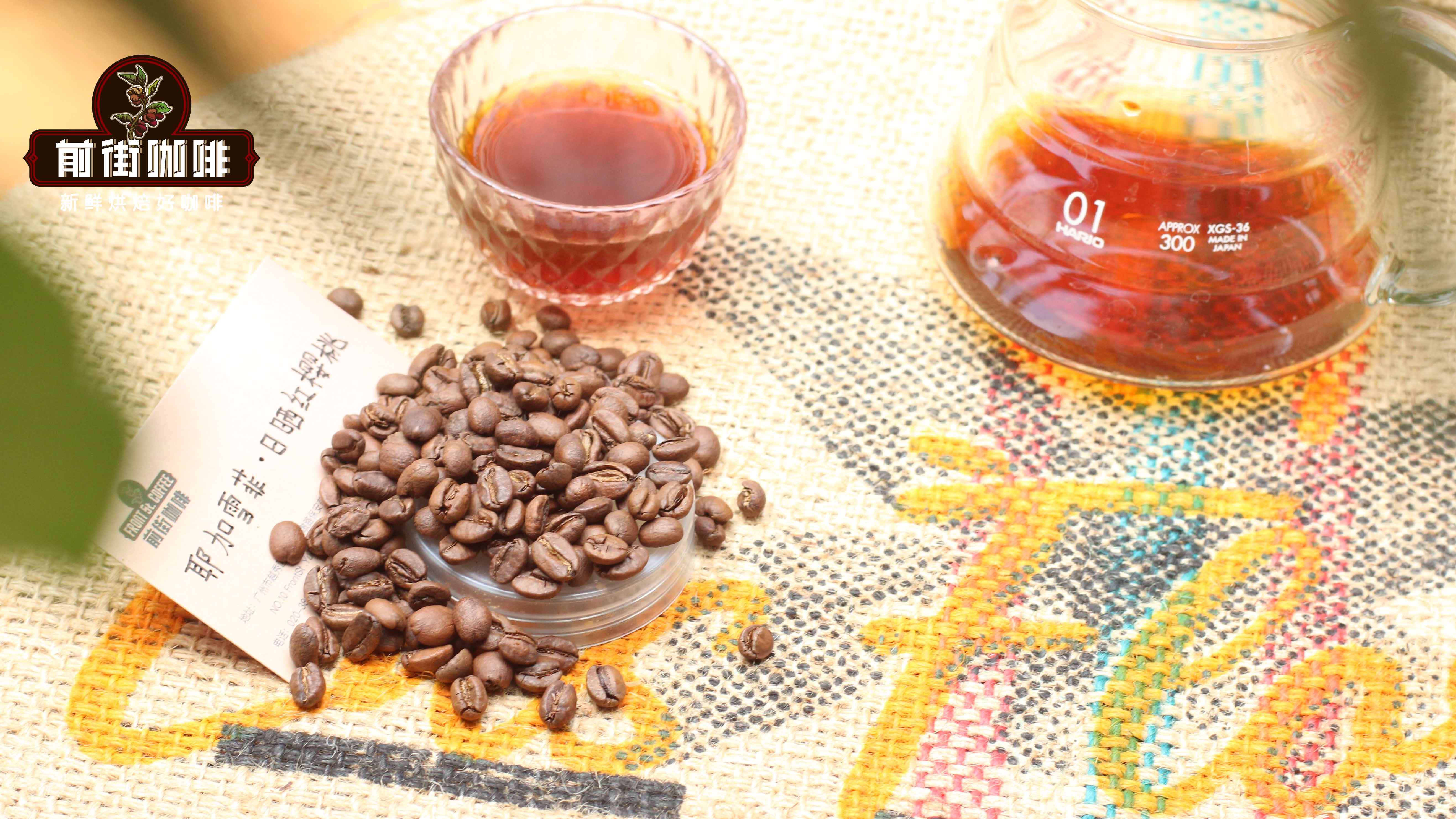
Recommended pour over parameters are as follows: use 15 grams of coffee grounds, with a brew ratio of 1:15, water temperature controlled at 90°C, and a grind size recommended as BG #6S (equivalent to medium-fine, roughly the coarseness of fine sugar). It is suggested to use a Hario V60 #01 filter dripper. The specific steps are: first pour 30 grams of water for blooming for about 30 seconds; second, pour 95 grams of water (total around 125 grams) within about 1 minute; third, pour another 100 grams of water (total around 225 grams) within about 1 minute and 40 seconds. The total extraction time should be controlled within 2 minutes and 10 seconds, after which the dripper is removed to complete the brew.
Upon actual tasting, this coffee exhibits clear citrus notes, accompanied by soft almond aromas and distinct honey sweetness. The finish leaves a warm, caramel-like aftertaste. The overall flavor profile is well-layered, making it suitable for coffee lovers who enjoy a balance of acidity and sweetness with a clean mouthfeel.
The above content is compiled by CoffeeHunters, a coffee news website.


