







Introduction:As an important origin of specialty coffee in East Africa, Tanzania is renowned for its coffee's soft acidity, red wine aroma, and pronounced sweetness. This article delves into the geographical characteristics and harvest seasons of Tanzania’s three major producing regions, reviews the historical background of the Bourbon and Kent varieties, and details the bean grading system and washed processing methods similar to those of Kenya. It also provides practical brewing suggestions and cupping references to help you fully appreciate the unique charm of this “coffee gentleman.”
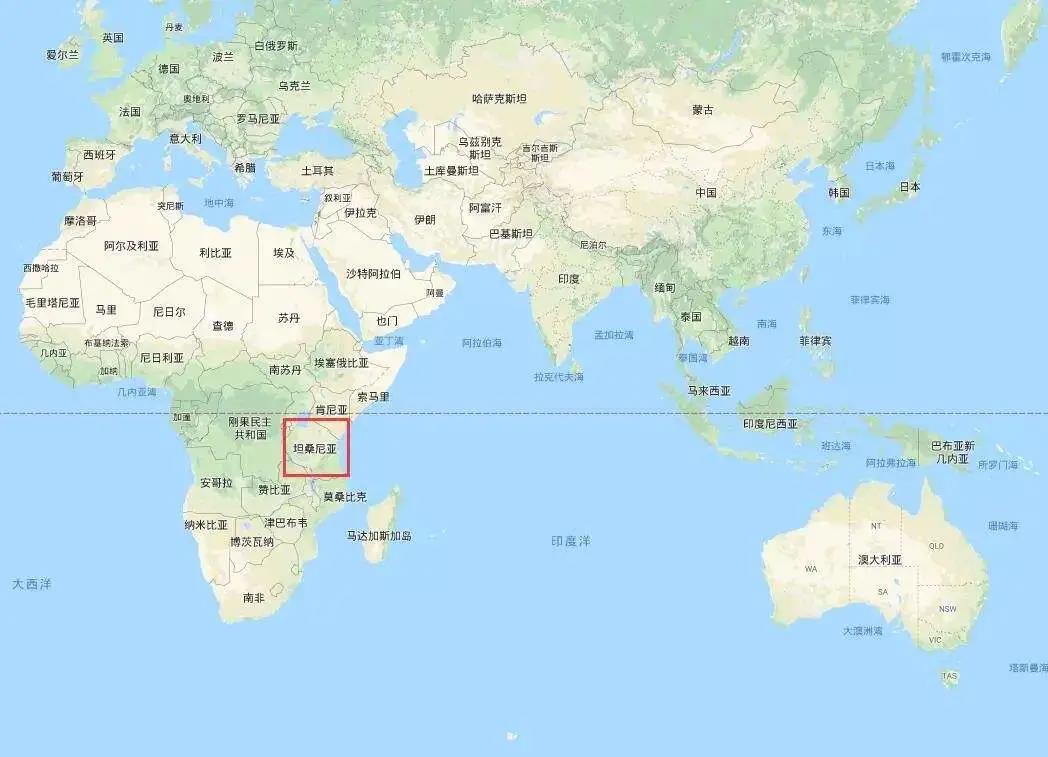
Tanzania is located in East Africa and boasts advantageous altitude and climate conditions, making it one of the key representatives of specialty coffee in the region. Tanzanian coffee is particularly known for its washed processing method, typically exhibiting bright acidity and rich aromatic layers. Among these, coffee from the Kilimanjaro region is the most famous, with its flavor profile hailed as that of a “coffee gentleman”—characterized by soft acidity, prominent red wine aromas, and a notable sweetness, forming an interesting contrast to the sharp acidity typical of neighboring Kenya.
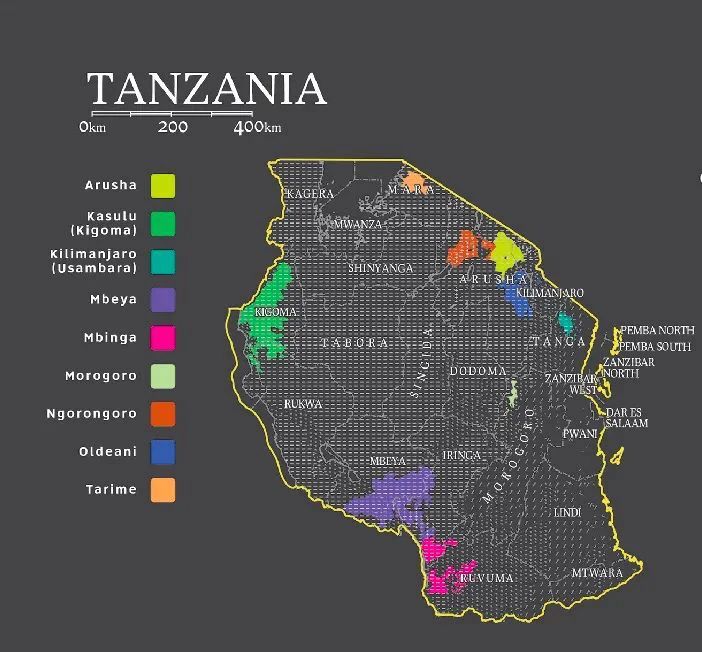
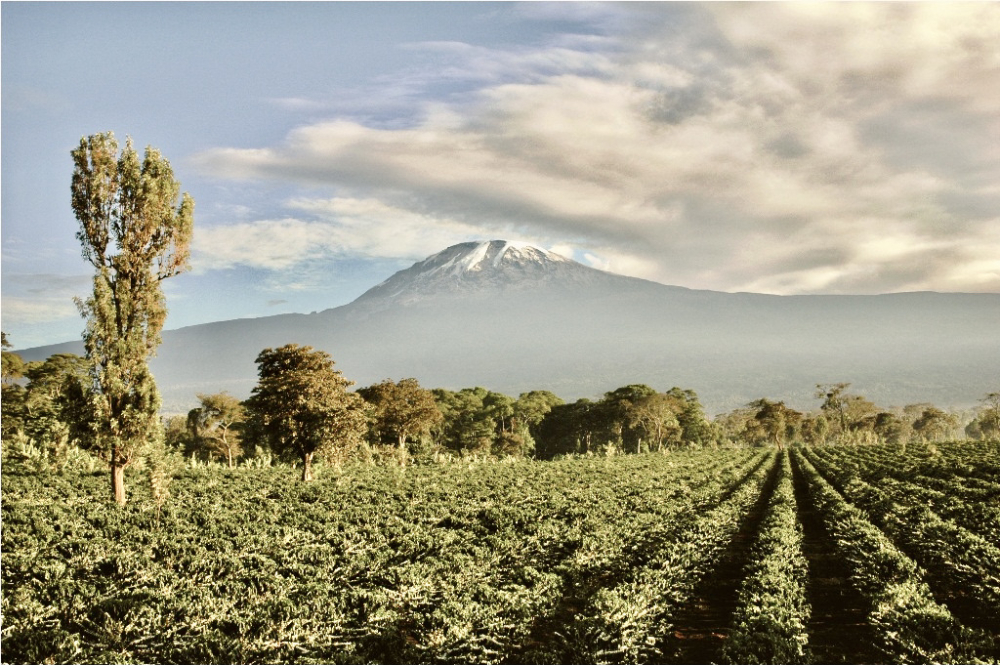
Tanzania’s coffee-growing areas are mainly concentrated in the northern and southern parts of the country, with Kilimanjaro, Ruvuma, and Mbeya being the three core regions. Kilimanjaro is not only Tanzania’s oldest and most internationally recognized Arabica-producing area, but also benefits from volcanic soils rich in minerals due to its proximity to Africa’s highest peak. With altitudes mostly ranging between 1,050 and 2,500 meters, this region produces coffee with unique flavor characteristics. The harvest season here runs from July to December each year. Although some coffee trees, due to their older age, have impacted yields, relatively well-developed infrastructure still helps maintain quality stability.
Located in the southernmost part of Tanzania, the Ruvuma region is named after the Ruvuma River, with coffee plantations primarily concentrated around Mbingo. Although not as widely known as Kilimanjaro, this region is considered to have potential as a high-quality coffee origin due to its altitude of about 1,200 to 1,800 meters and a harvest period from June to October. The southern region mainly centers around Mbeya City, which is not only a significant coffee-producing area but also abundant in tea, cocoa, and spices. With altitudes ranging from about 1,200 to 2,000 meters and a harvest season also from June to October, it has in recent years attracted attention from various certification bodies and non-governmental organizations dedicated to improving the overall quality and international image of local coffee.
The history of coffee varieties in Tanzania dates back to 1898, when the Bourbon variety was introduced to the Kilimanjaro region by Catholic missionaries. Subsequently, in 1920, the Kent variety was also introduced. To this day, Bourbon and Kent remain the main coffee varieties cultivated in Tanzania. The Bourbon variety is known for its small, round fruit and high flesh density, typically displaying bright acidity and high sweetness. While its yield is about 20% to 30% higher than that of Typica, it is still considered a low-yield variety and is susceptible to leaf rust. The Kent variety is a hybrid derived from Typica in India, offering good disease resistance and higher yield performance, making it a stable income choice for many coffee farmers.
In terms of coffee bean grading, Tanzania uses the same standards as its neighbor Kenya, primarily classifying beans by size. During processing, green beans are passed through sieves with fixed apertures—the larger the sieve number, the larger the bean size. Among them, AA grade is the highest, with bean sizes between 17 and 18 mesh (approximately 7.20 mm sieve); AB grade is slightly smaller, at 15 to 16 mesh (approximately 6.8 to 6.2 mm); PB grade consists of round beans, accounting for about 10% of the total; and C grade is even smaller, at 12 to 14 mesh (4.8 to 5.6 mm). This grading method helps consumers make preliminary judgments about the quality and potential flavor profile of the coffee beans.
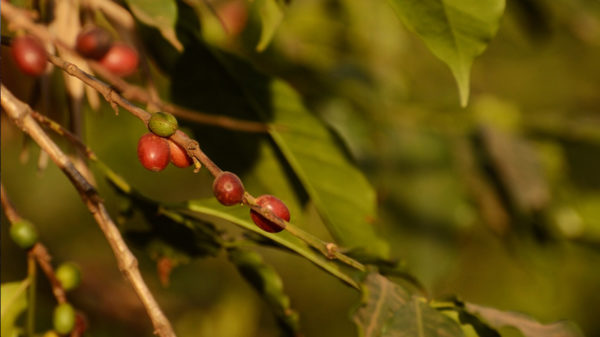
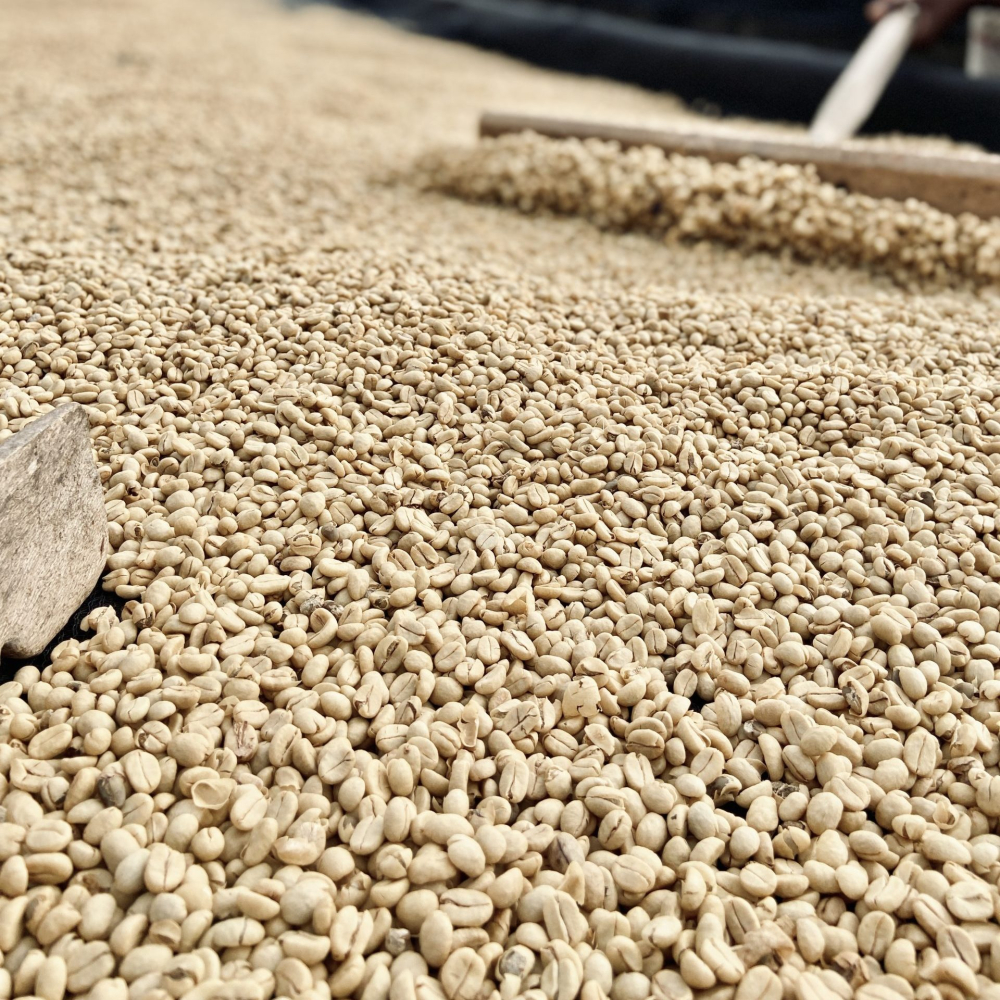
Most Tanzanian coffee is processed using the washed method, which effectively highlights the coffee’s cleanliness and acidity. The processing procedure includes: first removing impurities, then stripping the coffee pulp and outer skin, followed by placing the mucilage-covered beans into fermentation tanks where fermentation removes the pulp layer on the inner skin, and finally thoroughly washing and drying the beans. Washed processing not only preserves the original flavor characteristics of the coffee but also enhances the clarity and layering of its overall flavor.
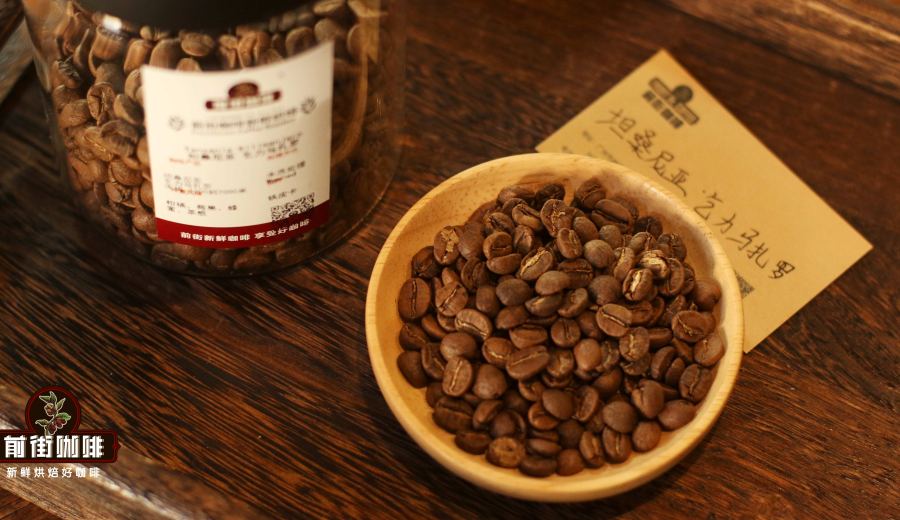
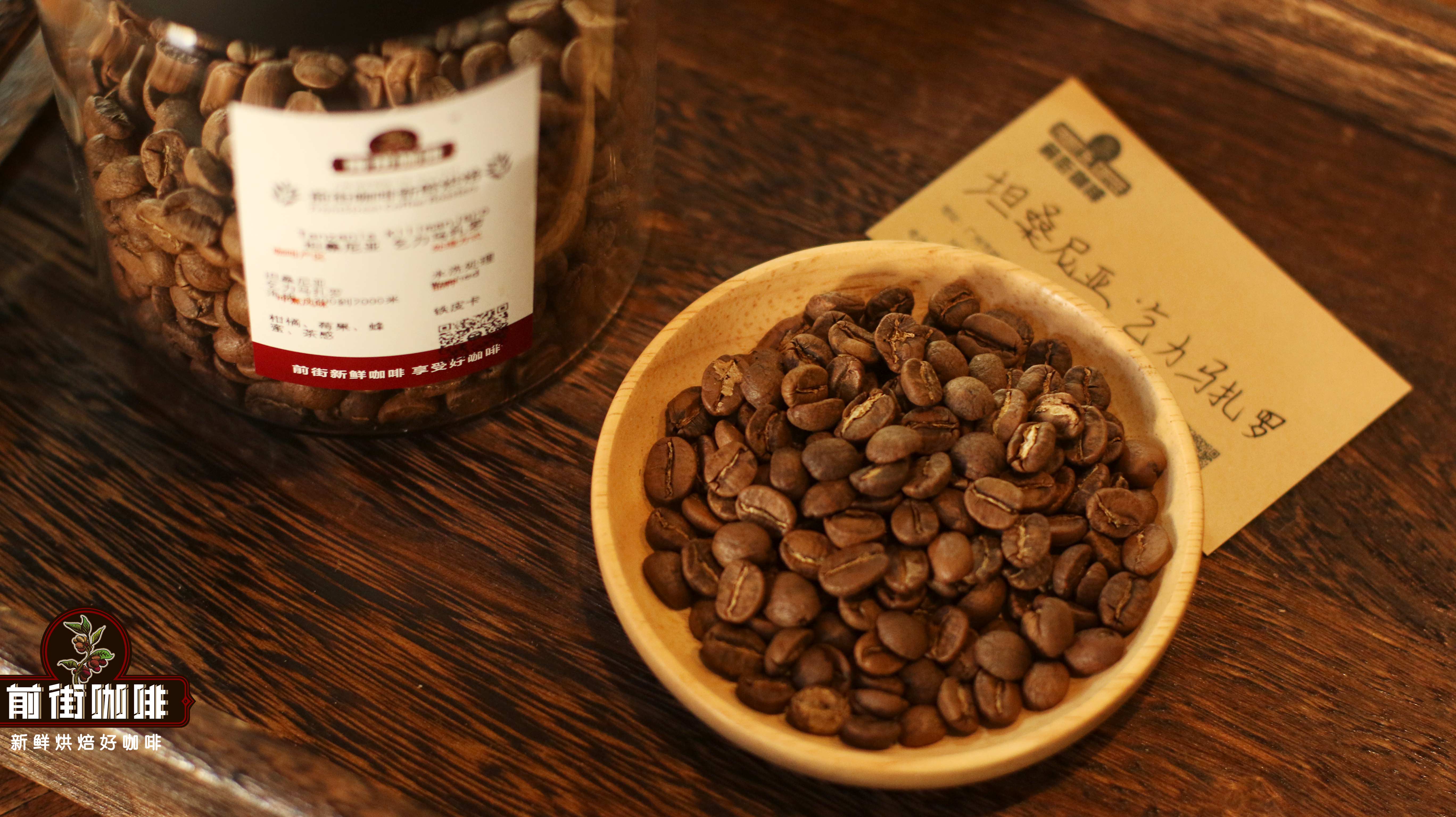
Take the AA-grade washed coffee from the northern highlands of Tanzania’s Kilimanjaro volcanic region as an example—it is of the Bourbon variety, grown at altitudes between 1,300 and 2,000 meters, and nurtured by volcanic ash soil, giving it a unique flavor profile. These coffee beans are large and uniform in size, appearing gray-green in color, with pronounced acidic and sweet notes, making them ideal for medium-light roasts. Medium-light roasting can enhance its bright citrus and berry flavors while bringing out a soft tea-like sensation and a honeyed finish.
In terms of brewing recommendations, using a V60 filter, 15 grams of coffee grounds, a 1:15 coffee-to-water ratio, water temperature controlled at 91°C, and a grind size passing 80% through a 20-mesh sieve is a practical and easy-to-operate parameter set. Specifically, start by pouring 30 grams of water for a 30-second bloom. After the bloom, continue pouring in a circular motion up to 125 grams, then when the water level drops to about half, pour another 225 grams in a circular motion, with a total extraction time of about 2 minutes. This method helps fully showcase the delicate flavors of Kilimanjaro coffee, such as citrus, berries, tea, and honey.
Cupping results show that this coffee presents caramel and berry aromas in the dry stage, while the wet aroma exhibits distinct floral and berry notes. Upon tasting, citrus and berry flavors emerge first, followed by a soft tea-like sensation and moderate sweetness, with the finish revealing delicate aftertastes of honey and nuts. Whether as a daily brew or a pour-over experience focused on flavor exploration, Tanzanian Kilimanjaro AA-grade washed coffee offers a rich and balanced sensory enjoyment.

The above content is compiled by CoffeeHunters, a coffee news website.


