







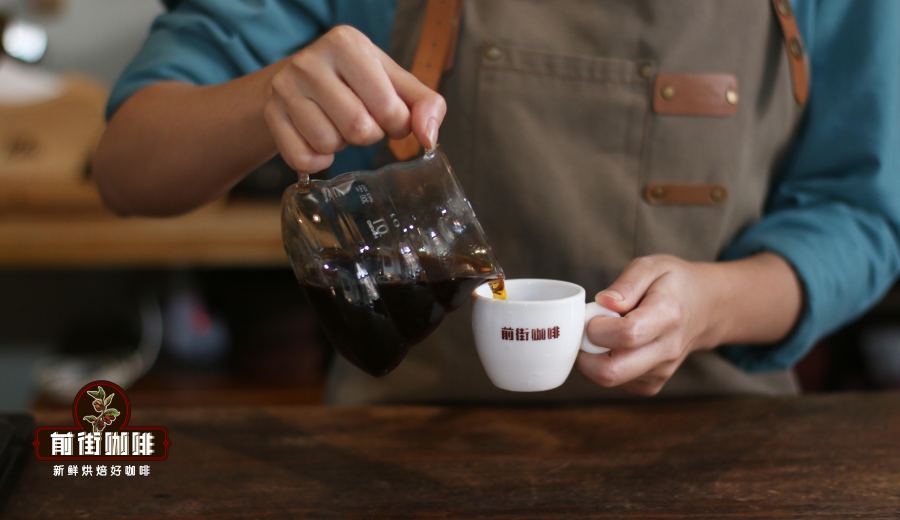
Introduction:Indonesia's Sumatran Golden Mandheling is renowned for its rich, full-bodied flavor and pronounced sweetness, making it a classic favorite among many coffee enthusiasts. This article will delve into this PWN Golden Mandheling from the Gayo Highlands of Aceh, covering its growing region, varietal characteristics, wet-hulling processing method, as well as roasting and pour-over brewing recommendations—helping you fully grasp the essence of this dark roast specialty bean and its brewing secrets.
Sumatran Mandheling coffee has long been known for its bold and heavy mouthfeel, often leaving an impression of being “bitter and astringent.” However, when the body reaches an ideal level, it can surprisingly yield delightful sweetness and a lingering aftertaste—this is precisely the charm of Golden Mandheling. Sourced from the highlands of Gayo in Aceh Province, this classic dark roast bean not only boasts clear layers but also presents unique spicy and nutty notes, serving as an entry point for many newcomers to rediscover what “body” truly means.
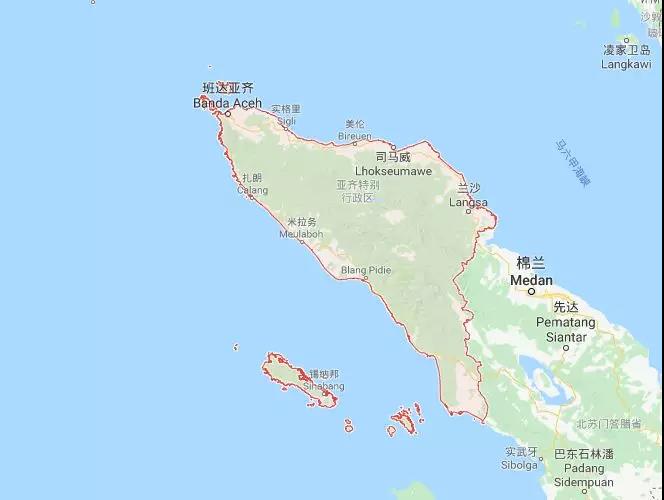
Golden Mandheling originates from Aceh Province in northern Sumatra, Indonesia, and is carefully selected from smallholder farms in the Gayo Highlands. The average elevation in this area ranges from about 1110 to 1600 meters, with coffee trees mostly grown under shaded conditions. Combined with the wet-hulling process, it delivers a deep yet vibrant, full-bodied flavor. Notably, the Aceh region has long been politically sensitive and thus less frequented by tourists, which has helped preserve its traditional and pure production methods.
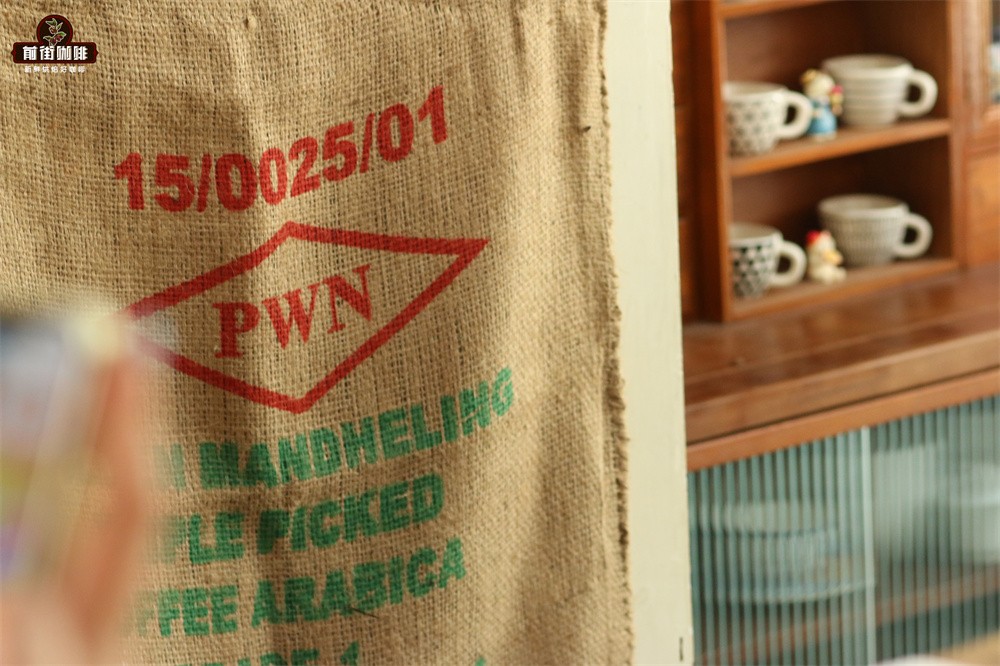
The name “Golden Mandheling” does not refer to all bold-flavored Mandhelings, but is a proprietary term of Indonesia’s well-known coffee trading company, Pawani Coffee Company (abbreviated as PWN). PWN is responsible for carefully selecting green coffee beans from surrounding producing areas, subjecting them to three rounds of manual sorting and one mechanical grading to ensure uniform bean size and intact appearance. As a result, the final Golden Mandheling not only has an extremely low defect rate but also exhibits clearer and purer flavor profiles after roasting.
In the market, some merchants may label large, good-looking Indonesian beans as “Golden Mandheling,” but in truth, only those produced by PWN and bearing the trademark certification are the genuine article. This is also why, despite limited production, counterfeit products are still common. Authentic PWN Golden Mandheling features brand logos and certification marks on its jute sacks, and every green bean is of premium 18+ mesh specification.
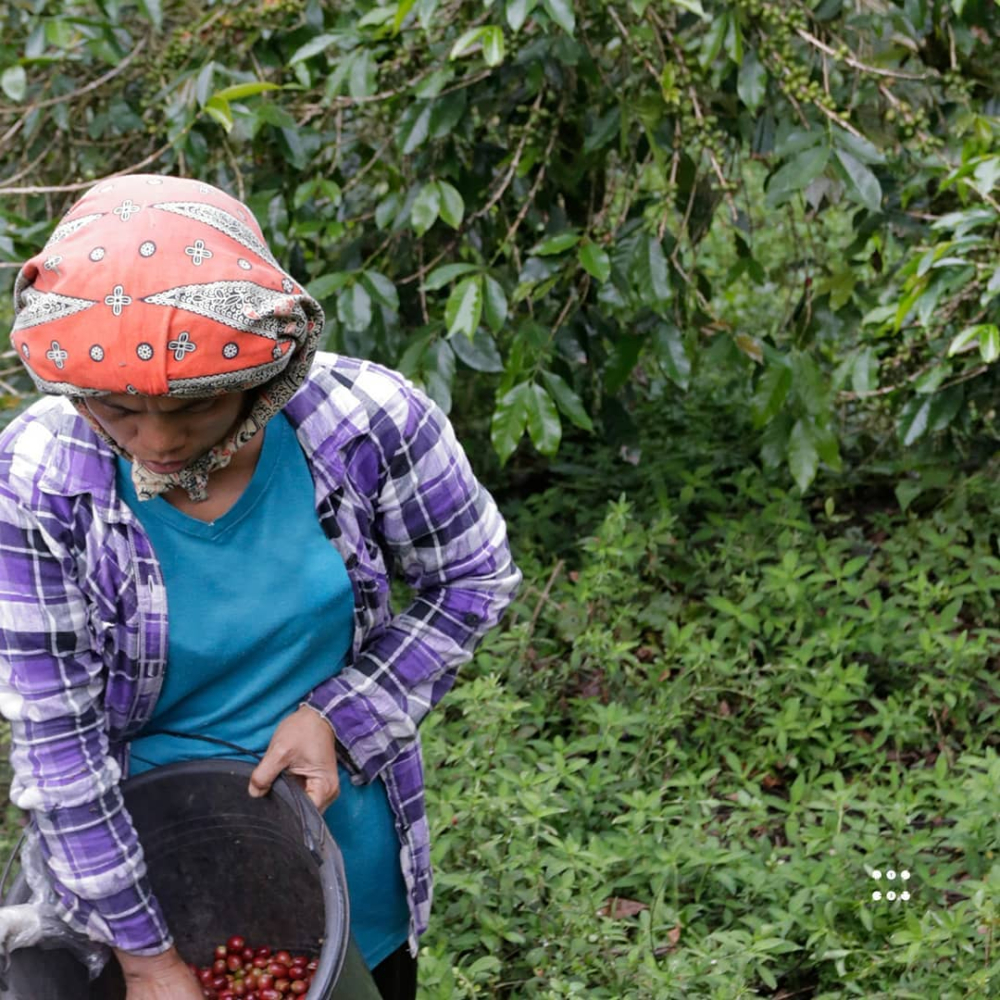
A well-known coffee brand’s imported batch of PWN Golden Mandheling not only features a dark green color and neatly shaped flat beans on the outside, but its quality has also undergone strict quality control. Cupping results show that these beans, having undergone PWN’s triple manual selection, are completely free of the earthy or off-flavors commonly found in typical Mandhelings, offering a clean and bright taste with particularly outstanding sweetness. Additionally, this coffee bean is of the Ateng variety, which is actually a local variant of Catimor (a hybrid of Arabica and Robusta), widely planted across various Indonesian islands.
In terms of processing methods, due to economic conditions and infrastructure limitations in the Gayo Highlands, the distinctive local wet-hulling method (Giling Basah) is commonly used. This involves removing the parchment layer when the moisture content is around 20–24%, after water fermentation and initial drying, followed by sun drying. While this approach significantly shortens the processing time, it can also increase the defect rate. However, PWN’s rigorously selected Golden Mandheling maintains a defect rate below three beans per 300 grams, qualifying it as top-grade G1, with deep green beans and neat appearance, fully reflecting the quality expected of specialty coffee.
For this dark-roasted Golden Mandheling, it is recommended to use a stable temperature curve to control bean development during roasting. Specific recommendations are: set the roaster inlet temperature at 200°C, with the air damper open to 3; about 1 minute later, reduce the heat to 160°C while keeping the air damper unchanged. When roasting reaches 5 minutes and 40 seconds, with the bean temperature at approximately 148°C, the bean surface turns yellow and the grassy aroma completely dissipates, indicating the end of the drying phase. Then adjust the heat to 140°C and increase the air damper to 4. Around 9 minutes and 40 seconds, when the bean surface shows obvious wrinkles and dark spots, and the aroma transitions from toasted bread to rich coffee, it marks the critical stage just before first crack. Upon hearing the first crack (around 9 minutes and 54 seconds), immediately reduce the heat to 60°C and fully open the air damper, finally dropping the beans at 204.5°C to lock in the rich caramel and nutty aromas.
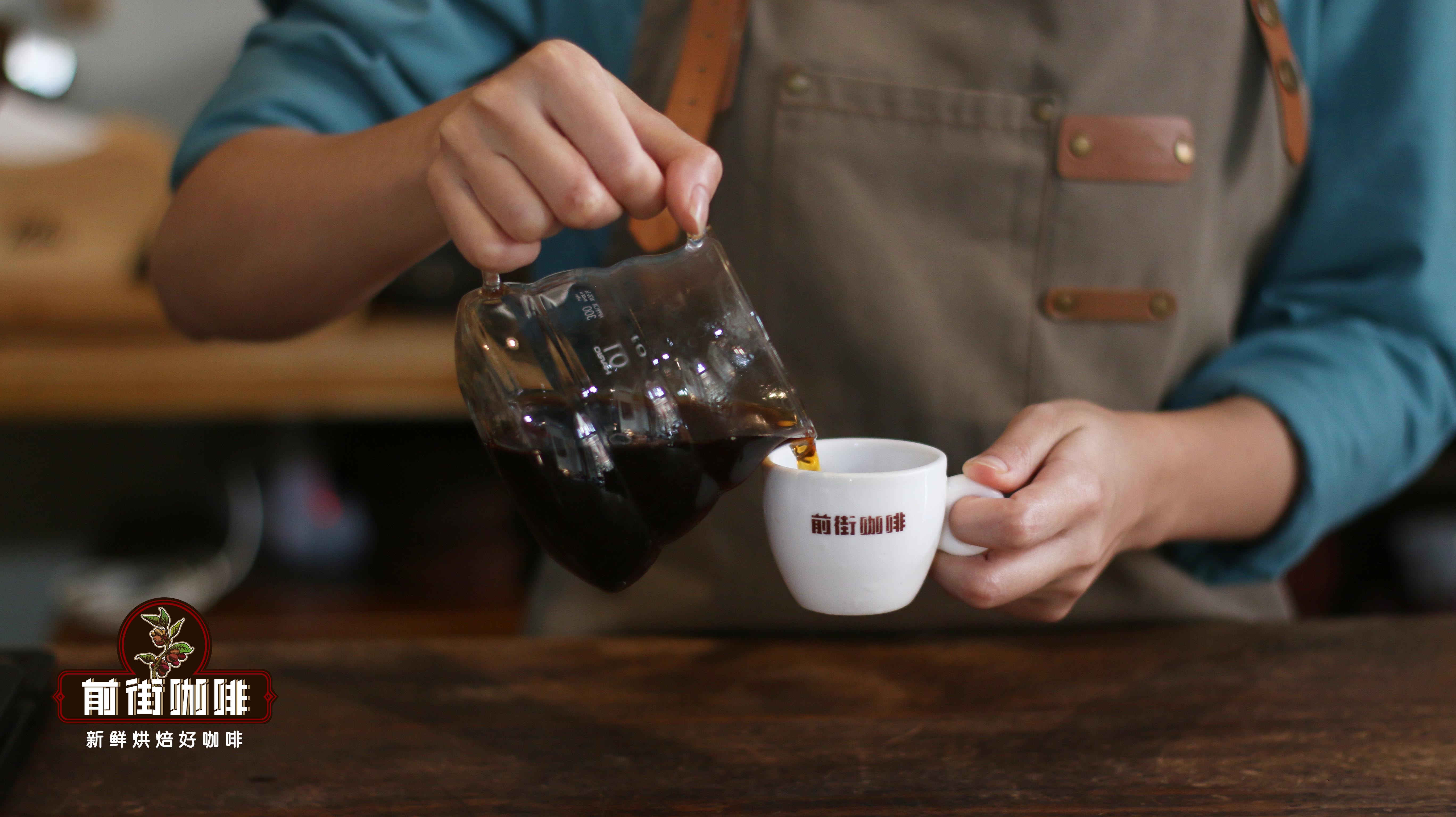
For brewing suggestions, because Golden Mandheling is a medium-to-dark roast, it is especially suitable for use with an immersion-style Kono filter to enhance its full body and prolonged aftertaste. The Kono filter has relatively few and lower-positioned ribs, allowing the filter paper to adhere more closely to the filter wall, thereby reducing airflow through the filter layer, slowing down the water flow, and extending the contact time between water and coffee grounds. This facilitates greater extraction and enhances overall body.
Practical brewing parameters are recommended as follows: use 15 grams of coffee grounds, with 88°C water, and a 1:15 coffee-to-water ratio. The grind size is suggested to be medium-fine, passing about 70–75% through a Chinese standard No. 20 sieve, suitable for most pour-over equipment. A three-stage extraction method is advised: start with a 30-second bloom using 30 grams of water, then pour in a slow circular motion until reaching 125 grams for the first pour. After a slight drop in water level, continue pouring to a total of 225 grams. Remove the filter just before the water level is about to run out. Total extraction time should be controlled between 2 minutes and 5 seconds to 2 minutes and 15 seconds, which will fully showcase Golden Mandheling’s spicy and herbal base, along with its layered nutty, brown sugar, and chocolate notes.
In terms of overall flavor profile, this Sumatran Golden Mandheling demonstrates a rich yet clean character. Spicy and herbal aromas lay the foundation for its unique regional identity, followed by a full-bodied nutty and brown sugar sweetness, with a hint of chocolate lingering in the aftertaste. The overall balance is excellent and long-lasting, making it highly suitable for coffee lovers who enjoy bold flavors to explore deeply.
The above content is compiled by CoffeeHunters, a coffee news website.


