








Introduction:Espresso is the essence of Italian coffee culture, crafted through high-pressure and high-temperature rapid extraction to deliver a rich, bold flavor and a golden, fine Crema. This article delves into the extraction parameters for a double shot basket, including dose, distribution and tamping techniques, and time control. It also breaks down the two core characteristics of espresso—its abundant Crema and high concentration—to help coffee enthusiasts master this classic beverage from brewing to tasting.
Espresso is a concentrated coffee liquid extracted rapidly under high-pressure and high-temperature conditions, characterized by a fine layer of golden foam on the surface, commonly known as Crema. Originating from Italy, it is produced using a professional espresso machine to extract a flavorful liquid in a short period of time, often used as the base for milk-based drinks such as lattes and cappuccinos. The flavor profile can vary greatly from café to café, depending on the choice of beans and extraction strategy.
This article uses the double shot basket (Doppio) as a foundation to detail the various parameters involved in extracting espresso, including recommended dose, brew ratio, extraction time, as well as practical operations such as proper distribution and tamping. Additionally, it explores the two key features of espresso—the formation of Crema and the reason behind its extremely high concentration—helping readers gain a more comprehensive understanding from brewing to sipping.
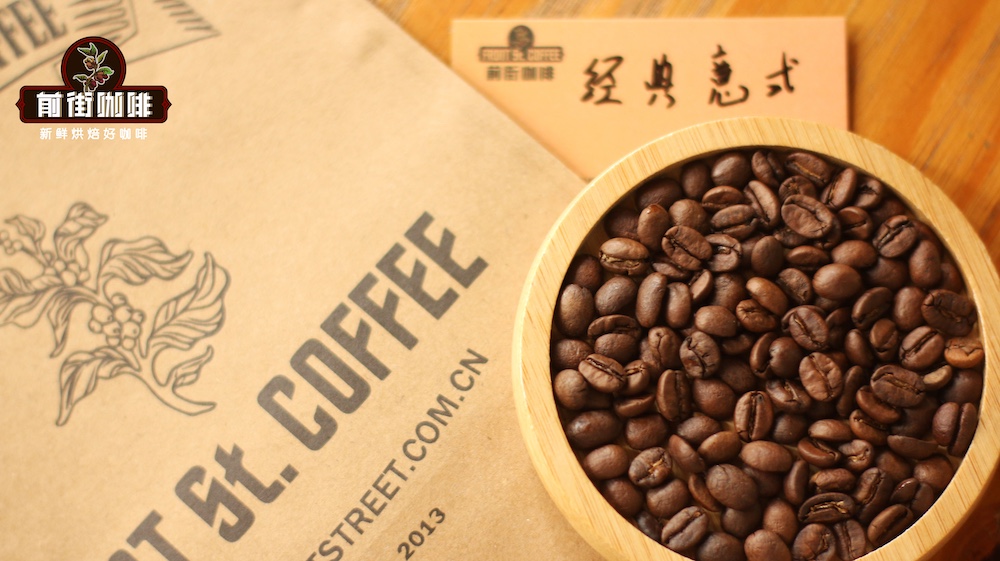
Generally speaking, when extracting espresso using a double shot basket, it is recommended to use about 18 to 20 grams of coffee grounds. Many professional shops typically use 20 grams to maintain stable flavor output. The common brew ratio is 1:2, meaning 20 grams of coffee grounds yield 40 grams of espresso. Extraction time is closely related to flow rate, with the ideal range usually between 28 to 30 seconds. If it’s less than 20 seconds, the flavor tends to be thin; if it exceeds 35 seconds, it may become overly bitter or burnt.
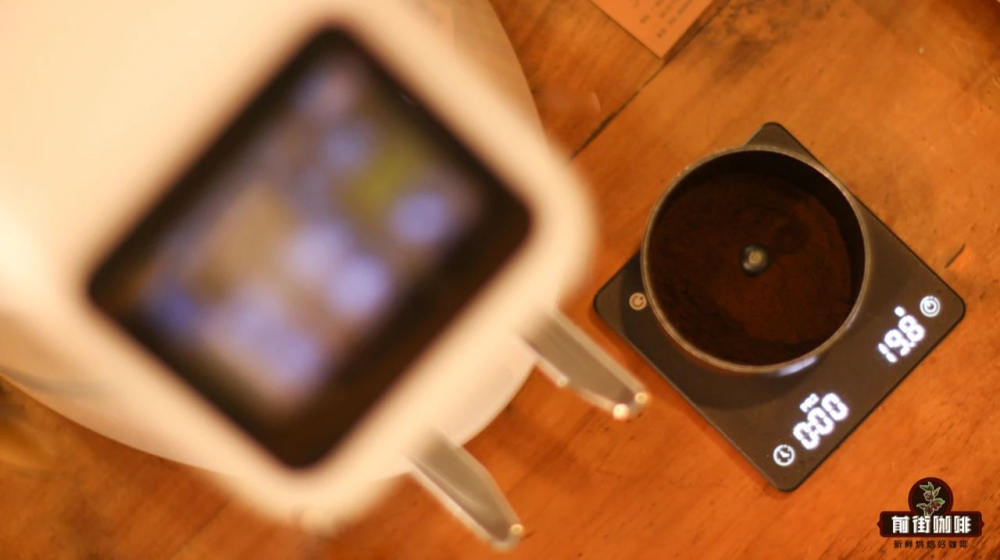
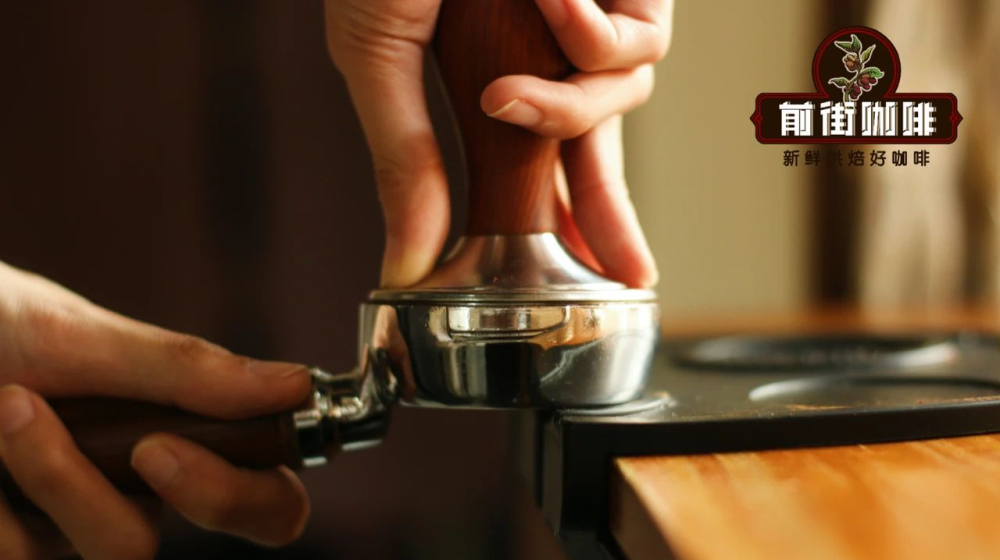
Before starting extraction, make sure the basket is completely dry. Then, grind an appropriate amount of coffee beans and place them on an electronic scale to precisely measure the target weight. This step is crucial for extraction stability. After weighing, it is recommended to use a distribution tool to evenly spread the coffee grounds in the basket, then apply vertical pressure with a tamper to ensure the puck is compacted firmly. This helps maintain stable water flow during extraction and avoids channeling.
Before beginning extraction, you can open the pump to release water for 1 to 2 seconds. This helps to wet the group head and remove any leftover coffee grounds, ensuring a clean extraction environment. Then, place the cup for the espresso under the group head, and put an electronic scale underneath, resetting it to zero to accurately monitor the extraction weight.
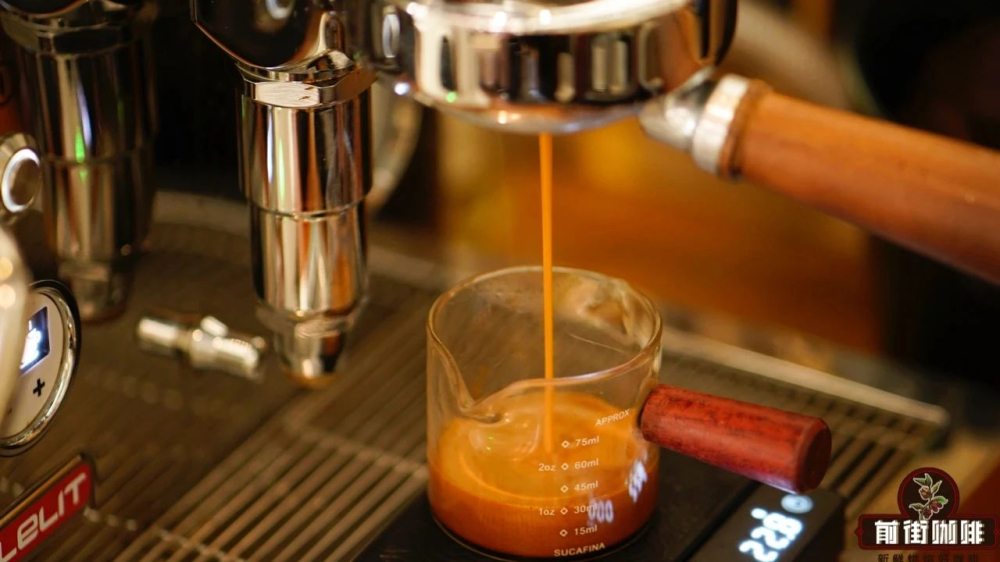
Place the pre-tamped portafilter steadily into the group head, gently lock it in place, and start the extraction. Observe the flow of liquid; when the scale shows 40 grams of espresso and the time is around 30 seconds, you can turn off the pump. Note that variables such as daily humidity, bean roast level, and freshness can affect actual extraction performance. Therefore, it’s advisable to adjust the dose, grind size, or target yield as needed to achieve the best flavor balance.
The finished espresso can be enjoyed as is, or paired with water or milk to mellow its intense flavor. It is recommended to take a sip of water before drinking to cleanse your palate, which helps you better perceive the texture of the Crema and the layered flavors of the coffee.
What makes espresso truly unique are its two core characteristics: abundant Crema and extremely high coffee concentration. First, let’s discuss Crema—this is the fine, golden layer of foam that floats on the surface of the coffee. It forms when carbon dioxide produced during the roasting process is released under high pressure and trapped within the liquid. When the pressure is released, these gases form tiny bubbles that gather on the surface, creating a stable foam layer.
The texture and color of Crema not only affect visual appeal but also serve as an important indicator of coffee freshness. Freshly roasted beans contain more carbon dioxide, which can produce a thicker and darker Crema, often representing a richer flavor. Conversely, if the beans have been stored for too long and their internal gases have dissipated, it becomes difficult to form a rich Crema, which may even disappear entirely. In addition, dark roasted beans, due to more pronounced Maillard reactions, often yield a darker Crema with a smoother, fuller mouthfeel.
Another key feature is the ultra-high concentration of espresso. Due to the short extraction time, extremely fine grinding and high pressure (around 9 atmospheres) are required to release a large amount of soluble substances in a brief period. This results in every drop of espresso being packed with intense flavor and aroma, offering a strong yet layered taste. Upon drinking, the bold flavor hits immediately, followed by various delicate aromas that linger in the mouth, leaving a long-lasting aftertaste. As a result, many shops serve espresso with a glass of water to help cleanse the palate and allow drinkers to better appreciate the coffee’s nuances.
In summary, the charm of espresso lies not only in its rich and bold flavor but also in the meticulous attention to detail required in its preparation. From precise brew ratios and time control, to evenly compacting the puck and proper pre-wetting, each step influences the final flavor. That layer of golden, fine Crema is not just a visual delight—it is also a key symbol of coffee freshness and successful extraction. Understanding these fundamental principles will help coffee lovers, whether at home or in a café, better appreciate and enjoy this classic espresso.
The above content is compiled by CoffeeHunters, a coffee news website.


