







Introduction:The Diamond Mountain series under Panama’s Finca La Esmeralda is primarily composed of the Caturra and Catuai varieties, grown in volcanic soil regions at altitudes between 1,400 to 1,700 meters, and certified by the Rainforest Alliance. This article provides an in-depth analysis of the variety characteristics, natural processing workflow, green bean appearance, roasting profile, and cupping flavors of this series, along with practical pour over parameters to help you better understand and brew this specialty coffee that stands out with outstanding sweetness and bright fruit notes.
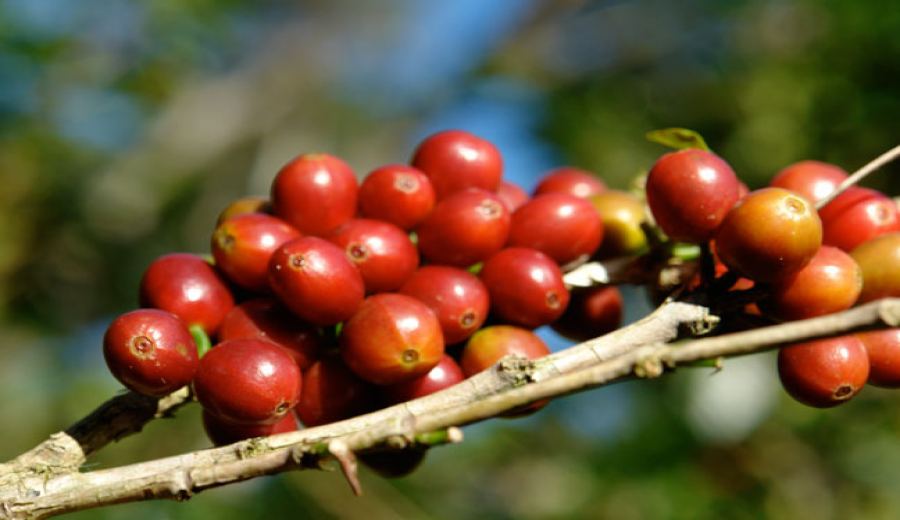
The Diamond Mountain series coffee from the Boquete region of Panama is one of the most iconic offerings under Finca La Esmeralda, featuring two classic Arabica varieties: Caturra and Catuai. These coffee beans are cultivated on the Jaramillo and Canas Verdes farms at elevations between 1,400 to 1,700 meters, situated in volcanic soil areas surrounded by dense virgin forests that provide natural shade, resulting in their unique fruity aromas and rich sweetness.
The Diamond Mountain series not only holds Rainforest Alliance certificationbut also meets Panama’s government eco-friendly ecological label, signifying that its cultivation and production processes minimize environmental impact, strictly control pesticide use and waste management, and demonstrate the practice of sustainable agriculture.
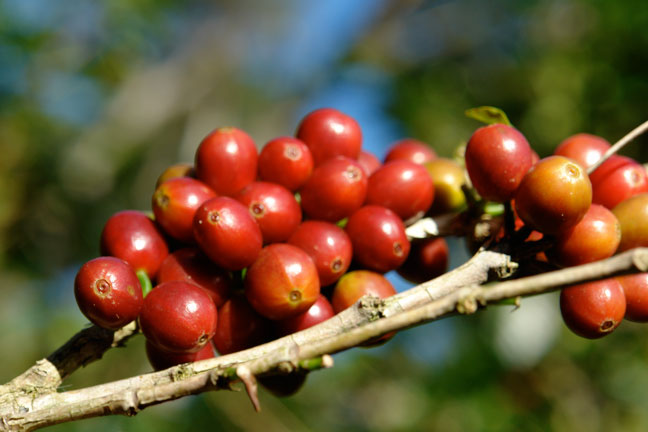
Caturra is a natural mutation of the Bourbon variety, first discovered in Brazil in 1937. It has relatively short plants, making it easy to harvest, and a strong adaptability to altitude, capable of growing from as low as 700 meters up to 1,700 meters. However, generally, the higher the altitude, the better the flavor expression, though yields may decrease. Caturra has good disease resistance and is suitable for planting in most coffee-growing regions.
Catuai is a hybrid created in 1949 from Yellow Caturra and Mundo Novo, originally designated as H-2077. This variety is characterized by short plants, high fruit density, high harvesting efficiency, and greater resistance to wind and rain damage, making it suitable for planting in variable weather conditions. However, Catuai is also prone to leaf rust and requires enhanced pest and disease management.
The coffee beans of the Diamond Mountain series are mainly grown at elevations of 1,400 to 1,700 meters in Canas Verdes and Jaramillo, where the microclimate and soil conditions provide an ideal growth environment. The resulting green beans not only possess intense fruity aromas but also distinct sweetness and complex layers, making it another star product of Finca La Esmeralda besides the renowned Geisha.
This Diamond Mountain coffee employsthe natural process (Natural Process),where, after harvesting, the whole coffee fruit with its husk is directly laid out to sun-dry on concrete platforms, typically for 3 to 5 days, around 8 hours of sunlight per day. During this process, the coffee beans remain enclosed within the fruit pulp, gradually absorbing sugars and aromatic compounds from the pulp, thereby imparting richer fruit tones and sweetness to the coffee.
Once the moisture content of the coffee fruit drops to a certain level, it is further placed in a Guardiola drier for 72 hours of rotary drying to ensure even drying and avoid over-fermentation. Finally, the husk and pulp are mechanically removed, leaving the inner green beans. This processing method is common in high-altitude regions and can fully showcase the coffee’s sweetness and ripe berry flavors.
Observing these sun-dried green beans, one can notice their yellowish appearance and abundant silver skin, which are typical characteristics of the natural process. Caturra variety green beans usually have a natural bend at the tip, with an elongated and rounded shape; whereas Catuai beans are flatter with a slender tip, and the two can be easily distinguished during green bean sorting.
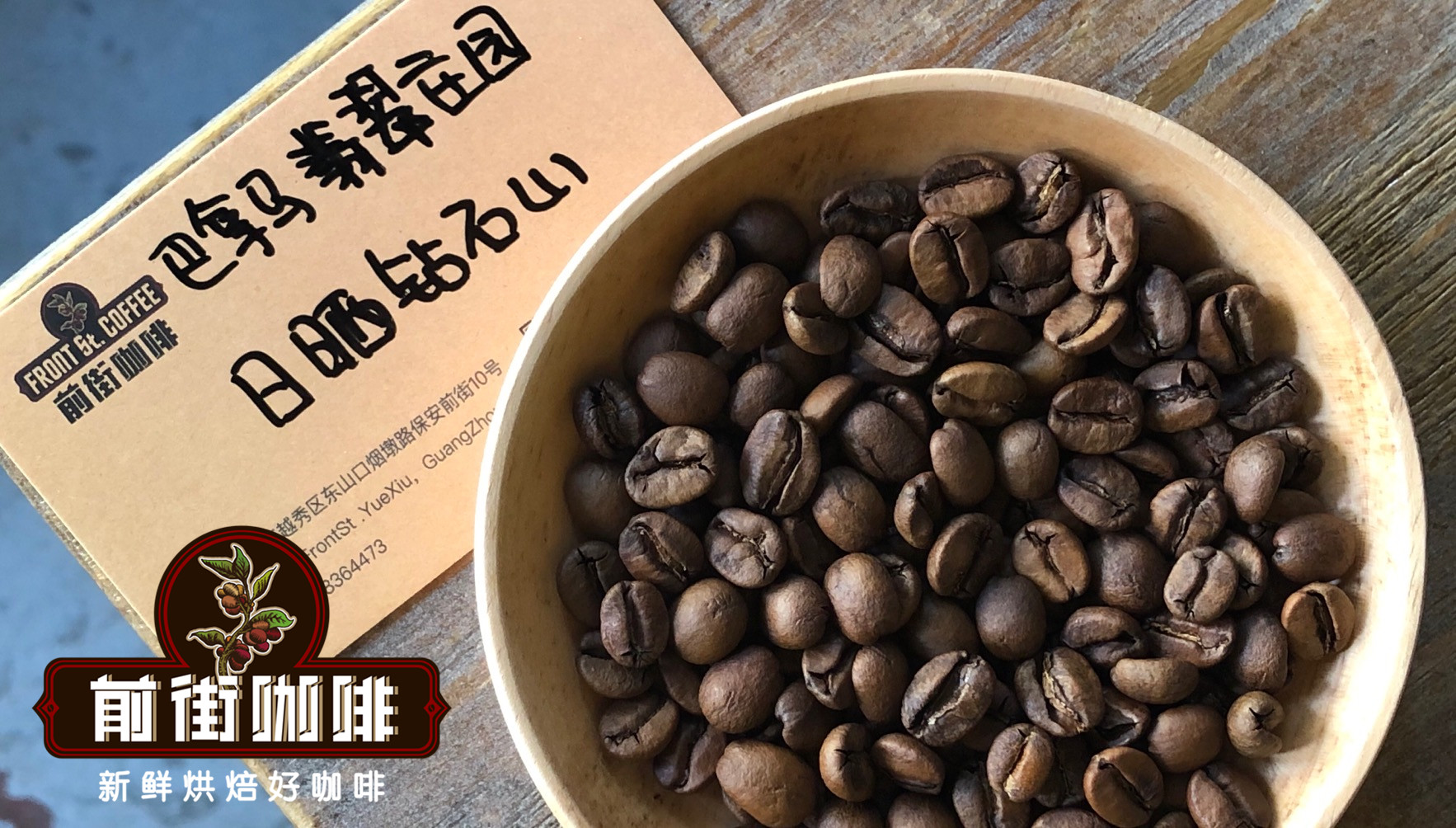
In terms of roasting, it is recommended to use a semi-direct flame roaster, such as the Yangjia 800N, with a bean inlet temperature set at approximately 165°C, initial firepower adjusted to 130, and the air damper opened to 3. As the temperature rises, gradually adjust the firepower and air damper; during the dehydration phase, pay attention to the dissipation of grassy flavors, and after the turn to yellow, adjust to the appropriate development temperature. First crack begins at around 10'48", with a development time maintained at 1'20", and the final drop at 191°C, yielding a roasted flavor balanced between sweetness and acidity.
Cupping results show that this Diamond Mountain coffee, cupped 8 to 24 hours after roasting using a 200ml ceramic cup, with water temperature at 94°C, grind size at 70%-75% through a 20-mesh sieve, and a brew ratio of 1:18.18. The dry aroma presents citrus and berry notes, while the wet aroma is dominated by citrus, with flavor layers including citrus, honey, cocoa, and slight fermented wine notes, delivering an overall balanced and layered profile.
For actual pour over brewing, it is recommended to use a V60 #01 filter, with water temperature controlled at 90-91°C, 15 grams of coffee, a brew ratio of 1:15, and a medium-fine grind (approximately 80% through a 20-mesh sieve). Use a three-stage extraction method: start with a 30-second bloom using 30 grams of water, then pour in a small circular motion until reaching 125 grams for the first pour, wait for the water level to drop, and then continue pouring to 225 grams, with total extraction time around 2 minutes. This parameter highlights its bright acidity, citrus notes, nutty and honey flavors, with a lingering soft cocoa finish, offering a smooth mouthfeel and distinct layering.
The above content is compiled by CoffeeHunters, a coffee news website.


