








Introduction:The French press is beloved by coffee enthusiasts for its simplicity and rich flavor, but to consistently brew coffee with balanced and layered flavors, it’s essential to master key variables. This article delves into the brewing logic of the French press — from the ideal coarse grind size, the classic 1:15 coffee-to-water ratio, optimal water temperature range, to the 4-minute steeping rhythm — guiding you step-by-step through the reasoning behind each parameter. It also recommends a selection of medium-to-dark roast and fruity beans suited to the French press’s immersion brewing style, helping you easily find your preferred flavor profile.
The French press is one of the most common home coffee brewing tools. With its full immersion brewing method and metal filter design, it retains more coffee oils, delivering a rich and full-bodied taste. However, neglecting key factors such as grind size, coffee-to-water ratio, water temperature, and steeping time can easily result in bland or overly gritty coffee. This article takes a practical approach to help you grasp the core techniques of French press brewing and analyze which coffee beans are best suited for this method.
First, let’s understand what kind of coffee flavors the French press can deliver. Because the metal filter cannot trap fine coffee particles, the final brew retains a certain proportion of micro-grounds, resulting in a richer mouthfeel with a smoother texture. However, this also means that those sensitive to coffee sediment may find it less appealing. Additionally, by adjusting water temperature, grind coarseness, and steeping time, you can fine-tune the extraction to find the flavor combination that best suits your palate.
Next, let’s move on to the practical brewing process. The first step is selecting the appropriate grind size.It’s recommended to use a relatively coarse grind, similar in texture to coarse sugar or small gravel.This is similar to the medium-coarse grind used in pour over, but with slightly larger particles. If the grind is too fine, the increased surface area of the coffee grounds can lead to over-extraction, and fine particles may pass through the French press’s metal filter (usually 80 to 300 microns in pore size), resulting in cloudy coffee with excessive sediment at the bottom. Generally speaking,a coarseness that allows about 70% of the particles to pass through a Chinese No. 20 standard sieve is an ideal choice.If you want to explore more layered flavors, you can try a slightly finer grind, but be sure to reduce the steeping time accordingly.
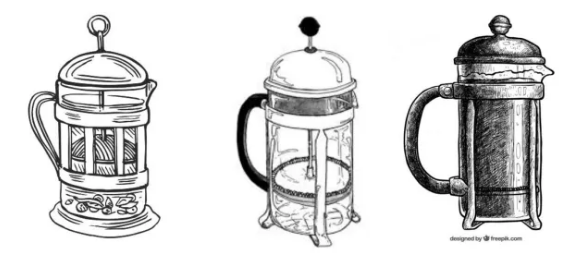
The coffee-to-water ratio is key to influencing both the strength and clarity of the coffee’s flavor.The most commonly used and beginner-friendly ratio is 1:15, meaning 15 grams of coffee to 225 milliliters of water.This ratio yields a coffee concentration of around 1.1% to 1.2%, offering a balanced taste without being too thin. If you prefer a stronger cup, you can stick with this ratio or slightly increase the amount of coffee. It’s recommended to start with 1:15, then adjust the water or coffee amount based on personal preference to gradually find your ideal formula.
Water temperature also significantly affects the brewing outcome. Without a thermometer, letting boiled water sit for about 45 seconds will bring it to around 90°C, which is a good starting point under normal circumstances. However, since the French press does not involve stirring after pouring water, you may sometimes need to slightly increase the water temperature to improve extraction efficiency. For medium-to-light roasted beans,it’s recommended to keep the water temperature between 92°C and 94°C; for medium-to-dark roasted beans, it’s better to lower it to 89°C to 90°Cto avoid over-extracting bitter and astringent compounds.
Steeping time is another crucial factor in ensuring complete extraction. Without additional stirring, you must rely on time to fully release the coffee’s flavors. The generally recommended steeping time is 3 to 5 minutes, but this should be adjusted according to roast level. Darker roasts that steep beyond 5 minutes can become overly bitter, while lighter roasts that steep for less than 3 minutes may lack sufficient flavor.For beginners, it’s recommended to start with 4 minutes, which is the sweet spot where most flavor profiles perform steadily..
Here’s the actual brewing process: First, add the ground coffee to a preheated French press, then slowly pour hot water to ensure all the coffee grounds are evenly saturated. It’s recommended to begin with about twice the weight of the coffee in water (for example, 30 grams of water for 15 grams of coffee) for a 30-second pre-infusion or bloom, then gently stir to help the coffee grounds fully expand. Next, pour in the remaining hot water, place the filter plunger on top but do not press down yet. Let it steep for 4 minutes, then slowly press the plunger all the way down, and immediately pour out the coffee to prevent further extraction of sediment.
It’s worth noting that the resistance felt when pressing the plunger can serve as a simple indicator of grind coarseness: if it feels difficult, the grind may be too fine; if it’s too easy, the grind may be too coarse. Also,after brewing, be sure to pour out the coffee immediately to avoid over-extraction from prolonged contact with the grounds.If you’re not drinking it right away, transfer the coffee to another container to preserve its flavor.
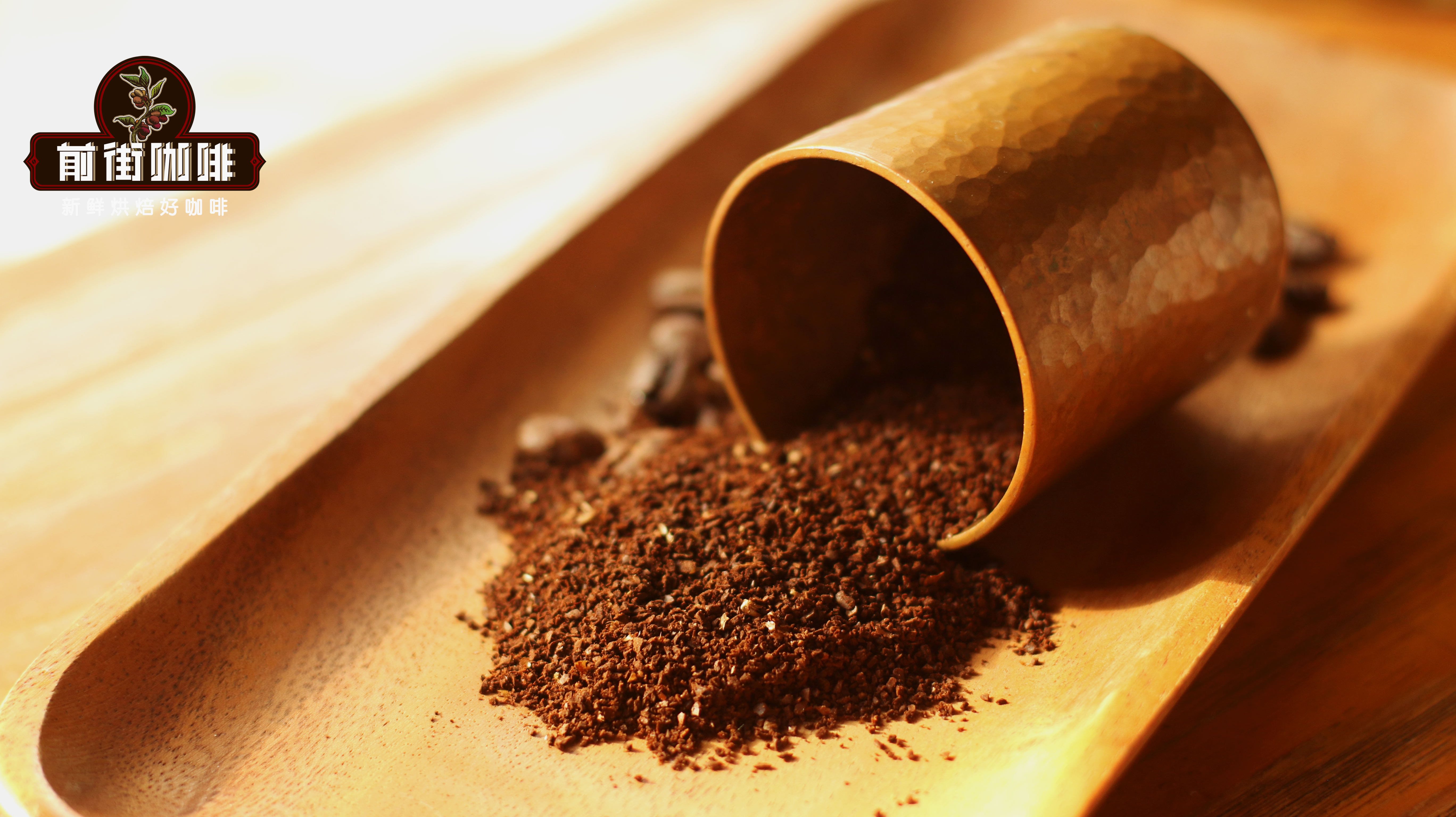
When it comes to coffee beans suitable for the French press, due to its immersion characteristics,medium-to-dark roasts and medium roasts generally perform better, showcasing a rich mouthfeel with pronounced caramel and nutty notes. If you enjoy fruity and floral profiles, you can choose beans with berry or citrus notes; if you prefer intense chocolate and nutty flavors, medium-to-dark roasted Indonesian or Sumatran beans are excellent options. Regardless of your choice, it’s advisable to fine-tune water temperature and steeping time based on roast level to bring out the best in every cup.
Finally, here are a few tips to enhance your French press brewing quality: Pour out the coffee promptly after brewing to avoid bitterness from lingering flavors; regularly clean the French press, especially the filter part, to prevent residue from affecting the next brew; if you’re unable to achieve your desired flavor, don’t get discouraged — try adjusting each variable one by one and enjoy the experimentation process. You’ll gain a deeper understanding of the art of coffee extraction.
The above content is compiled by CoffeeHunters, a coffee news website.


